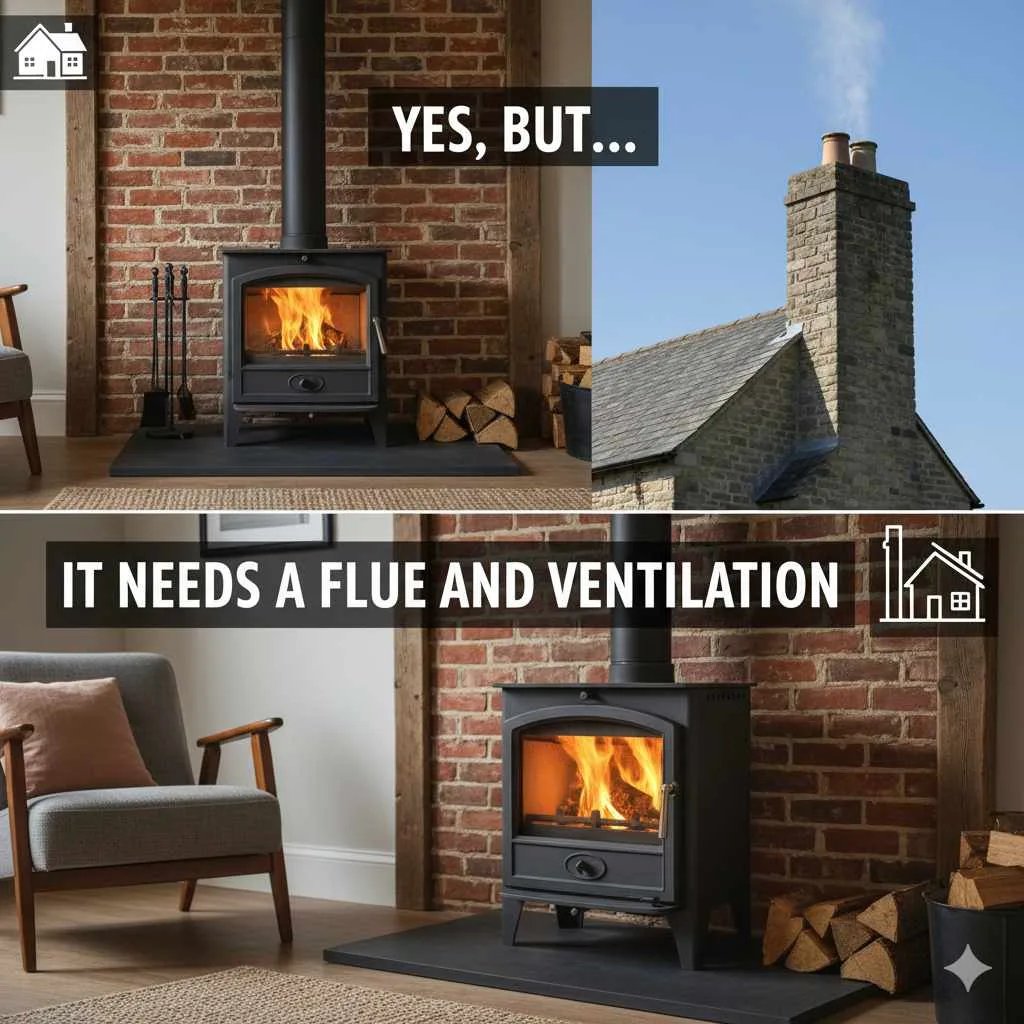
Do log burners need a chimney? Yes, typically, a traditional log burner requires a functioning chimney to safely vent smoke and gases. However, modern alternatives like electric or gas stoves may offer chimney-free options.

Paine's
Paine's Medium Log Cabin Incense Burner Comes…
- Handcrafted Log Cabin Burner – Includes a wooden cabin incense burner and 10 balsam fir incense logs, designed so smoke gently ris…
- Made in Maine Since 1931 – Created using traditional methods with locally collected balsam fir branches that are ground, dried, an…
- Natural Evergreen Aroma – Releases a warm, woodsy balsam fragrance that creates a calming, outdoorsy atmosphere in any room, perfe…
As an Amazon Associate I earn from qualifying purchases.
For a related kitchen decision, Conventional Oven Vs Toaster Oven: Showdown adds another practical detail to check.
For a related kitchen decision, Crock Pot Casserole Cooking Times adds another practical detail to check.
Are you dreaming of cozy evenings by a crackling fire but wondering about the nitty-gritty of log burners? One of the biggest questions that pops up is: “Do log burners really need a chimney?” It’s a common point of confusion, and frankly, trying to figure out the installation requirements can feel a bit daunting. But don’t worry! As your friendly home decor advisor, I’m here to demystify it all. We’ll break down exactly what you need to know, making sure you can achieve that beautiful, warm ambiance safely and stylishly. Let’s dive into the essential guide to log burners and chimneys, so you can make informed decisions for your perfect home.
Understanding the Chimney’s Role for Log Burners
A chimney isn’t just a decorative element on your roof; it’s the vital highway that carries harmful smoke and combustion gases away from your home. For a traditional wood-burning stove, this function is absolutely critical. Without a properly functioning chimney, these gases, including carbon monoxide, can accumulate inside your living space, posing a serious health risk.
The chimney works on a principle called “draught.” As the fire heats the air inside the chimney, it becomes less dense than the cooler air outside. This difference in density causes the warm air, along with smoke and gases, to rise and escape up and out of the chimney. This natural upward pull is what keeps your home smoke-free and safe.
Key Functions of a Chimney for Log Burners:
Safe Exhaust: It’s the primary pathway for expelling dangerous combustion byproducts.
Airflow & Draught: It provides the necessary airflow to sustain the fire and draw smoke upwards.
Fire Safety: A well-maintained chimney also helps prevent chimney fires by directing flammable creosote buildup away from the living area.

Do All Log Burners Need a Chimney? Not Necessarily!
This is where things get interesting! While traditional wood-burning stoves are happiest with a chimney, the definition of “log burner” has expanded. Today, you have several options that might not require a traditional brick chimney.
Traditional Wood-Burning Stoves
These are the classic stoves that burn actual logs. They absolutely require a chimney (or a specifically designed flue system) to operate safely and efficiently. The chimney needs to be the right size, height, and condition to provide adequate draught.
Multifuel Stoves
Similar to wood-burning stoves, multifuel stoves can burn wood, coal, and other solid fuels. They also necessitate a fully functional chimney or flue system.
Gas Stoves (Styled as Log Burners)
Many beautiful stoves look like log burners but run on gas (natural gas or LPG). These often have different venting requirements.
Conventional Flue Gas Stoves: These require a chimney, similar to wood burners, to vent the exhaust gases. They use the existing chimney to draw air and expel fumes.
Balanced Flue Gas Stoves: These are a fantastic chimney-free option! They use a special twin-walled pipe that goes through an external wall. One pipe draws in fresh air from outside, and the other expels the combustion gases. This means they can be installed in homes without a chimney.
Flueless Gas Stoves: These vents directly into the room, requiring good ventilation but no chimney or flue pipe. However, they are less common and have specific safety regulations regarding room size and ventilation.
Electric Stoves (Styled as Log Burners)
These are the easiest “log burner” option when you don’t have a chimney. Electric stoves are essentially stylish electric heaters designed to mimic the look of a real fire.
No Chimney Needed: They plug into a standard electrical socket and require no flue or chimney whatsoever.
Simple Installation: You can place them almost anywhere in a room, allowing for great design flexibility.
Ambiance Only: They provide visual warmth and the cozy aesthetic but don’t produce real heat from combustion.
The Crucial Role of a Flue System
Whether you have a wood-burning stove, a multifuel stove, or a conventional flue gas stove, the chimney is part of a larger system called a flue. The flue system is designed to safely channel smoke, heat, and gases from the appliance to the outside.
A complete flue system typically includes:
1. The Appliance: Your log burner or stove.
2. Connecting Flue Pipe: A pipe that connects the appliance directly to the chimney stack. This is often made of stainless steel or vitreous enamel.
3. The Chimney/Flue: The vertical structure extending upwards to release the gases.
What Makes a Chimney Suitable for a Log Burner?
Not all chimneys are created equal, and not every chimney is automatically suitable for a modern log burner. Here’s what to consider:
Sizing: The diameter of the chimney (or flue liner) must be compatible with the output of your stove. An undersized chimney can cause poor draught and smoke spillage, while an oversized one can lead to inefficient burning and condensation.
Condition: The chimney must be structurally sound, free from cracks, blockages (like bird nests or debris), and properly insulated if it’s an older, unlined chimney.
Lining: Modern building regulations often require chimneys to be lined with a flexible stainless steel liner, especially when installing a new appliance. This protects the structure of the chimney and improves performance by creating a smoother surface for gases to travel and preventing creosote buildup in any gaps.
Height & Location: The chimney must extend at least 1 meter above the highest point of the roof and be a safe distance from any adjacent structures or windows, as per building regulations.
You can find detailed guidance on flue requirements from organizations like the UK Government or specific manufacturer guidelines.
Installing a Log Burner: When to Call the Professionals
This is one area where DIY can be risky if you don’t have the specific expertise. For any installation involving a wood-burning or multifuel stove, or a conventional flue gas stove, it is mandatory to use a HETAS-registered engineer or equivalent certified professional in your region. Attempting to install one yourself or hiring someone unqualified can be dangerous and may invalidate your home insurance.
Why Professional Installation is Essential:
Safety First: They ensure all safety standards are met, including correct ventilation, flue performance, and structural integrity.
Building Regulations: They are fully aware of and comply with all current building regulations and legal requirements.
Efficiency: A correctly installed stove will operate at its best, providing maximum heat output and efficient fuel use.
Certification: Professional installation often comes with a certificate, which is crucial for insurance purposes and future sale of your property.
For electric stoves, installation is generally much simpler and often doesn’t require a professional unless electrical modifications are needed.
Chimney-Free Alternatives: Making a Log Burner Look Work
If you don’t have a chimney, or your existing one isn’t suitable, don’t despair! There are elegant solutions to achieve that characteristic log burner aesthetic and warmth without the structural requirements.
1. Balanced Flue Gas Stoves
As mentioned, these are brilliant. They don’t need a traditional chimney.
How they work: A special pipe system goes through an exterior wall. It has a pipe within a pipe. The inner pipe expels fumes, and the outer pipe draws in fresh air for combustion.
Pros: Provides real flame and heat, creates a cozy ambiance, can be installed in homes without chimneys, safe venting.
Cons: Requires an external wall for the flue, gas supply installation needed, less flexible placement than electric.
2. Electric Stoves
These are the ultimate chimney-free solution and incredibly popular for their simplicity and style.
How they work: They are essentially electric heaters housed in a stove-like casing. They use realistic flame effect technology.
Pros: No chimney or flue required, easy to install (plug in), can be placed anywhere, safe, no annual servicing needed, wide range of styles and sizes, provides supplementary heat if desired.
Cons: No real flame, heat output is from an electric element (can be less intense than gas or wood), running costs depend on electricity prices.
3. Vent-Free Gas Stoves (with caveats)
These exist but are less common in many regions due to ventilation requirements. They release a small amount of combustion products directly into the room.
Important Note: Vent-free appliances require specific room ventilation (e.g., a permanent air vent) and are subject to strict regulations. They are not suitable for all homes and can impact indoor air quality. Always consult with a qualified installer and check local regulations before considering a vent-free option.
The Benefits of a Log Burner (Chimney or No Chimney!)
Regardless of whether you opt for a traditional log burner with a chimney or a modern gas/electric alternative, the benefits are undeniable:
Atmosphere and Ambiance: The visual appeal of a flickering flame is incredibly comforting and creates a focal point in any room.
Warmth and Cosiness: Real fire or a powerful realistic effect can provide a wonderful sense of warmth.
Style Statement: Log burners, in their many forms, add character and a touch of rustic or contemporary elegance to your decor.
Potential for Supplemental Heating: Many real-flame and electric stoves can provide significant supplemental heat, potentially reducing reliance on central heating.
Making Your Choice: Key Considerations
When deciding, think about these crucial points:
1. Your Home’s Structure
Do you have an existing, suitable chimney? If yes, you have more options, including traditional wood burners.
Can you install a balanced flue (external wall access)? If yes, gas stoves are a great real-flame option.
No chimney and no easy flue access? Electric stoves are likely your best bet.
Costs Involved
Initial Purchase: Electric and gas stoves can range from a few hundred to several thousand pounds, depending on brand and features.
Installation: Wood burners and gas stoves require professional installation, which adds to the cost. This can range from £500 to £2000+ for a full installation including flue work. Electric stoves are much cheaper to install – often just the cost of the appliance and any minor electrical work.
Fuel: Wood needs to be sourced and stored; gas is billed; electricity is used via your meter.
Desired Realism vs. Convenience
Authentic Fire Experience: For the most genuine real-flame experience, a wood burner or gas stove is the way to go.
Convenience and Ease: Electric stoves offer unparalleled convenience, with instant on/off and minimal maintenance.
Maintenance Requirements
Wood Burners: Require regular sweeping of the chimney (at least annually), stove cleaning, and ash removal.
Gas Stoves: Need an annual service by a Gas Safe registered engineer to ensure safety and efficiency.
* Electric Stoves: Require very little maintenance – just dusting and occasional cleaning of the flame effect glass.

Frequently Asked Questions (FAQ)
Here are some common questions beginner home decorators ask about log burners and chimneys:
Q1: Can I put a log burner in any room?
For wood-burning stoves, safety regulations and building codes dictate placement. They generally need to be installed on a non-combustible hearth, have adequate clearance from curtains and furniture, and ideally be connected to a suitable chimney. For gas stoves, balanced flue options offer more flexibility in placement than conventional flue ones. Electric stoves are the most flexible, as they can be placed almost anywhere with access to a power outlet.
Q2: What is a HETAS registration?
HETAS (Heating Equipment Testing and Approval Scheme) is the official body that approves solid fuel, biomass, and chimney engineering appliances. If you’re installing a wood-burning or multifuel stove, using a HETAS-registered engineer ensures the installation complies with safety standards and building regulations. They will issue a certificate upon completion.
Q3: How much does it cost to install a chimney for a log burner if I don’t have one?
Installing a new chimney or flue system can be a significant investment, often costing between £2,000 and £6,000 or more, depending on the complexity, materials, and whether it’s a straight run or involves bends and structural changes. Many homeowners opt for more cost-effective chimney-free alternatives like balanced flue gas stoves or electric stoves if they don’t have an existing suitable chimney.
Q4: Can I use an electric stove if I want the look but don’t want the hassle of a real fire?
Absolutely! Electric stoves are perfect for this. They provide a beautiful visual flame effect and often offer supplemental heat, but without any need for a chimney, fuel, or complex installation. They are the most convenient and versatile option for achieving the cozy log burner aesthetic.
Q5: What’s the difference between a flue and a chimney?
Think of the chimney as the main shaft that goes up through your house and out the roof. The flue is the system that channels the smoke and gases from the stove to the chimney. This often includes a connecting pipe and, in modern installations, a flexible liner within the chimney stack itself. So, the chimney is the structure, and the flue is the pathway for fumes.
Q6: Do I need to get my chimney swept if I have a gas stove?
If you have a conventional flue gas stove that uses an existing chimney, then yes, regular chimney sweeping is still recommended. This ensures the flue is clear of obstructions and that any soot or debris that might accumulate doesn’t cause issues with the draught or safety. For balanced flue or flueless gas stoves, chimney sweeping isn’t required as they don’t use a traditional chimney.
Q7: Is a log burner a good primary heat source?
While a well-functioning wood-burning stove can heat a significant portion of a home, it’s often considered a primary or secondary heat source rather than the sole one, especially in larger or poorly insulated properties. They are excellent for supplemental heating and creating a comfortable zone of warmth. Gas and electric stoves vary more in their heating output, with some designed for ambiance and others for substantial heat generation.
Conclusion: Your Cozy Corner Awaits!
So, to wrap it up, do log burners need a chimney? Typically, yes, for traditional wood-burning models. However, the wonderful world of home heating and ambiance has evolved! You have fantastic alternatives like balanced flue gas stoves and incredibly convenient electric stoves that can bring that sought-after cozy glow and warmth to your home, even if you don’t have a chimney.
Deciding which type is right for you depends on your home’s structure, your budget, and your personal preferences for realism versus convenience. Always prioritize safety by consulting with qualified professionals for any real-flame appliance installation. With the right guidance, you can confidently choose and install a beautiful heating solution that perfectly complements your home’s style and enhances your comfort. Happy decorating and enjoy that lovely, warm ambiance!
Related pick: Check today's price on Amazon