
Open burners give direct, powerful heat that chefs prefer for searing and wok cooking, while sealed burners contain spills on a flat surface that wipes clean, making them the more convenient pick for everyday home cooking. Choose open burners for easier cleanup and you will fight more spilled-over grease around the grates. This guide compares both types head to head, the features that matter when choosing, and how to keep either type running well.
Open Burners vs Sealed Burners: What’s the Big Deal?
When it comes to cooking, the heart of your kitchen is often the stovetop. The type of burners you choose can significantly impact your cooking experience, from how quickly you can boil water to how easy it is to clean up after a culinary masterpiece. In the world of gas ranges, two primary designs dominate: open burners and sealed burners. While they both use gas to create heat, their construction and how they handle spills and cooking are quite different. Understanding these differences is your first step to making an informed decision for your home.
How Gas Burners Work: A Quick Peek
Before we get into the nitty-gritty of open versus sealed, let’s quickly touch on how gas burners produce heat. At their core, gas stovetops have a gas supply that feeds into a burner head. When you turn the knob, a valve opens, allowing gas to flow. An ignition system (either a pilot light that’s always on, or an electronic igniter) sparks this gas, creating a flame. The flame then heats your cookware. The way the flame is delivered and how the burner unit itself is designed is where open and sealed burners differ most.

Open Burners: The Classic Approach
Open burners are often what people picture when they think of a professional chef’s kitchen. They’re known for their robust design and the direct, intense heat they can provide.
What are Open Burners?
In an open burner system, the gas ports, which release the flame, are located on top of the burner cap. The flame shoots upwards and outwards from these ports, coming into direct contact with the bottom of your pots and pans. The burner assembly itself is exposed, and a removable grate sits directly above it to support your cookware.
How They Work: The Mechanics
When you turn on an open burner, gas flows through a manifold and out of small holes (ports) in the burner head. An igniter or pilot light lights the gas, creating a visible flame. This flame surrounds the base of your cookware, providing a very even and direct heat.
Pros of Open Burners
Intense Heat and Quick Cooking: Open burners often deliver a powerful, direct flame, which can be fantastic for searing meats at high heat or quickly boiling water. Many find they offer superior heat control for precise cooking techniques.
Easy Access for Cleaning Burner Heads: While the grates can be heavy, the burner heads themselves are usually quite accessible. Minor food debris that falls onto the burner can often be brushed away easily once the burner is cool.
Professional Appeal: For those who love the aesthetic of a chef’s kitchen, the robust, exposed burner design of open systems is highly desirable.
Durable Grates: The heavy-duty cast-iron grates are built to last and can withstand a lot of use. They also provide a very stable platform for cookware.
Cons of Open Burners
Spills Can Be Messy: This is the biggest drawback. Liquids, sauces, or food particles that spill can drip directly down into the burner assembly. This can be difficult to clean thoroughly and can sometimes clog the burner ports, affecting flame performance.
More Involved Cleaning: While the burner head itself might be accessible, cleaning around it and the burner ports can be tedious. Spills within the burner assembly require more effort to remove.
Potential for Gas Leaks (Less Common Now): In older models, if the burner assembly wasn’t perfectly maintained, there was a slightly higher theoretical risk. Modern designs have significantly improved safety features, making this less of a concern for newer appliances.
Less Efficient for Low Heat: Achieving very low simmering temperatures can sometimes be more challenging with some open burner designs compared to their sealed counterparts.
Who are Open Burners For?
Open burners are ideal for aspiring home chefs, avid cooks, and anyone who values high-performance cooking and excellent heat control. If you frequently sear, stir-fry, or enjoy precise temperature adjustments, this style might be your best bet.
Sealed Burners: The Practical Choice
Sealed burners offer a more streamlined and user-friendly approach to gas cooking, making them a very popular choice for most households.
What are Sealed Burners?
In a sealed burner system, the burner assembly is enclosed or “sealed” beneath a slightly raised cooktop surface and a removable burner cap. The gas ports are located around the edge of the burner cap, and the flame rises from these ports. Any spills that occur are typically contained within this sealed area, preventing them from falling into the main burner assembly.
How They Work: The Mechanics
Similar to open burners, gas is released through ports and ignited. However, in a sealed system, these ports are on the burner cap, which sits on top of a sealed base. This sealed base prevents liquids and food debris from entering and potentially damaging the burner mechanism. Most modern sealed burners use electronic igniters, providing a quick and reliable start to the flame.
Pros of Sealed Burners
Easy Cleanup: This is the star feature! Spills are contained on the raised, sealed surface. You can often wipe them up with a damp cloth or sponge without worrying about them getting into intricate parts of the burner. This makes everyday cleanup a breeze.
Reduced Risk of Clogging: Because spills are contained, the burner ports are less likely to become clogged with food debris. This means more consistent flame performance over time.
Sleek Aesthetics: Sealed burners often contribute to a more modern and integrated look in the kitchen, with a smoother cooktop surface.
Good for Simmering: Many sealed burner designs are engineered to provide excellent low-heat control, making them ideal for delicate sauces and slow simmering.
Cons of Sealed Burners
Burner Heads Can Be Tricky to Clean: While the cooktop surface is easy to wipe, if a significant spill happens and seeps under the burner cap, cleaning the area directly around the burner ports can be a bit more intricate than just wiping a grate. You’ll typically need to remove the cap and sometimes the burner head itself for a thorough clean.
Potentially Less Intense Direct Heat: While modern sealed burners are very capable, some cooks feel they don’t offer quite the same level of intense, direct heat for searing as the most powerful open burner models. However, this is becoming less of a distinction as technology advances.
Heavier Grates: To provide stability, sealed burners often have heavier grates that sit directly on the sealed surface, which can make them a little more cumbersome to remove for cleaning the cooktop underneath.
Who are Sealed Burners For?
Sealed burners are perfect for busy families, those who prefer low-maintenance appliances, or anyone who values ease of cleaning and a consistently neat appearance for their stovetop. They are the workhorses of the modern kitchen.
Best Gas Stovetop Cleaning Pick
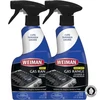
Weiman Heavy Duty Gas Range and Stove Top Cleaner and Degreaser, 2-Pack – $18.98
The maintenance product this guide's Tips section says matters no matter which burner type you own, cutting through grease on grates or sealed tops alike.
- Best for: The Tips for Maintaining Your Gas Stovetop section this guide dedicates to both burner types
- Why we picked it: Heavy duty degreaser handles both the open grates and sealed flat surface this guide compares
- Main drawback: Strong degreaser formula needs good ventilation and a rinse after use
Compare more degreasers and drip pans
 Option 1 Thirteen Chefs Gas Range Cleaner and Degreaser – $12.95
|  Option 2 COZZIVITA 4-Piece Chrome Drip Pan Set – $16.99
| 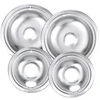 Option 3 Chrome Stove Burner Drip Pan, Replacement – $14.99
|
As an Amazon Associate we earn from qualifying purchases.
Open Burners vs Sealed Burners: A Head-to-Head Comparison
To help you visualize the differences, let’s break down the key aspects in a table.
| Feature | Open Burners | Sealed Burners |
|---|---|---|
| Flame Delivery | Flame emerges directly from ports on top of the burner head, often surrounding cookware. | Flame emerges from ports on the edge of a burner cap, contained within a sealed surface. |
| Spill Management | Spills can drip directly into the burner assembly, requiring more involved cleaning. | Spills are generally contained on the raised, sealed surface, making cleanup easier. |
| Cleaning Ease (Everyday) | Grates are removable, but burner heads are exposed and can be harder to clean if soiled. | Cooktop surface is easy to wipe. Burner caps and heads may need removal for deeper cleaning. |
| Heat Intensity | Often provide very high, direct heat suitable for searing and demanding cooking. | Excellent heat control, capable of high heat, but sometimes perceived as slightly less intense than top open models. |
| Ease of Use | May require more attention to cleaning spills. | Generally more forgiving for everyday messes. |
| Professional Look | Strong, classic chef’s kitchen aesthetic. | Sleeker, more modern, integrated look. |
| Durability | Heavy-duty construction, very robust. | Durable, with sealed units typically made from robust materials. |
Features to Consider When Choosing Your Stovetop
Beyond the open vs. sealed debate, several other features can enhance your stovetop experience. Think about these as you explore your options:
Burner Configuration
Number of Burners: Most standard stovetops have four burners, but you can find models with five or even six, offering more flexibility for cooking multiple dishes at once.
Burner Sizes: Look for a variety of burner sizes. A large, powerful burner is great for big pots and rapid boiling, while a smaller, gentler burner is perfect for simmering sauces or melting butter without scorching.
Ignition Type
Electronic Ignition: This is the most common type in modern appliances. It uses a spark to ignite the gas instantly when you turn the knob. It’s convenient and reliable.
Pilot Light: Older models might use a pilot light, a small flame that is always on. While it ensures instant ignition, it’s less energy-efficient and can be a safety concern for some.
Materials and Finish
Cast Iron Grates: Common on both types, cast iron is durable, provides excellent heat retention, and offers a stable surface for cookware.
Stainless Steel vs. Enamel Cooktop: Stainless steel offers a sleek, modern look and is very durable. Enamel (often porcelain) offers a more budget-friendly option and comes in various colors, but can be more prone to chipping or scratching over time.
Safety Features
Flame Failure Shut-off: This advanced safety feature will automatically shut off the gas supply if the flame goes out unexpectedly. This is a crucial safety mechanism for any gas appliance, and is standard on most modern gas cooktops. Check your local Consumer Product Safety Commission for more on appliance safety guidelines.
Making the Choice: Which Burner Type is Right for You?
Deciding between open and sealed burners boils down to your personal cooking style, how you use your kitchen, and your tolerance for cleaning.
Consider Your Cooking Habits
Do you love to push your cooking to the limit? Do you sear steaks every week, stir-fry with gusto, or regularly use a wok? If so, the powerful, direct heat of open burners might be calling your name.
Are you a busy parent, a frequent entertainer, or someone who prefers a tidy kitchen with minimal fuss? If your priority is quick, everyday cooking and effortless cleanup, sealed burners will likely make your life much easier.
Think About Your Cleaning Routine
How much time and effort are you willing to dedicate to cleaning your stovetop? Sealed burners offer a significant advantage in terms of daily upkeep. Spills are less likely to cause major problems.
Are you okay with periodically taking apart burner components for a deeper clean? If you choose open burners, embrace the fact that a good scrub of the burner assembly might be part of your routine.
Budget and Aesthetics
Budget: Generally, both types are available across various price points, but very high-end professional-style open burners can sometimes command a premium.
Aesthetics: Do you dream of a gleaming stainless steel, integrated look, or do you prefer the robust, industrial charm of exposed burners and heavy grates?
Tips for Maintaining Your Gas Stovetop
No matter which type of burner you choose, proper maintenance will ensure it works efficiently and lasts for years.
For Open Burners:
Clean Spills Promptly: Don’t let spills sit and bake on. Wipe them up as soon as the surface is cool enough.
Regular Grate Cleaning: Use a stiff brush or scourer to keep your grates free of baked-on food. Some grates are dishwasher safe, but always check your manual.
Burner Port Care: If you notice uneven flames, the burner ports might be clogged. Use a soft brush or a fine needle (carefully!) to clear them. Be sure the burner is completely cool and the gas is off.
For Sealed Burners:
Wipe Down After Each Use: This is the easiest way to keep sealed burners looking great. A damp cloth or sponge is usually all you need.
Remove Burner Caps and Heads for Deeper Cleans: When you tackle a more stubborn spill or just want a thorough clean, remove the grates, burner caps, and sometimes the burner heads. Use a sponge and mild detergent. For stubborn grease, a degreaser might be helpful. Again, consult and follow your appliance’s Energy Star recommended care guidelines, or the manufacturer’s manual.
Avoid Abrasives on the Cooktop Surface: Overly harsh scouring pads or abrasive cleaners can scratch or dull the finish of your cooktop, especially if it’s stainless steel.

Frequently Asked Questions (FAQs)
Q1: Are open burners dangerous?
A1: Modern open burners are designed with safety as a top priority, similar to sealed burners. The primary difference in perceived danger comes from how they handle spills. If a spill extinguishes the flame and gas continues to flow, a sealed burner is more likely to prevent the gas from entering the burner assembly. However, with proper use and maintenance, and understanding how to reignite a flame if it goes out, both types are safe. Always ensure the gas is off if you suspect a leak and follow manufacturer safety instructions.
Q2: Can I cook with heavy pots on sealed burners?
A2: Yes, absolutely! Sealed burners are designed with sturdy grates that can easily support heavy pots and pans without issue. The stability of the grate is crucial for safe cooking, and manufacturers ensure this is robust for both types of burners.
Q3: Which type of burner is more energy-efficient?
A3: In terms of energy efficiency, the difference between open and sealed burners is often nominal for modern appliances. The efficiency of a gas burner depends more on its design, how well it’s maintained, and how efficiently you use it (e.g., using the correct pot size for the burner).
Q4: Do open burners get hotter than sealed burners?
A4: Historically, open burners were often associated with higher maximum heat outputs due to their direct flame exposure. However, many high-end sealed burners today are engineered to provide comparable, and sometimes even higher, heat levels. The key is looking at the BTU (British Thermal Unit) output specifications for individual burners within a model.
Q5: Is it harder to control the flame on sealed burners?
A5: Not at all; in fact, many find sealed burners offer excellent flame control, particularly for low-heat simmering and melting. The precise engineering of the burner cap and gas ports in sealed systems often allows for very fine adjustments to the flame, making them quite responsive for delicate cooking tasks.
Q6: Will spills damage my open burner system?
A6: While spills can make cleaning more challenging and can potentially clog burner ports if left unattended, they don’t typically cause irreparable damage to a well-maintained open burner system. Prompt cleaning is key. Gross contamination or damage from prolonged neglect is avoidable with regular care.
Q7: Can I convert my open burners to sealed burners, or vice versa?
A7: No, you cannot convert an open burner system to a sealed system, or vice versa, on a stovetop. The entire burner assembly and cooktop surface are constructed differently for each type. If you want a sealed burner system, you’ll need to purchase a new stovetop designed as such.
Conclusion
Choosing between open burners and sealed burners is a decision that really comes down to your personal preferences and how you envision your kitchen experience. Both types offer reliable gas cooking performance, but they cater to slightly different needs. Open burners deliver that classic, powerful heat that many enthusiasts adore, especially for demanding cooking techniques, while sealed burners provide unparalleled ease of cleaning and a streamlined aesthetic for everyday use.
Whichever you choose, remember that a little regular care goes a long way in keeping your stovetop looking beautiful and functioning efficiently. By understanding the distinctive features of each, you can confidently select the best stovetop for your home, ensuring countless enjoyable meals and a kitchen that feels just right