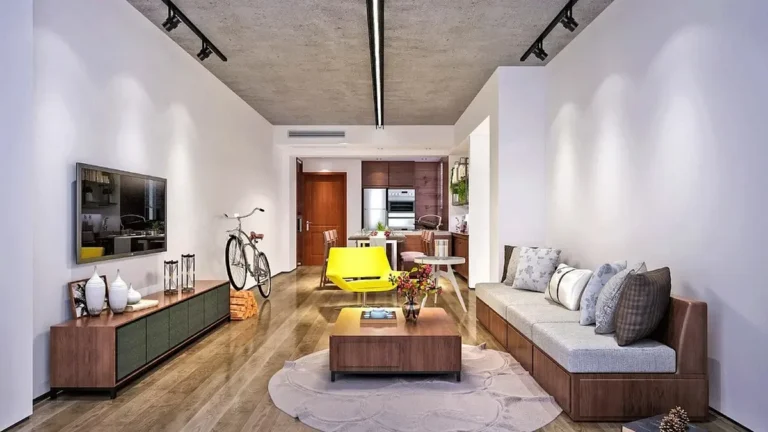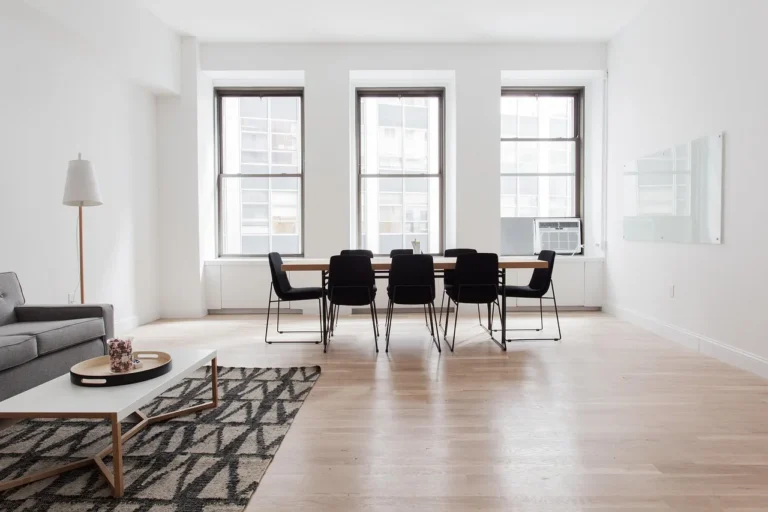
Minimalist Christmas Decor Ideas for Small Spaces
Decorate one focal point per room, keep pathways open, and let the rest of the space stay quiet. In a small home, the goal is not to fill every surface; it is to create one clear holiday moment and preserve circulation. If you want a practical rule, treat each zone as having a hard cap: one focal point, plus at most one supporting accent.
How do you decorate a small space for Christmas?


Decide your decor limit by zone
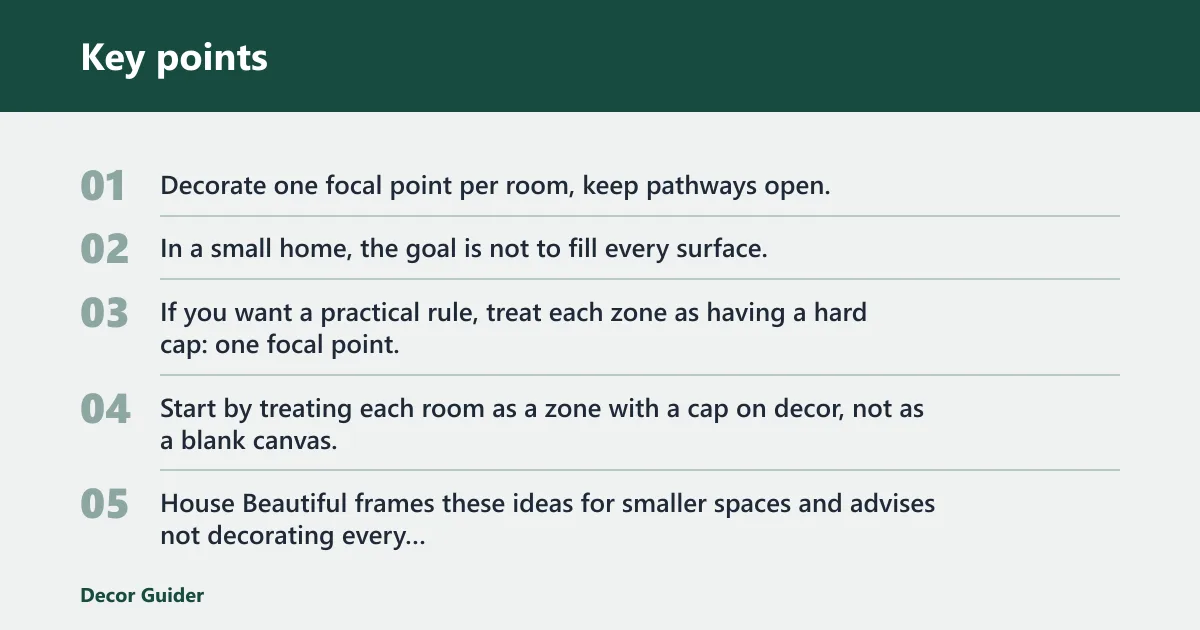
Start by treating each room as a zone with a cap on decor, not as a blank canvas. House Beautiful frames these ideas for smaller spaces and advises not decorating every inch of a home. That matters in apartments, where clear circulation and usable surfaces usually matter more than adding another object. For a renter-safe, low-clutter approach, set a zone limit before you shop or style.
A common rule of thumb is about one focal point plus one supporting accent per zone. If a zone is tiny, make the choice even stricter: tree only, or garland only, or a candle-and-greenery table moment. For a space that already feels busy, stop at the focal point. A apartment living room is often the best place to start because one corner, one surface, and one sightline usually do most of the work.
Choose one focal point per room
Pick the spot your eye lands on first, then let everything else stay quiet. In a living room, that might be a mini tree. In an entry, it might be a narrow console with a small garland and a candle. In a bedroom corner, it might be a single branch arrangement or a tiny tree on a stool. The best minimalist setups are usually the most obvious ones: one clear holiday cue, no competing theme.
Preserve walkways and sightlines
Keep decor out of hinge lines, door swings, and the main path between rooms. For a small home, the visual job is simple: let the holiday cue sit in one place and keep the rest open. That preserves flow and makes the room feel larger, not emptier. If a table blocks an easy pass, it is too large. If a garland hangs so low that people duck under it, it is too dense for the space.
Instead of relying on a hardcoded clearance number, use the traffic path as your guide: if people have to turn sideways, pause, or reach around the decor, the setup is too tight. For circulation and aisle planning, the American Planning Association notes that accessible routes need enough clear width to function comfortably in everyday use, which is a useful reminder even in a home setting. https://www.planning.org/accessibility/guide/section3.htm
What colors work best for a calm look?
Neutral colors work best when you want a minimalist Christmas look that stays calm and cohesive. Ivory, taupe, white, gold, and other metallics pair well with natural textures, and House Beautiful highlights neutral colors and natural tones for this style. Keep the palette tight so the room reads finished rather than scattered.
Build a neutral palette
Choose one base neutral and one accent metallic. Ivory and white create a clean backdrop. Taupe softens the look. Gold or brushed metal gives the holiday cue without adding visual noise. If your room already has warm wood or beige upholstery, stay close to those tones instead of introducing bright red or green.
Add metallic accents sparingly
Metallics work best in small amounts: a few ornaments, a slim candleholder, or one small tray. House Beautiful notes metallic accents as a way to enrich neutral Christmas decor. Keep the finish simple so the shine reads as a detail, not a second theme. If the metallic surface becomes the loudest thing in the room, scale it back.
Use natural texture to keep it warm
Neutral decor can turn flat if every surface is smooth. Add wood, linen, woven baskets, knit throws, or fur textures to bring depth into the room. Those materials support Scandinavian-inspired decor and keep a minimal room from feeling cold. A common first-timer mistake is using only white and silver on a bare shelf. The result can look sharp in a photo but unfinished at home. Add one wood object, one textile, or one woven piece to soften the edge.
Which tree works best in a small room?
A small-scale Christmas tree works best when floor space is tight. A mini tree, flocked tree, bare tree, or sparse tree saves room in apartments and needs fewer ornaments. Pair it with warm white lights so the tree feels festive without adding clutter. The same source suggests selecting a smaller or more bare tree, which is the right move when the room already has tight circulation or low storage.
Pick a mini or sparse tree
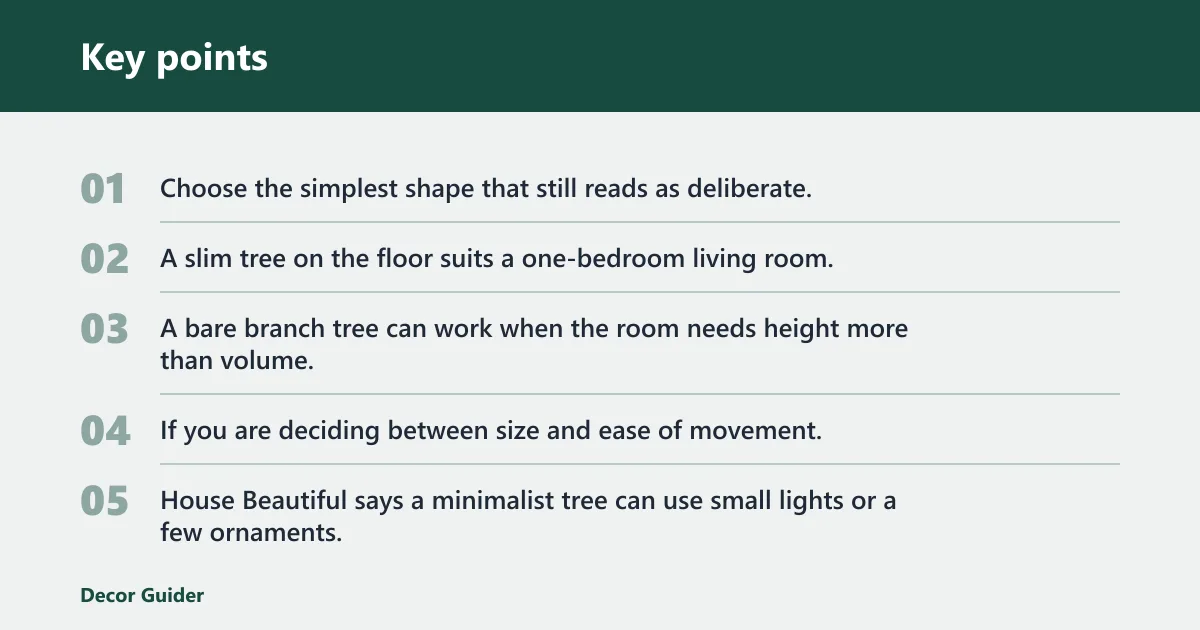
Choose the simplest shape that still reads as deliberate. A mini tree on a side table suits a studio. A slim tree on the floor suits a one-bedroom living room. A bare branch tree can work when the room needs height more than volume. If you are deciding between size and ease of movement, choose the tree that leaves the widest open route through the room.
Style it with fewer ornaments
The same source says a minimalist tree can use small lights or a few ornaments, and that limit is useful in small rooms. Two or three ornament groupings per visible side is often enough for a restrained look. If the tree already has flocking or a strong shape, reduce ornaments further. The goal is to let the tree’s silhouette do the work.
Use warm white lights instead of colored strands
Warm white string lights add glow without visual clutter. They work on trees, windows, and shelves, and they keep the room consistent when other decor stays neutral. Colored lights can work elsewhere, but they usually pull attention away from a minimalist scheme. For a small apartment, one light temperature across the room usually looks more cohesive than mixing multiple effects.
What is the best Christmas zone planner for a small space?
This table gives a hard limit for five common zones so you can decide faster. The goal is not to decorate every surface. The goal is to give each zone one clear holiday cue and leave the rest open.
| Zone | Recommended decor count | Best object size | Safe focal point |
|---|---|---|---|
| Entry | 1 to 2 pieces | Narrow, upright, or wall-adjacent | Simple garland on a mirror or door frame |
| Living area | 1 focal point plus 1 accent | Mini or slim tree; small tabletop pieces | Small-scale tree in a corner |
| Dining table | 1 centered grouping | Low and linear | Greenery with matching candleholders |
| Shelf | 2 to 3 items | Small, varied heights | One mini fir tree or one paper star cluster |
| Bedroom corner | 1 piece | Smallest scale possible | Mini tree or a vase with berry branches |
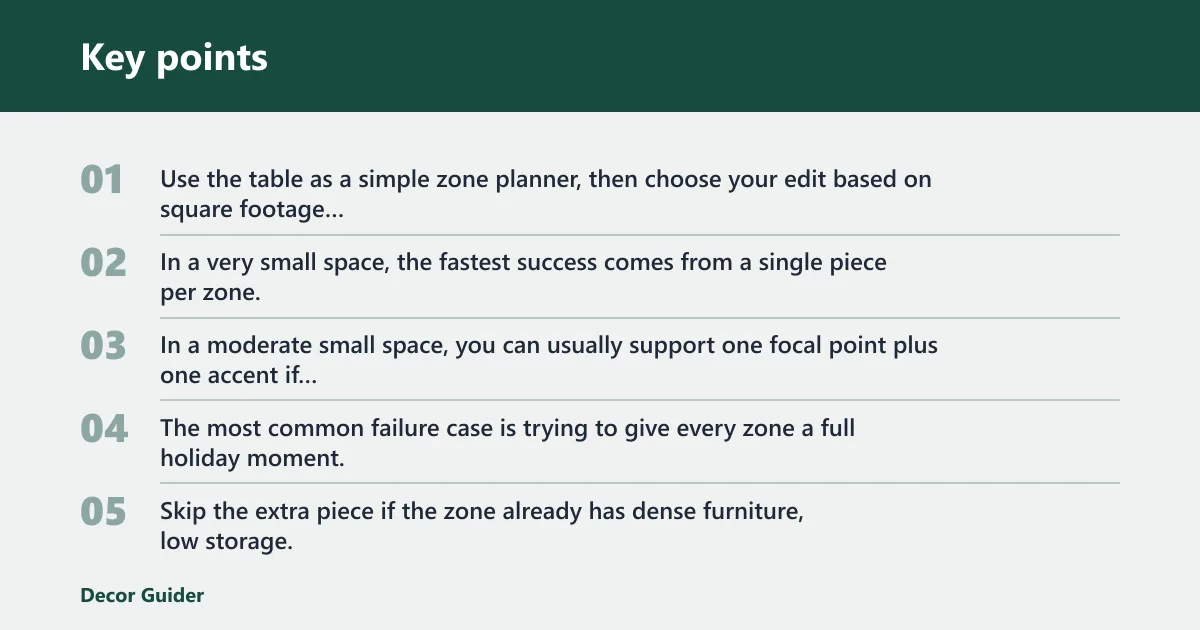
Use the table as a simple zone planner, then choose your edit based on square footage and storage effort. In a very small space, the fastest success comes from a single piece per zone. In a moderate small space, you can usually support one focal point plus one accent if you keep the rest of the room plain. The most common failure case is trying to give every zone a full holiday moment; the room ends up feeling busy instead of coordinated. Skip the extra piece if the zone already has dense furniture, low storage, or a narrow walking route.
Use square-footage bands to decide faster
In a studio or micro-apartment, keep to one zone at a time: tree only, shelf only, or mantel only. In a one-bedroom with more wall space, one focal point plus one secondary accent can work if the pieces are small and visually related. In any room where storage is already tight, prefer decor that stacks flat or tucks into a bin easily. If the cleanup plan feels complicated before you even style the room, the setup is probably too ambitious.
Add renter-safe mounting notes
For renters, choose pieces that lean, rest, clip, or sit rather than mount permanently. Garland can drape over a mirror or lie across a shelf without hardware. A mini tree can sit on a stool, side table, or plant stand instead of needing a wall hook. Skip anything that requires drilling, nails, or adhesive you do not want to remove later. If a setup depends on permanent hardware to work, it is not the right choice for a small rental.
Know when to skip the zone
Skip a zone entirely if it creates friction with the room’s daily use. A dining table used for meals or homework should not be overloaded with objects. A bedroom corner that already holds a chair, hamper, or fan may need to stay undecorated. The cleanest rooms are often the ones that leave one or two zones intentionally empty.
How do you style greenery without crowding the room?
Use greenery as a line, not a layer. A loose garland on a mantel, mirror, door frame, or table gives the room a holiday cue without covering every edge. The same source recommends greenery, plants, fruits, and winter branches, and also suggests a simple garland for an archway.
Use loose garland placement
Choose pine, eucalyptus, cedar, or mixed evergreens, then keep the shape airy. Let a few stems fall naturally. Leave visible wall or surface around it. That breathing room is what keeps the arrangement minimalist instead of heavy.
House Beautiful also notes that a natural garland made of pine cones and branches suits minimalist frames and mantles. That kind of piece is useful when you want one line of decor that can be stored flat and brought out again next year.
Frame mirrors, mantels, and doors
Use greenery where architecture already creates a border. A mirror can hold a thin swag. A mantel can carry one centered garland with open space on both sides. A door frame works well with a simple overhead line because it adds holiday presence without taking floor space.
Mix evergreen types for variation
Mixing pine, eucalyptus, cedar, or mixed evergreens gives enough variation to feel complete without piling on more decor. Keep the mix subtle. One type can dominate, and another can read as texture. That keeps the arrangement from looking overworked. If the greenery looks thicker than the furniture line it sits against, reduce the amount.
How can you make a small space feel cozy?
Warmth comes from texture, light, and a few soft forms. Use wood, linen, woven baskets, knit throws, and fur textures to keep the room comfortable. Then add candles, simple holders, and a few mini accents so the space reads festive without losing its calm.
Layer wood, linen, and woven pieces
Natural textures matter because they stop a minimalist room from feeling bare. A wooden tray, a linen runner, or a woven basket can hold a holiday arrangement while still fitting the style. These materials work especially well with neutral and metallic decor.
Add candles and candleholders
Candles and candleholders work best as tabletop or mantel accents. Matching holders or simple holders keep the line tidy. They pair well with greenery because the forms are already different: soft foliage beside a straight candleholder looks intentional without needing more objects.
Suppose a dining table is narrow and seats four. One low greenery runner with two matching candleholders can be enough. Add a third object only if the table still leaves open space for plates and serving pieces. If the centerpiece starts competing with dinnerware, scale it down.
Use mini accents on trays and windowsills
Mini accent decor fits where larger pieces would crowd the room: windowsills, trays, and tabletops. Use mini fir trees, small ornaments, paper stars, or berry branches. Keep the grouping tight so the eye reads a cluster, not a collection.
A good rule is to keep mini accents at one height range and one material family. A tray with a mini tree, one paper star, and one berry branch looks cleaner than a tray with five different objects competing for attention.
What are the best simple setups for apartments and rentals?
Apartment decor needs to respect storage, rental rules, and traffic paths. Choose setups that leave walls and floors easy to use, and avoid anything that requires permanent mounting. House Beautiful’s small-space guidance fits that approach because it keeps the scheme light and selective.
Tree-only setup
This is the best option when storage is limited or the room already has enough visual detail. Place a mini or sparse tree in one corner, use warm white lights, and stop there. The setup works well in studios because it gives you one clear holiday cue.
Greenery-only setup
If floor space is tight, skip the tree and use garland instead. Frame a mirror, lay a short garland down a console, or add a simple line across a mantel. This option suits renters who want a holiday look without adding another object to store.
Hybrid setup
A hybrid setup combines a small tree with one greenery moment elsewhere, such as a mantel or entry mirror. Choose this if the room still feels too plain with just one item. Keep both pieces restrained so the room gets warmth without a crowded feel.
The best choice often depends on how much open floor remains after furniture placement. If the room already feels full, start with greenery only. If the room feels open but plain, add the small tree and keep the rest simple. If you need a quick edit rule, remove one object from every surface before adding anything new.
What are the most common small-space Christmas decor mistakes?
The most common mistakes are too many colors, too many small objects, and pieces that block daily movement. In a small room, visual clutter usually starts when decor is spread across every surface instead of being concentrated in one or two areas. The fix is usually to reduce count, narrow the palette, and simplify the silhouette.
Don’t scatter decor across every surface
When every shelf, table, and corner gets one different item, the room loses focus. A stronger edit is to style one surface well and leave the others quiet. That approach gives the room a planned look instead of a collected-over-time look.
Don’t mix too many themes
Minimalist Christmas decor works best when one style leads. Neutral and metallic, Scandinavian-inspired, or natural greenery each work well on their own. If you mix all three at full strength, the room can feel overdesigned. Pick one direction, then repeat it in small ways.
Don’t choose decor that fights furniture
A piece that is too tall, too wide, or too dense can make the room feel smaller. Keep the scale close to the surrounding furniture and let the furniture stay functional. If a decor piece needs constant adjustment to make the room usable, it is the wrong fit.
Frequently asked questions
How do I decorate a small space for Christmas without making it feel cluttered?
Limit each zone to one focal point and one small supporting piece. Keep circulation open, skip oversized decor, and leave some surfaces empty. If the room already has strong furniture or textiles, use greenery or lights instead of adding more objects.
What are the best minimalist Christmas decor ideas for apartments?
The best options are a mini or sparse tree, a loose garland on a mantel or mirror, warm white string lights, and a few candleholders. These pieces fit small rooms, store easily, and do not rely on permanent installation, which makes them renter-friendly.
How can I make my Christmas decor look cozy but simple?
Use a neutral palette, then add texture through wood, linen, woven baskets, knit throws, or fur textures. Finish with candles and one or two mini accents. That mix keeps the room warm while avoiding a crowded surface or a heavy color story.
What colors work best for minimalist Christmas decor?
Ivory, taupe, white, gold, and other metallics work well because they stay calm and cohesive. If you want more depth, add natural tones from greenery, wood, or linen rather than brighter colors. The result is flexible and easier to reuse from room to room.
What can I use instead of a full Christmas tree in a small space?
Try a mini tree, a sparse tree, a bare branch arrangement, or a greenery-only setup. These options save floor space and still give the room a holiday cue. If the room is especially tight, a simple garland or a tabletop tree may be enough.
How do I style a mantel or table for minimalist Christmas decor?
Use one low, centered grouping. On a mantel, that can be greenery with simple candleholders. On a table, it can be a short runner with candles and one natural accent. Keep the composition low so the surface still works for daily use.
Sources
House Beautiful guidance on small-space holiday decorating, neutral palettes, greenery, and sparse trees informed the style recommendations in this article. For circulation and clear-route guidance, see the American Planning Association accessibility guide: https://www.planning.org/accessibility/guide/section3.htm
Products related to this article
Sponsored / affiliate links. As an Amazon Associate I earn from qualifying purchases. I may earn additional commission from eligible campaigns.