Leather Vs Polyester Sofa: Which Is Best for Your Living Room?
When you choose a sofa, you make a decision that shapes your living space for years. Two popular materials, leather and polyester, dominate the market, each with clear advantages and drawbacks. Many shoppers feel stuck between the classic luxury of leather and the modern practicality of polyester. If you want a comfortable, attractive, and long-lasting sofa, you must understand how these materials fit your needs, lifestyle, and budget. This guide gives you a clear, balanced look at both options. You’ll find real-world advice, hidden considerations, and practical comparisons that help you choose the right sofa for your home.
What Is A Leather Sofa?
A leather sofa is made using animal hide, usually cowhide. The leather is processed, tanned, and dyed to create a tough, flexible cover. Leather sofas are famous for their rich look, smooth feel, and unique scent. They come in many types, from full-grain to bonded leather, and each has its own level of quality and price.
Genuine leather is considered a luxury material. It is often used in high-end furniture for its durability and timeless style. Some leather sofas use only top-grain or full-grain leather, which are the highest quality, while others use split or bonded leather to reduce costs.
What Is A Polyester Sofa?
A polyester sofa features upholstery made from synthetic polyester fibers. Polyester is a man-made material that is strong, lightweight, and easy to produce in different colors and textures. It is often used alone or blended with other fabrics, such as cotton or nylon, to make upholstery that is soft, affordable, and practical.
Polyester sofas are popular in homes with kids or pets because they resist stains and fading. Technology has improved polyester’s texture and appearance, so modern options can look and feel surprisingly like natural fabrics.
Visual Appeal And Style
The appearance of your sofa sets the tone for your entire room. Leather and polyester offer very different looks, and each suits different tastes and styles.
Leather sofas often have a deep, rich color and a natural sheen. The grain and small imperfections add character, making each piece unique. Over time, leather develops a patina, a soft shine that comes from regular use. This aging process is prized by many homeowners because it adds warmth and story to the furniture.
Polyester sofas offer endless variety. Because polyester is easy to dye and weave, you can find sofas in almost any color, pattern, or texture. Whether you want a bright yellow accent piece or a neutral gray for a modern look, polyester gives you options. The fabric holds its color well, so your sofa will look fresh longer.
Pro Tip: If you want a classic, formal space, leather is hard to beat. For playful, trendy, or highly personalized rooms, polyester’s flexibility wins.
Comfort And Feel
A sofa should be comfortable for daily use. The upholstery material affects how the sofa feels against your skin and how it reacts to temperature.
Leather is cool to the touch, especially in air-conditioned rooms, but it warms up quickly with your body heat. In hot climates, leather can feel sticky, and in winter, it might be chilly at first. Over time, leather becomes softer and more flexible. Some people love the smooth, cool feel, while others find it less cozy than fabric.
Polyester is usually soft and warm. It feels comfortable in all seasons and does not get sticky in heat or cold in winter. The weave and texture can vary, from plush velvets to smooth twills. Polyester does not stretch or sag easily, so the cushions stay supportive.
In my experience, if you plan to nap on the sofa or want a “sink-in” feel, polyester is more forgiving and comfortable for long stretches.
Durability And Longevity
How long will your sofa last? This depends on the material’s strength, its resistance to wear, and how it handles daily life.
Leather Durability
- Natural resistance: Leather resists tearing and punctures better than most fabrics.
- Aging: Good-quality leather gets better with age, developing a patina instead of fading.
- Weak points: Leather can scratch, especially from pets’ claws, and may crack if not conditioned.
Polyester Durability
- Synthetic strength: Polyester fibers resist stretching, shrinking, and wrinkling.
- Stain resistance: Most polyester sofas have a stain-resistant finish, but some liquids can still penetrate if not cleaned quickly.
- Wear: Polyester can pill (form small balls of fiber) after heavy use, especially cheaper blends.
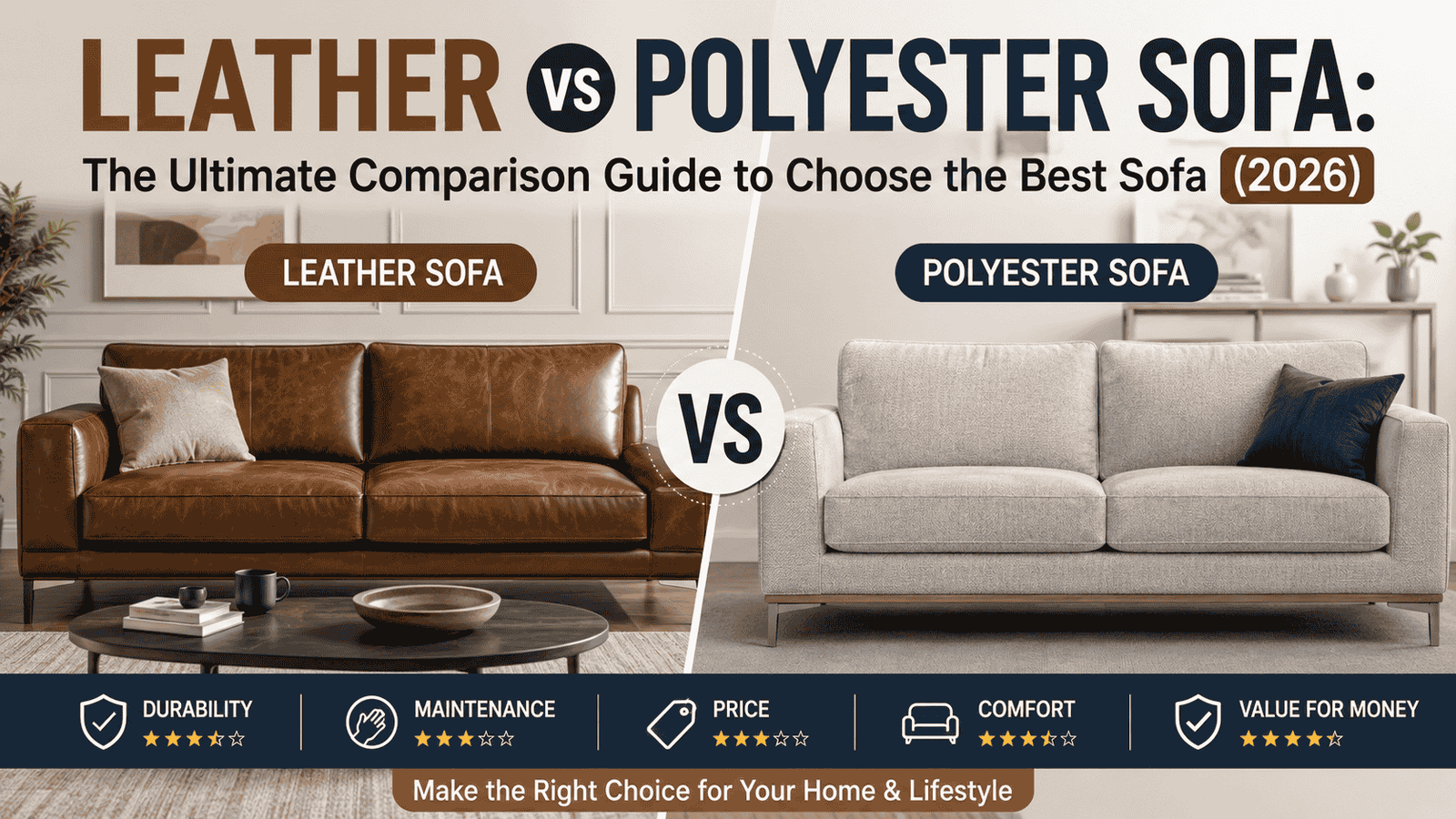
Here’s a comparison to help you visualize the differences:
| Feature | Leather Sofa | Polyester Sofa |
|---|---|---|
| Expected Lifespan | 10-20 years (with care) | 5-10 years |
| Scratch Resistance | Moderate | High |
| Fading | Minimal (indoors) | Low (with UV treatment) |
| Pilling | None | Possible |
If you want a sofa that can last decades, leather is the winner. But if your home is busy with kids or pets, polyester’s resistance to daily wear may be more practical.
Maintenance And Cleaning
No one wants a sofa that’s hard to clean. Here’s how the two materials compare:
Leather Cleaning
- Wipe with a soft, damp cloth for daily dust and spills.
- Use leather cleaner and conditioner every 6-12 months.
- Avoid harsh chemicals or too much water, which can dry out the leather.
Polyester Cleaning
- Most stains can be cleaned with mild soap and water.
- Some polyester covers are removable and machine washable, check the label.
- Avoid bleach or abrasive cleaners, which can damage the fibers.
Warning: Leather is sensitive to direct sunlight and heat. Place your leather sofa away from sunny windows and radiators to prevent drying and cracking.
For busy families, polyester wins in terms of low-fuss cleaning. Leather requires regular care to keep it looking its best, but for small spills, it’s often easier to wipe clean than fabric.
Credit: sofasexpert.com
Cost And Value
Price is often the deciding factor. Leather and polyester sofas sit at different points on the cost spectrum.
- Leather sofas are usually more expensive, sometimes two to three times the price of a polyester sofa of similar size and style. The cost reflects the material, skilled labor, and the long lifespan.
- Polyester sofas are budget-friendly. They offer attractive designs at a lower price, making it easy to change your décor or replace the sofa after several years.
But value is more than just the price tag. Consider the total cost over the sofa’s lifespan. A leather sofa may cost more upfront but can last twice as long as a polyester one, especially with good care.
Sustainability And Environmental Impact
Many buyers now consider the environment when choosing furniture.
- Leather is a natural material, but its production has a large carbon footprint. Processing hides uses chemicals and lots of water, and it raises concerns about animal welfare. Some brands now use vegetable tanning and source hides from the food industry to reduce impact.
- Polyester is made from petroleum, a non-renewable resource. It’s not biodegradable, but some polyester is now recycled from plastic bottles. This reduces waste, but the fabric still sheds microplastics during washing.
If sustainability is important to you, ask about the source of the leather or look for sofas with recycled polyester. Both materials have trade-offs, so make the choice that fits your values.
Suitability For Kids And Pets
Households with kids and pets need furniture that stands up to spills, messes, and rough use.
- Leather: Pet hair does not stick, and dirt wipes off easily. However, claws and sharp objects can leave scratches. Leather is easy to disinfect, but stains from ink or colored drinks can be hard to remove.
- Polyester: Most polyester sofas have stain-resistant finishes and are less sensitive to scratches. However, pet hair can cling to the fabric, and some stains may penetrate if not cleaned quickly.
If you have young children or energetic pets, polyester is often the better choice. For older children or well-behaved pets, leather can work well, especially if you choose a distressed finish that hides scratches.
Allergies And Health
Your sofa can affect your indoor air quality and allergy symptoms.
- Leather is hypoallergenic. Its smooth surface does not trap dust, pet dander, or allergens, making it ideal for allergy sufferers.
- Polyester can trap dust and pet hair, especially with plush or textured weaves. However, regular vacuuming reduces this problem.
If allergies are a concern, leather is usually the safer bet. For polyester sofas, choose a tight weave and clean often.
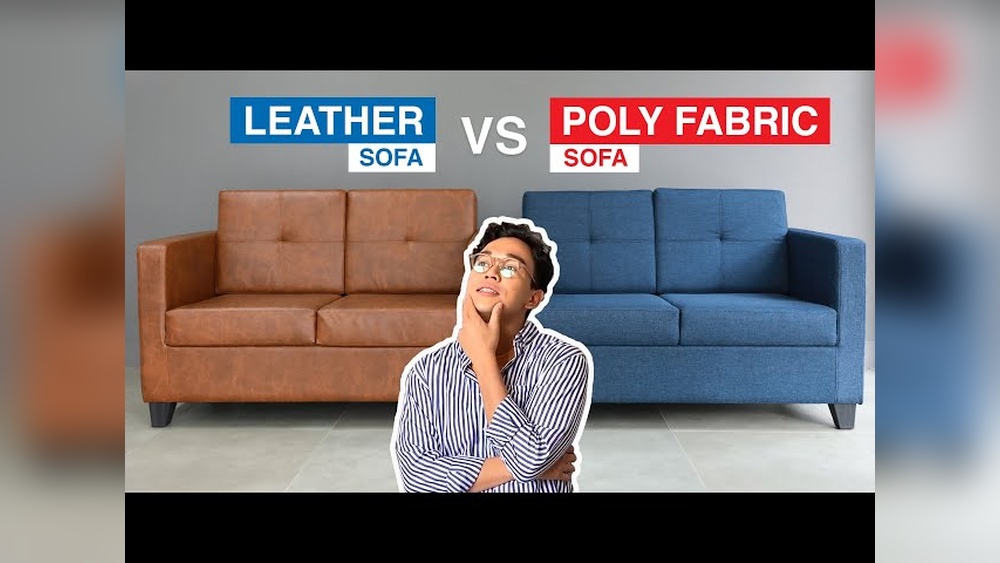
Credit: www.youtube.com
Temperature And Climate Suitability
Where you live affects which sofa material will work best.
- Leather can feel cold in winter and hot in summer. Air conditioning or strong sunlight can dry out the leather, causing cracks.
- Polyester is more stable in all temperatures. It does not get too cold or hot and does not react to humidity.
If your home has big temperature swings, polyester is more comfortable year-round.
Color And Pattern Options
Your style might call for a bold color or a specific pattern. Here’s how the materials compare:
- Leather is usually available in classic shades, black, brown, tan, cream, and sometimes red or navy. Patterns are rare.
- Polyester comes in every color and pattern you can imagine. From bright prints to subtle textures, you’ll find more options for matching your décor.
If personalization is key, polyester gives you the widest choices.
Resale Value
Some buyers plan to upgrade or move often and wonder if their sofa will keep its value.
- Leather sofas hold value well, especially high-quality brands and classic styles. A well-cared-for leather sofa can still look great after 10 years.
- Polyester sofas usually have little resale value. Because they are inexpensive and wear out faster, most people buy them new.
If you think you’ll sell your sofa in the future, leather is a smarter investment.
Common Myths And Hidden Insights
Many shoppers believe some myths about sofa materials. Here are a few things beginners often miss:
- Leather does not always mean luxury. Low-quality “bonded leather” peels and cracks quickly. Always ask what type of leather is used.
- Polyester does not always mean cheap. Some high-end brands use advanced polyester blends for soft, durable, and beautiful sofas.
- Sunlight matters. Both leather and polyester can fade, but leather suffers more from direct sun. Place sofas wisely.
- Blends exist. Many sofas use both materials, leather on seats and polyester on the sides or back. This can lower the price without losing the look.
Real-world Examples
When I tested a high-quality leather sofa in a friend’s home, I noticed it looked even better after a few years of use. The surface was softer, and the color richer. But their cat’s claws left small marks.
My own polyester sofa has survived juice spills, muddy shoes, and lots of naps. The color is just as bright as the day I bought it, but after several years, the cushions show some pilling and the fabric feels thinner.
Comparing Leather And Polyester At A Glance
Here’s a quick reference to help you make your decision:
| Feature | Leather Sofa | Polyester Sofa |
|---|---|---|
| Look & Feel | Luxurious, classic, unique grain | Modern, colorful, varied textures |
| Comfort | Cool, smooth, softens over time | Warm, soft, consistent |
| Maintenance | Requires conditioning, easy to wipe | Low-maintenance, stain-resistant |
| Cost | High initial cost | Affordable |
| Allergies | Hypoallergenic | Can trap dust |
| Pet/Kid Friendly | Resists spills, scratches easily | Stain-resistant, resists scratches |
| Eco Impact | High (unless eco-tanned) | Medium (if recycled) |
| Lifespan | Long (10, 20 years) | Medium (5, 10 years) |
How To Choose: Key Questions To Ask Yourself
Before you buy, consider these questions:
- How long do you want to keep the sofa? For 10+ years, consider leather. For shorter periods or frequent redecorating, polyester fits better.
- Who will use the sofa? Kids and pets may do better with polyester. Adults or older children might enjoy leather’s feel.
- What is your budget? If you want to invest, leather is a good choice. For tighter budgets, polyester gives you style without the high price.
- How much time will you spend on maintenance? Leather needs regular care. Polyester is lower-maintenance.
- Do you have allergies? Leather helps keep dust and dander to a minimum.
- Is sustainability important? Look for recycled polyester or eco-friendly leather.
Example: If you have a busy family with young kids, a polyester sofa in a medium color will hide stains and require little care. If you want a statement piece for a formal living room, a leather sofa makes a strong impression.
Practical Buying Tips
- Sit on the sofa in the store. The feel of leather and polyester is very different.
- Check the frame and construction. Strong wood frames last longer than particleboard, no matter the upholstery.
- Ask for swatches. See how the material looks in your home’s light.
- Read the care label. Some polyester covers are not machine washable.
- For leather, ask about the type, full-grain, top-grain, split, or bonded, and choose the highest quality within your budget.

Credit: furniture-store.shopurbanstyles.com
When To Choose Leather
Pick leather if you want:
- A timeless, elegant look
- Long lifespan and durability
- Hypoallergenic surfaces
- High resale value
When To
Products related to this article
Sponsored / affiliate links. As an Amazon Associate I earn from qualifying purchases. I may earn additional commission from eligible campaigns.