How Many Bed Bugs Are in a Bed? Essential Facts
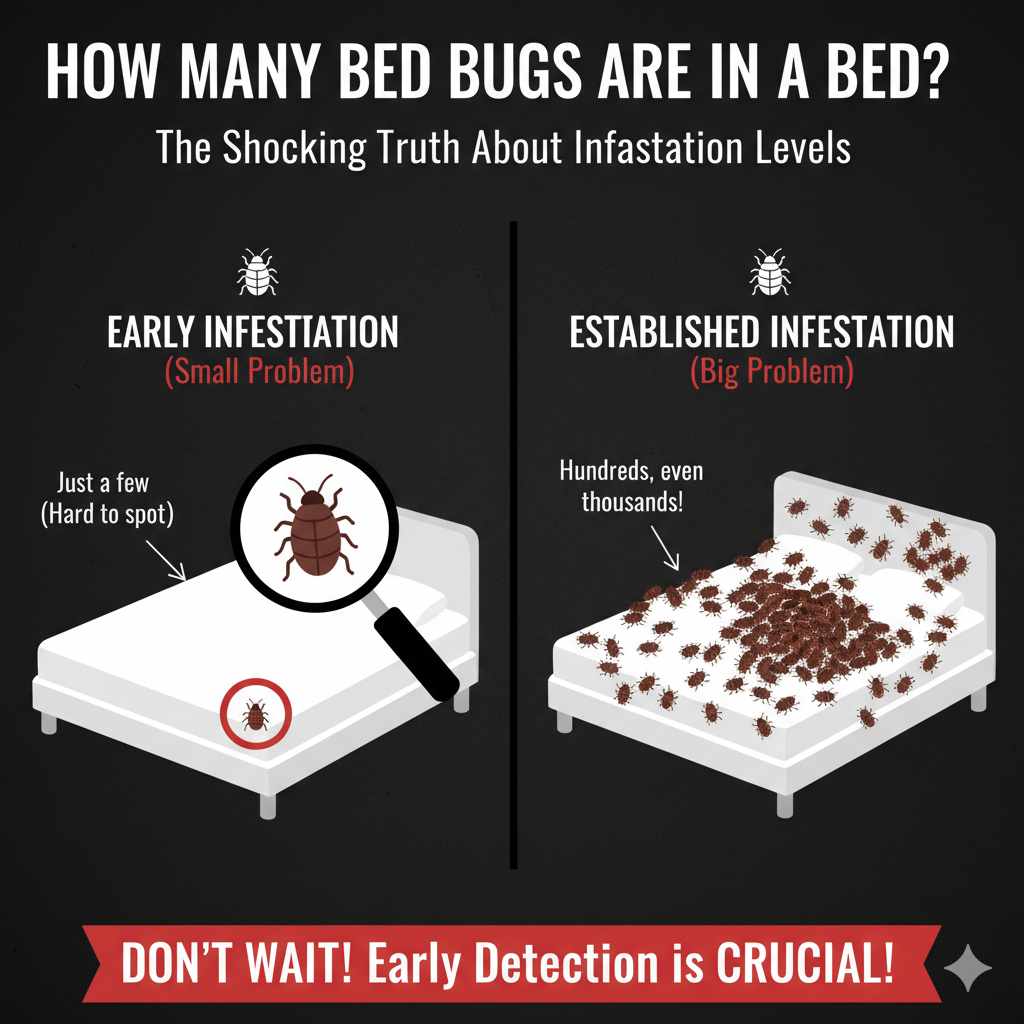
It is impossible to give an exact number for how many bed bugs are in a bed, as infestations vary widely—from just a few hidden adults to hundreds of bugs and eggs. Any sighting means you likely have more bugs hiding nearby in furniture or cracks.

Ortho
Ortho Home Defense Max Bed Bug, Flea…
- READY-TO-USE APPLICATOR: Apply this bed bug spray for homes using the included Comfort Wand to target tight and hard-to-reach plac…
- BED BUG KILLER: Kill bed bugs, bed bug eggs, fleas and ticks with Ortho Home Defense Max Bed Bug, Flea & Tick Killer
- BED BUG SOLUTION SYSTEM: This indoor bug spray is a Step 2 product in the Ortho Bed Bug Solution System; use with Step 1: Detect a…
As an Amazon Associate I earn from qualifying purchases.
Finding bed bugs feels like a terrible surprise, especially discovering them where you should feel safest: your own bed. You look at one small bug and wonder, “How bad is this? Are there 5, 50, or 500 hiding right now?” It is a stressful question, but understanding the reality helps you move forward confidently.
Don’t worry; we will break down what a typical infestation size looks like for beginners. We will show you where to look, what the numbers usually mean, and exactly how to take control of the situation. Anyone can handle this with the right facts at hand!
Decoding the Mystery: How Many Bed Bugs Are Actually in a Bed?
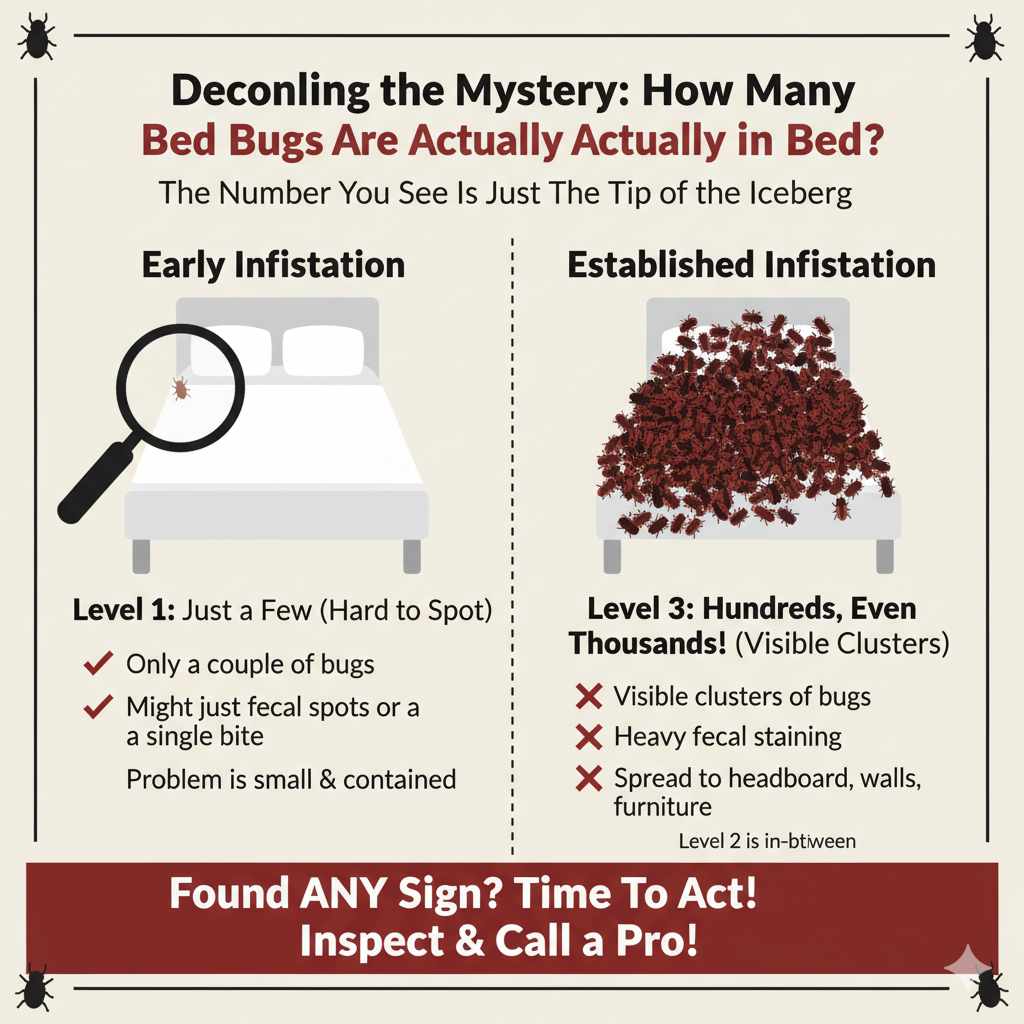
When you ask, “How many bed bugs are in a bed?” you are asking the right question, but the answer is rarely simple. Bed bugs are masters of hiding, and the number you see is almost never the total number present. Think of it like seeing the tip of an iceberg—you only see a fraction of what’s submerged.
The true count depends entirely on how long the infestation has been ignored and the environment of your home. A brand-new problem might only have a couple of bugs. A long-standing, hidden problem could have hundreds, easily spreading from the mattress seams to the headboard and beyond.

The Infestation Spectrum: From New to Severe
To give you a helpful guide, we break down infestations into manageable stages. This helps you gauge what you are likely dealing with before you even start searching. Remember, these are estimates, but they give you a solid baseline.
- Level 1: Hitchhiker or Early Stage: This is when you’ve just brought them home, maybe from travel or a used piece of furniture. You might find one or two adults, maybe a tiny shed skin (exoskeleton), or a few scattered eggs. The total count might be less than 10 insects.
- Level 2: Established Population: This is where the bugs have settled in and are actively breeding. You will start seeing small clusters of bites and more noticeable signs (fecal spots). You could easily be looking at 20 to 50 individual bugs (adults, nymphs, and eggs) concentrated in or immediately around the bed frame and mattress.
- Level 3: Heavy Infestation: If you’ve ignored the problem for several months, the population explodes. The entire bed frame, surrounding furniture, and even nearby electrical outlets might be harboring bugs. Numbers can easily climb into the hundreds, making professional treatment essential because they are too widespread for simple DIY fixes.
Why Seeing One Bug Doesn’t Mean “Just One”
This is perhaps the most important fact for beginners to understand: Bed bugs are nocturnal and secretive. They only come out to feed (usually while you are asleep). They spend the rest of their time deep inside cracks and crevices.
When you spot one bug during the day, it generally means that life has become too crowded in their hiding spots. They are literally being pushed out into the open because the population has grown beyond what their hidden spaces can hold. If you see one, assume there are many more you haven’t located yet.
Where Do Bed Bugs Hide Besides the Mattress?
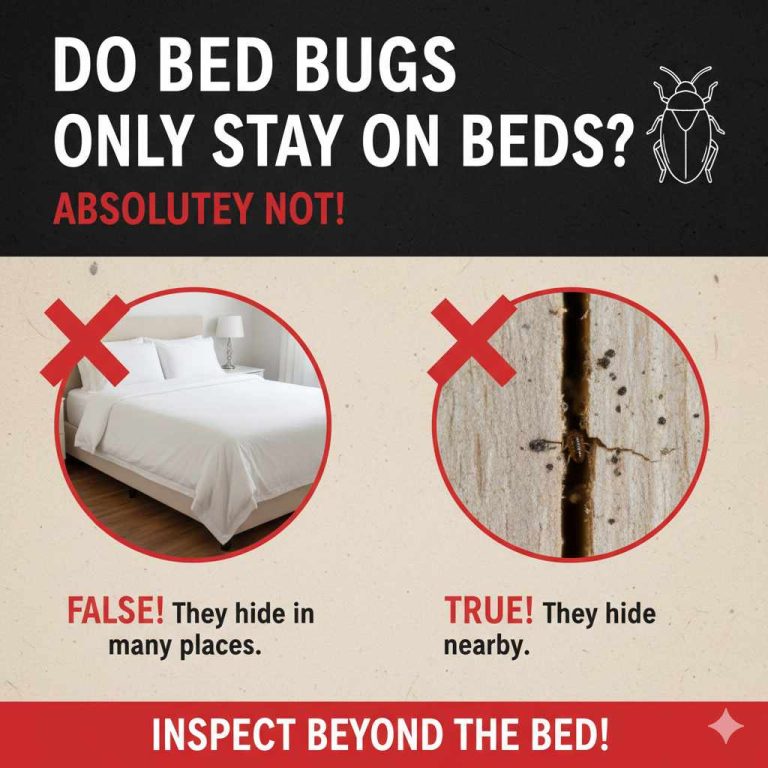
Your focus should not just be on the mattress itself. Bed bugs spread their population throughout their immediate shelter zone. If you suspect bugs in your bed, you must inspect the entire sleep system, often called the “bed zone.”
The Bed Structure Inspection Checklist
Use a bright flashlight and a credit card or stiff piece of plastic to gently probe gaps—never use your fingers first!
- Mattress Seams and Piping: Look closely at every stitch, welt cord, and fold on the top and bottom of the mattress. This is prime real estate for them.
- Box Spring Crevices: This is the favorite hiding spot. Flip the box spring over and inspect the dusty corners where the fabric stapling meets the wood frame.
- Bed Frame Joints and Screws: Dismantle the bed frame if possible. Bed bugs love the tight, dark spaces where metal or wood pieces screw together.
- Headboard Backing: If your headboard is attached to the wall or has fabric backing, check behind it thoroughly.
- Nightstands and Dressers (Closest Furniture): Bugs often move to the nearest structure first. Check drawer slides, joints, and under the bottom surface of tables placed within three feet of the bed.
For more detailed identification and inspection techniques, resources like the Centers for Disease Control and Prevention (CDC) on Bed Bugs offer reliable, science-backed guidance on finding and confirming an infestation.
Counting the Hidden Life Cycle Stages
The total “number” of bugs isn’t just adults. A healthy, reproducing infestation includes several life stages, and counting only the large ones misses developing populations.
Bed bugs go through five nymph stages (young bugs) before becoming adults. Each nymph stage requires a blood meal to grow and shed its skin. This means you might find five different sizes of bugs, plus eggs.
Life Cycle Components in Your Bed
| Life Stage | Appearance | Significance to Count |
|---|---|---|
| Eggs | Tiny (pinhead size), pearl-white | Difficult to see; each egg represents a future bug. |
| Nymphs (Instars 1–5) | Translucent, pale yellow; get reddish after feeding | These are actively growing and hiding in tight spaces. |
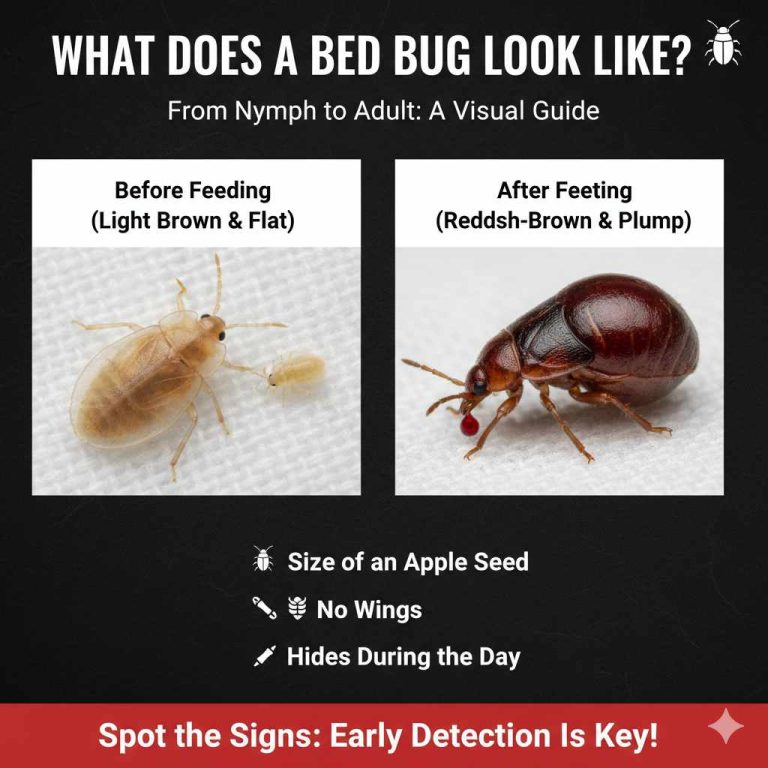
| Adults | Flat, reddish-brown, apple-seed sized | The most visible stage, usually the first thing people spot. |
If you find one adult, you must assume there are dozens of nymphs and eggs close by waiting to hatch or grow. The eggs are especially tough to count because they are sticky and hidden deep in fabric weaves or wood pores.
How Long Until a Few Bugs Become Hundreds?
Understanding the speed of reproduction is key to realizing why even a small problem needs immediate attention. Bed bugs reproduce quickly when conditions are ideal (warm and regular access to blood meals).
An adult female bed bug can lay between one and five eggs per day. Over a month, this single female can produce 30 to 150 new bugs! If you have five breeding females, the numbers multiply rapidly.
It typically takes about 5 to 8 weeks for an egg to mature into a biting adult, depending on the temperature. This means that when you spot that first adult, the next generation is already minutes away from hatching. This compounding effect is why professional strategies often focus on heat and residual treatments capable of catching bugs at all stages.
Factors That Speed Up Population Growth
- Consistent Heat: Warmer rooms (like those kept at 70°F or higher) speed up the life cycle.
- Available Food Source: If people are in the bed every night, the bugs feed regularly, breed more frequently, and mature faster.
- Hidden Hiding Spots: More cracks and crevices mean more places for eggs to be laid safely outside the main frame, leading to successful hatching rates.
Practical Steps: How to Estimate Your Infestation Level
Since you cannot realistically count every single bug, you need practical ways to gauge the size of the problem so you can decide if you need heavy-duty supplies or immediate professional help. We use visual evidence rather than counting.
Step 1: The Visual Search (Low-Tech Count)
The goal here is not perfection, but confirmation of density. Use thin, white painter’s tape or clear packing tape, sticky-side out, and briefly press it along seams and crevices you suspect are hiding bugs.
- Focus on the head/foot of the mattress and the inner seams of the fitted sheet.
- Carefully peel the tape off and examine it under a bright light or magnifying glass.
- If the tape catches five or more bugs (of any size), you are moving into a Level 2 or worse situation.
Step 2: Checking for Fecal Matter (The Black Dots)
Fecal spots are the dried, digested blood the bugs excrete. These are often a better indicator of population density than the bugs themselves, as they don’t move!
Use a slightly damp white cloth or a cotton swab dipped in water to gently wipe suspect areas (like mattress piping or the wood under the bed frame). If the dark spots smear and turn reddish-brown, this confirms active feeding nearby.
Density indicator:
- A few isolated spots: Likely Level 1.
- Spots visible along long seams and clustering near corners: Level 2 or higher.
- Spots covering large areas of the wooden box spring seams: A serious infestation requiring thorough treatment.
Step 3: Monitoring Traps (The Best Gauge)
The most accurate way to gauge the current activity level is by using interceptor traps—small plastic dishes placed under each leg of the bed frame. These traps stop bugs from climbing up or down, catching them as they move between the bed and you.
Leave these traps in place for two weeks without moving or cleaning them. Then, count what you caught. This count gives you a much better picture of how many bugs are actively using the bed as their primary harbor.
If you catch 10 bugs or more in the traps over two weeks, you have a well-established population that needs aggressive, systematic treatment.
Bed Bug Numbers in Different Dwelling Types
Where you live changes the expected number of bugs you might find. A single-family home might contain the infestation to one room initially, while multi-unit buildings allow rapid spread.
Apartments vs Single-Family Homes
| Dwelling Type | Typical Initial Spread Reason | Expected Number Range (If Untreated) |
|---|---|---|
| Apartments/Condos | Spread through shared walls, plumbing chases, or electrical outlets. | Often starts small in one unit but spreads quickly to adjacent units if not contained. |
| Hotels/Dorm Rooms | Transported via luggage from previous guests; often concentrated around the bed. | Can be high due to rapid turnover, but often easier to isolate to one room. |
| Single-Family Home | Usually introduced via brought-in furniture, luggage, or guests. | Tends to stay localized to the primary sleeping area initially, allowing slow growth if ignored. |
If you live in a multi-unit dwelling, it is crucial to notify management or neighbors quickly. Bed bugs do not respect property lines, and your success depends on coordinated effort across the building structure. You can learn more about shared living situations via reputable public health guidelines.
Tools to Help You Assess the Situation Safely
When dealing with pests, safety first! You need the right gear to inspect effectively without disturbing or spreading the bugs further.
Essential Inspection Gear
- Bright LED Flashlight: Bed bugs prefer darkness, so a strong, focused light pierces their hiding spots.
- Magnifying Glass or Smartphone Camera Zoom: Essential for discerning tiny nymphs or eggs from dust/debris.
- Stiff Plastic Scraper or Credit Card: Used to gently pry open seams or scrape material without damaging the surface too much.
- Ziploc Bags or Sealable Containers: If you find evidence, seal it immediately for disposal or expert identification.
- Protective Gloves and Mask (Optional but Recommended): Protect your skin and lungs from dust/mold in hidden areas, and manage psychological stress.
Remember, when you pull furniture away from the wall for treatment, do so carefully. Do not drag the bed across the floor if you suspect bugs are underneath, or you might carry them into other rooms!
What to Do Once You Have an Estimate
Once you have looked around and have a rough idea of the scale—whether it is a few tiny specks or clear clusters—your next steps are focused on containment and elimination. Confidence comes from action!
If You Think the Count is Low (Level 1)
If you find only one or two bugs and very little other evidence (like spotting only two fecal dots), you can attempt a focused DIY approach while preparing for professional intervention.
Immediate Actions:
- Encase the mattress and box spring in high-quality, certified bed bug-proof encasements. These trap any bugs inside, starving them out.
- Launder all bedding, curtains, and clothing in the room using the hottest settings available (washing and drying for a minimum of 30 minutes on high heat).
- Use a steam cleaner that reaches at least 160°F on the mattress seams and baseboards.
If You Suspect a Moderate or High Number (Level 2 or 3)
When sightings are frequent, you have visible clusters, or you’ve found significant fecal staining, it is time to call a certified Pest Management Professional (PMP).
Why Pro Help is Better for Larger Counts:
- Professionals have access to more powerful tools, such as whole-room heat treatments, which can eliminate bugs simultaneously across all life stages.
- They know where the deep, unseen harborages are located (inside walls, behind electrical outlets).
- They can apply residual chemicals that remain effective long after they leave, catching newly hatched nymphs.
Trying to manage hundreds of bugs yourself often leads to spreading them when you try to clean or move items, making the ultimate professional treatment more expensive and difficult.
FAQ: Beginner Questions About Bed Bug Numbers
Q1: If I see one bug, does that mean my whole house has bed bugs?
Not necessarily immediately. If you just returned from a trip, that one bug might have hitched a ride and hasn’t settled down yet. However, if you see one bug near your bed and also see fecal spots on your sheets, it means the population has established a colony somewhere very close by.
Q2: Are eggs or nymphs more numerous than adult bed bugs?
Yes, typically. In an established infestation, for every adult you see, there could be 5 to 10 nymphs and eggs waiting to hatch or grow. The smallest stages are always the most numerous but the hardest to spot.
Q3: How quickly can a few bed bugs multiply to a huge number?
Very quickly! Under ideal conditions (warmth and regular feeding), a few bugs can lead to a visually noticeable infestation involving dozens of bugs within 6 to 8 weeks. This is why prompt identification is so important.
Q4: If I wash all my bedding hot, does that kill the ones hiding in the mattress?
Washing and drying kills bugs and eggs on the fabric and linens you remove. However, it does nothing for the bugs hiding deep inside the mattress seams, box spring, or the wood frame of the bed. You must treat the source object directly.
Q5: Can bed bugs survive if I just throw my mattress away?
Throwing away a mattress helps remove a primary habitat, but it is not a cure. If the bugs have already spread to the bed frame, walls, or furniture nearby, simply removing the mattress leaves the remaining population to quickly recolonize a new sleeping surface, or they may simply move into your couch or armchair.
Q6: How can I tell if the bugs I found are adults or just large nymphs?
Adult bed bugs are fully developed, about the size of an apple seed, and typically have a more uniform reddish-brown color, especially after feeding. Nymphs are much paler, more translucent yellowish, and appear smaller. If you look closely, adults also have visible antennae and wing pads (though they cannot fly).
Understanding the difference in numbers—from the single “hitchhiker” stage to the hundreds hiding in a severe case—is the first step toward peace of mind. The key takeaway is that any sighting warrants immediate, systematic inspection of the entire sleep zone.
Conclusion: Taking Control of Your Bed Environment
We know looking for tiny, flat insects in the place you rest is deeply unnerving. But now you have the facts: the number of bed bugs you see is almost certainly lower than the hidden population nearby. Whether you find a solitary bug or several clusters, your response should be swift and thorough.
For beginners, this means thorough visual inspection paired with immediate containment (like encasing the mattress). If the evidence points toward a well-established colony—significant dark spots, multiple sightings, or hundreds of bugs indicated by trap catches—do not hesitate to bring in a professional way.
Related pick: Check today's price on Amazon
Products related to this article
Sponsored / affiliate links. As an Amazon Associate I earn from qualifying purchases. I may earn additional commission from eligible campaigns.