Do Bed Bugs Only Stay On Beds? Essential Guide
No, bed bugs do not only stay on beds. While mattresses and box springs are their primary hideouts, these pests are surprisingly mobile and can spread quickly to furniture, electronics, walls, and clothing if the infestation is severe or they are disturbed.

Hygea Natural
Travel Bed Bug Spray Killer for Mattress,…
- Travel Size & TSA Approved Bed Bug Spray: Hygea Natural's TSA approved travel size bed bug spray fits any bag for hotel stays. Per…
- Natural Bed Bug Spray for Home, Mattress & Clothes: This natural bed bug spray for home use is safe for mattresses, clothing, and…
- Bed Bug Killer Spray That Kills Instantly: Our bed bug killer spray kills bed bugs instantly on contact. One of the best bed bug s…
As an Amazon Associate I earn from qualifying purchases.
For a closely related home or decor topic, Are Bed Bugs a problem in your house: Pest Control Secrets gives readers a useful next step.
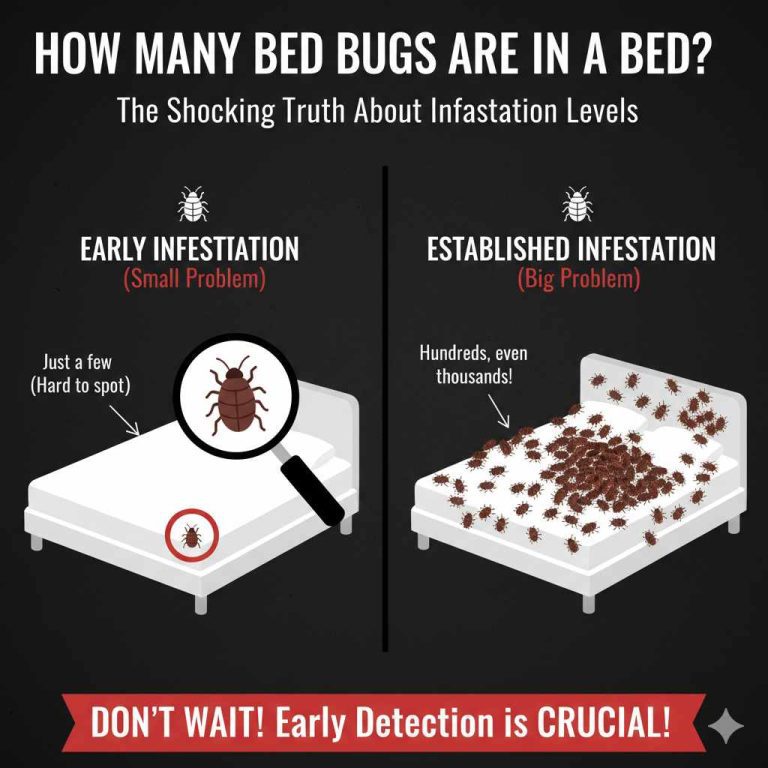
For a closely related home or decor topic, How Many Bed Bugs Are in a Bed? Facts gives readers a useful next step.
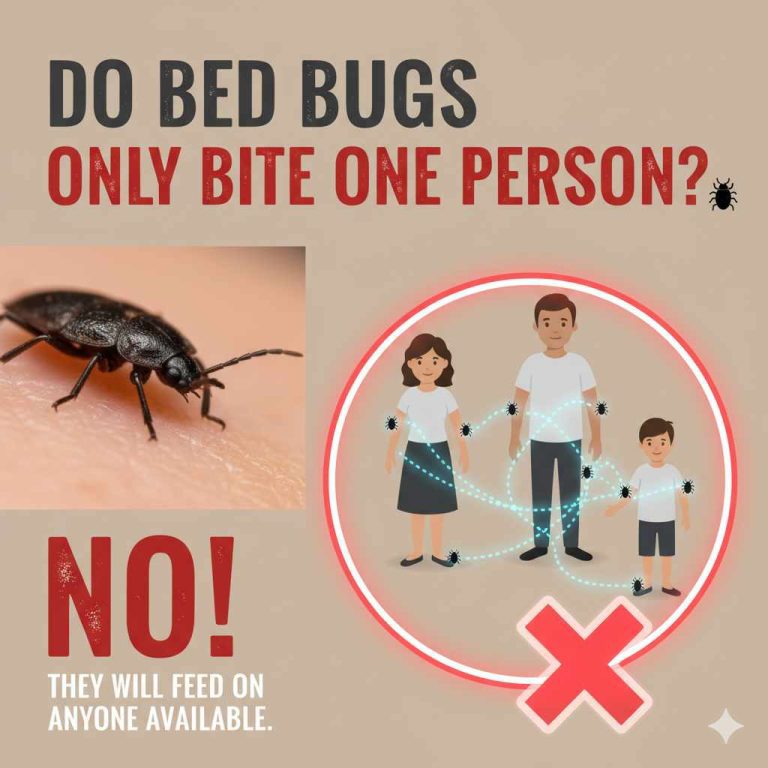
For a closely related home or decor topic, Do Bed Bugs Only Bite One Person? gives readers a useful next step.
When you find a dreaded bed bug bite, your first thought is usually about your mattress. It makes sense! They are called “bed bugs,” after all. Dealing with pests can feel overwhelming, like trying to track down an oil leak in a complex engine. But take a deep breath. You can handle this.
The simple truth is that while the bed is their favorite, bed bugs are sneaky travelers. They don’t just stay put. Understanding where else they like to hang out is the first big step in taking back control of your space. We will break down exactly where these tiny unwelcome guests hide, making it easy for you to check your home like an expert pest inspector.
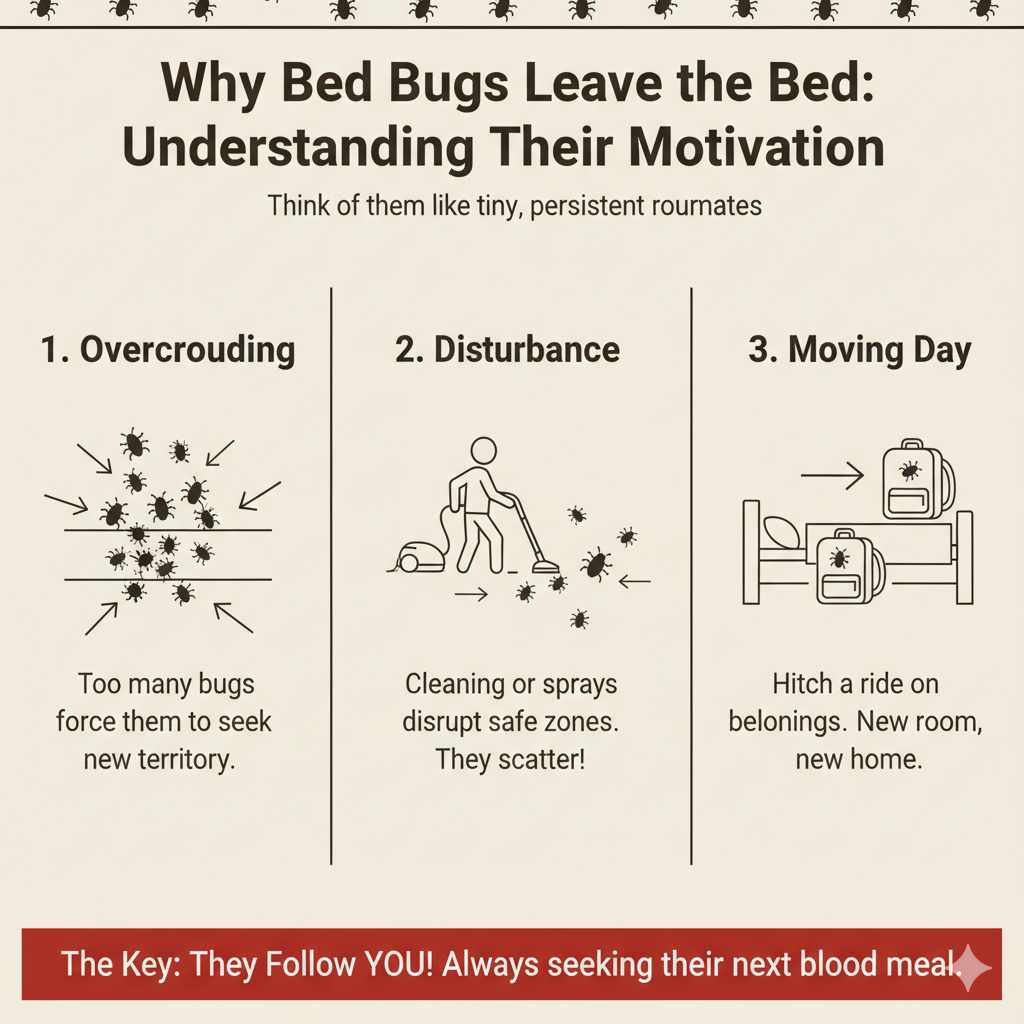
Why Bed Bugs Leave the Bed: Understanding Their Motivation
Think of bed bugs like tiny, very persistent roommates who don’t pay rent but constantly demand your blood. They select a home based on ease of access to you while you sleep. So why relocate?
1. Overcrowding (Harborage Saturation)
A single female bed bug can lay about one egg a day. When the population gets too high, the living space around the mattress gets crowded. This forces the younger or bolder bugs to start looking for new, less competitive territory. This is often when you start seeing them in new places.
2. Disturbance
If you aggressively clean, remove bedding, or start using harsh sprays near the bed area, you disrupt their established safe zones. They will scatter quickly to find the next available, dark, safe crevice nearby. This is why vacuuming under the bed can sometimes lead to them showing up in unexpected places an hour later!
3. Moving Day (Hitching a Ride on Belongings)
Bed bugs are masters of disguise and travel. They don’t move far willingly, but they love hitching a ride. If you move a contaminated piece of furniture, a laundry basket, or even just place a backpack on the floor near an infested bed, they can easily cling on and relocate to a new room or even a new dwelling.
The Top 5 Places Bed Bugs Hide Outside the Mattress
When bed bugs leave the mattress, they usually don’t travel far—we are talking inches, not miles. They seek out tight cracks and crevices where they are protected from light and disturbance. Here are the most common areas they infest right next to the sleeping area.
1. Bed Frame and Headboard
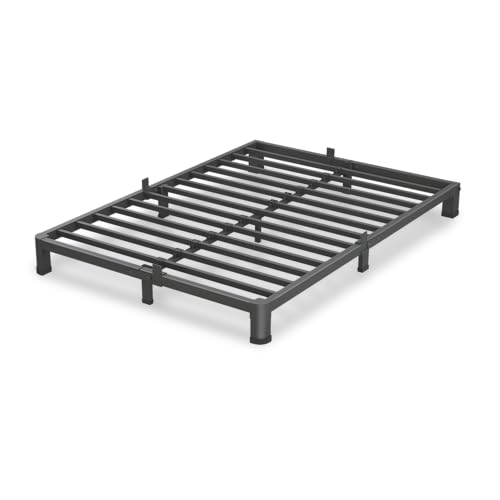
This is the second most likely place after the mattress itself. Bed frames offer long, dark tunnels for hiding. A wooden frame, metal frame, or upholstered headboard provides dozens of small spaces perfect for hiding eggs and resting adults.
- Metal Frames: Check where the joints meet and the bolts are inserted. Small screws can sometimes hide them.
- Wooden Frames: Inspect all drilled holes, joints, and any gaps between the wood panels.
- Headboards: Upholstered headboards (especially those with fabric backing) are major culprits. Look for pulls or tears in the fabric where they can burrow inside.
2. Nightstands and Nearby Furniture
Anything within about three feet of the bed is prime real estate. Nightstands, dressers, and even chairs or recliners placed too close to the sleeping area can quickly become secondary hiding spots.
- Check drawer joints and slides.
- Look under the nightstand drawer bottoms.
- Inspect any decorative carvings or openings.
3. Wall Outlets and Light Switches
This might sound surprising, but electrical outlets and switch plate covers near the bed offer small, dark, undisturbed voids. Bed bugs can travel inside the wall void if they have access through these openings. Always turn off the power at the breaker before removing any cover plate!
4. Baseboards and Trim
The gap between the wall and the floor, covered by the baseboard, is an excellent travel highway and hiding spot. They can hide directly underneath the baseboard trim or travel along the seam between the trim and the drywall.
5. Rugs and Carpeting Edges
If mattresses or box springs sit directly on the floor, or if there is a rug right next to the bed, the edges of the carpet or heavy area rugs near the bed are common hiding places. They like the dark space right where the carpet meets the wall or floorboards.
A Deeper Dive: Secondary Infestation Zones (When Things Get Serious)
If you have a heavy or long-term infestation, bed bugs will expand their territory significantly. This is when you must look further out from the immediate ‘bed zone.’ For accurate information on identifying and managing pests, consulting resources from the Environmental Protection Agency (EPA) can be very helpful as you plan your next steps (EPA official site for pest management guidance).
Here are areas you must check if the infestation seems widespread:
Behind Wallpaper and Wall Hangings
Peeling or loose wallpaper is irresistible. Bed bugs flatten themselves and can hide in the tiny air gap between the paper and the wall. Any framed pictures or mirrors hung above the bed must be inspected carefully, especially on the back edges.
Electronics and Appliances
This is often overlooked but critical. Bed bugs seek warmth and tight spaces. They can hide inside:
- The casings of alarm clocks or radios left on the nightstand.
- Inside the vents or behind the housing of TVs or computer monitors near the bed.
- Inside charging base stations or charging cords left coiled on the floor.
Closets and Clothing Storage
If you store clothes under the bed or in a nearby closet, the bugs will travel to those clothing items, especially if the clothes are left piled on the floor.
Never store clean or dirty laundry in open hampers near an infestation zone. Transport items to the laundry room in sealed plastic bags.
Upholstered Furniture (Sofas and Chairs)
If you have a sofa sleeper in the room or if you often sit on upholstered chairs while reading or watching TV near the bed, these pieces can become harbors. Check the seams, under the cushions, and especially the underside dusting cloth which is often thin and easily penetrated.
How To Inspect for Bed Bugs: A Step-by-Step Guide for Beginners
Checking for bed bugs requires patience and a good light source, much like tuning up an engine; you need to look closely at every component. Don’t rush this process! You are looking for three main things: the bugs themselves, their shed skins (casings), and their waste (fecal spots).
Tools You Will Need:
| Tool | Purpose |
|---|---|
| Bright Flashlight or Headlamp | To illuminate deep, dark cracks. |
| Credit Card or Plastic Scraper | To carefully slide along seams and pull out hidden bugs or eggs without crushing them. |
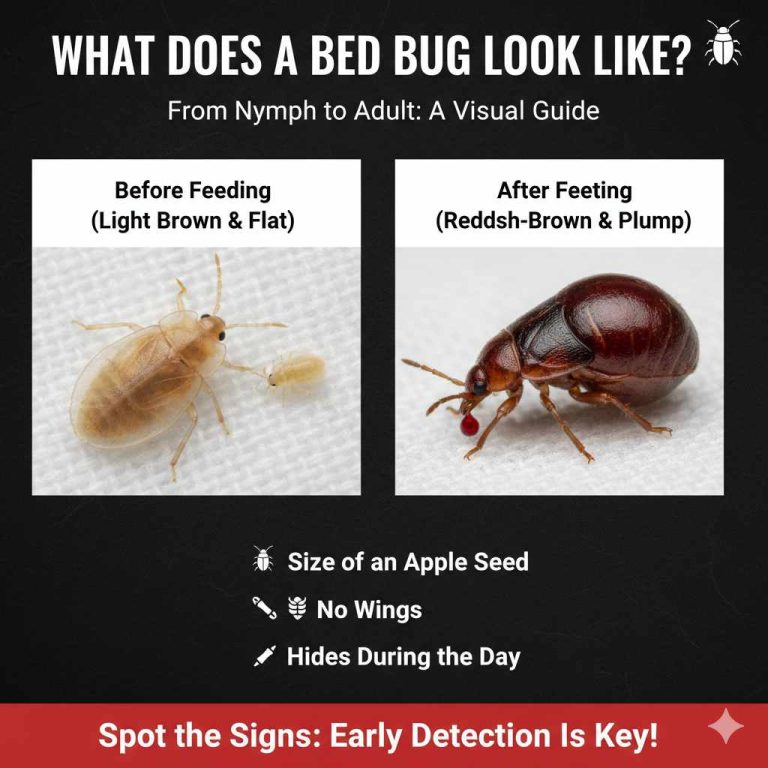
| Magnifying Glass (Optional) | Helpful, as very young nymphs are tiny, like apple seeds. |
| Durable Plastic Bags | For bagging suspect items immediately after inspection. |
Step-by-Step Inspection Process:
- Strip the Bed Completely: Remove all bedding—sheets, pillowcases, blankets, and mattress pads. Put them immediately into sealed plastic bags to transport directly to the washing machine.
- Inspect the Mattress Seams: Use your flashlight. Start at one corner and move slowly. Run the edge of your credit card along every welt (the piping or ridge) of the mattress seams. Look for small black/brown spots or the bugs themselves.
- Examine the Box Spring: This is crucial. Flip the box spring over. Carefully peel back the protective fabric stapled underneath—this fabric is a prime hiding spot. Look closely at the wooden frame inside the box spring.
- Check the Bed Frame: Systematically disassemble or thoroughly check every part of the frame. Pay extra attention to screw heads and joints. If you have a wooden frame, look for dark stain-like spots (feces) near any crack.
- Move to Adjacent Furniture: Inspect the nightstand. Pull out all drawers. Look behind the drawer boxes, in the grooves where the drawers slide, and underneath the entire piece of furniture.
- Examine Wall Areas: Look at the baseboards surrounding the bed. Gently check for cracks or gaps. Shine your light into any electrical outlet covers near the bed.
- Inspect Nearby Fabric Items: If you have a chair nearby, check the piping and seams. If suitcases or backpacks are stored near the bed, check their zippers and corners.
Signs of Infestation Beyond Visual Sighting
Sometimes, you won’t see the bug—they are masters of hiding during the daylight hours. But they always leave calling cards. Recognizing these signs is as important as spotting the pests themselves.
Identifying Fecal Stains (The “Rust Marks”)
Bed bug waste looks like small black or dark brown spots, similar to tiny specks of dried ink or rust. When these spots get wet (like from humidity or a light cleaning attempt), they can smear. Look for these spots clustered on light-colored fabric, seams, mattress tags, or behind picture frames.
Shed Skins (Exoskeletons)
As bed bugs grow, they shed their outer skin five times before reaching adulthood. These shed skins are translucent, light brown, and look exactly like the bug itself, just empty. Finding these light, empty shells is definitive proof of an infestation.
Blood Spots
Occasionally, a bug might be crushed after feeding, leaving a tiny, rusty-red smudge on your sheets or pajamas. While this can be caused by other things, finding it alongside other signs is a strong indicator.
Preventing Spread: What to Do After You Inspect
Once you have inspected and potentially found evidence, containment and cleaning are key. You want to stop them from moving further out, acting like a containment crew after a fluid leak.
Cleaning Strategy
Heat is your greatest ally against bed bugs. While you might not be dealing with an engine fire, extreme heat kills the pests at all life stages—egg, nymph, and adult.
- Wash Hot: All bedding, curtains, and nearby washable clothing should be washed in hot water (at least 120°F or 49°C) and then dried on the highest heat setting for a minimum of 30 minutes.
- Vacuum Aggressively: After inspection, vacuum all mattresses, box springs, furniture, and carpet edges thoroughly. Immediately seal the vacuum bag in a plastic bag and dispose of it in an outside trash can.
- Steam Treatment: For surfaces you cannot wash or dry in a machine (like upholstered furniture or baseboards), use a high-temperature steamer designed for pest control, ensuring the steam nozzle stays in constant contact with the surface to superheat the area.
Isolating Items
If you suspect an item (like a favorite book or decorative pillow) is infested and cannot be immediately washed or treated, seal it in heavy-duty, clear plastic bags. This prevents bugs from escaping and helps you track what needs further treatment later.
When to Call a Professional (Knowing Your Limits)
While a small, brand-new infestation might sometimes be managed by diligent DIY cleaning and heat treatment, bed bug infestations can spread rapidly and become deeply entrenched. Recognizing when your DIY efforts are not enough is vital for efficient and safe removal.
You should definitely call a licensed pest control professional if:
- You see bed bugs during the daytime consistently.
- You find signs of infestation in rooms other than the primary bedroom (e.g., the living room sofa).
- You have attempted thorough cleaning and monitoring for several weeks with no reduction in bites or sightings.
- You live in a multi-unit building (apartment or condo), as spread to neighbors is common and requires coordinated treatment.
A specialist has access to commercial-grade heat treatments or tailored chemical applications that are far more effective than what is available to the average consumer. They can provide a roadmap to a complete eradication, ensuring you don’t just move the bugs around, but eliminate them for good. Reputable pest management companies often follow protocols established by organizations like the National Pest Management Association (NPMA official guidance).

FAQ: Beginner Questions About Bed Bug Movement
Q1: If I move my bed away from the wall, will bed bugs stop spreading?
A: Moving the bed away from the wall helps, but it is only a partial solution. Bed bugs can still travel across the floor to nearby furniture or wall crevices. It’s a good temporary step, but you must inspect adjacent items too.
Q2: Can bed bugs travel through vents or plumbing pipes?
A: Yes, they can, especially if the infestation is severe or if there are large gaps. They typically use wall voids and plumbing chases as highways to move between rooms or floors, particularly if they are seeking a new host or fleeing disturbance.
Q3: How far can a bed bug travel in one night to find a host?
A: Most bed bugs will stay within 5 to 8 feet of their hiding spot while feeding. If they are highly motivated or if the population is dense, they can venture up to 20 feet, but they are generally lazy travelers unless forced to move.
Q4: If I leave my house empty for a week, will the bed bugs die?
A: No. Bed bugs can survive for a surprisingly long time without a blood meal—months, sometimes over a year, especially in cooler temperatures or sheltered spots. Leaving your home empty is not an effective elimination strategy.
Q5: Why are there bugs on my living room couch if I only sleep in the bedroom?
A: This usually means the infestation is advanced. The bugs likely traveled on clothing, bags, throw blankets, or even a person moving between rooms, setting up a secondary harborage where they found a new, dark, resting spot close to where you sit or relax.
Q6: Are bed bugs attracted to light?
A: No, they are strictly nocturnal and actively avoid light. They only come out when it is dark and quiet, which is why inspection requires a strong, directed beam of light.
Conclusion: Taking Confident Control
We’ve covered a lot of ground today, confirming that while your bed is ground zero for bed bugs, expecting them to stay confined there is like expecting a flat tire to fix itself—it won’t happen without attention to the surrounding area.
Bed bugs are not a reflection of poor cleanliness; they are highly effective travelers that hide in the tightest spots. By expanding your inspection routine to include bed frames, baseboards, nightstands, and even electrical outlets near the sleeping area, you are performing a much more thorough tune-up on your home’s defense system. Arm yourself with a good flashlight, check those seams, and remember that thoroughness beats quick panic every time. You now have the knowledge to confidently locate and address these pests wherever they decide to settle in.
Related pick: Check today's price on Amazon
Products related to this article
Sponsored / affiliate links. As an Amazon Associate I earn from qualifying purchases. I may earn additional commission from eligible campaigns.