Chifferobe vs Armoire vs Wardrobe: Which One Has Drawers
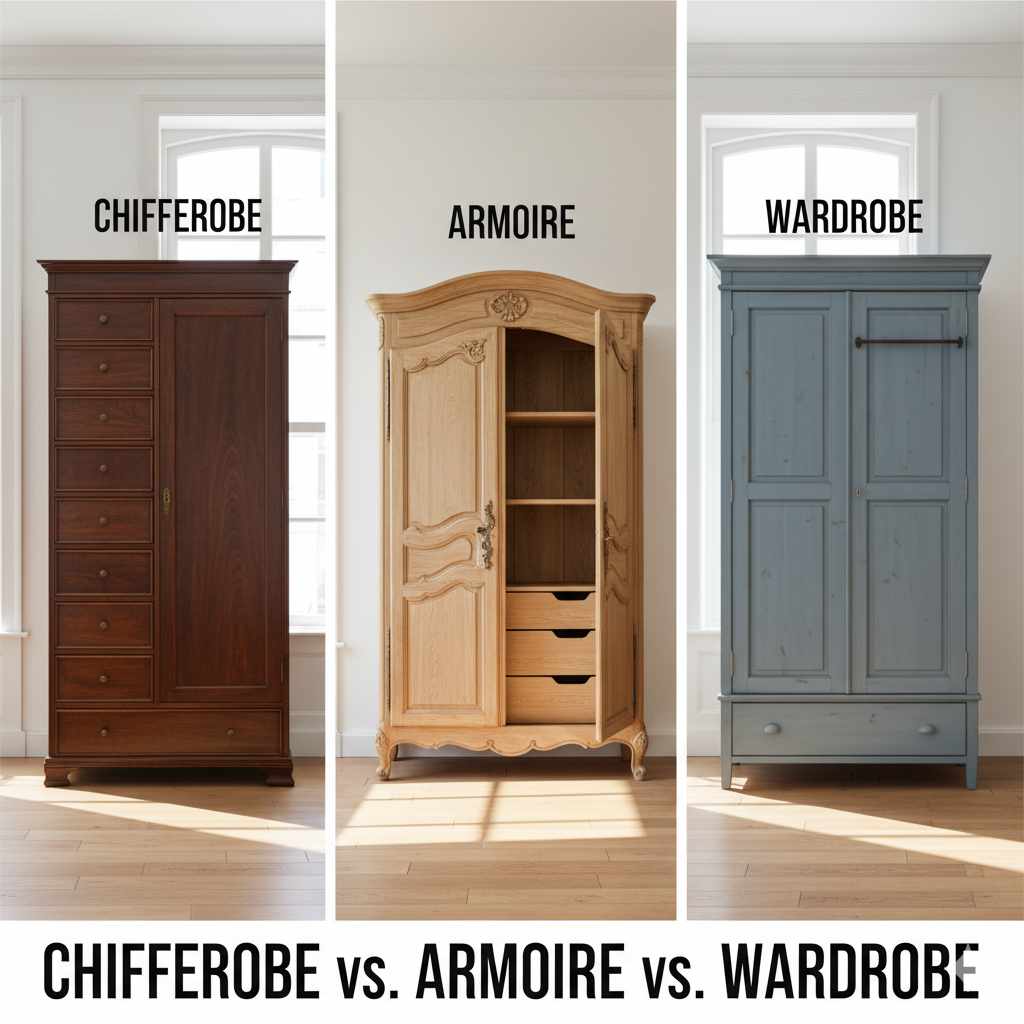
A chifferobe has built-in drawers, while an armoire and a wardrobe do not (an armoire may have shelves, but a wardrobe is hanging space only). All three fall under the broader wardrobe category, so the drawer question is the fastest way to tell them apart. This guide breaks down all three, plus how to choose based on furniture you already own.
Chifferobe Vs Armoire Vs Wardrobe: The Quick Breakdown
When you compare these three pieces of furniture, think about function and design. While all three aim to store your belongings, they each have slight specialties.
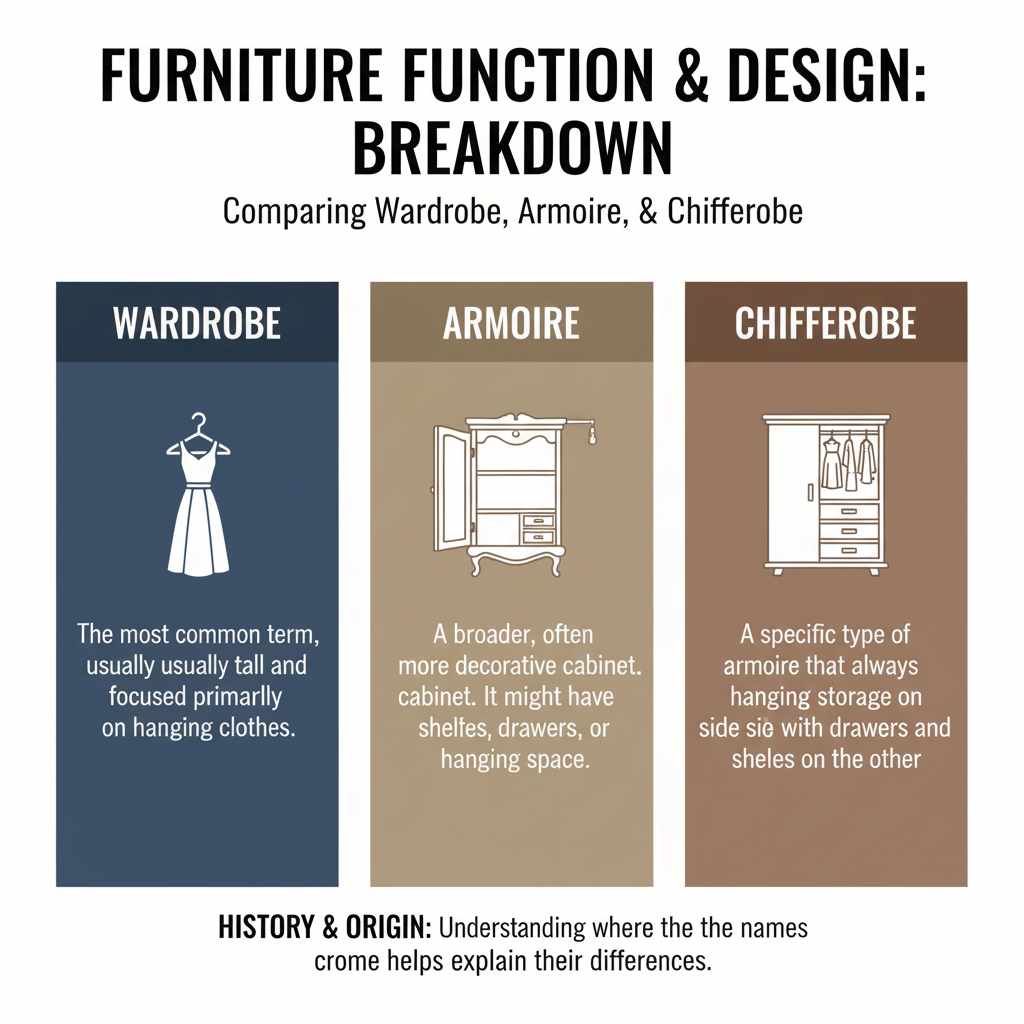
- Wardrobe: The most common term, usually tall and focused primarily on hanging clothes.
- Armoire: A broader, often more decorative cabinet. It might have shelves, drawers, or hanging space.
- Chifferobe: A specific type of armoire that always combines hanging storage on one side with drawers and shelves on the other.
To really understand their differences, we need to look at their history and where these names came from. This helps us see why different terms stuck around.
The Armoire: The Versatile Traditional Cabinet
The armoire (pronounced “ar-MWAHR”) is perhaps the oldest and most encompassing term of the three. It comes from the French word for “wardrobe” or “cupboard.” For centuries, armoires served as massive, freestanding storage units before built-in closets became standard in home construction.
What Makes an Armoire?
An armoire is essentially a tall cabinet with doors. Its defining feature is its versatility. Unlike a modern wardrobe strictly built for shirts and dresses, an armoire can be designed for almost anything:
- General Storage: Often used in dining rooms for linens or living areas for media equipment (though modern updates sometimes serve this purpose).
- Decorative Focus: Armoires are frequently more ornate. They often feature carving, detailed woodwork, or decorative paneling, showcasing fine craftsmanship.
- Interior Options: The inside layout widely varies. You might find a full hanging rod, fixed shelving, adjustable shelves, or even built-in drawers. There isn’t one single “correct” layout.
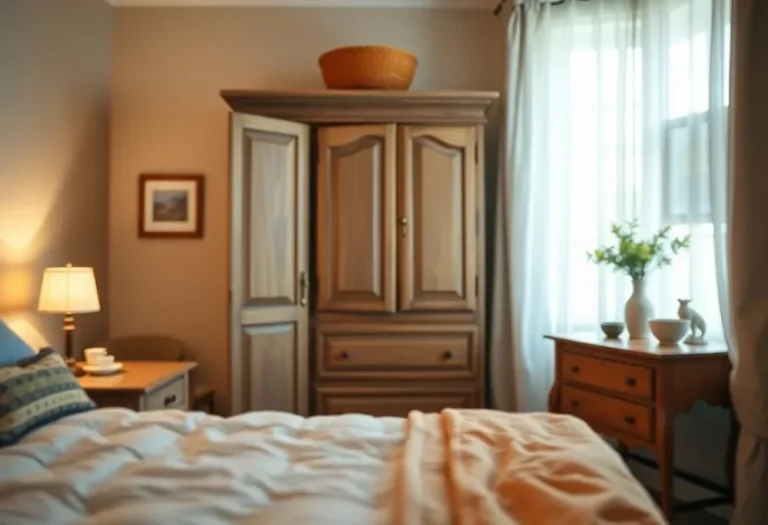
Think of the armoire as the sturdy, stylish grandfather of freestanding storage. If you see a beautiful, large wooden cabinet in a bedroom, even if it only has shelves, chances are high it’s called an armoire.
When to Choose an Armoire
You might gravitate toward an armoire if:
- You need flexible storage that includes lots of folded items (like sweaters or blankets).
- You prioritize a grand, traditional, or high-end aesthetic in your room.
- You want a piece that could theoretically be repurposed later (e.g., using it as a pantry cabinet).
The Wardrobe: The Clothes Specialist
The term “wardrobe” is what most people use today for a large cabinet intended to store clothing meant to be hung up. If you picture something tall that mimics the function of a walk-in closet, you are likely picturing a wardrobe.
Wardrobe Essentials
The primary purpose of a wardrobe is to keep garments wrinkle-free. Because of this focus, the interior design is usually quite straightforward:
- Hanging Space Dominates: The majority of the vertical space is dedicated to a closet rod for hanging shirts, jackets, dresses, and trousers.
- Simpler Design: While styles vary from modern to rustic, wardrobes tend to have a cleaner, more streamlined exterior compared to highly carved armoires.
- Proportion: They are generally designed to be tall and deep enough to accommodate standard hanger lengths without clothes hitting the bottom.
In many contemporary furniture lines, the wardrobe is the default term for bedroom storage cabinets. If you’re shopping for primary clothing storage, “wardrobe” is the safest keyword to search for.
Wardrobe vs Closet: Why Buy One?
Many homes, especially older ones or apartments, lack sufficient built-in closet space. A wardrobe solves this instantly. According to experts in home organization and space planning, freestanding storage units are crucial for maximizing usability in smaller footprints (Architectural Digest on maximizing storage).
If your main problem is having too many things that need hanging, the wardrobe is your dedicated solution. It brings the structure of a closet right into your room—no renovation needed!
The Chifferobe: The Best of Both Worlds
The chifferobe (pronounced shif-er-OHB) is the most specific of the three terms. It is essentially a specialized sub-category of the armoire. The name itself hints at its dual function: it combines the storage capabilities of a traditional armoire with the functionality of a chiffonier (a tall, narrow chest of drawers).
Defining the Chifferobe Layout
The hallmark of the true chifferobe is its division into two functional zones:
- Hanging Section: Usually on one side (either door or larger section), containing a high rod for hanging clothes.
- Drawer Section: On the other side, you will find a stack of drawers (often a minimum of three or four) perfect for storing folded items like undergarments, socks, or pajamas.
This combination makes the chifferobe incredibly efficient. You don’t need a separate dresser or chest of drawers taking up extra floor space.
Why the Combination Matters
For someone managing a small bedroom that needs to serve as both a dressing area and general storage, the chifferobe excels because it consolidates function. It saves space compared to placing a separate wardrobe and a separate chest of drawers side-by-side.
Historically, the chifferobe was popular because it provided comprehensive storage within one substantial piece, often featuring highly detailed craftsmanship, making it a statement piece in the room.
Side-by-Side Comparison: Chifferobe Vs Armoire Vs Wardrobe
To make this crystal clear, let’s look at how these three furniture styles stack up against each other in a simple chart. This table focuses on the common design intentions for each type.
| Feature | Wardrobe | Armoire | Chifferobe |
|---|---|---|---|
| Primary Function | Hanging clothes | General enclosed storage | Combined hanging and drawer storage |
| Interior Layout | Mostly rod space | Highly variable (shelves, rod, or both) | Fixed division: one side hanging, one side drawers |
| Aesthetic Focus | Functional, streamlined | Often decorative, traditional | Functional yet substantial; consolidated design |
| Best Suited For | Small spaces needing hanging capacity | Rooms needing versatile, stylistic storage | Consolidating hanging and folded storage in one unit |
Key Differences Explained Simply
It is easy to get these terms mixed up because, frankly, the lines blur, especially in modern furniture manufacturing. Let’s simplify the decision-making process.
Hanging Space Priority
If your absolute top priority is maximizing the space where you can hang your suits, dresses, or shirts, you are looking for a definition rooted in the wardrobe. A good wardrobe maximizes that vertical hanging area.
Storage Flexibility
If you are looking at a large cabinet and you think, “This could hold my blankets, maybe some books, or maybe some clothes,” you are probably looking at an armoire. Its design is more flexible and less rigidly defined by clothing storage rules.
The Ultimate Combination
If you look at the piece and instantly see, “Aha! Hanging stuff on the left, folded stuff in drawers on the right,” you’ve identified a chifferobe. This piece is designed specifically to eliminate the need for a second piece of furniture (the dresser).
The Importance of Size and Depth (An Important Practical Note)
Regardless of what you call it—armoire, wardrobe, or chifferobe—the actual dimensions matter way more than the name on the tag. You need to ensure the piece fits your space and—critically—fits your clothes.
Hanger Depth Check
This is where many beginners run into trouble trying to buy a wardrobe online without measuring: Clearance Depth.
For items on hangers to hang straight without bunching up against the back panel or doors, you need significant depth. Standard hangers require at least 22 to 24 inches of depth from the back of the cabinet to the front edge of the door when closed.
If a piece is marketed as a “media armoire” or an “accent cupboard,” it might only be 18 inches deep, which means your hangers will hit the back, making clothes hard to access. Always verify the internal depth measurement.
Height and Ceiling Clearance
Wardrobes and armoires are tall. Before purchasing, measure the height of the unit and the height of the ceiling where it will sit. Don’t forget to factor in space above the unit if you need to tilt it to get it upright during placement. Moving large furniture safely is crucial, much like securing your vehicle when working underneath it—safety first!
Best Pick For A Chifferobe Or Armoire
Tall Armoire Wardrobe Closet with Drawers and Mirror, 71 in – $206.99
This guide defines a chifferobe as hanging space plus a chest of drawers in one piece — this is exactly that combination, with a mirror added in.
- Best for: The chifferobe category this guide describes, hanging space and drawers combined
- Why we picked it: Built-in mirror means one less separate piece of furniture to buy for the room
- Main drawback: 71 inches tall needs adequate ceiling clearance, check the room first
Compare more options
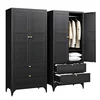 Option 1 Metal Armoire Wardrobe Closet with 2 Drawers – $169.99
|
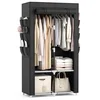 Option 2 Portable Closet Wardrobe with Hanging Rods and Shelves – $28.99
|
 Option 3 Adjustable Drawer Dividers, 12-Pack – $28.04
|
As an Amazon Associate we earn from qualifying purchases.
Materials and Construction: What to Look For
Since these are large investments meant to hold heavy loads of clothing over many years, construction quality is key. You want something sturdy that won’t sag under the weight of your winter coats.
Solid Wood vs Engineered Wood
When evaluating quality, you will run into these two main categories:
- Solid Wood (Hardwood): These pieces use lumber like oak, maple, or cherry. They are the most durable, heavy, and expensive. They can be refinished easily if they get scratched. This is often what you find in true, antique armoires.
- Engineered Wood (MDF/Particleboard): These use wood fibers glued together with resin and often covered in veneer. They are lighter and much less expensive. While modern engineering has improved them, they can be prone to damage if they get wet, and the threaded hardware can wear out faster.
Hardware Quality
Pay close attention to the hinges and drawer slides, especially on a chifferobe where you will use the drawers frequently.
Look for soft-close drawer runners if possible. For antique or higher-end pieces, look for sturdy metal hinges. Cheap, thin plastic or flimsy metal hinges are often the first things to fail on an imported unit.
Styling Your Freestanding Closet
Once you master the technical differences, you can focus on making your choice fit your room’s style. Whether you choose a chifferobe, armoire, or wardrobe, it becomes a major focal point in the room.
How to Integrate an Armoire or Wardrobe
Since these units are large, thoughtful placement is necessary:
- Anchor the Walls: Placing the unit against the longest available wall often makes the room feel less cramped than placing it in a corner.
- Symmetry: If possible, flanking a window or a bed with two smaller, matching pieces (if you choose two smaller wardrobes instead of one large one) creates a balanced look.
- Visual Weight: Darker wood furniture feels heavier. If you have a very small room, choose a lighter-colored wardrobe or an armoire with open shelving on top to reduce visual bulk.
The Importance of Tipping Restraints
This is a crucial safety step no matter which unit you choose. Tall furniture, especially when loaded with clothes, can tip over easily if pulled open too fast or if a child tries to climb it. Many organizing experts stress the importance of securing tall furniture to the wall stud.
You can find simple, inexpensive anti-tip kits often recommended by consumer safety groups to secure large furniture. For instance, organizations like the Consumer Product Safety Commission (CPSC) always advise anchoring furniture to prevent serious injury.
Are Chifferobes, Armoires, and Wardrobes Interchangeable?
In casual conversation, yes, they are often swapped. If you tell someone you need a “wardrobe” and show up with a beautiful French armoire, they will understand you need clothes storage.
However, if you are shopping specifically with functional needs in mind, they are not perfectly interchangeable:
- If the listing calls it a Wardrobe, expect hanging room.
- If the listing calls it a Chifferobe, expect split functionality (drawers + hanging).
- If the listing calls it an Armoire, expect to look closely at the interior photo—it could be anything!
The wardrobe and chifferobe are specialized tools, while the armoire is the general-purpose workshop cabinet.
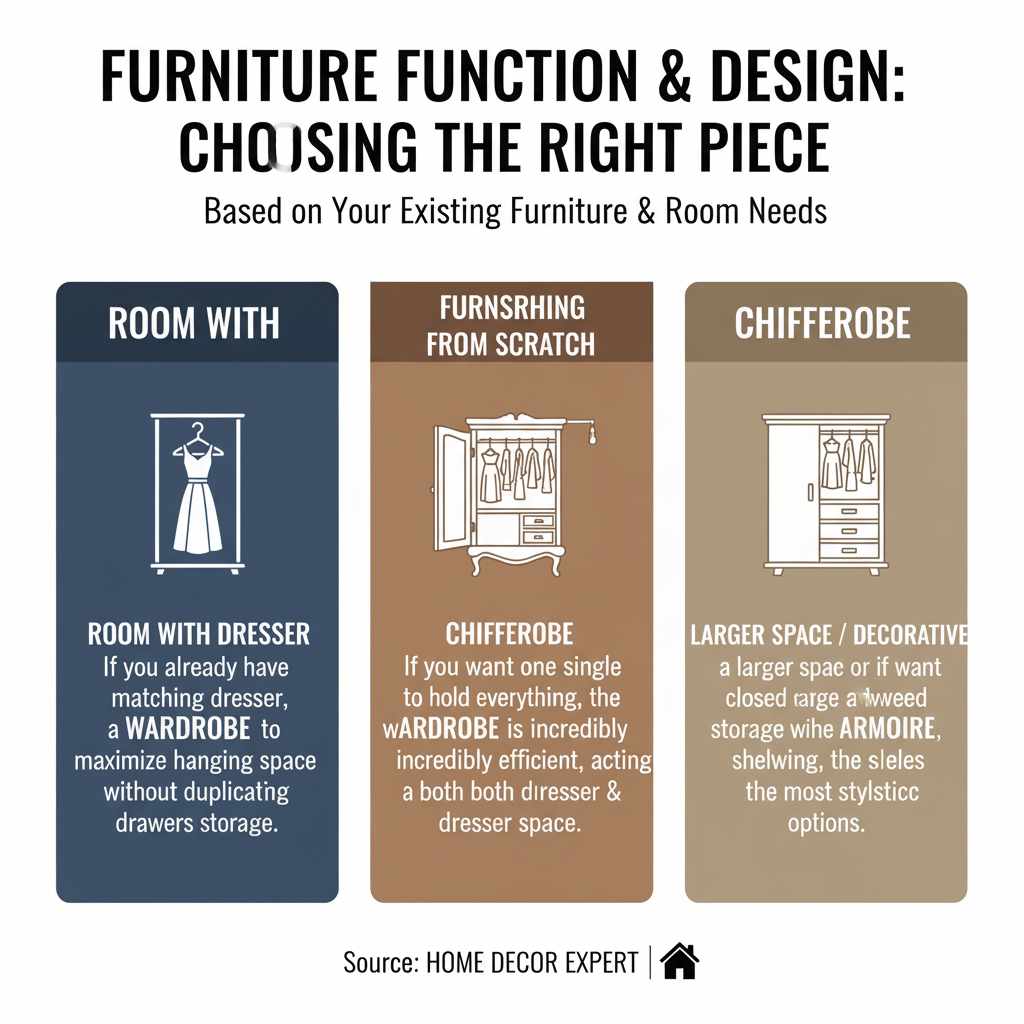
Choosing Based on Your Existing Furniture
If you are adding this piece to a room that already has a matching dresser, you probably favor a wardrobe to maximize hanging space without duplicating drawer storage.
If you are furnishing a room from scratch and want one single piece to hold everything, the chifferobe is incredibly efficient, acting as both the wardrobe and the dresser.
If you have a larger space, or perhaps you want some closed storage alongside open shelving for attractive items, the broad category of armoire gives you the most stylistic options.
FAQ: Answering Beginner Questions
Q1: Can I use an armoire as a wardrobe?
A: Yes, absolutely! If the armoire has a hanging rod inside, or enough shelf space to stack folded clothes, it functions perfectly as a wardrobe.
Q2: Is a chifferobe always more expensive than a standard wardrobe?
A: Generally, components with more features cost more. Because a chifferobe combines the complexity of a separate hanging section and a drawer chest, it often carries a slightly higher price tag than a simple, dedicated wardrobe of the same size and material quality.
Q3: Are these pieces easy to move once they are filled?
A: No. These are heavy, tall pieces. You should always empty them completely before attempting to relocate them, even moving them across the room. Clear the drawers and remove hanging clothes first. Furniture dolly rental is a good idea for significant moves.
Q4: Which term should I use when selling my old furniture online?
A: Use the most accurate term possible, but include the others as keywords! For example: “Antique Armoire / Wardrobe Combination (Chifferobe Style).” This helps people searching for any of those options find your listing. Always include internal dimensions.
Q5: Do modern wardrobes come with drawers?
A: Yes. While traditionally wardrobes focused on hanging, many modern “wardrobe systems” sold today often feature a small bank of drawers at the bottom, blurring the line and making them act very much like a chifferobe without using that specific name.
Q6: What is the difference between an armoire and a closet?
A: A closet is built directly into the structure of the house and cannot be moved. An armoire is a freestanding piece of furniture that can be disassembled and moved to a new home.
Conclusion: Confidence in Your Furniture Choice
Navigating the world of furniture names doesn’t have to be frustrating. Remember this simple takeaway: the wardrobe prioritizes hanging clothes, the armoire is a versatile, often decorative cabinet, and the chifferobe is the efficient hybrid that combines hanging space with drawers.
By understanding these distinctions—especially checking for interior depth and layout—you can confidently choose the right piece for your room’s needs. Whether you decide on the specialized chifferobe for maximum consolidation or the classic wardrobe for dedicated hanging space, you now have the knowledge to select storage that looks great and works perfectly for you. Feel great about making a smart, practical choice for your home!
Products related to this article
Sponsored / affiliate links. As an Amazon Associate I earn from qualifying purchases. I may earn additional commission from eligible campaigns.