
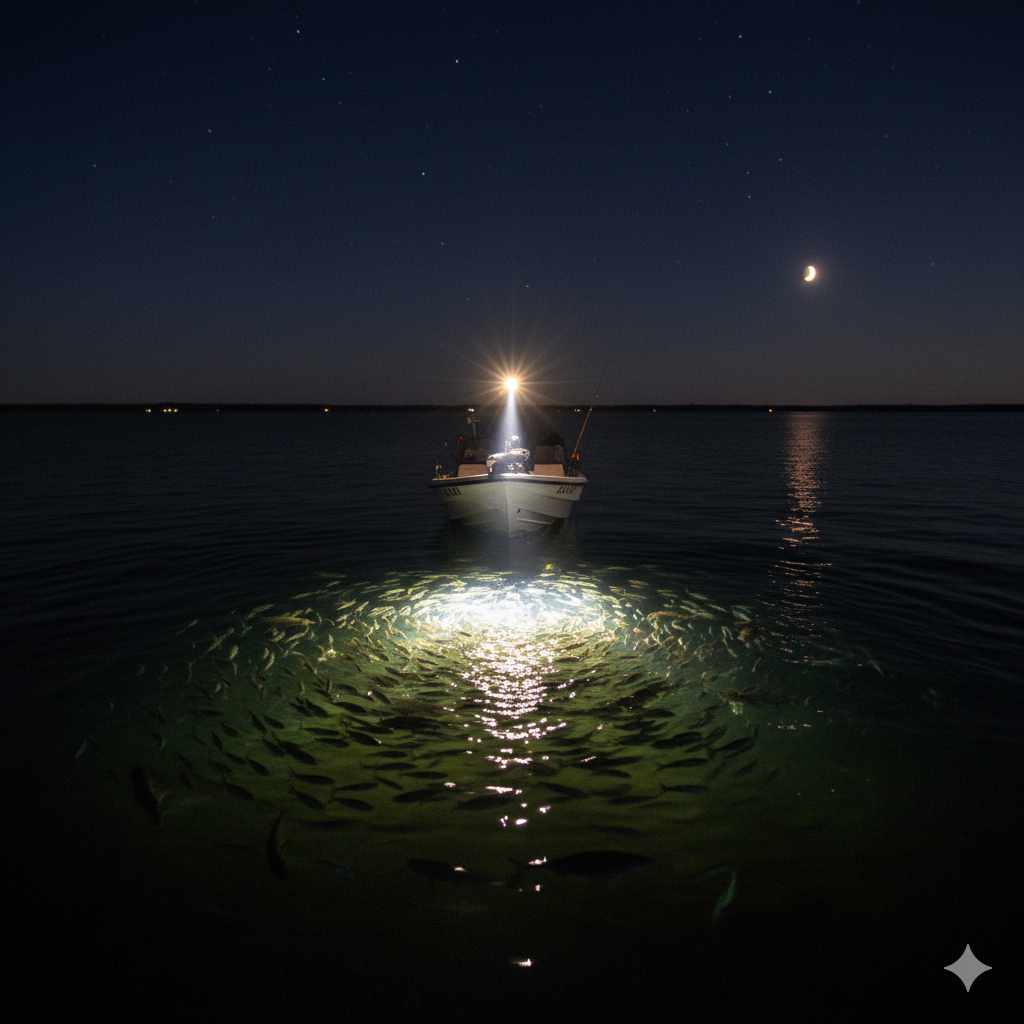
Yes, many fish are strongly attracted to artificial light sources at night, especially smaller baitfish, which draw in larger predatory species. This behavior is often driven by insects feeding near the light, creating a convenient, concentrated food source for fish. Understanding this helps anglers effectively target them.
Ever notice how baitfish seem to swim right under your dock light after dark? It’s a common sight, whether you are fishing or just walking by the water. Asking, “Are fish attracted to light at night?” is a great question for anyone heading out after sunset. It can seem confusing because sometimes they scatter, and other times they swarm! Don’t worry; this isn’t a mystery. We are going to break down exactly why lights pull fish in, what kinds of light work best, and how to use this natural behavior to your advantage. You’ll soon feel much more confident fishing after dark!
The Science Behind Why Light Attracts Fish
It sounds simple—light on water equals fish. But there’s some neat biology and physics at play. Think of it like a giant, underwater magnet. Understanding the core reasons helps you choose the right tools for the job.
The Primary Driver: Food Chains
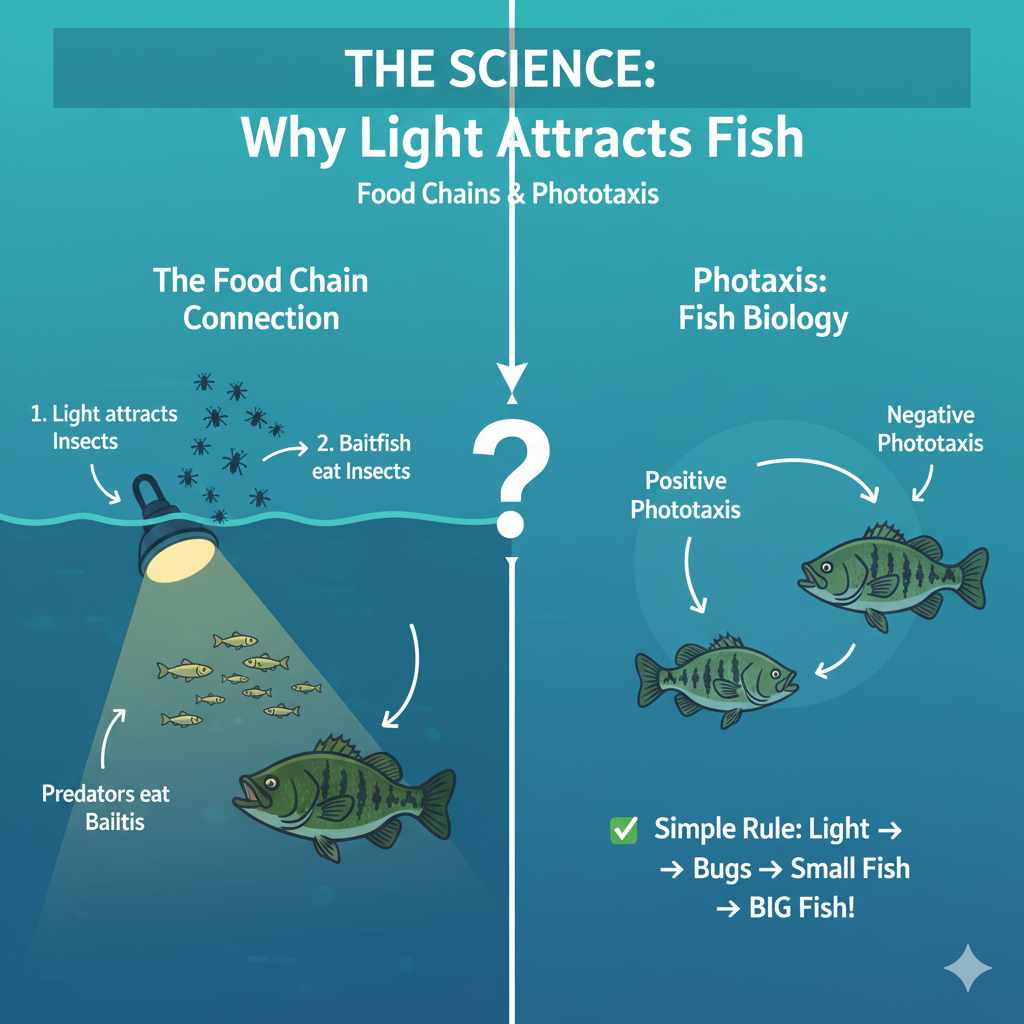
The main reason most fish gather under lights at night isn’t the light itself; it’s what the light attracts first: insects. This is the single most important concept to grasp.
The Insect Connection
During the day, insects stay hidden or buried. As soon as the sun sets, many aquatic insects, like mayflies, midges, and caddisflies, hatch or emerge from the water. Artificial lights act like giant airport landing strips for these bugs. They are drawn to the brightness, easily seen by fish swimming below. This creates a concentrated buffet right where you can access it. It’s easy hunting!
- Baitfish Follow: Small fish, like shad or minnows (baitfish), are the first to realize this free meal exists. They swim into the illuminated zone to feed on the insects.
- Predators Follow Baitfish: Larger game fish (bass, walleye, pike) are smart predators. They watch where the easy, concentrated meals are gathering. If minnows are schooling under a light, the big fish will soon follow them into the spotlight.
Phototaxis: The Biological Response
While food is the biggest factor, some fish exhibit true phototaxis. This is just a fancy scientific word meaning a movement toward or away from light. Different species react differently:
- Positive Phototaxis: This is when fish actively swim toward the light source. Many smaller baitfish show this tendency strongly.
- Negative Phototaxis: Some larger, shyer fish might avoid very intense, direct light but will still linger in the dimmer edges of the illuminated area where the food chain begins.
For the average angler, just remember: Light attracts bugs, bugs attract small fish, and small fish attract the big ones you want to catch!
Choosing the Right Light: Color, Intensity, and Placement
Not all lights are created equal when it comes to attracting fish. If you use the wrong setup, you might end up lighting up the water without actually drawing in the target species. We need to match the light to the fish’s eyesight.
The Importance of Light Color (Spectrum)
Fish eyes react differently to various colors on the spectrum. What looks bright white to us might not be as visible or appealing underwater. Think about how diving flashlights are usually green or blue—there’s a reason for that!
Color Preference Table for Night Fishing
| Light Color | Why Fish Like It | Best For |
|---|---|---|
| Green/Blue-Green | These colors penetrate water deeper and mimic natural bioluminescence or aquatic plant life reflections. | Deep water, targeting crappie, white bass. |
| Yellow/Amber | Effective for triggering insect hatches and is visible in stained or murky water. | General panfish, good all-around choice. |
| Blue/Violet | Highly visible to many species, often used in specialized submersible lights. | Clear water visibility aids. |
| White (Standard LED) | Can work well, but the intensity can sometimes spook shallower fish if too bright. | Initial setup, high insect attraction. |
When you’re starting out, green or amber lights tend to be the most reliable choice for general attraction.
Light Intensity and Placement
How bright it is, and where you put it, changes everything. Too bright, and you might just shine a spotlight on the fish telling them, “Here I am!” Too dim, and you won’t attract enough bugs.
Placement Tips:
- Submersible vs Surface: Submersible lights (placed underwater) are usually far more effective because they light up the immediate feeding zone where the bugs and baitfish are congregating. Surface lights often just light up floating debris and the water column above the fish.
- Positioning: Try to shine the light near structure—a sunken log, a drop-off, or the edge of a weed line. Fish use these structures for cover, even when feeding under a light.
- Creating a Gradiant: Fish are often found just outside the brightest beam, where the light fades into darkness. This gives them cover while still allowing them to see the illuminated insects. Don’t blind them!
Species Spotlight: Who Loves the Night Light?
While many fish will come to a light show, some species are famous nighttime feeders drawn in by artificial light sources. If you know what you are targeting, you can tailor your light strategy.
Crappie and Panfish: The Night Owls
Crappie (both black and white) are arguably the most famous nighttime targets using lights. They are heavily insectivorous, especially in the summer months, and will readily school up under dock lights or boat lights seeking those high pools of insects.
- Tip: Use jigs or small minnows fished vertically directly under the light source for these species.
Bass: Hunting in the Shadows
Largemouth and smallmouth bass are often perceived as daytime feeders, but they feed aggressively at night, especially in warmer months. They won’t always crowd the light like a crappie school, but they will lurk on the edges, waiting for an easy meal (the baitfish drawn in by the light) to swim by.
Catfish: The Bottom Line
Catfish are primarily nocturnal scavengers. While they are drawn down to areas lit up due to the concentration of food raining down from above, they are generally less interested in hovering directly under the beam than crappie are. They are usually found foraging on the bottom beneath the illuminated area.
Walleye: Sensitive to Light
Walleye are known for their excellent low-light vision. This makes them tricky. Sometimes, a brighter light will push them deeper into the dark water outside the illuminated zone. However, if the light is filtered (green/amber) or if you are fishing deep, they can be caught moving up to feed on the baitfish.
Setting Up Your Homemade Fishing Light Rig
You don’t need an expensive, complex setup to start catching fish attracted to light at night. If you are fishing from a stationary structure, like a dock or pier, you can improvise with basic gear you might already have. Safety first—always ensure electrical components are rated for marine use.
Tools and Materials for a Simple DIY Light Setup
If you are using a battery-powered setup (common for boat use or remote pier fishing), you will need:
- A submersible LED light source (Green or Amber recommended).
- A deep cycle marine battery (12V).
- Waterproof wiring and a waterproof switch.
- A way to secure the light underwater (weighted wire or bracket).
Step-by-Step Guide to Deploying Your Light
This setup focuses on getting the light securely and safely under the water surface, which is key to success.
- Check Your Power Source: Safely connect your marine battery to your switch and then to the light wiring. Double-check all connections are tight and insulated. Remember, water and electricity do not mix well! For reliable, safe equipment, always review instructions from reputable sources on marine electrical safety, like guidance offered by organizations such as the U.S. Coast Guard on boating safety standards U.S. Coast Guard website.
- Secure the Light: Attach the light securely to a weighted base or bracket. You want it stable. If you are fishing from a boat, this might just mean a heavy rope tie-down.
- Deploy Submerged: Slowly lower the light into the water near the edge of the structure you are fishing (e.g., near a pier piling or standing timber). Aim to keep it 3 to 6 feet below the surface, depending on how deep the fish are holding that night.
- Turn It On and Wait: Turn the light on. Give it at least 20 to 30 minutes. It takes time for the insects to realize the light is there, for the baitfish to gather, and for the predators to slip in confidently.
- Fish the Perimeter: Start casting your lure slightly outside the bright circle, working your way closer to the light as you feel for activity.
When Light Might Actually Scare Fish Away (The Flip Side)
As a practical guide, I need to let you know that turning on a light isn’t always the magic trick. Sometimes, “are fish attracted to light at night” has the answer “no.” This usually comes down to intensity and fish wariness.
Over-Intense Lighting
If you use a single, extremely bright white spotlight directly over a shallow area, you might actually scare the fish away. Fish have protective pigments in their eyes that contract in bright light, just like ours. If the light is too harsh, they retreat to the shadows underneath boats, dense weeds, or deeper water.
Shy Species and Clear Water
Highly pressured fish, or species known for being naturally skittish (like mature bass in crystal-clear lakes), can be spooked by a sudden beam of light. They associate the light with danger or human intrusion.
The Solution: Indirect Lighting or Dimming
If you suspect your light is too strong, try these tricks:
- Use a dimmer switch if possible, starting low and slowly increasing intensity.
- Place the light further away from your fishing spot, shining it onto a nearby surface (like the side of a piling) to create ambient light rather than direct illumination.
- Use softer colors like amber instead of blinding white/blue.
Night Fishing Safety Tips (Crucial Considerations)
When fishing at night, especially when using electrical equipment, safety must be your number one priority. We want you to catch fish, but we want you home safe even more!
Electrical Safety (Especially Around Water)
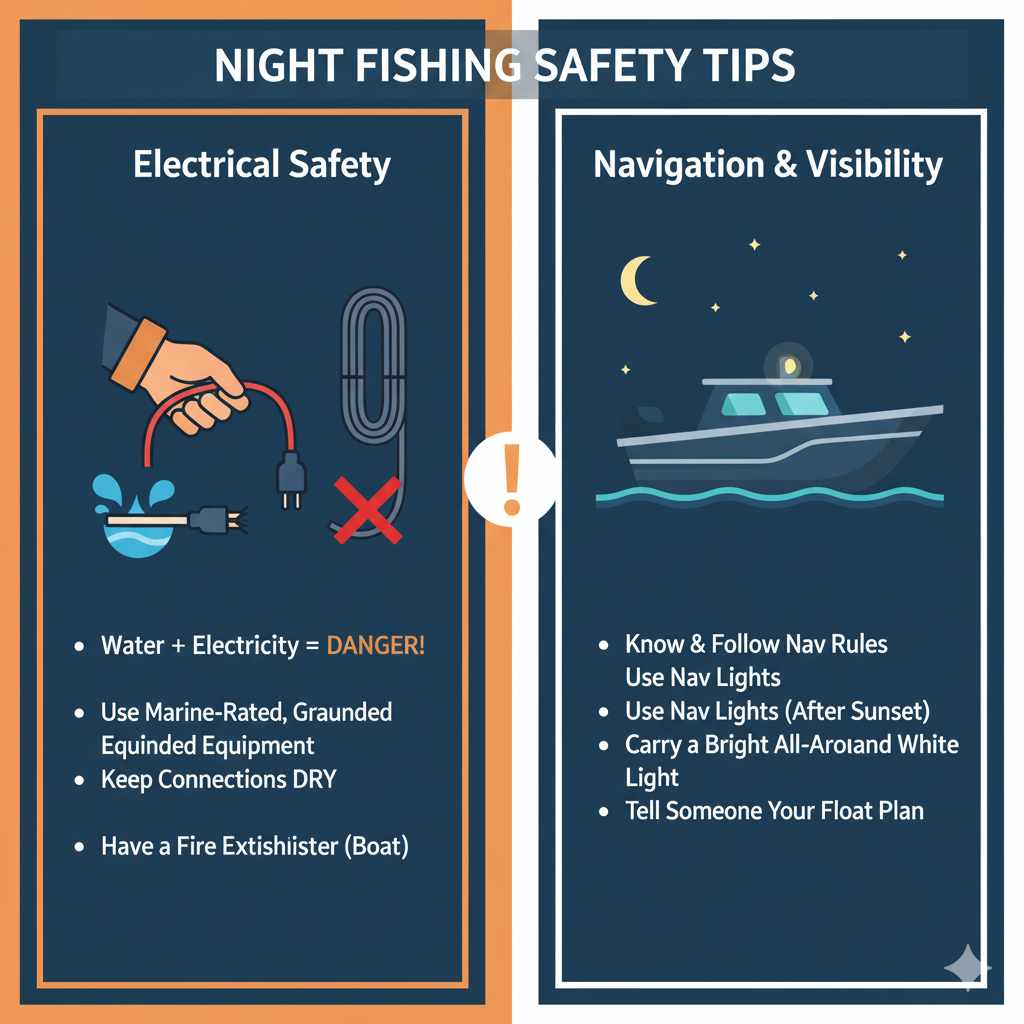
Water conducts electricity very well. Never use indoor household lamps or unrated extension cords near the water. If you are using AC power, the equipment MUST be properly grounded and rated for outdoor/marine use. For most beginners, using low-voltage DC systems (like a standard 12V car battery) is much safer, provided the connections are clean and dry.
- Always keep connections out of splash zones.
- If using a boat, have a working fire extinguisher accessible.
- If you need to run heavy extension cords from shore power, ensure they are heavy-duty, outdoor-rated, and free of nicks or damage.
Navigation and Visibility
If you are on the water, you must adhere to navigation rules. In many areas, you are legally required to have navigation lights on after sunset, regardless of whether you are using a fishing light. Check the Discover Boating guide on navigational lights to ensure you are compliant.
- Keep a bright white all-around light ready to deploy if you need to move when it’s pitch black.
- Let someone know where you are planning to fish and when you expect to return.
FAQ: Beginner Questions About Night Fishing Lights
Here are some common questions new anglers have about using light to attract fish after dark.
Q1: What depth should I keep my submersible light?
A: Start by placing the light between 3 to 6 feet under the surface. If the water is very shallow (under 10 feet deep total), try keeping it just a foot or two below the surface. Adjust based on where you see the baitfish congregating.
Q2: Should I use my boat’s interior lights when fishing at night?
A: Generally, no. Your boat’s cabin lights or dashboard lights create glare on the water that often scares fish away from your immediate area. It’s better to use a single, focused green or amber light directed downward, away from highly reflective surfaces.
Q3: How long does it take for the light to attract fish?
A: It’s rarely instant. Give the light at least 20 minutes to allow insects to gather and the food chain to establish itself. Fishing actively around the light source after an hour often yields the best results.
Q4: Does this work in muddy water?
A: Yes, sometimes better! In muddy or stained water, fish rely more on other senses, but light still attracts insects. Yellow or amber lights penetrate murky water well and can create a concentrated feeding zone where fish feel more secure because visibility is already low.
Q5: Are expensive underwater green lights really necessary?
A: While specialized lights are great, you can absolutely start successfully with good quality, submersible, outdoor-rated LED lights that produce a green/amber hue. Focus more on correct placement and water depth than on spending a fortune initially.
Q6: Do fish get used to the light if I leave it on all night?
A: They can. If you fish the same spot with the exact same light every single night, the fish may become acclimated or even “educated” to associate the light with your lure or presence, making them warier. It’s a good idea to change your lure presentations frequently.
Conclusion: Mastering the Nighttime Illuminated Scene
So, to bring it all home: yes, fish are definitely attracted to light at night, primarily because that light acts as a dinner bell for the insects and baitfish they rely on. You aren’t just lighting up the water; you are concentrating the entire ecosystem for an easy meal.
By choosing reliable, water-friendly equipment, focusing on safer green or amber spectrums, and most importantly, deploying your light correctly beneath the surface near structure, you transform a random evening outing into a strategic fishing session. Don’t be intimidated by the darkness. With these simple, practical steps, you’ve gained the knowledge to confidently use nighttime light to invite the fish right to your lure. Grab your gear, stay safe, and enjoy the unique excitement of catching fish under the glow!