What Do The Warning Lights On My Dashboard Mean? Essential Guide
Your dashboard warning lights are your car’s way of talking to you! This guide breaks down common symbols so you know what they mean and how to respond safely, helping you protect your vehicle and prevent bigger issues.

As an Amazon Associate I earn from qualifying purchases.
Car dashboards can sometimes feel like a secret code, especially when those little lights start to flicker or glow. Seeing a new symbol can be a bit unnerving, right? You’re not alone if you’ve wondered, “What does that red light even mean?” The good news is, understanding these lights is simpler than you might think, and it’s a super handy skill for any driver. It’s like learning a new language for your car, and it’s all about keeping you and your ride happy and safe on the road. We’ll go through the most common ones, so you can feel confident about what your dashboard is trying to tell you. Let’s decode those lights together!
Understanding Your Car’s Dashboard Warning Lights
Your car’s dashboard is like a control center, and the warning lights are its signals. They’re designed to alert you to potential problems, from minor issues to more serious concerns that need immediate attention. Ignoring these lights can sometimes lead to costly repairs or even unsafe driving conditions. Think of them as your car’s direct line to you, offering crucial information at a glance. By learning what each light signifies, you can take the right action quickly, saving yourself stress and money.

Common Dashboard Warning Light Colors and Their Meaning
The color of a warning light is your first clue about its urgency. It’s a universal system designed to quickly convey the level of attention required:
- Red Lights: These are the most serious and usually indicate a problem that requires immediate attention. You should pull over safely as soon as possible and investigate the issue. Continuing to drive with a red warning light could cause significant damage to your vehicle.
- Yellow or Amber Lights: These lights are a caution. They signal that something needs to be checked soon, but it’s generally not an emergency. You can usually continue driving but should schedule a service appointment to have the issue diagnosed.
- Green or Blue Lights: These are typically informational lights. They let you know that a system is active or functioning as expected, such as your turn signals, headlights, or cruise control. They don’t indicate a problem.
Decoding the Most Common Dashboard Warning Lights
Let’s dive into some of the most frequently seen dashboard warning lights and what they typically mean. Knowing these can give you peace of mind and help you react appropriately.
Engine Warning Lights
This is probably one of the most recognized lights, often shaped like an engine block. It can mean a variety of things, from a loose gas cap to a more complex engine issue. If it stays on, it’s a good idea to get your car checked by a mechanic.
Check Engine Light (Malfunction Indicator Lamp – MIL)
This light can appear in two ways: solid or flashing. A solid light usually means there’s an issue detected by your car’s onboard diagnostics (OBD) system. It could be something minor like a faulty oxygen sensor or a loose gas cap, or something more significant. A flashing check engine light is more serious and typically indicates a severe problem, like a misfire that could damage your catalytic converter. If it flashes, reduce your speed and avoid heavy acceleration. Stop driving as soon as it’s safe to do so and have it checked.
Brake System Warning Lights
Brakes are crucial for safety, so any warning light related to them should be taken very seriously.
Brake System Warning Light
This light, often a circle with a “!” or the word “BRAKE” inside, can illuminate for a few reasons. It might mean your parking brake is engaged. If it stays on when the parking brake is released, it could indicate low brake fluid levels or a more serious issue within the braking system. Low brake fluid can mean there’s a leak, which can severely impair your braking ability. Check your brake fluid level and consult a professional if the light persists.
Anti-lock Braking System (ABS) Warning Light
This light, often displaying “ABS,” indicates a problem with your anti-lock braking system. While your regular brakes will likely still work, the ABS feature, which prevents your wheels from locking up during hard braking, may not function. This is a safety issue, and you should have your ABS system inspected by a qualified technician as soon as possible.
Battery and Charging System Lights
These lights signal potential issues with your car’s electrical system, which is vital for starting and running your vehicle.
Battery Warning Light
Typically shaped like a battery, this light signifies a problem with your car’s battery or charging system. It may mean the battery isn’t charging properly, or there’s an issue with the alternator. If this light comes on while you’re driving, your car is running on battery power alone, and if the battery dies, your car will stop. It’s best to pull over safely and get it checked by a mechanic.
Tire Pressure Monitoring System (TPMS) Light
This light, often showing a flat tire with “!” inside, warns you that one or more of your tires are significantly underinflated. Low tire pressure can affect handling, fuel efficiency, and tire wear, and it increases the risk of a blowout. Check your tire pressure immediately at the nearest safe location and inflate them to the recommended level found on the sticker inside your driver’s side door jamb.
Oil Pressure Warning Light
This is a critical light, usually appearing as an oil can with a drip. It indicates that the engine oil pressure is too low. Low oil pressure can cause severe engine damage very quickly. If this light comes on while you’re driving, you should pull over safely, turn off the engine, and check your oil level. If the oil level is low, add oil. If the light stays on even after adding oil, or if the oil level is normal, do not drive the car and have it towed to a mechanic.
Coolant Temperature Warning Light
This light, often a thermometer submerged in liquid, signals that your engine is overheating. Overheating can cause serious damage, including warping the engine block. If this light comes on, pull over safely, turn off the engine, and let it cool down. Check the coolant level in the reservoir (only when the engine is cool). Never open a hot radiator cap, as pressurized hot coolant can cause severe burns. If the engine continues to overheat after cooling, it needs professional attention.
Airbag Warning Light
This light, usually showing a person with a deployed airbag, indicates a problem with the airbag system. This could mean the airbags might not deploy in an accident, or they could deploy unexpectedly. Because airbags are a critical safety feature, any issue with them should be addressed by a qualified technician promptly.
Seat Belt Reminder Light
This light, often showing a seated person with a fastened seatbelt, is a reminder that you or your passengers have not buckled up. It will usually illuminate and may chime until the seat belts are secured. This is a simple safety measure that everyone should adhere to.
Exterior/Interior Lighting Warning Lights
These lights alert you to issues with your car’s lighting systems.
Headlight Indicator
Often a symbol of a headlight with beams and rays, this light indicates when your headlights are on. Sometimes, there’s a separate indicator for high beams, usually blue.
Bulb Failure Warning Light
Some cars have a warning light (often a yellow or orange circle with “!”) that indicates a burned-out tail light, brake light, or other exterior bulb. This is important for visibility and safety.
Table: Common Dashboard Warning Lights at a Glance
Here’s a quick reference table for some of the most common warning lights. Keep this handy!
| Symbol | Light Name | Color | Meaning | Recommended Action |
|---|---|---|---|---|
 | Check Engine Light | Yellow/Red | Engine issue detected | If solid, check gas cap; schedule service. If flashing, stop driving safely and get checked immediately. |
 | Brake System Warning Light | Red | Parking brake on, low brake fluid, or system fault | Release parking brake. If stays on, check fluid and have brakes inspected immediately. |
 | ABS Warning Light | Yellow/Amber | Anti-lock brake system issue | Regular brakes still work, but ABS is off. Schedule service. |
 | Battery Warning Light | Red | Battery or charging system issue | Car running on battery power. Pull over safely and get checked. |
 | Tire Pressure Monitoring System (TPMS) Light | Yellow/Amber | Low tire pressure | Check tire pressure, inflate to recommended levels. |
 | Oil Pressure Warning Light | Red | Low engine oil pressure | Pull over safely, turn off engine, check oil. Do not drive if light stays on. |
 | Coolant Temperature Warning Light | Red | Engine overheating | Pull over safely, turn off engine, let cool. Check coolant. Do not drive if still overheating. |
 | Airbag Warning Light | Yellow/Amber | Airbag system fault | Schedule service for airbag inspection. |
Lights You Don’t Need to Worry About
Not every light that comes on your dashboard is cause for alarm. Many are simply indicators that a system is active. Understanding these can save you unnecessary worry:
- Green Lights: These lights are usually informational. For example, a green arrow might indicate your turn signal is active, or a green light shaped like a headlight means your low-beam headlights are on. These are normal functions.
- Blue Light: A common blue light is the high-beam headlight indicator. It’s just letting you know your brights are on.
- Cruise Control Indicator: When you engage cruise control, a light (often green or white) will illuminate, usually with “CRUISE” or a speed-related symbol. This simply confirms cruise control is active.
What to Do When a Warning Light Appears
Seeing a warning light can be startling, but remaining calm is key. Here’s a step-by-step approach:
- Identify the Light: Note the symbol and its color. Is it red, yellow, or a status light?
- Check Your Owner’s Manual: Your car’s owner’s manual is the definitive guide for its specific warning lights. It will explain what each symbol means for your particular make and model. You can often find digital versions of your owner’s manual online if you don’t have a physical copy.
- Assess the Urgency:
- Red Lights: Pull over to a safe location as soon as possible, turn off the engine, and consult your manual or a roadside assistance service. Do not continue driving.
- Yellow/Amber Lights: These indicate a need for attention soon. Reduce your driving if possible, avoid strenuous driving (like heavy towing or accelerating rapidly), and schedule a mechanic appointment. While not an immediate emergency, don’t ignore them.
- Status Lights (Green/Blue): These are usually informational and do not require action.
- Check Simple Things First: For some lights, like the check engine light or the TPMS light, a loose gas cap or underinflated tires might be the culprit.
- Seek Professional Help: For any serious issues indicated by red lights, or persistent yellow lights, contact a trusted mechanic. Modern cars have complex computer systems, and diagnosing warning lights often requires specialized tools and expertise. Reputable repair shops can diagnose and fix a wide range of issues, from simple sensor replacements to more complex system repairs. For instance, the National Highway Traffic Safety Administration (NHTSA) website offers resources and recall information that can be helpful in understanding potential vehicle issues.
When to Call for Roadside Assistance or a Tow Truck
There are times when driving further is simply not an option. If you encounter any of the following, it’s best to call for professional assistance:
- Red warning lights that persist after checking simple fixes (e.g., oil pressure, overheating, brake system).
- Flashing check engine light.
- Complete loss of power or ability to drive.
- Unusual noises accompanied by warning lights.
- Any situation where you feel unsafe continuing to drive.

Common Questions About Dashboard Warning Lights
Q1: What should I do if my check engine light comes on?
First, don’t panic. Check if your gas cap is loose and tighten it. If the light stays on after tightening the cap, or if it flashes, it’s best to pull over safely and schedule an appointment with your mechanic to diagnose the issue. A flashing light signals a more urgent problem.
Q2: Can I drive with the brake warning light on?
It depends. If the light indicates the parking brake is engaged, release it. If it stays on after the parking brake is released, it signifies a serious issue (like low brake fluid) that impairs your braking ability. It’s generally unsafe to drive and you should have your brakes inspected immediately by a professional. Continuing to drive could be dangerous.
Q3: How do I know if the battery light means I need a new battery or just an alternator?
The battery light usually indicates a problem with the charging system, which includes both the battery and the alternator. A mechanic can perform tests to determine which component is failing and recommend the correct repair. Driving with the battery light on means your car is running solely on battery power, which will eventually drain it.
Q4: My TPMS light is on, but my tires look fine. What’s going on?
The TPMS light indicates that at least one tire is significantly underinflated, which may not be visually obvious. Tires lose pressure slowly over time, especially with temperature changes. Check the pressure in all tires with a reliable gauge and inflate them to the recommended PSI found on the sticker inside your driver’s side door jamb. If the light stays on after inflating, there might be a system malfunction or a slow leak.
Q5: What if I see a light I don’t recognize?
The best first step is always to consult your vehicle’s owner’s manual. It will have a section detailing all dashboard symbols specific to your car. If you still can’t identify it or are concerned, it’s a good idea to call your mechanic or a trusted automotive service center.
Q6: Are all red warning lights an emergency?
Generally, yes. Red warning lights indicate a critical issue that needs immediate attention to prevent damage or ensure safety. For example, the oil pressure light and the engine coolant temperature light are critical. While some red lights might allow you to drive a very short distance to a safe location, it’s always best to stop as soon as safely possible and address the issue.
Conclusion: Stay Informed, Drive Safely
Navigating your car’s dashboard warning lights doesn’t have to be a source of anxiety. By understanding the common symbols, their colors, and what they signify, you empower yourself to react appropriately. Whether it’s a simple reminder like a seatbelt alert or a critical signal like low oil pressure, your car is communicating vital information. Always refer to your owner’s manual for the specifics of your vehicle, and don’t hesitate to seek professional help from a qualified mechanic when needed. Taking these steps ensures not only the longevity and reliability of your car but, more importantly, your safety on every journey. Drive with confidence, knowing you can interpret what your dashboard is telling you!
Related pick: Check today's price on Amazon
Products related to this article
Sponsored / affiliate links. As an Amazon Associate I earn from qualifying purchases. I may earn additional commission from eligible campaigns.
 RISOON Solar Strobe Warning Safety Flashing Light:Ceiling Strobe Lamp with Strong Magnetic Base Waterproof for Construction, Traffic, Factory, Crane Tower, Boat Navigation (Red+Blue Light)
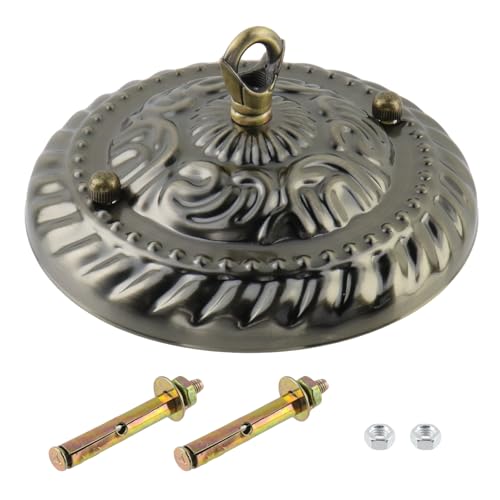 Tighall Ceiling Lighting Plate Lamp Base Ceiling Light Cover Pendant Light Plate with Embossed Pattern Chandelier Accessories with Screw (Antique Brass)