How to Paint a Lampshade Without It Cracking or Peeling
Painting a lampshade only works long-term if you use fabric-safe or heat-resistant paint, since regular craft paint can crack or discolor from the heat of a lit bulb. Skip the primer or sealer steps and even a careful paint job can peel within a few months, wasting the time spent on the design. This guide covers paint types, priming, base coats, adding a design, and sealing so the finish holds up.
For another door or hardware repair, How To Make A Hidden Bookshelf Door: DIY gives readers a closely related troubleshooting step. For a related storage or furniture fix, How To Refinish A Dresser With Chalk Paint Like A Pro helps readers compare the next practical option, and Best Paint Finish For A Dresser is worth checking before starting either project.
Why Painting Your Lampshade is a Genius DIY Move
Lampshades are powerful elements in a room. They are often one of the largest fabric surfaces and play a crucial role in setting the mood and style. When a lampshade isn’t quite right, it can throw off the whole vibe. Buying a new one can be costly, and a custom shade can cost hundreds of dollars. Painting your existing lampshade is a fantastic way to achieve a high-end look without the high-end price tag. It’s also an incredibly rewarding creative outlet! You get to design something that is uniquely you.
Benefits of Painting Your Lampshade
- Cost-Effective: Significantly cheaper than buying a new shade.
- Customization: Create any color or pattern imaginable.
- Eco-Friendly: Upcycle an existing shade instead of discarding it.
- Skill Building: A simple project that boosts your DIY confidence.
- Unique Style: Make your home decor truly one-of-a-kind.

Gather Your Supplies: What You’ll Need to Paint a Lampshade
Before we dive into the fun part, let’s make sure you have everything ready. Having all your supplies on hand will make the process smooth and enjoyable. Don’t worry; most of these items are readily available at your local craft or hardware store, and many you might already have around the house!
Lampshade Painting Essentials
- Lampshade: Choose one made of fabric, paper, or a material that won’t melt or warp from heat (most standard shades are fine). Check manufacturer guidelines if unsure.
- Paint:
- Fabric Paint: Ideal for most fabric lampshades. It remains flexible after drying, preventing cracking. Look for acrylic-based fabric paints.
- Spray Paint: A quick and easy option, especially for intricate designs or darker shades. Ensure it’s suitable for fabric or your specific shade material.
- Acrylic Craft Paint: Can be used for stenciling or detailed work, but may require a fabric medium to keep it flexible.
- Primer (Optional but Recommended): Especially if painting a dark shade a lighter color, or if the surface is slick. A spray primer designed for fabric or general use works well.
- Paintbrushes: A variety of sizes – a larger one for base coats, smaller ones for details, and a foam brush for smooth application.
- Spray Bottle with Water: For diluting paint slightly if needed, creating subtle effects, or cleaning brushes.
- Painter’s Tape: For creating clean lines and masking off areas.
- Stencils (Optional): If you want to add patterns or graphics.
- Protective Coverings: Newspaper, drop cloth, or old sheets to protect your work area.
- Gloves: To keep your hands clean.
- Pencil or Chalk: For marking your design.
- Clear Sealant (Optional): A spray sealant can add durability and a matte or satin finish.
- Damp Cloth: For wiping away mistakes or cleaning up.
Step-by-Step Guide: How to Paint a Lampshade Like a Pro
Ready to transform that lampshade? Follow these simple steps, and you’ll have a stylish new addition to your home in no time. We’ll cover everything from preparation to the final touch!
Step 1: Prepare Your Workspace and Lampshade
First things first, let’s get ready. Find a well-ventilated area, like a garage, outdoors, or a room with open windows. Lay down your protective coverings to catch any drips or overspray. Then, carefully remove the lampshade from its base. Gently wipe down the lampshade with a slightly damp cloth to remove any dust or grime. Let it dry completely. If your lampshade has any wrinkles or creases, you might want to gently iron them out on a low setting (test on an inconspicuous area first if unsure about the fabric).
Step 2: Apply Primer (Optional but Recommended)
If you’re painting a dark shade a light color, or if your shade material is slick or has a strong pattern, primer is your best friend. It helps your paint adhere better and creates a more uniform base. If using spray primer, hold the can about 8-10 inches away and apply in light, even coats. Rotate the shade to cover all sides, allowing each coat to dry according to the product instructions. A light, even coating is better than one heavy, drippy one.
Step 3: Apply Your Base Coat
Now for the color! If you’re using spray paint, follow the same technique as with the primer: light, even coats from 8-10 inches away, rotating the shade. If you’re using fabric paint and a brush, start at the top and work your way down in smooth, overlapping strokes. Avoid applying too much paint, which can make the fabric stiff. Allow the first coat to dry completely. The drying time will vary depending on the paint type and humidity, but typically 30 minutes to a couple of hours. You’ll likely need a second coat for full coverage. Apply subsequent coats thinly and evenly, allowing them to dry in between.
Best Lampshade Paint Pick
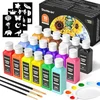
Shuttle Art Fabric Paint 18 Colors – $19.99
A ready-to-use fabric paint set that skips the extra step of mixing acrylic with fabric medium, matching the heat-resistant paint type this guide recommends for a shade near a hot bulb.
- Best for: Buyers who want fabric-safe paint without mixing anything
- Why we picked it: 18 colors ready to use straight from the bottle, no fabric medium needed
- Main drawback: Bottled paint needs a brush, not spray-ready
Compare more fabric paint and sealers
 Option 1 7 Artists Fabric Medium for Acrylic Paint – $8.99
|
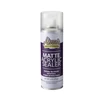 Option 2 Aleenes Spray Finish Acrylic Sealer – $6.94
|
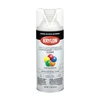 Option 3 Krylon COLORmaxx Acrylic Clear Finish – $4.48
|
As an Amazon Associate we earn from qualifying purchases.
Step 4: Add Your Design – Stencils, Patterns, or Freehand
This is where your creativity shines! Here are a few ideas and techniques:
- Stenciling: Secure your stencil firmly to the dry lampshade using painter’s tape. Lightly brush or sponge on your accent color, ensuring you don’t overload your brush. Carefully lift the stencil to reveal your design. Repeat as desired.
- Ombre/Gradient Effect: Create a beautiful fade by starting with your darkest color at the bottom and gradually adding more white paint (or a lighter shade of the same color) as you move upwards. You can dilute fabric paint with a bit of water to make blending easier.
- Geometric Patterns: Use painter’s tape to create sharp lines and geometric shapes. Apply paint within the taped areas, let it dry, and then carefully peel off the tape for crisp edges.
- Freehand Designs: If you’re feeling artistic, use smaller brushes to paint freehand elements like dots, stripes, swirls, or even simple illustrations.
- Dipped Look: To achieve a “dipped” effect, measure where you want the color to start, mask off the area with painter’s tape, and paint below the tape.
When working with multiple colors, ensure each layer is completely dry before applying the next, especially if you’re using tape techniques to avoid bleed-through.
Step 5: Allow Paint to Cure
Once you’re happy with your design, let the lampshade dry thoroughly. Check the paint manufacturer’s instructions for curing times. Curing is different from just drying; it’s when the paint reaches its maximum hardness and durability. This can take anywhere from 24 hours to several days. Avoid touching or stressing the painted surface during this time.
Step 6: Apply a Sealer (Optional)
For added durability and protection, especially for shades that will get a lot of use or be in direct light, consider a clear spray sealant. Choose a matte, satin, or gloss finish depending on your preference. Apply it in light, even coats, similar to how you applied primer and paint. Ensure the paint is fully cured before sealing.
Step 7: Reattach and Enjoy!
Once the paint and any sealant are completely dry and cured, it’s time to put your newly transformed lampshade back on its base. Screw in a lightbulb (consider an LED bulb, which stays cooler than traditional incandescent bulbs, thereby protecting your painted shade), turn it on, and admire your handiwork!
Choosing the Right Paint for Your Lampshade Project
The type of paint you use is crucial for a successful and durable finish. Different lampshade materials and desired effects call for different paint types. Here’s a quick breakdown:
| Paint Type | Best For | Pros | Cons |
|---|---|---|---|
| Fabric Paint (Acrylic-Based) | Most fabric lampshades. | Flexible, won’t crack or flake when dry. Wide range of colors. Can be brushed or sponged. | May require multiple thin coats. Can be more expensive than craft acrylics. |
| Spray Paint (Fabric-Specific) | Fabric, paper, and some plastic shades. Great for even coverage and intricate patterns. | Fast application. Even coverage. Quick drying. Available in many finishes. | Requires good ventilation. Can be tricky to apply evenly without drips. Potential for overspray. |
| Acrylic Craft Paint | Stenciling, detailed work, small projects. Can be used on harder surfaces like plastic or metal frames. | Widely available, inexpensive. Huge color selection. Good for detail work. | Can make fabric stiff if not diluted. May crack on flexible surfaces if not properly prepared or sealed. Needs a fabric medium for best results on fabric. |
| Chalk Paint | Harder surfaces like metal lamp bases or some plastic shades. | Matte finish, adheres well to many surfaces. No primer needed for some applications. | Not ideal for flexible fabric shades as it can chip. Not washable on its own. |
Pro Tip: For fabric shades, always opt for paints that remain flexible after drying. This is key to prevent cracking and peeling down the line. You can often find fabric mediums that you can mix with regular acrylic paints to achieve this flexibility. Always test your chosen paint on an inconspicuous area of the lampshade first, or on a scrap piece of similar material.
Creative Ideas to Inspire Your Lampshade Painting
Now that you know the “how,” let’s talk about the “what”! What kind of amazing designs can you create? The possibilities are endless, but here are a few popular and inspiring ideas to get your creative juices flowing:
- Geometric Glam: Think clean lines, triangles, chevrons, or hexagonal patterns in metallic gold, silver, or a bold contrasting color against a neutral background.
- Ombre Fade: A soft gradient from light to dark, or one color subtly blending into another, can add sophisticated flair.
- Polka Dots Galore: A classic for a reason! Experiment with dot size, color, and spacing for a playful or chic look.
- Botanical Beauty: Stencil delicate leaves, vines, or floral motifs for a touch of nature-inspired elegance.
- Abstract Art: Embrace your inner artist with splotches, drips, or freehand brushstrokes for a modern, expressive piece.
- Silhouette Surprise: Paint silhouettes of birds, trees, or cityscapes for a whimsical touch.
- Color Blocking: Divide the lampshade into bold blocks of color for a contemporary and graphic statement.
- Subtle Texture: Use sponges or crumpled paper with paint to add subtle texture and depth.
Don’t forget the frame! If your lampshade has a metal frame, don’t be afraid to paint that too, especially if it’s showing signs of rust or an undesirable color. Use spray paint designed for metal for a durable finish. This can tie the whole look together perfectly.
Troubleshooting Common Lampshade Painting Problems
Even the most straightforward DIY can hit a small snag. Here’s how to handle common issues you might encounter:
- Paint is too stiff/brittle: You likely used a paint that doesn’t remain flexible, or you applied it too thickly. For future projects, use fabric-specific paints or add a fabric medium to acrylics. If it’s already a problem, you might have to live with it, or carefully peel off the paint and try again with the right product or technique.
- Uneven coverage or streaks: This usually happens with brush-on paint. Ensure you are applying thin, even coats, and that your brush is loaded with enough paint but not too much. Rotate the shade frequently and try to keep your strokes consistent.
- Paint is bleeding under the tape: This is often because the tape wasn’t sealed down firmly enough, or the paint was applied too thickly. Try pressing down firmer on the tape edges, and use a very thin coat of paint. You can also try applying a very thin coat of your base color over the tape edge once it’s on, letting it dry, and then painting your design color. This seals the edge.
- Overspray on unwanted areas: Use more protective coverings! A bit of planning can save you a lot of cleaning. If it happens, try to wipe it away with a damp cloth immediately if it’s fresh spray paint still wet.
- The shade is slightly warped: Some thinner materials might warp slightly if over-saturated with liquid paint. This is why thin, even coats are so important, especially with spray paint or diluted paints. If it’s a minor warp, it might settle as it dries.
Remember, perfection isn’t the goal here – a beautifully refreshed and personalized lampshade is! Most minor imperfections add to the charm of a handmade item.

FAQ: Your Lampshade Painting Questions Answered
Q1: Can I paint any type of lampshade?
A1: It’s best to paint shades made from fabric, paper, or certain synthetic materials. Avoid lampshades that are made of materials like plastic that could melt or warp from heat, or very delicate, antique fabrics unless you’re very experienced. Always check the material and test your paint first!
Q2: Do I need to use a primer?
A2: A primer is often recommended, especially if you’re painting a dark shade a light color, or if the shade material is slick. Primer helps your paint adhere better and ensures a more vibrant, even color.
Q3: How many coats of paint will I need?
A3: This depends on the paint color, the original lampshade color, and the type of paint. Most projects require two to three thin coats for full, even coverage. Always let each coat dry completely before applying the next.
Q4: Will the paint make my lampshade stiff?
A4: If you use fabric paint or acrylic paint thinned with a fabric medium, it should remain flexible. Applying paint too thickly can make the fabric stiff regardless of the paint type. Thin, even coats are key!
Q5: Can I paint a lampshade with a pattern on it?
A5: Yes! You can paint over a pattern. A primer might be especially helpful here to ensure your new color covers the old pattern effectively. You can also use the existing pattern as a base for a new design, perhaps painting over it with a solid color or incorporating it into a new stencil design.
Q6: How do I clean my painted lampshade?
A6: Gently dust your painted lampshade with a soft brush or a dry microfiber cloth. If it needs a bit more cleaning, use a slightly damp cloth. Avoid harsh scrubbing or wet cloths, as this can damage the paint. For fabric paints, check the product’s cleaning recommendations.
Q7: What kind of lightbulb should I use with a painted lampshade?
A7: It’s recommended to use LED bulbs. They produce very little heat, which is safer for painted lampshades and helps prevent the paint from degrading over time. Traditional incandescent bulbs can get quite hot, which could potentially affect the paint or the shade material.
Conclusion: Light Up Your Style!
See? Painting a lampshade is a truly accessible, incredibly rewarding DIY project that can dramatically impact your home’s aesthetic. You’ve learned how to choose the right supplies, prepare your space and shade, apply paint smoothly for beautiful coverage, and get creative with designs. Whether you opt for bold geometric patterns, a subtle ombre fade, or playful polka dots, your custom lampshade will add a personal touch that store-bought options simply can’t match.
Products related to this article
Sponsored / affiliate links. As an Amazon Associate I earn from qualifying purchases. I may earn additional commission from eligible campaigns.