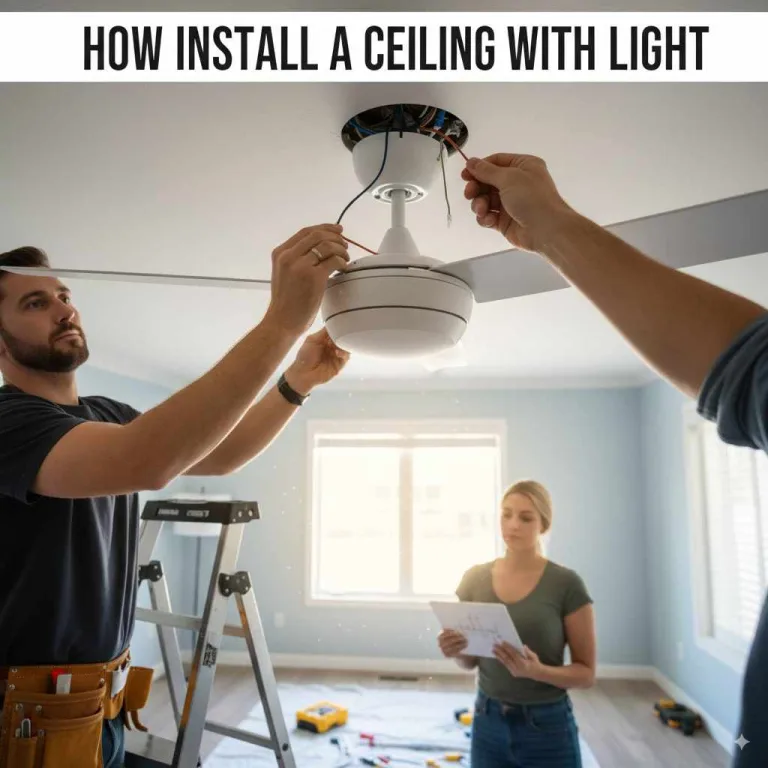
How to Install Canless Recessed Lighting (No Housing Needed)
Canless recessed lighting mounts directly to drywall with spring clips, skipping the bulky metal housing traditional recessed cans need. That means a smaller ceiling cutout using the included template instead of a full can-sized hole. This guide covers the tools, wiring, and step-by-step mounting process.
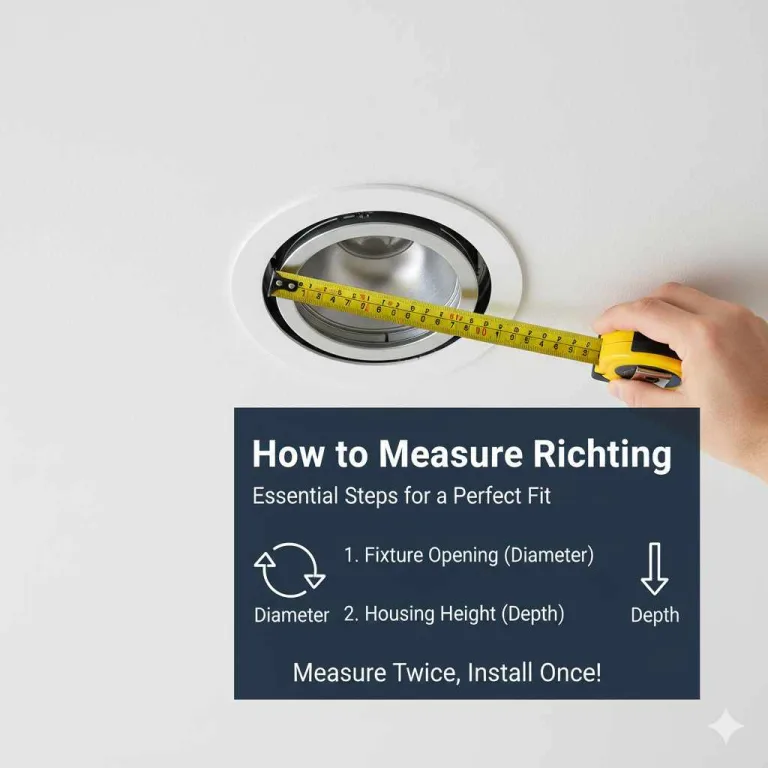
Measure your ceiling layout first – see how to measure recessed lighting before you buy fixtures.
Why Choose Canless Recessed Lighting?
Canless recessed lighting, also known as wafer-thin or rimless recessed lights, are a fantastic upgrade for any home. Unlike traditional recessed lights that require a bulky “can” housing, these modern fixtures are incredibly slim and designed for easier installation. They offer a clean, minimalist look that fits perfectly with any decor style, from contemporary to farmhouse. Plus, they provide excellent, even illumination without dark shadows.
Prefer the traditional can-based approach instead? See how to install recessed lighting in a ceiling.
Benefits at a Glance
- Sleek Aesthetics: Minimal visual clutter for a modern look.
- Easy Installation: Designed for quicker, simpler DIY projects.
- Versatile: Suitable for various ceiling types and room sizes.
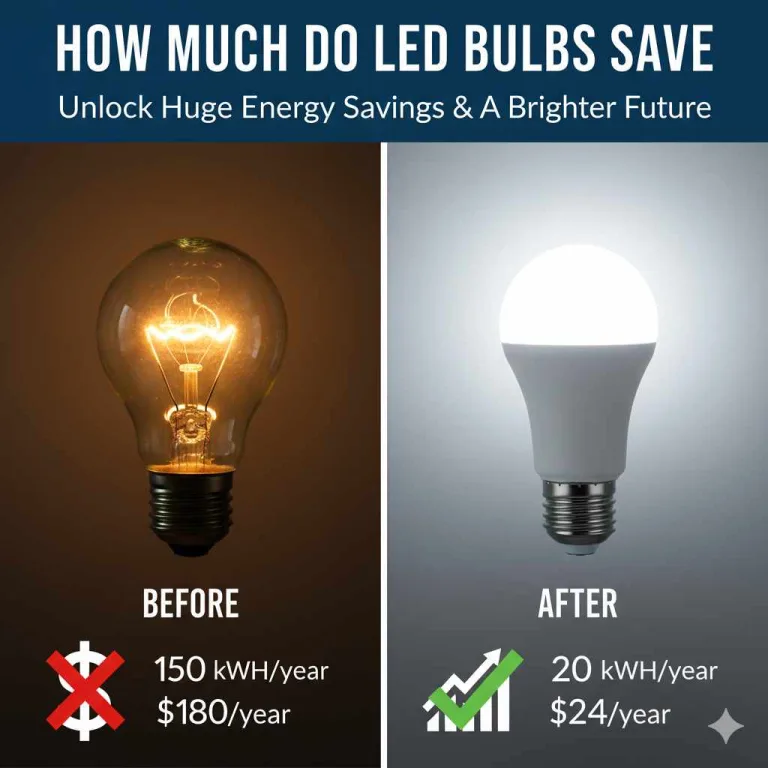
- Energy Efficient: Often use LED technology, saving on electricity bills.
- Improved Ambiance: Provides uniform, pleasant lighting.

Gather Your Tools and Materials
Before you start, let’s make sure you have everything you need. Having all your supplies ready will make the installation process smooth and enjoyable.
Essential Tools
- New Canless Recessed Lights: Ensure you have the correct number and size for your project.
- Wire Strippers/Cutters: For preparing electrical wires.
- Screwdriver Set: Both Phillips and flathead.
- Cordless Drill/Driver: For attaching mounting clips and making holes.
- Drywall Saw or Oscillating Multi-Tool: To cut holes in the ceiling.
- Measuring Tape: For precise placement.
- Pencil: For marking.
- Stud Finder: Crucial for locating ceiling joists to avoid cutting them.
- Voltage Tester (Non-Contact): To ensure power is off. Safety First!
- Wire Nuts: To secure electrical connections.
- Ladder: A stable one, of course!
- Safety Glasses: Protect your eyes.
- Gloves: For a better grip and protection.
Materials
- Canless recessed light fixtures (with their included drivers/junction boxes)
- Electrical wire (if extending from an existing fixture, check local codes for correct gauge)
- Electrical tape
Best Canless Light Kit Pick
Sunco 24-Pack 6″ Canless LED, Dimmable – $69.99
Ultra-thin canless design matches the no-housing installation method this guide walks through.
- Best for: Whole-house or multi-room installs needing a large pack of matching fixtures
- Why we picked it: Dimmable and ultra-thin, so it mounts flush without the deep housing this guide says canless lights skip
- Main drawback: 24-pack is overkill for a single small room
Compare more options
 Option 1 HALO 5CCT Color-Select, 4-Pack – $102.00
|
 Option 2 Amico 12-Pack 6″ Canless Wafer Light – $56.68
|
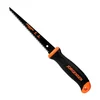 Option 3 6″ Drywall Jab Saw – $9.48
|
As an Amazon Associate we earn from qualifying purchases.
Step-by-Step Installation Guide
Let’s get started! This guide will walk you through installing your new canless recessed lights. Remember, safety is paramount. Always ensure the power is completely switched off before you begin any electrical work.
Step 1: Plan Your Lighting Layout
Thoughtful placement makes a big difference! Consider the room’s function and the desired mood.
- Measure and Mark: Use your measuring tape to decide where each light will go. Aim for even spacing. A good rule of thumb is to place lights about 3-5 feet apart for general illumination.
- Check for Obstructions: Use a stud finder to locate ceiling joists, pipes, or existing wiring. You don’t want to cut into these! Mark any obstructions so you know to adjust your placement.
- Consider Existing Wiring: If you’re replacing existing lights, you’ll likely use that power source. If adding new lights, you’ll need to run new wiring, which can be more complex and might require professional help if you’re not comfortable. For this guide, we’ll focus on replacing existing fixtures.
Step 2: Turn Off the Power – The Most Important Step!
This cannot be stressed enough. Safety first!
- Locate Your Breaker Box: Find the main electrical panel for your home.
- Identify the Correct Circuit: Find the breaker switch that controls the lights in the area where you’ll be working.
- Flip the Breaker: Turn the designated breaker to the “OFF” position.
- Verify Power is Off: Before touching any wires, use your non-contact voltage tester to confirm there is no power at the existing light fixture location. Test all wires and connections.
If you’re unsure which breaker controls the lights, it’s best to turn off the main breaker for the entire house. Just remember to turn it back on when you’re finished!
Step 3: Remove the Old Fixture (If Applicable)
If you’re replacing an old light, carefully remove it.
- Remove Trim/Cover: Gently pry or unscrew the cover of the old fixture.
- Disconnect Wires: You’ll see wires connected with wire nuts. Unscrew the wire nuts and separate the wires.
- Remove Fixture Body: Unscrew or release the old fixture from its housing.
- Remove Old Housing: If you have a traditional recessed can, you might need to remove it entirely to make way for the canless fixture’s junction box.
Step 4: Prepare the Ceiling Opening
Canless lights usually require a specific size hole. Some come with a template to help.
- Mark the Hole: If your new fixtures didn’t come with a template, measure the diameter of the light fixture’s trim and draw a circle on the ceiling where the light will go, ensuring it’s centered in your desired spot and away from joists.
- Cut the Hole: Using your drywall saw or oscillating tool, carefully cut along the marked line. Go slowly to avoid making the hole too large or damaging surrounding drywall.
- Clear Debris: Remove any loose drywall or insulation from around the opening.
Step 5: Connect the Wiring
This is where the magic happens! Your canless lights come with a separate driver or junction box.
- Access the Junction Box: Open the junction box that came with your new light.
- Identify Wires: You’ll typically find black (hot), white (neutral), and green or bare copper (ground) wires in your ceiling box, and corresponding wires on your light’s driver/junction box.
- Make Connections (Refer to Manufacturer Instructions):
- Connect the black wire from your ceiling to the black wire on the driver.
- Connect the white wire from your ceiling to the white wire on the driver.
- Connect the ground wire (green or bare copper) from your ceiling to the ground wire on the driver.
- Secure Connections: Use wire nuts to securely twist the corresponding wires together. Ensure a snug fit. You can wrap them with electrical tape for extra security. Follow the specific instructions that came with your lights, as wire colors can sometimes vary slightly.
- Tuck Wires: Neatly tuck the connected wires back into the junction box and close the cover.
For more in-depth information on basic electrical wiring safety, the Occupational Safety and Health Administration (OSHA) provides excellent resources: OSHA Electrical Safety Standards.
Step 6: Install the Fixture
This is usually the easiest part!
- Insert the Driver: Gently push the junction box/driver into the ceiling opening.
- Insert the Light: Carefully push the wafer-thin light fixture into the same opening. It should sit flush with the ceiling. Spring-loaded clips will usually pop out and secure the light in place.
- Ensure it’s Snug: Make sure the fixture is secure and sits evenly against the ceiling without any gaps.
Step 7: Test Your New Lights
The moment of truth!
- Restore Power: Go back to your breaker box and flip the breaker back to the “ON” position.
- Check Operation: Flick the light switch. Your new canless recessed lights should illuminate beautifully!
- Troubleshooting: If a light doesn’t turn on, immediately go back and turn off the power at the breaker. Double-check all your wire connections. Ensure the wire nuts are tight and all wires are properly seated.
Tips for a Professional Finish
Want your DIY lights to look like they were installed by a pro? Here are a few extra tips:
Placement Perfection
- Consider Room Size: For larger rooms, more lights might be needed. For smaller spaces, fewer well-placed lights can be sufficient.
- Task Lighting: Place lights strategically over work areas like kitchen counters or reading nooks.
- General Illumination: Distribute lights evenly for overall brightness.
- Avoid Overlap: Aim for balanced coverage, so you don’t have overly bright spots and dark corners.
Dealing with Existing Wiring
If you’re extending lighting into a new area, running new wires can be tricky. Research proper wiring techniques or consult with an electrician. Websites like This Old House offer great DIY guidance on running wires, but always prioritize safety and code compliance.
Finishing Touches
- Clean the Area: Wipe away any dust or smudges from the ceiling and the new fixtures.
- Check for Gaps: Ensure all lights are flush and there are no unsightly gaps between the fixture and the drywall.

Canless vs. Traditional Recessed Lighting
Deciding between the two? Here’s a quick comparison:
| Feature | Canless Recessed Lighting | Traditional Recessed Lighting |
|---|---|---|
| Installation Complexity | Easier, shallower profile allows for more placement options. | More complex; requires deeper housing (“can”) that must fit between joists. |
| Housing | No bulky can required; uses a small integrated junction box. | Requires a metal or plastic “can” housing installed above the ceiling line. |
| Ceiling Depth | Can fit in ceilings as shallow as 4 inches. | Typically requires 6-8 inches of ceiling depth clearance. |
| Aesthetics | Sleek, modern, minimal appearance. | Can have a more prominent trim, sometimes appearing bulkier. |
| Versatility | Great for remodels, popcorn ceilings, or shallow joist spaces. | Ideal for new construction or spaces with ample ceiling depth. |
| Cost | Can be comparable or slightly more expensive per unit, but installation savings can offset this. | Fixtures can sometimes be less expensive individually, but installation can be more labor-intensive/costly. |
Frequently Asked Questions (FAQ)
Q1: Do I need an electrician to install canless recessed lighting?
For basic replacement of existing fixtures where power is accessible and you’re comfortable with basic wiring, many homeowners can successfully install canless lights themselves. However, if you’re adding new circuits, unsure about electrical codes, or uncomfortable with any part of the process, hiring a qualified electrician is always the safest option.
Q2: Can I install canless lights in a ceiling with popcorn texture?
Yes! Canless recessed lights are often ideal for ceilings with popcorn texture or other textures because their low profile means less disruption to the existing ceiling surface. The trim sits nearly flush, making them blend in beautifully.
Q3: How many canless lights do I need for a room?
This depends on the room size, ceiling height, and desired light level. A common rule of thumb for general lighting is to place lights 3-5 feet apart. A lighting calculator or a quick online search for “lighting layout calculator” can help you determine the optimal number and placement for your specific room.
Q4: Can I put canless recessed lights on a dimmer switch?
Absolutely! Most modern LED canless recessed lights are dimmable. Ensure the lights you purchase are labeled as “dimmable” and that your dimmer switch is compatible with LED lights. Standard incandescent dimmers won’t work well and can cause flickering or damage.
Q5: What is the difference between a canless light’s driver and junction box?
For canless recessed lighting, the terms “driver” and “junction box” are often used interchangeably or refer to integrated components. The driver is the part that regulates the power (especially for LEDs), and it’s usually housed within or attached to a small junction box where you make the wire connections. Essentially, it’s the small electrical hub for your light.
Q6: What if my ceiling has angled joists or other obstructions?
This is where careful planning with a stud finder is crucial. You may need to slightly adjust the placement of your lights to avoid obstructions. In some cases, especially with older homes or complex framing, it might be necessary to consult a professional to ensure safe and proper installation.
Conclusion
See? You’ve got this! Installing canless recessed lighting is a totally achievable DIY project that can dramatically enhance your home’s style and comfort. By following these simple steps, gathering your tools, and prioritizing safety, you can confidently brighten up your living spaces. Think of the beautiful, even light you’ll enjoy every day. It’s amazing what a few well-placed lights can do to transform a room from ordinary to extraordinary. Now go forth and shine! Your beautifully lit home awaits.
Products related to this article
Sponsored / affiliate links. As an Amazon Associate I earn from qualifying purchases. I may earn additional commission from eligible campaigns.