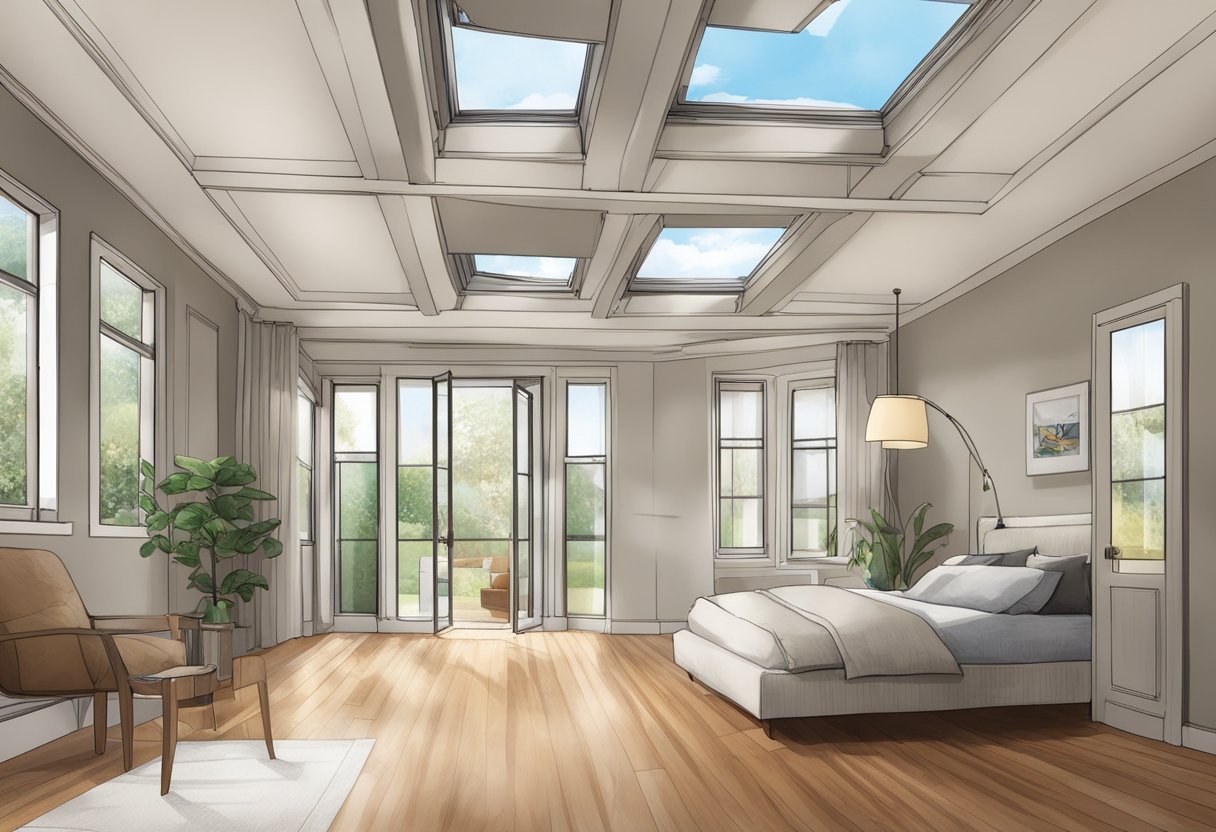
After removing a skylight, you have 5 real options for the ceiling: patch and paint, install new drywall, build a full new ceiling, or add a skylight well or tunnel that still lets filtered light through. Skip patching the hole properly and the exposed opening lets air and moisture into the attic, driving up energy costs until it is sealed. This guide covers all 5 options with real pros and cons, plus insulation and lighting to consider.
For a related lighting project once the opening is closed, How To Install Recessed Lighting In Ceiling is a useful next step, and How To Hang A Pendant Light covers another lighting option worth considering.
Step 1: Think about the current situation
First things first, check the ceiling’s condition before doing anything. If it’s in good shape, removing the skylight and fixing the hole will be easier. But if there are issues, it’s essential to address them first.
Think about your goals for the project. Are you trying to make the room look better? Do you want more natural light? Or maybe you’re removing the skylight to save energy. Knowing your goals will guide your decisions.
Set a budget for the project. This helps you figure out what materials and services you can afford. Removing a skylight and fixing the ceiling can be complicated and take time, so make sure you have enough funds for a proper job.
Step 2: Explore your options
After taking out skylights, you have different choices for what to do with the ceiling. Each option has its good and not-so-good points. The decision mainly depends on what the homeowner likes, how much they want to spend, and the condition of the ceiling.
Option 1: Patch and Paint (Simple and Affordable)
One of the simplest and most affordable options is to patch and paint the ceiling. This involves filling the hole left by the skylight and painting the ceiling to match the existing color. The process is relatively straightforward, and homeowners can do it themselves with the right tools and materials.
Pros:
- Simple and affordable
- Can be done by homeowners with basic DIY skills
- Can be completed quickly
Cons:
- May not look as seamless as other options
- May not add value to the home
Option 2: Install New Drywall (Durable and Smooth Finish)
Another option is to install new drywall over the hole left by the skylight. This option provides a durable and smooth finish and can be painted to match the existing ceiling color. However, it requires more work and expertise than patching and painting.
Pros:
- Provides a durable and smooth finish
- Can be painted to match the existing ceiling color
- Adds value to the home
Cons:
- Requires more work and expertise than patching and painting
- May be more expensive than other options
Best Drywall Repair Kit Pick
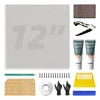
Drywall Repair Panel 12 by 12 Inch Patch Kit Large – $32.99
Sized for the Patch and Paint option this guide lists first, a 12×12 panel is closer to the actual size of a skylight cutout than a small nail-hole patch.
- Best for: The Patch and Paint option covered above for a full skylight opening
- Why we picked it: 12×12 inch panel covers a skylight-sized hole in one piece instead of piecing together several small patches
- Main drawback: Still needs paint matching afterward for a seamless finish
Compare more drywall and spackle repair kits
 Option 1 Gorilla Wall Repair Kit Heavy Duty Spackling – $14.28
|  Option 2 Bates Drywall Repair Kit Aluminum Wall Patch – $8.85
|  Option 3 Ranekie 14 Pack Drywall Repair Patch Multi Size – $13.99
|
As an Amazon Associate we earn from qualifying purchases.
Option 3: Install a New Ceiling (Flexible and Stylish)
Installing a new ceiling is a more drastic option but provides homeowners with the most flexibility and style. Homeowners can choose from a variety of materials, such as wood, metal, or plaster, and can add architectural features such as beams or crown molding.
Pros:
- Provides the most flexibility and style
- Can add value to the home
- Can improve the overall aesthetic of the room
Cons:
- Requires more work and expertise than other options
- May be the most expensive option
Option 4: Install a Skylight Well (Natural Light Without the Leaks)
If homeowners still want natural light without the skylight, they can install a skylight well. A skylight well is a reflective tube that directs natural light from the roof to the ceiling without the risk of leaks.
Pros:
- Provides natural light without the risk of leaks
- Can be installed in most rooms
- Can improve the overall aesthetic of the room
Cons:
- May not be as effective as a skylight
- May be more expensive than other options
Option 5: Install a Skylight Tunnel (Bring Light to Dark Spaces)
Similar to a skylight well, a skylight tunnel brings natural light to dark spaces in the home. However, a skylight tunnel is a more extensive system that requires a larger hole in the ceiling and roof.
Pros:
- Provides natural light to dark spaces
- Can be installed in most rooms
- Can improve the overall aesthetic of the room
Cons:
- May be more expensive than other options
- May require more work and expertise than other options
Step 3: Things to Remember

After removing skylights from your ceiling, there are a few things to keep in mind to ensure a successful project.
Insulation
It is essential to add insulation to your ceiling to keep your home warm in the winter and cool in the summer. Proper insulation will also help reduce energy costs. Make sure to choose the right type of insulation for your home and follow the manufacturer’s instructions for installation.
Lighting
When it comes to lighting, there are several options to choose from, including recessed lights, track lights, pendant lights, or another option. Consider the size of your room and the amount of natural light it receives to determine the best lighting solution. Also, make sure to choose energy-efficient bulbs to save on energy costs.
Building Codes
Check with your local building department to see if any permits are required for your project. Some areas may have specific building codes that need to be followed, such as the type of insulation or lighting fixtures used.