
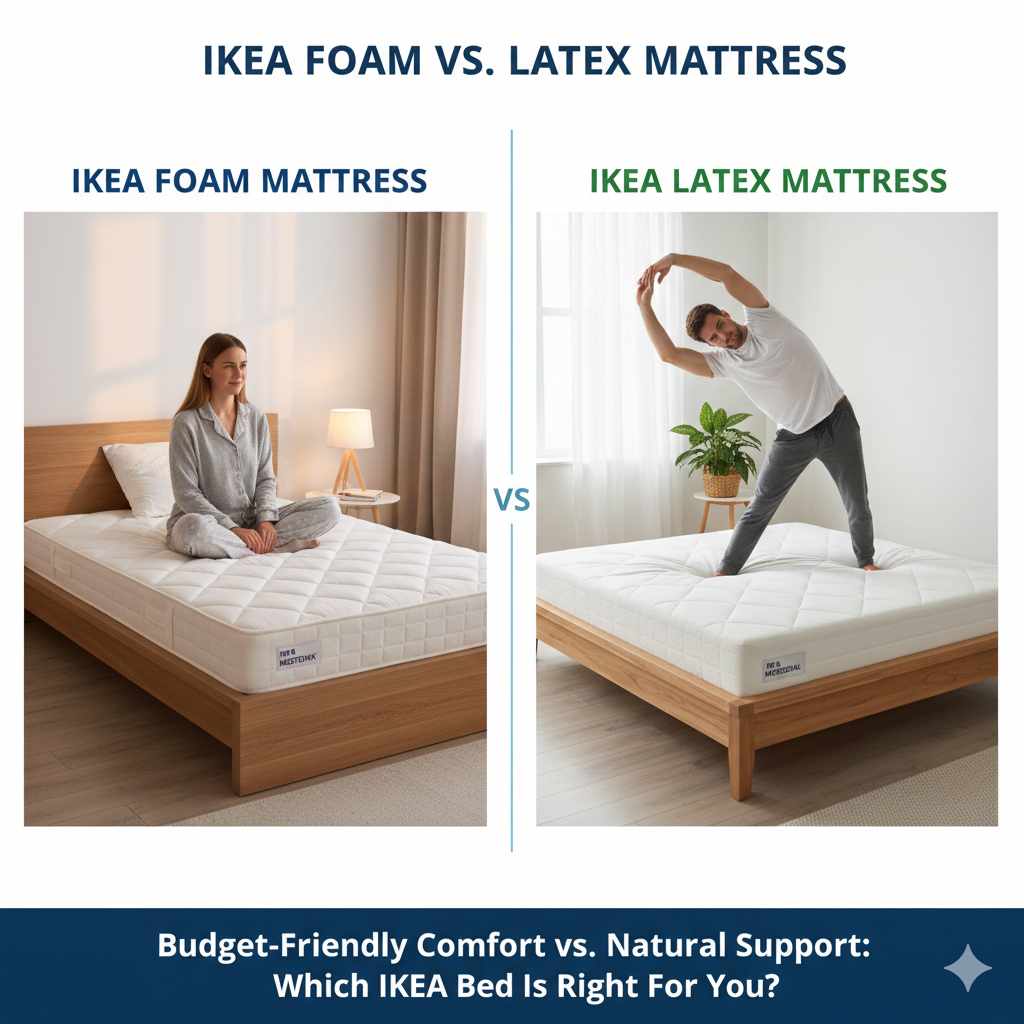
Ikea foam mattresses are budget-friendly and soft, while latex offers superior durability and cooling. For beginners, foam is easier to handle, but latex provides better long-term value and support, making the choice depend on your budget and sleep needs.
Choosing a new mattress can feel like a huge task. You visit the store, and suddenly you are surrounded by confusing terms like “polyurethane” and “natural Dunlop.” It’s easy to feel overwhelmed when deciding between the affordable comfort of an Ikea foam mattress and the resilient support of latex. Don’t worry! We’re breaking down this comparison simply. Think of me, Dustin, as your guide. We will look at feel, cost, lifespan, and how they handle daily use. By the end of this guide, you will be confident you picked the right match for your great night’s sleep.
Understanding the Core Materials: Foam vs Latex
When we talk about mattresses, foam and latex are the two big players in the non-spring category. They feel quite different under your body, and they are made using different processes. Knowing the basics helps you understand why one might cost more or last longer than the other.
What Exactly is Foam Mattress Material?
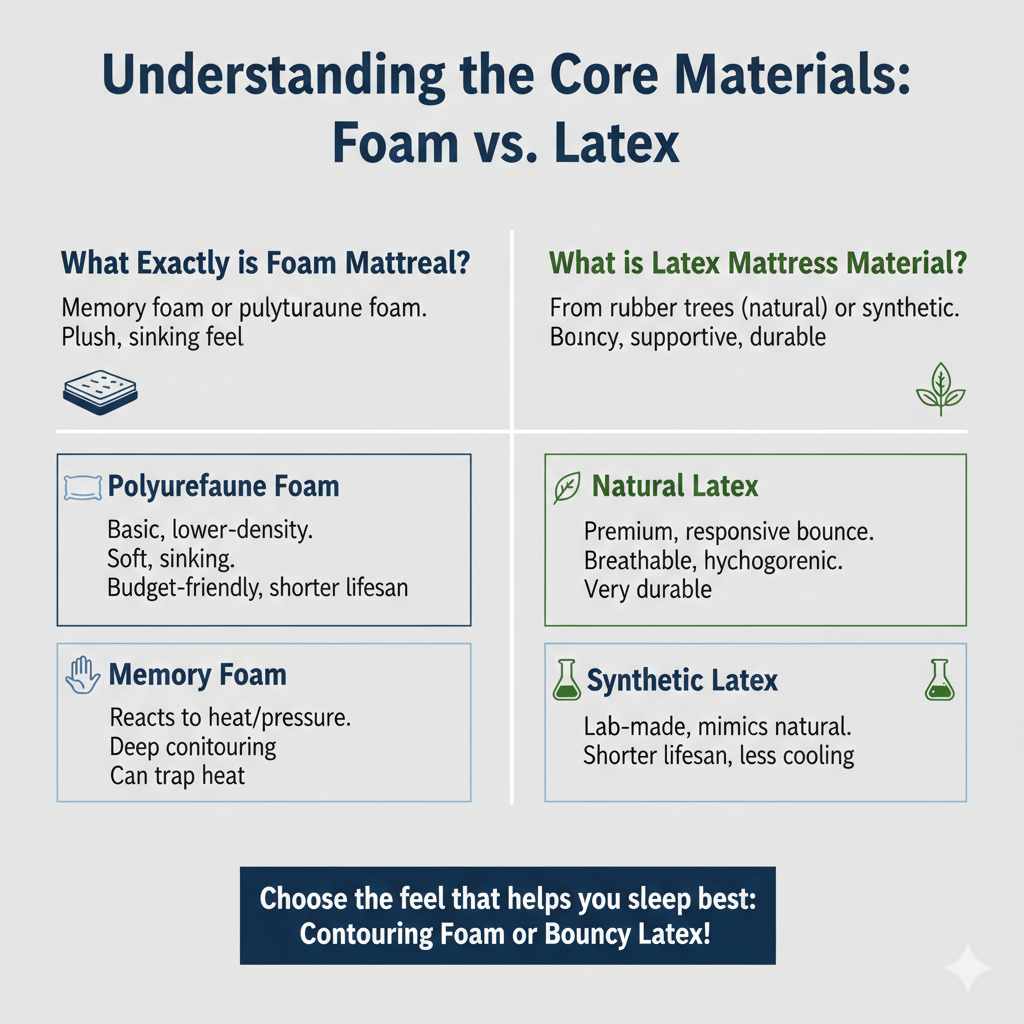
When most people say “foam mattress,” they usually mean memory foam or polyurethane foam. Ikea uses these types extensively because they are easy to produce and keep the price low. Think of them like super-plush cushions.
Polyurethane Foam (The Standard Stuff at Ikea}
This is the basic, lower-density foam. It’s light and offers a soft, sinking feeling. It’s great for temporary use or those on a very tight budget. However, it breaks down much faster than other materials.
Memory Foam (Viscoelastic Foam)
Memory foam is special because it reacts to your body heat and pressure. It molds perfectly to your shape, offering deep contouring. This is why it feels like you are “sinking in.” While Ikea offers versions of this, it can sometimes trap heat, leading to warmer nights.
What is Latex Mattress Material?
Latex is fundamentally different. It comes from the sap of rubber trees. This means it’s a natural resource, though synthetic latex also exists. Latex is known for being bouncy, supportive, and incredibly durable.
Natural Latex
This is the premium option. It’s created by whipping the rubber tree sap into a stable foam. Natural latex offers immediate responsiveness—you sink in slightly and then feel immediately pushed back up. It’s also naturally breathable and often hypoallergenic.
Synthetic Latex
Created in a lab using petroleum-based products, synthetic latex mimics the feel of natural latex but generally has a shorter expected lifespan and may not offer the same level of natural cooling benefits.
The Essential Showdown: Ikea Foam vs. Latex Mattress
This is where we put them head-to-head. We are looking at the factors that really matter when you close your eyes at night: comfort, temperature control, and how long your money lasts.
Feel and Support
How a mattress feels is personal, but there are general trends. Foam hugs you; latex pushes back gently.
Foam Experience (The Hug)
Ikea foam options (often high-resilience or memory foam blends) excel at pressure relief. If you have sore joints or prefer sleeping on your side, that deep contouring can feel amazing initially. The downside is the feeling of being “stuck” or struggling to change positions easily.
Latex Experience (The Bounce)
Latex provides buoyant support. It cradles your curves without letting you sink deep down. This makes it much easier to move around during the night—a big plus for couples or hot sleepers. It feels responsive, almost like it’s pushing you up into alignment.
Durability and Lifespan
This is often the deciding factor when you look at the long-term cost. A cheaper mattress that needs replacing in five years might end up costing more than a pricier one that lasts a decade.
- Ikea Foam: Lower-density foams or cheaper polyurethane can start developing body impressions (valleys or dips) within 3 to 5 years. Higher-density memory foams last longer, closer to 7–8 years, but often come with a higher price tag, moving closer to entry-level latex costs.
- Latex: This material is tough! High-quality natural latex mattresses are famous for lasting 15 to 20 years or more with minimal sagging. They maintain their supportive structure much better over time.
Temperature Regulation (Staying Cool)
Nobody likes waking up sweaty. Mattress material plays a huge role in how hot or cool you sleep.
- Foam Challenges: Traditional memory foam is notorious for trapping body heat. While Ikea and other brands have introduced cooling gels or open-cell structures, foam generally insulates heat more than latex.
- Latex Advantage: Latex is naturally more breathable due to its open, airy structure, often created using processes like the Talalay method. Air flows through the core more easily, leading to a significantly cooler sleep experience.
Motion Isolation
Motion isolation is crucial if you share a bed. It measures how well the mattress absorbs movement so your partner isn’t bounced awake when you toss and turn.
- Foam Wins: Memory foam is the undisputed champion here. It dampens motion almost perfectly because the material absorbs the energy of movement rather than transferring it.
- Latex Trade-off: Because latex is bouncy, it transmits a bit more motion than deep-contouring foam. However, modern high-density latex cores are much better at isolation than they used to be.
Cost Comparison: Where Do Ikea and Latex Fit In?
Budget is often the first filter people use. Ikea is synonymous with affordability, while latex traditionally carries a premium tag.
| Mattress Type | Typical Price Range (Queen Size) | Key Takeaway |
|---|---|---|
| Ikea Entry-Level Foam (Poly/Basic) | $200 – $500 | Very budget-friendly, short lifespan expectation. |
| Ikea Higher-End Foam (Memory Blends) | $500 – $900 | Better comfort features, moderate durability. |
| Entry-Level Latex (Synthetic/Blends) | $1000 – $1600 | Great durability boost for a moderate price increase. |
| High-Quality Natural Latex | $1800+ | Longest lifespan, premium support, and cooling. |
While the initial sticker price for a natural latex mattress looks much higher, remember to calculate the cost per year. A $400 Ikea foam mattress needing replacement in four years costs $100 per year. A $1,600 latex mattress lasting 15 years costs about $107 per year. The investment often pays off.
Practical Considerations for Beginners
As a beginner dipping your toes into mattress shopping, you need practical advice on handling and setup. This is where Ikea often makes things easier.
Off-Gassing and Smell
When you unbox a new mattress, sometimes there’s a chemical smell. This is called off-gassing.
- Foam Off-Gassing: Polyurethane and memory foams can release noticeable odors for a few days or even weeks. Ikea mattresses often require a significant airing-out period in a well-ventilated room before they are comfortable to sleep on.
- Latex Off-Gassing: Natural latex has a mild, earthy, or slightly rubbery smell that usually dissipates very quickly, often within hours. If you are sensitive to chemical smells, latex is the clear winner.
Ease of Movement and Shipping
Ikea mattresses are often designed to be taken home easily, sometimes rolled up in a box or flat-packed. This makes transporting them simple.
Latex mattresses, especially those made of solid natural latex, are quite heavy! They are not usually compressed and shipped in a tiny box. Moving a latex queen mattress up a narrow staircase can be a two-person job. Keep the weight in mind if you live in an apartment or have mobility concerns.
Environmental Impact
For those who care about sustainable choices, this is a major differentiator. The manufacturing process and end-of-life cycle matter.
- Latex Sustainability: Natural latex is harvested sustainably from trees, similar to maple syrup collection. It is biodegradable and renewable. It is generally the greener choice. For more on sustainable material sourcing, you can look into resources like the Environmental Protection Agency (EPA) guidance on material lifecycle analysis.
- Foam Concerns: Most conventional foams, especially petroleum-based memory foams, are made from petrochemicals. While modern manufacturing is improving, they are not renewable and can be difficult to recycle at the end of their life.
How to Choose: Matching the Mattress to Your Sleep Style
There isn’t a single “best” material. The winning material depends entirely on what your body needs at night.
Choose Ikea Foam If You Are:
- On a strict, immediate budget.
- A strict side sleeper needing a lot of “hug” and pressure point relief.
- Sleeping alone and need excellent motion isolation so you don’t wake yourself up.
- Looking for a guest room or occasional-use mattress where lifespan isn’t the top priority.
Choose Latex If You Are:
- A hot sleeper who needs constant airflow.
- Someone who likes to change positions frequently during the night (tossing and turning is easier).
- Prioritizing the longest possible lifespan and durability (value over time).
- Concerned about natural materials and minimizing chemical exposure.
- Sleeping with a partner and need responsive support that doesn’t feel like sinking into quicksand.
Maintenance Tips for Maximum Mattress Life
No matter which mattress you choose, taking good care of it ensures you get the most out of your investment. A little preventative maintenance goes a long way.
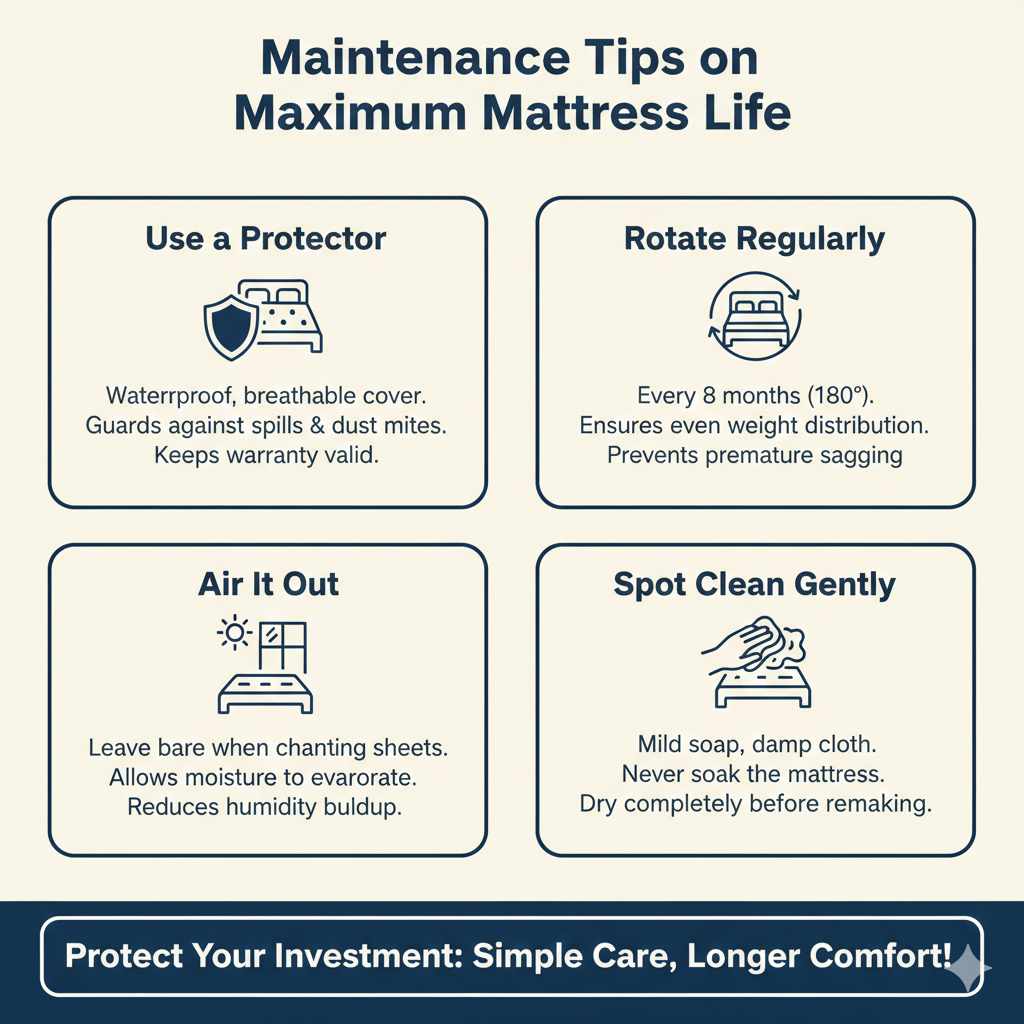
- Use a Protector: This is non-negotiable, especially with foam. A good waterproof, breathable mattress protector guards against spills, sweat, and dust mites. This keeps the warranty valid and protects the integrity of the foam layers.
- Rotate Regularly: At least every six months, rotate your mattress 180 degrees (head to foot). This ensures that weight is distributed evenly, preventing premature sagging in the main sleeping area.
- Air It Out: When you change your sheets, leave the mattress bare for a few hours to allow moisture to evaporate—this is particularly important for foam mattresses which tend to trap humidity.
- Spot Clean Gently: Never soak a foam or latex mattress. Use very mild soap and a cloth dampened with barely any water to treat small stains. Always let the area dry completely before putting sheets back on.
Frequently Asked Questions (FAQ) for Mattress Beginners
Q1: Can I put a mattress topper on an Ikea foam mattress to make it feel like latex?
A: Not exactly. A latex topper will add bounciness and durability, but it won’t change the deep sinking feeling of the foam layer underneath. However, a good latex topper can improve cooling significantly!
Q2: Are Ikea foam mattresses bad for my back?
A: It depends on the density. Very soft, cheap foams can lead to poor spinal alignment over time. If you have back pain, look for Ikea options labeled as medium-firm or ensure your base/foundation is very sturdy to provide necessary edge support.
Q3: Is natural latex hypoallergenic?
A: Yes, natural latex is inherently resistant to dust mites, mold, and mildew growth, making it highly recommended for allergy sufferers compared to many standard foam options.
Q4: How long does it take for a new foam mattress to fully expand after unboxing?
A: Most foam mattresses need 24 to 72 hours to fully decompress after being tightly boxed. It might take up to a week for the material to fully settle into its intended firmness level.
Q5: What is the main difference in firmness between foam and latex?
A: Foam generally feels like soft contouring support (sinking), while latex feels like buoyant support (staying on top of the bed). They achieve different types of support.
Q6: Do I need a special foundation for latex versus foam?
A: Both benefit from sturdy support. Foam needs slats spaced closely together (usually less than 3 inches apart) to prevent sagging between the slats. Latex also needs good support, but because it’s more resilient, it handles wider slat spacing slightly better, though close spacing is always recommended for longevity.
Making the Final Call: Trusting Your Comfort Needs
Sorting through the materials—comparing the dreamy contour of Ikea foam to the resilient structure of latex—comes down to priorities. Think of it this way: Ikea is fantastic for getting comfortable sleep affordably and quickly. They solve the immediate need beautifully.
However, if you are planning on keeping this mattress for eight years or more, suffer from sleeping hot, or prioritize eco-friendliness, putting that extra money toward a quality latex bed is usually the smarter long-term automotive maintenance equivalent—a better component upfront saves you from constant tune-ups later.
Whatever you choose—the soft embrace of foam or the bouncy stability of latex—remember that a good night’s rest is an investment in your daily energy and wellness. You have the knowledge now to navigate the jargon. Take your time, maybe try lying on both types in a showroom if you can, and drive home with confidence in your decision. You’ve got this!