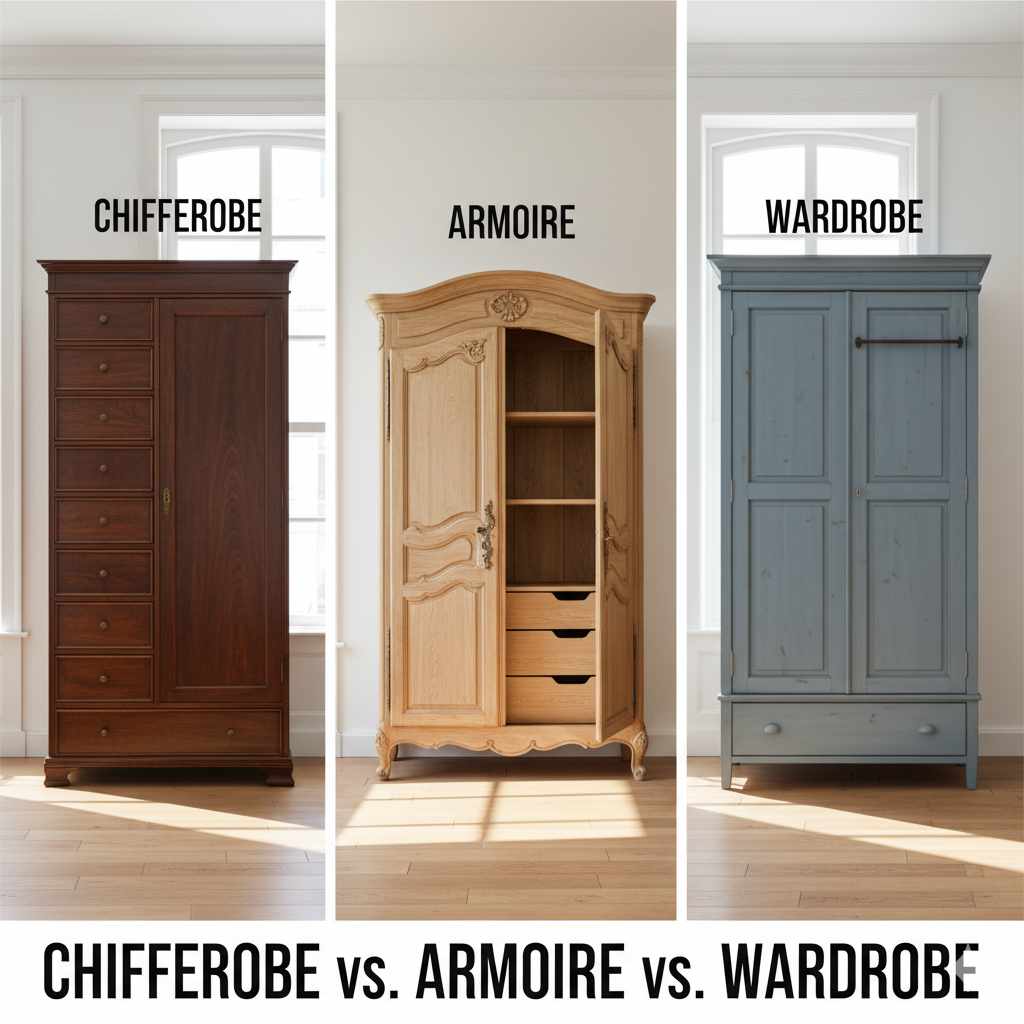
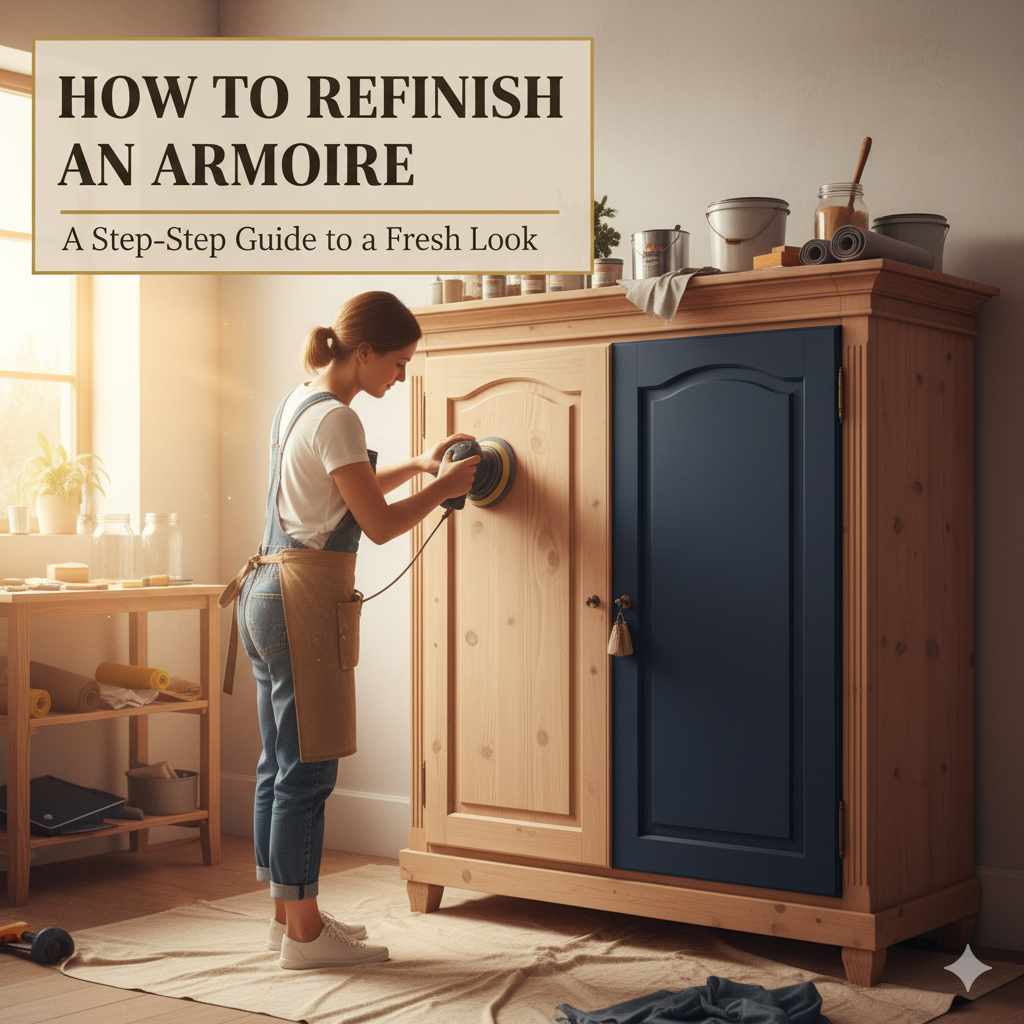
Refinishing an armoire is a fantastic DIY project that saves you money and lets you customize old furniture. This guide breaks down how to refinish an armoire step-by-step, covering prep, paint or stain removal, sanding, and the final beautiful finish, making it easy for beginners to achieve professional results safely.
Have you spotted a beautiful, solid wood armoire at a thrift store or maybe inherited a bulky, dated piece of furniture? These large cabinets often have great bones but suffer from outdated finishes or ugly scratches. Getting rid of it feels wasteful, but refinishing it seems like a huge, complicated job. Don’t sweat it! Taking on a project like how to refinish an armoire is totally achievable. We are going to walk through every single step, making sure you have the right tools and confidence to turn that dated piece into a stunning focal point. Let’s dive into giving that armoire a brand-new life!
Why Refinish That Old Armoire?
Refinishing furniture is more than just sanding and painting; it’s about giving quality pieces longevity. Modern furniture often isn’t built with the solid wood you find in older armoires. By refinishing, you’re preserving something sturdy while updating the look to match your current style. It’s a win for your wallet and the environment!
The Benefits of DIY Furniture Refinishing
- Cost Savings: Used armoires are often cheap, and the supplies for refinishing cost far less than buying new, high-quality furniture.
- Customization: You choose the exact color, stain, or paint finish. It becomes uniquely yours.
- Quality Control: You know exactly what materials were used, ensuring a durable finish that lasts.
- Satisfaction: There’s a real sense of pride when you finish a large project like this yourself!
Phase 1: Preparation – Getting Ready for Success
Preparation is the secret sauce for any great refinishing job. If you rush the prep work, your final finish will look sloppy, no matter how careful you are at the end. Think of this phase as tuning up your tools before you start driving—it prevents bigger headaches later.
Step 1: Inspect and Secure Your Workspace
Before anything else, find a good spot to work. Armoires are big, so you need space. A garage, basement, or an outdoor area (if the weather is dry) works best. Remember, chemical strippers and sanding dust are messy.
- Ventilation is Key: If you use chemical strippers or certain paints/finishes, you need excellent airflow to stay safe. Open all the doors and windows.
- Protect the Floor: Lay down thick drop cloths or heavy plastic sheeting. Tape the edges down so dust and drips stay contained.
- Safety Gear Check: Gather your safety equipment now. We’ll talk more about this in a moment, but get it ready.
Step 2: Disassemble Where Possible
To get even coverage and avoid drips along edges, take off any hardware and flexible panels.
- Remove all doors, drawers, and shelves. Keep all screws and hinges together in labeled bags (e.g., “Top Door Hinges”).
- Take off all handles, knobs, and decorative trim if it’s removable.
- If the back panel is thin or flimsy, sometimes it’s best to remove it completely to avoid sanding uneven surfaces.
Step 3: Essential Safety Gear (Don’t Skip This!)
Working with old finishes, chemicals, and fine dust requires proper gear. This isn’t optional; it’s how you keep your lungs and skin healthy. This is similar to setting up proper ventilation when working on car paint, where fumes are thick.
| Safety Item | Why You Need It |
|---|---|
| Respirator Mask (with organic vapor cartridges) | Protects lungs from chemical fumes (strippers) and fine sanding dust. A simple dust mask isn’t enough for chemicals. |
| Chemical-Resistant Gloves | Stops strippers and paint thinners from irritating or burning your skin. Nitrile gloves are generally good. |
| Safety Glasses or Goggles | Keeps debris and chemical splashes out of your eyes. |
| Work Apron or Old Clothes | Protects your skin and clothes from messes. |
Phase 2: Stripping the Old Finish
This is often the messiest part, but getting down to bare wood is crucial if you want to apply a new stain or a perfectly smooth paint job.
Step 4: Choosing Your Removal Method
The best method depends on what the existing finish is. Is it thick varnish, spray lacquer, or simple oil paint? For large pieces like armoires, chemical stripping is usually the fastest route for heavy finishes, followed by sanding.
Option A: Chemical Stripping (Best for Thick Finishes)
Chemical strippers use powerful solvents to soften the old finish, letting you scrape it off easily. Always follow the manufacturer’s instructions precisely.
- Apply a thick, even layer of stripper using an old, natural-bristle brush—the chemicals will ruin synthetic bristles. Don’t brush it around; lay it on thick.
- Wait for the time recommended on the can (usually 15 to 30 minutes). Watch for bubbles or wrinkling—that means the finish is lifting!
- Use a plastic or wood scraper (metal can gouge the wood) to gently scrape off the softened gunk into a disposable can or heavy trash bag. Work in small sections.
- For tight corners and grooves, use steel wool (#1 or #2 grade) dipped in stripper to scrub out the residue.
Option B: Heat Gun (Good for Solid Wood, Use Caution)
A heat gun softens the finish using high heat, similar to how one might remove old decals from a car window, but requires precise control.
- Hold the heat gun about 4–6 inches from the surface. Keep it moving constantly to prevent scorching the wood underneath.
- As soon as the finish bubbles, use a scraper immediately behind the heat source to lift the softened material.
- Warning: Never use this method on veneer surfaces, as excessive heat can easily lift and burn the thin wood layer.
Step 5: Neutralizing and Cleaning
After stripping, the wood still has residue from the chemicals. You must clean this off completely before sanding, or the stripper residue will react badly with your new finish.
- Wipe the entire surface down with mineral spirits or the recommended neutralizing wash (often water or denatured alcohol, depending on the stripper).
- Use clean rags and change them frequently until no more finish residue comes off onto the cloth. Let the armoire dry completely—this may take 24 hours.
Phase 3: Sanding for a Smooth Foundation
Sanding is where you take the stripped wood from “okay” to “showroom ready.” This step removes any remaining finish traces, minor scratches, and prepares the grain to accept stain or primer perfectly. Good surface prep ensures durability, much like cleaning and priming a car body panel before painting.
Step 6: Start with Coarse Grit for Smoothing
Always start with a lower number grit and work your way up. Starting too fine means you won’t remove the deeper scratches left by the stripper.
- Initial Sanding: Use 80-grit sandpaper on a random orbital sander for flat surfaces. If sanding by hand, block sanding (wrapping paper around a wood block) helps keep surfaces flat.
- Focus Areas: For carved details or tight spots, use sanding sponges or rolled-up sandpaper.
- Check for Evenness: Run your hand over the surface. If you feel ridges or dips, keep sanding that area until it feels smooth and uniform.
Step 7: Moving to Finer Grits
This step refines the surface, removing the scratches left by the coarser grit.
- Sand the entire piece again with 120-grit sandpaper.
- Sand a final time with 180-grit sandpaper. If you are staining, 220-grit is the absolute maximum for most woods; going finer can prevent stain absorption. If you plan to paint, you can go up to 220-grit.
Step 8: Dust Removal Post-Sanding
You must remove every bit of sanding dust. Dust mixed with stain or paint will create bumps that ruin your look.
- Vacuum the entire piece thoroughly using a brush attachment.
- Wipe down all surfaces, inside and out, using a tack cloth. A tack cloth is slightly sticky and grabs even the finest dust particles.
Phase 4: Finishing – Staining or Painting
This is the fun part where your vision comes to life. The choice between stain and paint dictates the next few steps.
Sub-Section A: Applying Wood Stain (For That Natural Look)
Staining requires the wood to be completely bare and dust-free. Remember, stain adds color but doesn’t offer much protection on its own; you’ll need a protective topcoat later.
Choosing and Applying Stain
- Pre-Stain Conditioner (Highly Recommended): If your armoire is made of soft wood (like pine), use a pre-stain wood conditioner first. This prevents blotchiness by helping the wood absorb an even amount of color. This is a pro tip for beginners! (Tip: You can find research on wood porosity at university extension sites, like Penn State Extension, which often give great advice on wood finishes.)
- Application: Apply the stain liberally with a quality bristle brush or a clean rag, working with the grain of the wood.
- Wipe Off Excess: After letting the stain sit for the time recommended on the can (usually 5–15 minutes), wipe off all the excess stain with a clean rag. The longer it sits, the darker it gets. Wipe until the color looks right to you.
- Drying Time: Allow the stain to dry completely—often 24 to 48 hours—before moving on. Rushing this leads to dragging color when you apply the topcoat.
Sub-Section B: Painting for a Bold Transformation
Painting covers imperfections and allows for dramatic color changes. Just like preparing auto body panels, priming is non-negotiable for a professional paint job.
Priming is Essential
Primer creates a barrier between the wood and the paint, ensuring great adhesion and blocking stains from bleeding through.
- Choose a high-quality bonding primer, especially if you are painting over bare wood or a slick, previously varnished surface.
- Apply a thin, even coat of primer. Avoid overloading the brush, which causes drips.
- Let the primer dry completely per the can directions.
- Lightly scuff-sand the primer coat with 220-grit sandpaper to remove any nibs or rough spots. Wipe clean with a tack cloth.
Applying the Top Coat (Paint)
For the smoothest finish on large furniture, a high-quality paint designed for cabinets or trim often works best. Latex enamel or cabinet-grade alkyd paints offer durability.
- Apply the first topcoat thinly. Thin coats build up better than one thick one.
- Allow the first coat to dry fully (check drying times, often 4–6 hours).
- Lightly sand again with 220-grit paper or fine sanding sponge—this is called “de-nibbing.” Wipe clean.
- Apply the second, and possibly third, topcoat, repeating the light sanding in between each layer until you achieve the desired coverage and depth.
Phase 5: Sealing and Final Assembly
Whether you stained or painted, the bare finish needs protection from daily use, moisture, and spills. This is the final shield for your hard work.
Step 9: Applying the Protective Topcoat
This step is crucial for durability, especially on high-touch items like armoires which might hold dishes or clothing.
| Finish Type | Recommended Topcoat Option | Best For |
|---|---|---|
| Stained Wood | Polyurethane (Oil-based offers the most protection) or Conversion Varnish | Maximum durability and scratch resistance. |
| Painted Finish | Clear Polyurethane Topcoat or Polycrylic (Water-Based Clear Coat) | Locking in the paint color; Polycrylic won’t yellow the paint. |
Apply your chosen topcoat following the same “thin coats, let dry, light scuff sand, repeat” method used for the paint. Most professionals recommend at least three coats of topcoat for an armoire that sees heavy use.
Step 10: Reassembly and Curing Time
Once the final clear coat is dry to the touch, you can put everything back together.
- Reattach all hardware (knobs, hinges). It’s a good time to replace old handles with new ones if you purchased hardware upgrades.
- Carefully rehang the doors and insert shelves. Check that doors swing freely and close correctly. Adjust hinges as needed.
- Curing vs. Drying: While the finish might feel dry in 24 hours, it needs time to cure—meaning it reaches maximum hardness. Avoid placing heavy items inside or slamming doors for at least 7 to 14 days, depending on the topcoat used. This patience ensures your beautiful new finish lasts for decades.
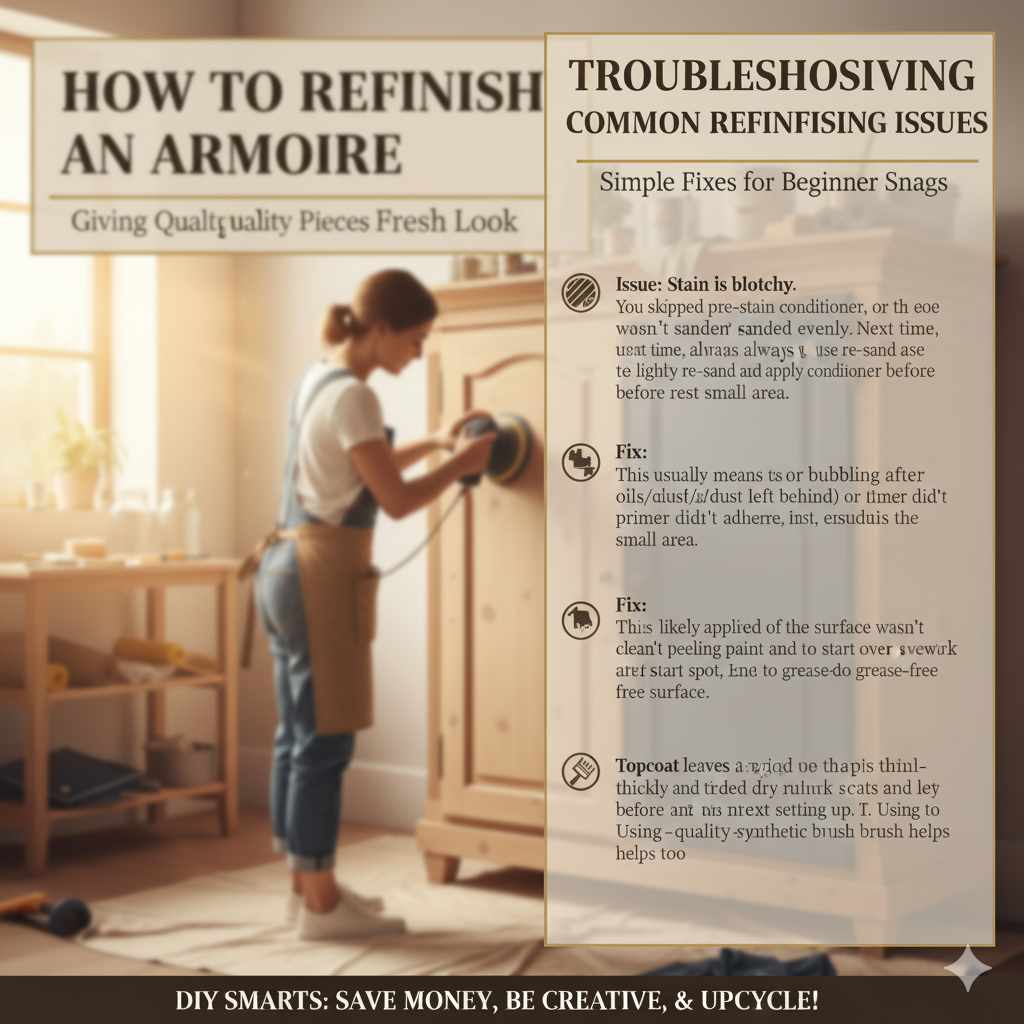
Troubleshooting Common Refinishing Issues
Even with the best prep, little problems can pop up. Here are simple fixes for common beginner snags.
- Issue: Stain is blotchy.
- Fix: You skipped the pre-stain conditioner, or the wood wasn’t sanded evenly. Next time, always use conditioner. For this piece, you may need to lightly re-sand and apply conditioner before restaining a small area.
- Issue: Paint is peeling or bubbling after drying.
- Fix: This usually means the surface wasn’t clean (oils/dust left behind) or the primer didn’t adhere. You will need to scrape off the peeling paint and start over on that spot, ensuring a grease-free surface this time.
- Issue: Topcoat leaves brush strokes.
- Fix: You likely applied the topcoat too thickly or tried to rework a section after it started setting up. Ensure you apply very thin coats and let them dry fully before applying the next one. Using a high-quality synthetic brush helps too.
Frequently Asked Questions (FAQ) About Armoire Refinishing
Q1: Can I use this method on an armoire made of veneer instead of solid wood?
A: Yes, you can refinish veneer, but you must be incredibly gentle during sanding and stripping. Veneer is thin; heavy sanding or aggressive heat gun use will sand right through to the base particleboard underneath. Stick to mild chemical strippers and fine sandpaper (180 grit or higher).
Q2: How long does the entire process of how to refinish an armoire usually take?
A: For a beginner taking their time without rushing drying periods, expect this project to take 5 to 7 days. Most of that time is waiting for strippers, stains, and topcoats to fully dry between coats.
Q3: What is the safest way to remove old, possibly lead-based, paint?
A: If you suspect lead paint (common on furniture made before 1978), do not use sanding or heat guns, as they release dangerous lead dust or fumes. Use a chemical stripper specifically labeled as safe for lead paint removal and follow all EPA guidelines for safe disposal of lead materials.
Q4: Do I need to sand between every coat of paint, even if the can says I don’t have to?
A: While some modern paints claim no sanding is needed, light scuff-sanding (de-nibbing) with 220-grit paper between coats is the best way to ensure the next layer adheres properly and to eliminate dust bumps. It adds minutes but greatly boosts durability.
Q5: Which is better for an armoire: oil-based or water-based polyurethane?
A: Oil-based polyurethane offers superior protection against scratches and moisture, making it excellent for high-use furniture. However, it yellows slightly over time. Water-based (Polycrylic) is clearer and dries faster but might be slightly less durable.
Conclusion: Transforming Your Armoire with Confidence
Refinishing an armoire may seem like a big project at first, but with the right preparation and a step-by-step approach, it becomes a rewarding DIY transformation. By carefully stripping the old finish, sanding the surface smooth, and applying a fresh stain or paint, you can turn an outdated cabinet into a beautiful centerpiece that fits perfectly with your home’s style.
The key to success lies in patience and proper preparation. Taking time to clean, sand, and apply thin, even coats of stain, paint, and protective finish ensures the final result looks professional and lasts for years. Whether you choose a natural wood stain that highlights the grain or a bold paint color that completely modernizes the piece, your refinished armoire will reflect your creativity and craftsmanship.
Most importantly, refinishing furniture helps preserve solid, high-quality pieces while saving money and reducing waste. Instead of replacing an old armoire, you give it a second life with a finish that feels brand new. With the techniques in this guide, even beginners can confidently tackle this project and enjoy the satisfaction of seeing a once-dated cabinet become a stunning and functional part of their home once again.