How Do You Spell Jewelry Armoire: Proven Essential Secret
The correct spelling is “Jewelry Armoire.” It is often confused, but remember it combines “Jewelry” (items worn for adornment) and “Armoire” (a tall, freestanding closet). This guide confirms the spelling and shows you how to find the perfect storage solution!

OFFICEJOY
OFFICEJOY Jewelry Armoire Cabinet, Wooden Standing Jewelry…
- 【Sturdy Cabinet with Stably Shaped Feet】The jewelry cabinet is made of thick and heavy-duty MDF material. And the armoire is of gr…
- 【1 Top Flip Mirror & 4 Compartments 】There is a partitioned storage area on the top of the cabinet, a small compartment with soft…
- 【7 Drawers & 2 Side Doors for Divisional Storage 】The large jewelry chest has 7 drawers. Top two of which have separated sections…
As an Amazon Associate I earn from qualifying purchases.
Have you ever typed in a search query, only to get zero results? It’s frustrating when you are looking for that beautiful piece of furniture to keep your necklaces safe, and the spelling trips you up. You might be typing “Jewelry Armor” or “Jewelry Armoiree.” Don’t worry! This is a super common mix-up. Even experts occasionally second-guess tricky words.
Ready to shop confidently and know exactly what to search for? Let’s learn the proper spelling and unlock the essentials of choosing a great jewelry armoire that fits your needs perfectly.
The Essential Secret: How Do You Spell Jewelry Armoire?
The core of this entire topic boils down to two words put together. Let’s look at them one by one. Getting these two parts right means you nail the whole term every time you search or talk about this furniture.
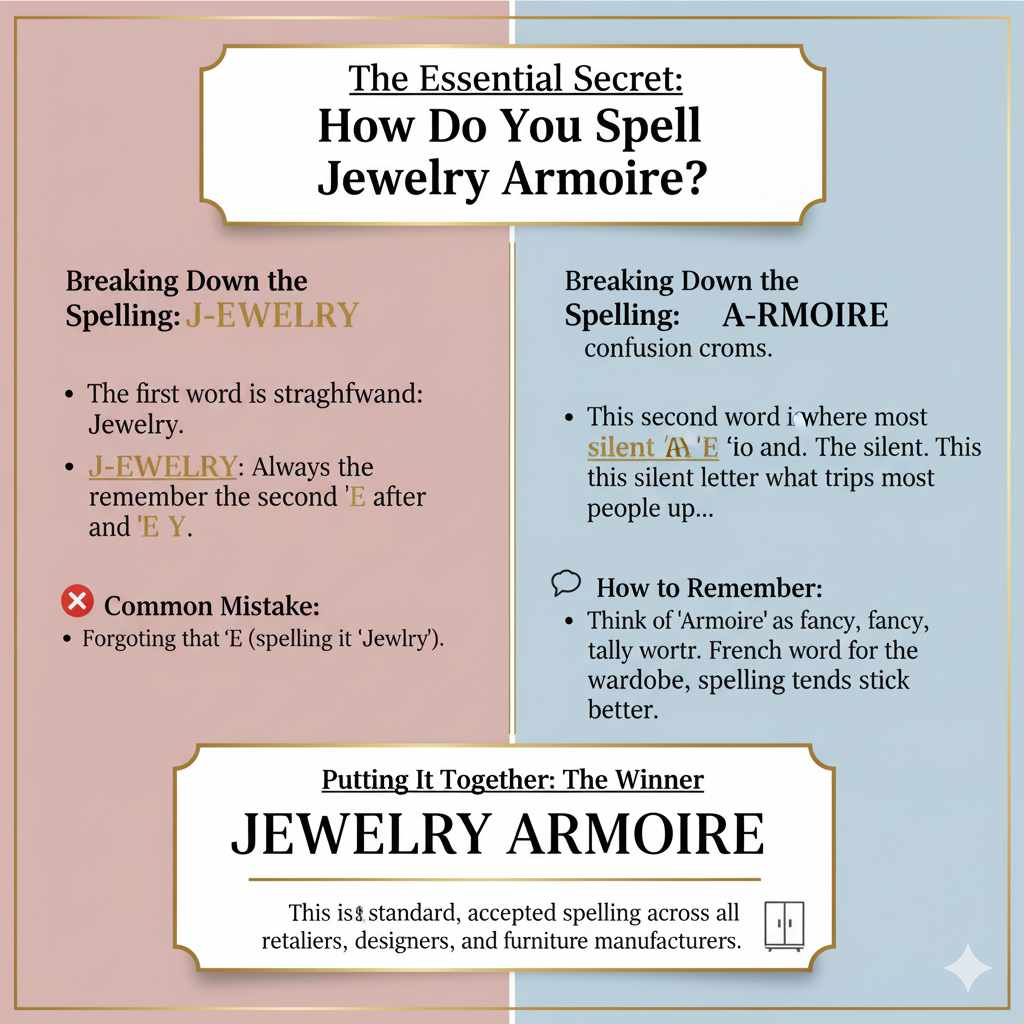
Breaking Down the Spelling: J-E-W-E-L-R-Y
The first word is straightforward: Jewelry. This refers to the decorative items worn for personal adornment, like rings, necklaces, and bracelets. People often struggle with the ‘e’ placement, sometimes writing ‘jewllery’ or ‘jewlry.’
- J-E-W-E-L-R-Y: Always remember the ‘E’ after the ‘J’ and the ‘E’ before the ‘Y’.
- Common Mistake: Forgetting that second ‘E’ (spelling it ‘Jewlry’). Keep that second ‘E’ in there!
Breaking Down the Spelling: A-R-M-O-I-R-E
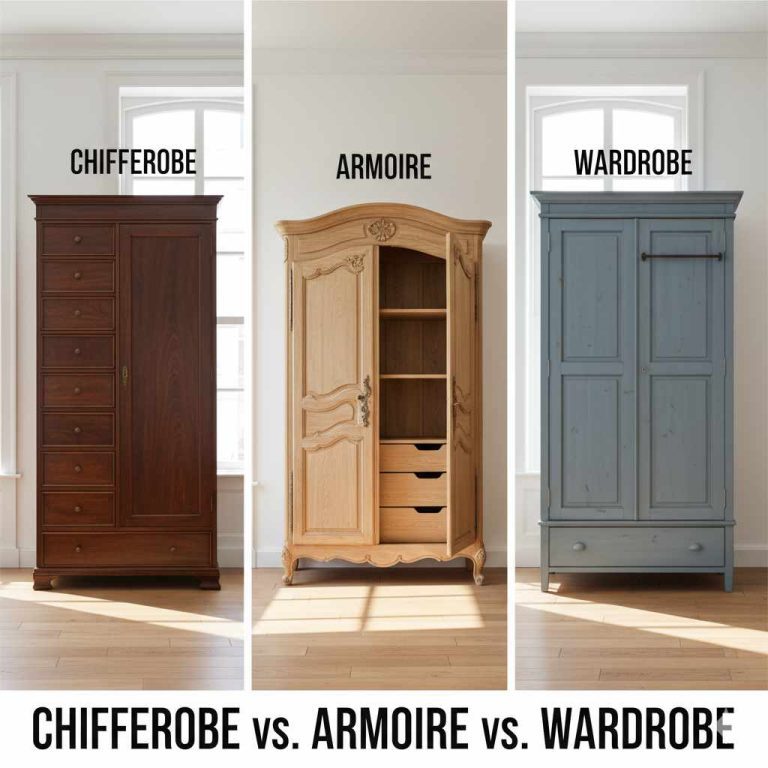
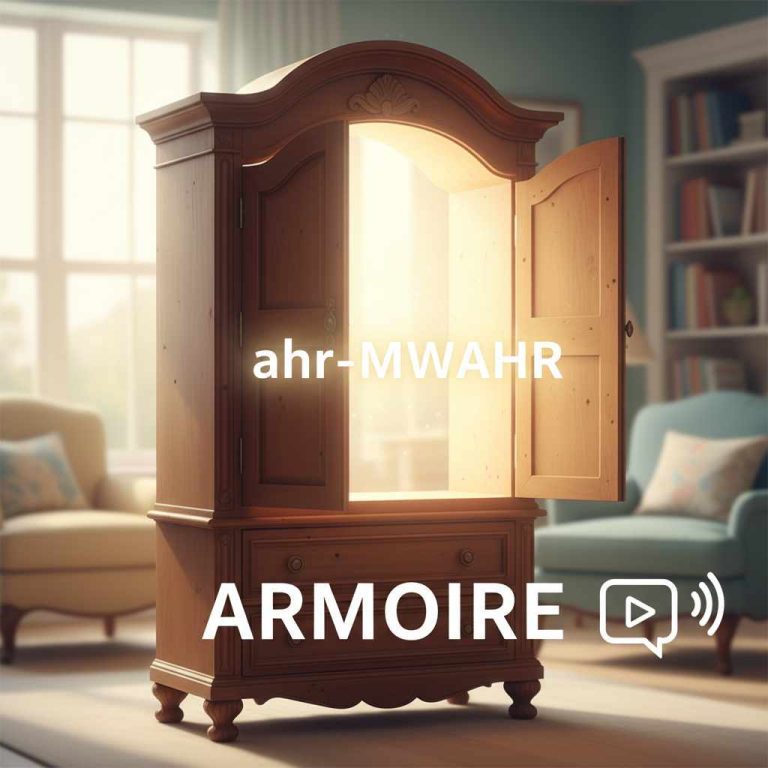
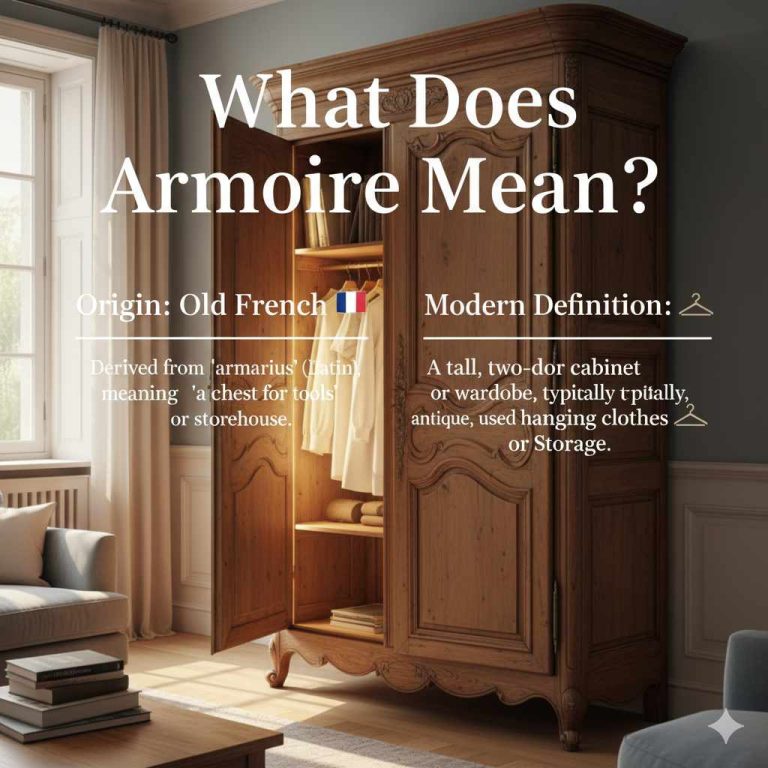
This second word is where most of the confusion comes from. Armoire is a term borrowed from French. It means a tall, freestanding cupboard, usually used for hanging clothes or, in this case, storing valuables. It sounds like “arm-wahr.”
- A-R-M-O-I-R-E: Notice the silent ‘E’ at the end. This silent letter is what trips most people up when typing it quickly.
- How to Remember: Think of “Armoire” as a fancy, tall closet. If you remember it’s a French word for a wardrobe, the spelling tends to stick better.
Putting It Together: The Winner
When you combine the two correctly, you get one recognized term:
JEWELRY ARMOIRE
This is the standard, accepted spelling across all retailers, designers, and furniture manufacturers. Now that the spelling puzzle is solved, let’s make sure you know what you are looking for. A jewelry armoire is more than just a cabinet; it’s a security and organization system.
Why an Armoire? Comparing Storage Options
Before you commit to buying a jewelry armoire, it’s helpful to understand why people choose this specific piece over other options, like a simple drawer chest or a basic tabletop box. A jewelry armoire offers unique benefits, especially for larger collections.
Table 1: Storage Solution Comparison
| Storage Type | Best For | Pros | Cons |
|---|---|---|---|
| Jewelry Armoire | Large collections needing security and height | Floor-standing, often lockable, floor-length mirror attached | Takes up more floor space, usually higher initial cost |
| Tabletop Box | Small to medium collections, travel | Portable, good for dressers, less expensive | Limited capacity, items can get tangled easily |
| Drawer Chest Insert | Keeping jewelry hidden in existing furniture | Uses existing space, completely concealed | Requires an existing dresser, limited organization options |
As you can see, the armoire stands out because of its height and security features. It keeps everything organized vertically, saving space on your dresser while providing dedicated, safe storage.
The Essential Secrets to Choosing the Right Jewelry Armoire
Now that you know how to spell it, the next challenge is picking the right one. A good armoire protects your investment across years. Think about these practical points before you click “Add to Cart.”
Secret 1: Determine Your Collection Size (Capacity Check)
This is the most important step! Don’t buy an armoire that is too small. If you have 50 necklaces, but the armoire only has space for 20, clutter builds up fast, and tangle risks go way up.
- Count Your Needs: Quickly estimate how many types of storage you need. Do you have lots of long necklaces, or mostly rings?
- Allow for Growth: Always plan for 20% more storage than you currently need. Many people purchase or receive new jewelry over time.
- Measure Your Longest Items: Check the hook depth if you have very long opera-length necklaces. They need enough vertical space to hang freely without touching the bottom drawer.
Secret 2: Prioritize Interior Lining and Finish
The material inside is crucial because it directly affects the well-being of your jewelry. You are looking for protection against scratches and tarnishing.
- Flannel or Felt Lining: This soft lining is mandatory! It prevents metal from scratching against wood or metal hardware.
- Tarnish Prevention: Some high-end armoires are lined with specialized, chemically treated fabric that resists the moisture and sulfur in the air that causes silver and brass to turn dark. Look for terms like “tarnish-resistant interior.”
- Avoid Cheap Materials: Rough cardboard or thin, untreated cotton can actually pull moisture or transfer dye onto delicate jewelry over time.
Secret 3: Security Features Matter
Part of the appeal of an armoire is that it looks like a standard piece of furniture, hiding valuables inside. Security features enhance this peace of mind.
If you are storing valuable pieces (gold, diamonds, family heirlooms), you need more than just a simple hook-and-eye latch. Look for:
- Locking Mechanisms: A real key lock is best. Ensure the lock mechanism feels sturdy, not flimsy plastic.
- Wall Anchoring: Tall furniture tips over easily, especially if little hands or pets pull on the doors. Reputable manufacturers often include wall-strapping hardware. Always use it. According to the U.S. Consumer Product Safety Commission (CPSC), securely anchoring furniture prevents serious injuries.
Secret 4: Placement and Stability (The Practical Side)
Because an armoire is tall, its stability is key. Where you plan to put it dictates what physical size you can handle.
Consider these factors:
- Door Swing: If the armoire has outward-swinging doors (most do), make sure they won’t hit your bed, a nearby wall, or block a pathway when fully opened.
- Floor Surface: If your bedroom floor is carpeted, the armoire might wobble slightly. Always adjust any leveling feet or use small, sturdy shims under the front legs to ensure it sits perfectly level and firm before loading it with heavy jewelry.
- Construction Material: Solid wood is heavier and much more stable than particleboard, especially when fully loaded. Heavier pieces are less likely to tip.
Understanding the Anatomy: What’s Inside a Jewelry Armoire?
A well-designed jewelry armoire looks like a tall dresser or small wardrobe from the outside, but the inside is specialized machinery for organization. Familiarize yourself with these common compartments so you can match the armoire features to your collection layout.
Top Section: Hooks and Hanging Storage
This is usually the tallest section, accessed by lifting (or swinging open) one or two doors. This area is exclusively for items that hang:
- Necklace Hooks: Designed to keep chains separated. Good armoires have at least 15–20 hooks per side.
- Dividers/Shelves: Often, there are small shelves above the hooks or small swing-out side panels to maximize this vertical space.
Middle Section: The Drawer Landscape
The center is almost always composed of several shallow drawers. The trick here is the compartmentalization inside those drawers.
Look at Table 2 to see how drawer layouts differ based on what you need to store.
Table 2: Common Drawer Configurations
| Configuration Name | Best For Storing | Key Feature |
|---|---|---|
| Ring Rolls/Trays | Rings and Stud Earrings | Cushioned slots that keep precious metals separated. |
| Velvet Pockets | Pendants and Bracelets | Soft, open sections that allow bulky items room to lie flat. |
| Open Section | Watches or Large Costume Jewelry | A large, undivided space often featuring removable padded watch cushions. |
Bottom Section: Deep Storage and Specialty Items
The bottom drawers are usually deeper and less sectioned off. These are excellent for things that don’t fit neatly elsewhere:
- Chunky bracelets or bangles.
- Oversized costume jewelry pieces.
- Extra jewelry cleaning cloths or soft storage bags.
The Finishing Touch: Armoire Materials and Styles
The structure impacts durability, but the look impacts how well it blends into your bedroom or dressing area. Since you now know the correct spelling, search for styles confidently!
Wood Types and Durability
The material affects the price, weight, and longevity of your purchase. You want something sturdy enough to hold potentially hundreds of ounces of metal safely.
- Solid Wood (e.g., Oak, Cherry, Maple): The gold standard. They are heavy, incredibly durable, and resistant to warping. They also hold up better if you decide to refinish or repaint the piece later.
- Veneer Over MDF/Plywood: A common choice today. A thin layer of real wood (veneer) is glued over engineered wood. This looks great and is lighter than solid wood, but it is more susceptible to water damage or peeling if stored in a humid area.
- Engineered Wood (MDF/Particle Board): The most budget-friendly option. While fine for smaller tabletop boxes, for a tall, heavy armoire, ensure the construction is reinforced, as these can sag or shift weight unevenly over many years.
Style Guide for Seamless Integration
Your jewelry armoire should complement your existing furniture. Think about the established style of your room:
- Traditional: Look for rich, dark woods (like deep cherry or mahogany) with detailed carvings, curved cabriole legs, and antique brass hardware. These often have a large, ornate framed mirror.
- Modern/Contemporary: These favor clean, straight lines, lighter woods (like white oak or birch finishes), or high-gloss lacquer. Hardware should be minimal or hidden (push-to-open mechanisms).
- Shabby Chic/Cottage: Think painted finishes—especially distressed white or pastel colors. These often feature slightly more delicate feet and a more “romantic” look.
Maintenance: Keeping Your Investment Looking New
Owning a jewelry armoire means you are trusting it with items that often hold sentimental or significant monetary value. A little routine care keeps the wood healthy and the contents safe.
Caring for the Wood Exterior
Treat the exterior just like you would any nice piece of wooden furniture:
Dusting: Use a soft, dry microfiber cloth weekly. Avoid dust sprays that contain silicone, as these can build up over time and leave a greasy residue, especially on high-gloss finishes.
Cleaning Spills: If you spill water, wipe it immediately. For sticky residue, slightly dampen a cloth with a mild wood cleaner, avoiding harsh chemicals. Always wipe with the wood grain, not against it.
Humidity Control: Never place your armoire directly against an exterior wall that gets very hot in the summer or very cold in the winter, as rapid temperature shifts can cause wood to expand and contract, potentially stressing the joints or making the doors stick. Maintaining moderate indoor humidity helps preserve the wood structure, just like keeping an old guitar in tune. For more on preserving antiques and wood furniture against humidity, resources from educational institutions can be very helpful, such as guidance often covered by university extension programs.
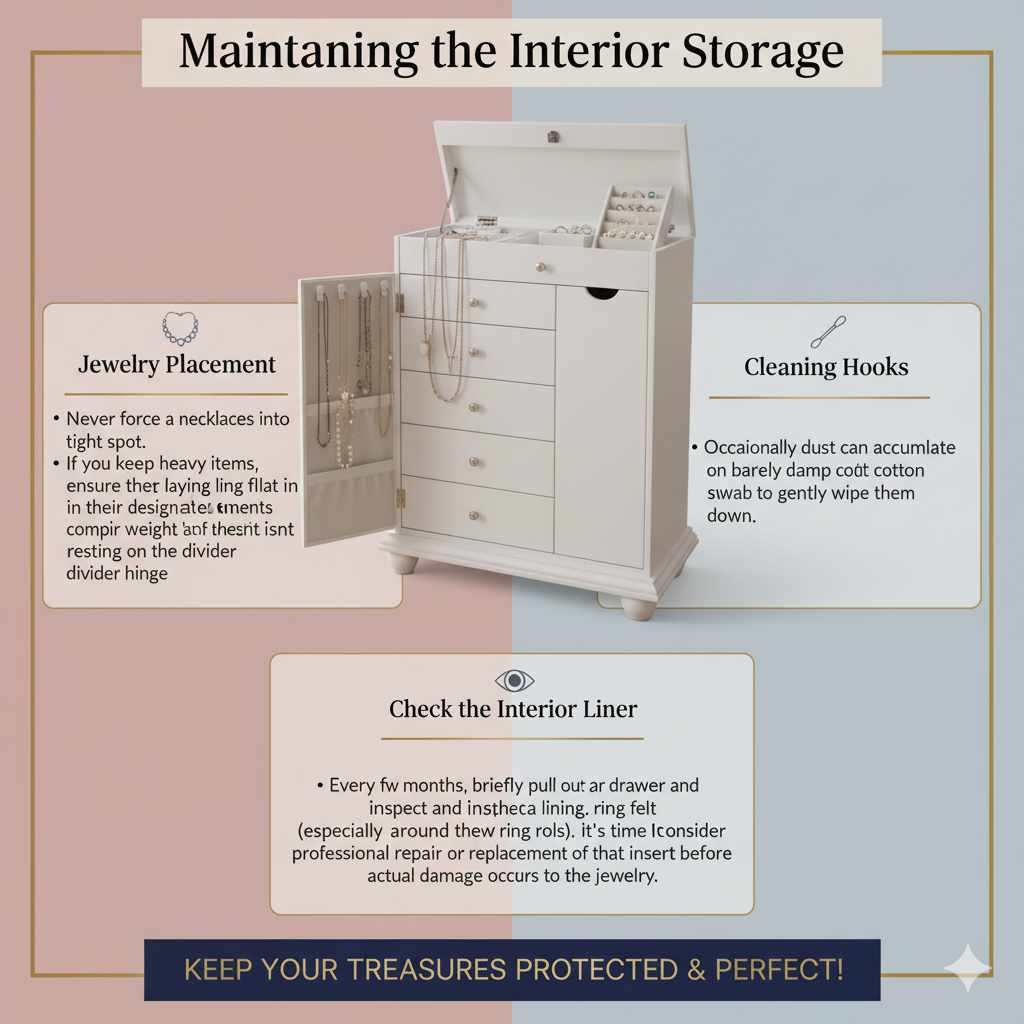
Maintaining the Interior Storage
The inside needs more delicate care:
- Jewelry Placement: Never force a necklace into a tight spot. If you keep heavy items in the drawers, ensure they are lying flat in their designated compartments so their weight isn’t resting on a divider hinge.
- Cleaning Hooks: Occasionally, dust can accumulate on the necklace hooks. Use a soft, barely damp cotton swab to gently wipe them down.
- Check the Interior Liner: Every few months, briefly pull out a drawer and inspect the lining. If you notice any tears or thinning felt (especially around the ring rolls), it’s time to consider professional repair or replacement of that insert before actual damage occurs to the jewelry.
FAQ Section: Quick Answers on Armoires and Spelling
Q1: Is it “Jewlery Armoire” or “Jewelry Armoire”?
The correct spelling is always Jewelry Armoire. The word “Jewelry” has two ‘E’s: J-E-W-E-L-R-Y.
Q2: Why is the second word spelled “Armoire” and not “Armory”?
Armoire is the correct French word for a freestanding wardrobe or closet, which is what this tall piece of furniture is. “Armory” refers to a place where weapons are stored.
Q3: Can I put my rings in the top hook section of the armoire?
No. The top section is exclusively for hanging items like necklaces and bracelets. Rings should always go into the padded ring rolls or slots found in the lower drawers for protection against falling or getting crushed.
Q4: How tall are standard jewelry armoires?
Most standard floor-standing jewelry armoires stand between 48 and 60 inches tall (4 to 5 feet). Always check the exact height measurement before buying to ensure it fits under windows or ceilings in your desired spot.
Q5: Do all jewelry armoires come with a mirror?
No, but most traditional floor-standing models do. The attached mirror is a major selling point, as it lets you try on your selection immediately. However, many modern, drawer-style armoires skip the mirror entirely for a cleaner silhouette.
Q6: Is it safe to store pearls in a jewelry armoire?
Yes, provided the interior is lined with soft material (like felt or velvet). Pearls should be stored flat or hanging loosely, never tightly bundled or near excessive humidity, which can dull their luster over time.
Q7: If I move my armoire, do I need to take the jewelry out first?
Yes, absolutely! A fully loaded jewelry armoire is extremely heavy. Moving it with the contents inside risks stressing the joints, warping the drawers, or causing interior liners to tear. Empty it completely before shifting it even a short distance.
Conclusion: Confidence in Spelling and Storage
You have successfully mastered the spelling! You now know that the proper way to write it is Jewelry Armoire, remembering that tricky second word inspired by French cabinetry. But more importantly, you now have the essential knowledge to select an armoire that truly serves you. Think about capacity first, prioritize soft, protective lining, and ensure the piece is stable and secure for your valued treasures.
Choosing the right storage solution takes a little homework, but the payoff is huge: perfectly organized, protected jewelry that is easy to access every single day. You’ve got this! Go ahead and search for that perfect piece with confidence, knowing exactly what you are looking for and how to keep it safe for years to come.
Related pick: Check today's price on Amazon
Products related to this article
Sponsored / affiliate links. As an Amazon Associate I earn from qualifying purchases. I may earn additional commission from eligible campaigns.