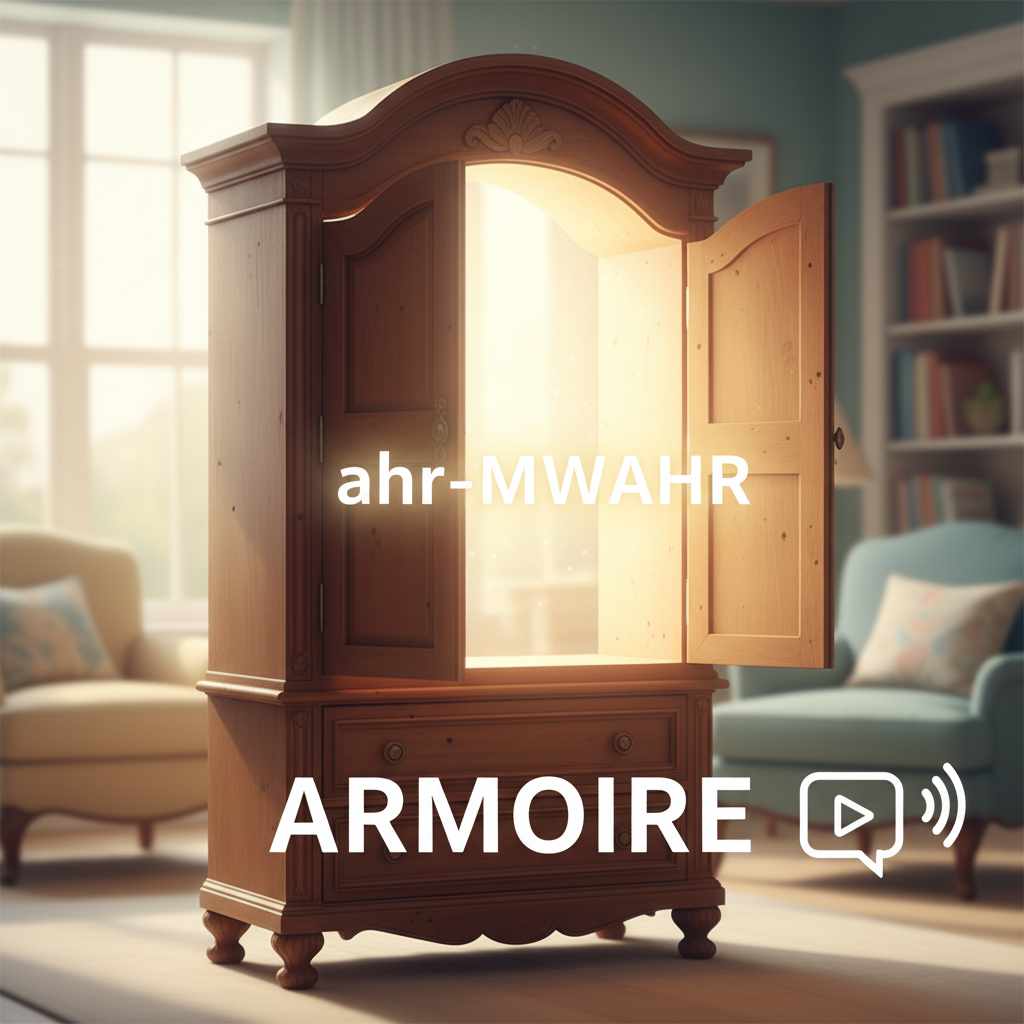
The correct way to pronounce “armoire” in English is generally “ar-MWOR” (ar-MWAHR), emphasizing the second syllable, or sometimes shortened to “ar-MWAIR.” Focus on a soft ‘ah’ sound at the start and a strong ‘wor’ at the end for the most common American English pronunciation.
Ever stared at that beautiful, stately piece of furniture—the big wardrobe or closet—called an armoire and instantly felt tongue-tied? You are definitely not alone! Pronouncing words that come from other languages, like the French word “armoire,” can be tricky. We want to sound confident when we talk about our home furnishings, whether we’re shopping or just describing our living room.
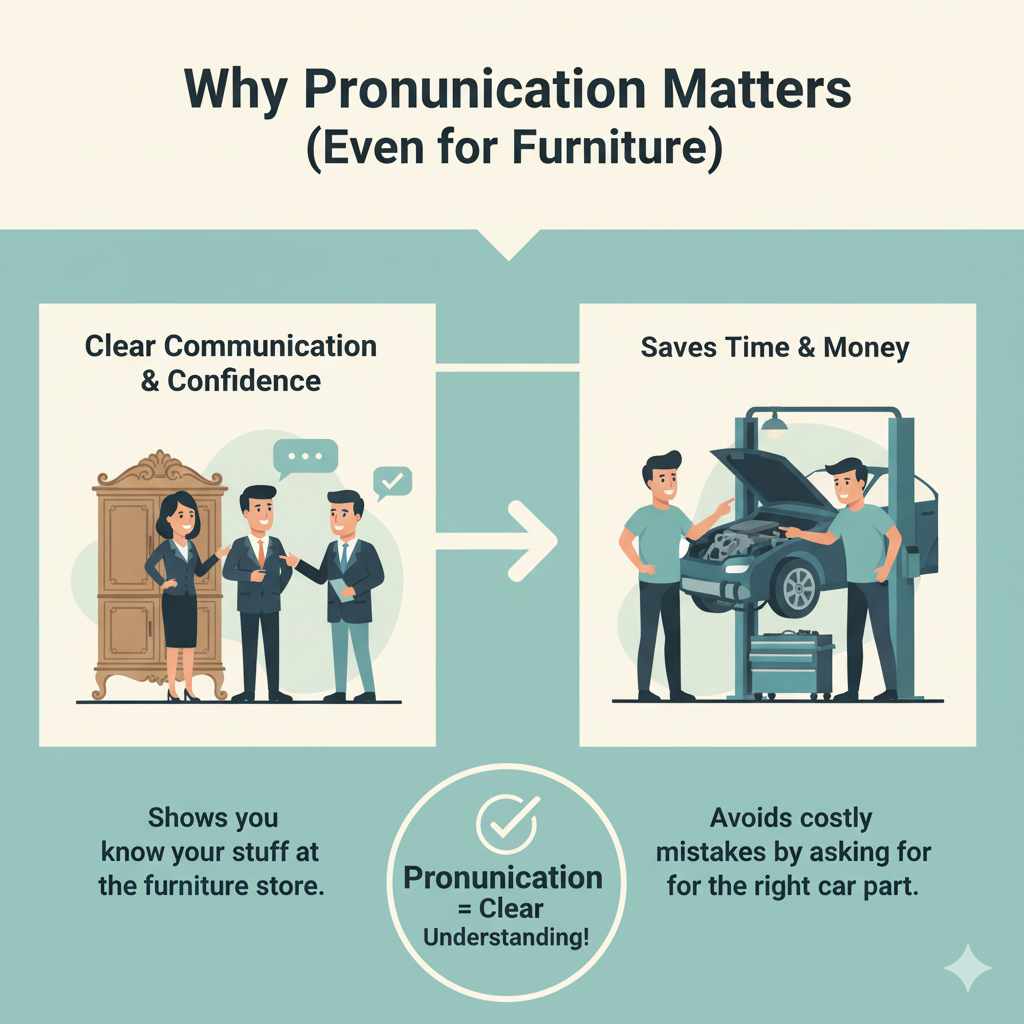
Why Pronunciation Matters (Even for Furniture)
Knowing how to say “armoire” correctly isn’t about being a snob; it’s about clear communication and feeling comfortable. When you’re at a furniture store or chatting with a designer, using the right pronunciation shows you know what you’re talking about. It’s like knowing how to properly check the oil in your car—it builds trust in your own knowledge.
For many everyday drivers, clear communication also saves money. If you can clearly ask for the right part or describe a repair needed, you avoid costly mistakes. The same rule applies here: clear pronunciation equals clear understanding!
The Origin of “Armoire”: A Quick Look at French Roots
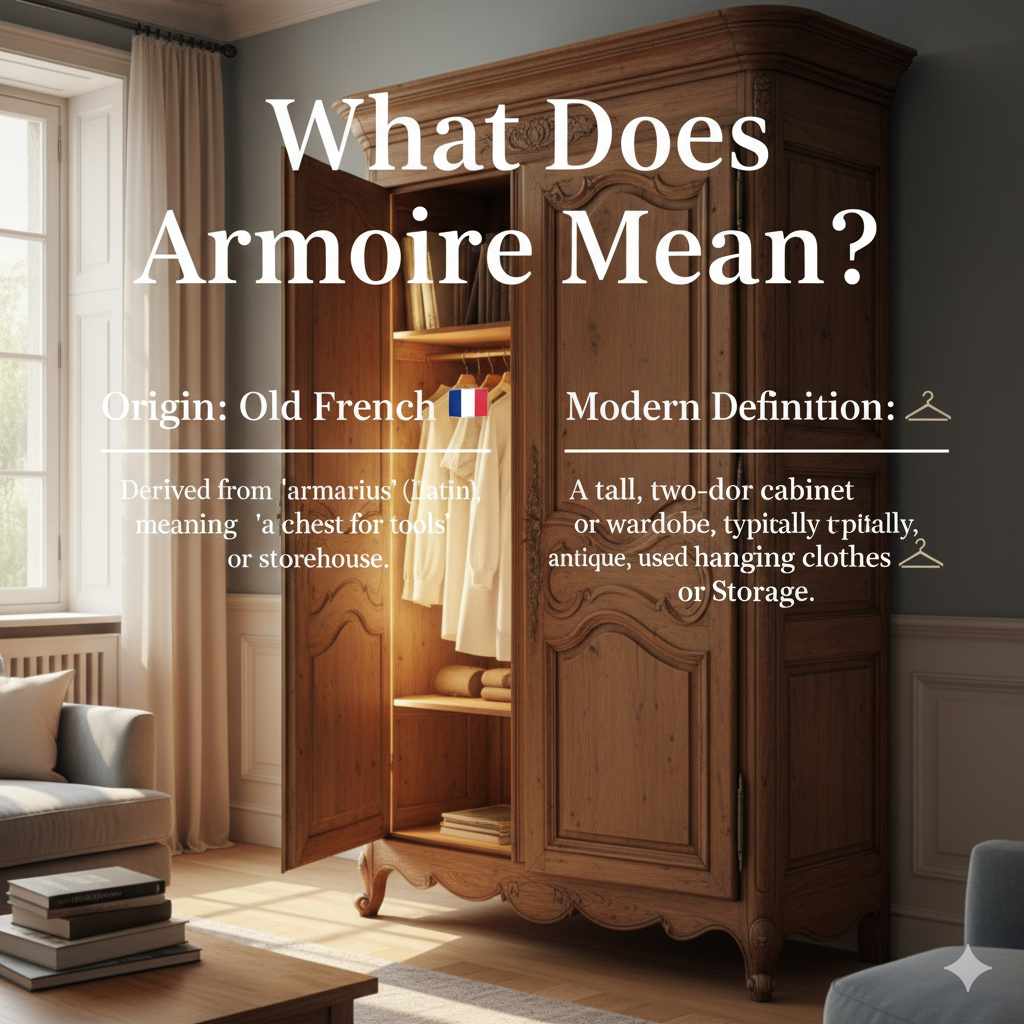
To truly master the pronunciation, it helps to know where the word comes from. “Armoire” is a classic example of a loanword, meaning it was borrowed directly from French. In French, the word originally meant “cupboard” or “wardrobe.”
Because it’s French, we often carry over some of those subtle sounds. In many English-speaking regions, we’ve softened the pronunciation, making it sound friendlier to English speakers, but the French influence is still there, especially in the vowel sounds.
The Essential Breakdown: How to Pronounce Armoire
Let’s break the word down into manageable syllables. Remember, we are aiming for clarity, not necessarily perfect Parisian French. We will focus on the two main acceptable English versions.
Syllable Breakdown for Confidence
The word “armoire” has two clear syllables: AR-MOIRE.
Syllable 1: AR
This first part is usually pronounced very softly and quickly in English. It should sound like the beginning of the word “artist” or the simple vowel sound in “car,” but quicker.
- The Sound: Keep it short — an ‘ah’ sound, like the sound you might make if you heard a surprising fact.
- Tip: Don’t drag this one out. Many people mistakenly emphasize this first part too much.
Syllable 2: MOIRE (The important part!)
This is where the emphasis (stress) needs to go. This is the key to sounding natural when saying “armoire.”
- For American English (Most Common): This sounds like “MWAHR” or “MWAIR.”
- “MWAHR” Sound: Try saying the letter ‘W’ right after the ‘M,’ followed by a distinct ‘R’ sound. Think of the sound in “war” but with an initial ‘M’ sound pulled in.
- “MWAIR” Sound: This is slightly softer, where the ending sounds closer to the word “air.”
Putting It Together: Practice Phrases
Try saying these parts together, focusing your energy on the second syllable.
ah-MWAHR
ar-MWAIR
Phonetic Guides for Every Learner
Sometimes seeing the word written out phonetically helps connect the sound to your mouth movements. Here are the standard ways linguists break down the pronunciation, keeping it simple for beginners.
American English Pronunciation Options
Most people in the US and Canada use one of these two common variations. Practice them both to see which one feels more natural for you.
| Phonetic Spelling (Simplified) | Emphasis | Sounds Like… |
|---|---|---|
| ar-MWAHR | Second Syllable (MWAHR) | “Car” + “War” (but softer on the first part) |
| AIR-mwah | First Syllable (AIR) | Close to the French, very elegant, less common in casual U.S. speech. |
British English (UK) Pronunciation
In the UK, the pronunciation often leans closer to the original French, but still adapted for local accents. They tend to keep the ‘R’ sound softer or even drop it slightly, depending on the region.
- Rough UK Sound: AH-mwah (The ‘R’ at the end is often very subtle or silent, depending on the accent.)
Safety Tip: Don’t stress too much about sounding perfectly British or perfectly French. As long as you stress the second half, most English speakers will know exactly what piece of furniture you mean. Confidence in delivery beats perfect precision every time!
Common Mistakes to Avoid
When learning a new word, knowing what not to do is just as helpful as knowing what to do. Think of these as the loose lug nuts you need to tighten up before you hit the road!
Mistake 1: Over-Emphasizing the First Syllable
If you say “AR-MOHR” with equal stress, it sounds choppy and unnatural in English. Remember, it’s ar-MWAHR.
Mistake 2: Pronouncing the ‘O’ like in “Go”
Avoid making the second part sound like “more” (as in, “I want more soup”). The vowel here is flatter, closer to the ‘ah’ or ‘wa’ sound, not a strong “oh.”
Mistake 3: Pronouncing the ‘R’ too Hard
English speakers sometimes apply a hard ‘R’ sound at the end. While the American “ar-MWAHR” uses an ‘R’, it’s usually a softer one than you might use for the word “red.” Keep the focus on the ‘WAH’ sound preceding it.
How to Practice: Building Muscle Memory
Just like practicing smooth gear transitions in a manual transmission car, consistent practice makes the word flow naturally. Here are a few easy ways to drill the sound until it sticks.
- Slow Motion Drill: Say “AR… MWAHR” very slowly, exaggerating the ‘W’ sound in the middle. Then speed it up gradually.
- Word Association: Link it to another common word. Try practicing: “My AR-MWAHR holds my winter driving gear.”
- Listen and Repeat: Use online dictionary tools (like Merriam-Webster’s audio feature) to hear the pronunciation and mimic it exactly five times in a row.
- Record Yourself: Use your phone to record yourself saying the word. Often, hearing the word back helps you catch subtle mispronunciations you didn’t notice while speaking.
Armoire vs Wardrobe: Understanding the Difference
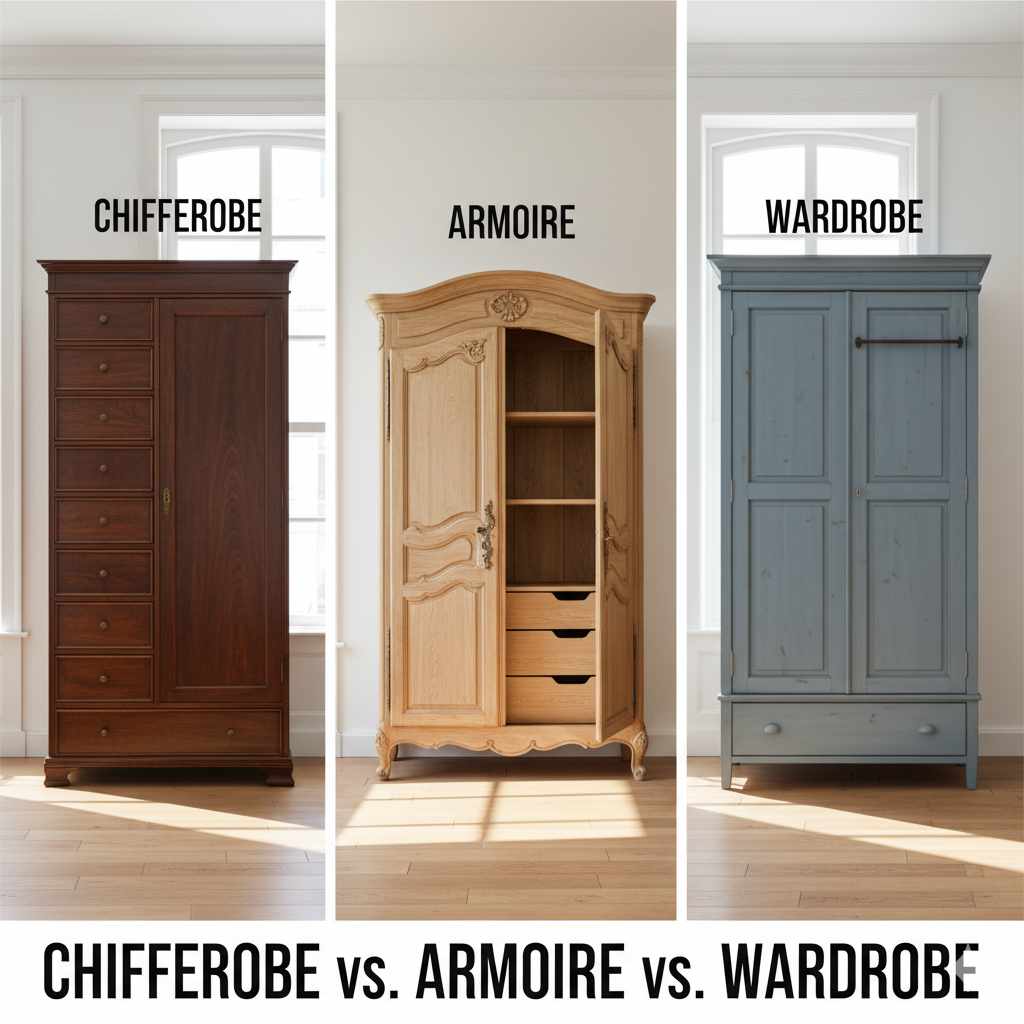
While pronunciation is important, knowing what you are actually calling the furniture helps! In English, “armoire” and “wardrobe” are often used interchangeably, but there’s a slight distinction that designers and serious furniture folks keep in mind. Using the right word shows extra expertise—like knowing the difference between SAE and Metric wrenches.
Key Differences Table
| Feature | Armoire | Wardrobe |
|---|---|---|
| Origin | French | English/Old French |
| Typical Design | Often freestanding, can be carved, sometimes used for TVs or linens. Tends to be taller and more decorative. | More focused purely on clothes storage (hanging space). Can be built-in or freestanding. |
| Perceived Formality | More formal; often considered an accent or statement piece. | More practical and utilitarian. |
Essentially, all armoires are wardrobes (a place to store clothes), but not all wardrobes are armoires. An armoire usually has more style and history attached to its name.
Beyond Furniture: Other Uses of “Armoire”
While we usually talk about clothing storage, the term shows up in other contexts, reinforcing the idea of a large, enclosed cabinet.
- Media Armoire: Before flat-screen TVs became the norm, many large cabinets were specifically designed to house televisions. These are often still called media armoires.
- Linen Armoire: Used in dining rooms or hallways specifically to store tablecloths, napkins, and extra linens.
- Server Armoire: A specialized piece used in professional settings or large homes to store serving dishes and catering equipment.
In all these uses, the core pronunciation remains ar-MWAHR.
Tips for Mastering Any Foreign Word in English
Learning “armoire” is just the first step. Many useful words in home décor, cooking, and even automotive repair come from other languages (think garage, debris, or chauffeur). Here are Dustin’s trusted tips for mastering any foreign phrase:
- Identify the Stressed Syllable: Like with “armoire,” always figure out which part of the word gets the emphasis. This changes the entire sound.
- Listen to Native Speakers Online: Websites like the National Park Service (NPS) sometimes feature audio guides for historic properties where proper terminology might be used, though general dictionaries are best for this specific word. Search for a word’s audio file on a reputable dictionary site.
- Exaggerate First: Say the tricky part very loudly—almost comically loud—to train your mouth muscles. Then gradually soften to a normal speaking volume.
- Don’t Be Afraid of the “W” or Soft R: English speakers often default to trying to make every letter sound exactly as it looks. For words like this, embracing the less obvious sounds (like the ‘W’ in ‘MWAHR’) is the secret handshake to sounding correct.

Frequently Asked Questions (FAQ) About Pronouncing Armoire
Q1: Is “Ar-MOAR” the only correct way to say armoire?
A: Not at all! “Ar-MWAHR” (stressing the second part with a ‘wah’ sound) is the most common and widely accepted pronunciation in American English. A slightly softer “Ar-MWAIR” is also perfectly fine.
Q2: Should I pronounce the ‘R’ at the end?
A: In American English, yes, you usually pronounce the ‘R’ softly. In many British accents, the final ‘R’ might be silent or very soft, closer to “ar-MWAH.” Do what sounds natural within your local accent, as long as the emphasis is correct.
Q3: How should I say it if I want to sound sophisticated?
A: To sound closer to the French origin, you would say “AR-mwah” (AH-mwah), keeping the first vowel very open and gliding over the second. However, sticking to the strong American “ar-MWAHR” is less prone to misinterpretation.
Q4: What if someone corrects my pronunciation?
A: That’s great! It means they were listening. A simple, “Thanks for the tip! I’m still getting the hang of French loanwords,” works perfectly. Confidence comes from knowing we are always learning, just like learning a new car feature!
Q5: Is “Armoire” ever pronounced simply as “Armor”?
A: While you will occasionally hear someone say it that way when they are unsure or speaking very quickly, it is generally considered incorrect. The second syllable must contain that distinct vowel sound that leans toward ‘wah’ or ‘wear,’ not just ‘or.’
Q6: Does the pronunciation change if the armoire is used for something other than clothes?
A: No. Whether it’s a media cabinet, a linen closet, or a wardrobe, the name “armoire” maintains the standard two-syllable pronunciation: ar-MWAHR.
Conclusion: Drive Confidently into Your Next Conversation
Mastering a word like “armoire” is a small victory, but it proves you can tackle tricky details with patience and a good system. Remember the core rule: keep that first syllable soft and put the real vocal energy into the second syllable—ar-MWAHR.
You wouldn’t hesitate to look under the hood to check your own fluids because you followed clear instructions, and you shouldn’t hesitate to use this word confidently in conversation now. Whether you’re browsing antique shops or decorating your new space, saying “armoire” correctly is just one more way you show you have things running smoothly. Keep practicing that ‘wah’ sound, and you’ll sound like a pro in no time!