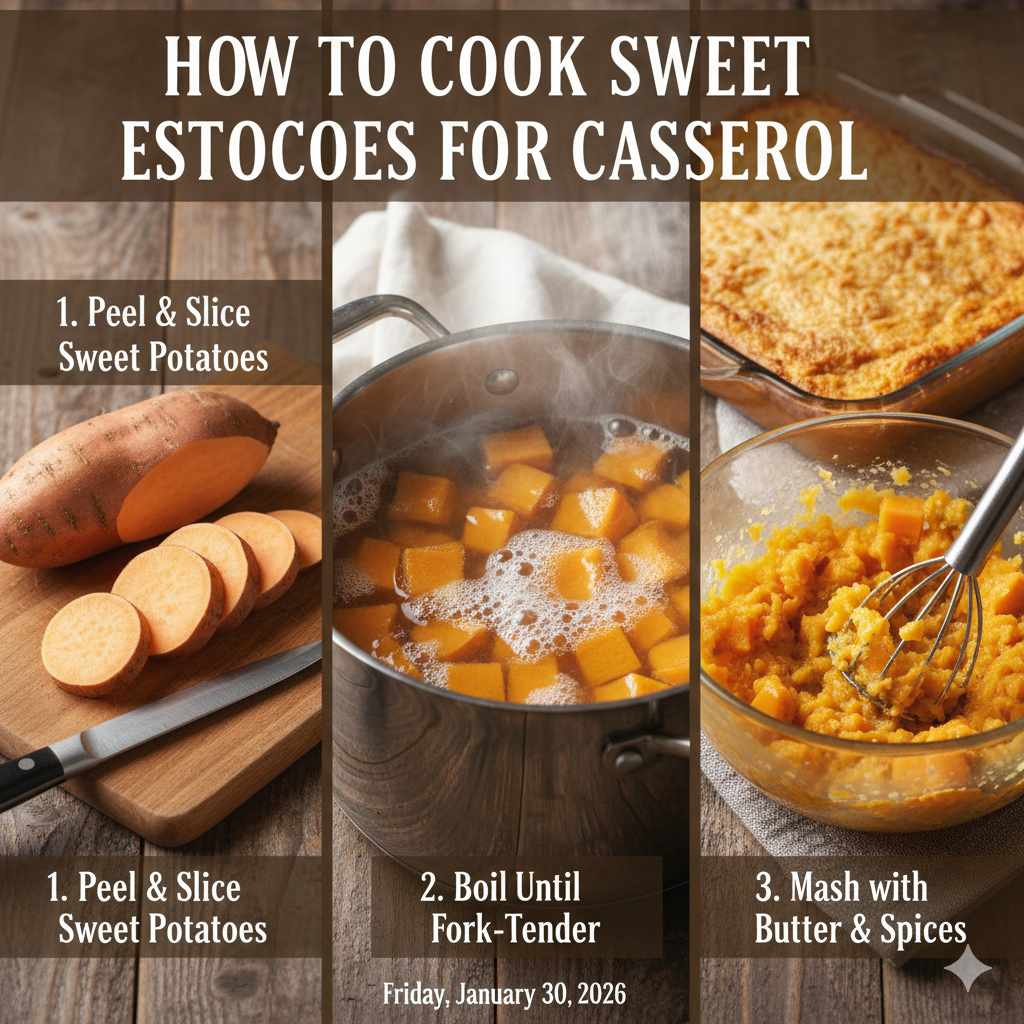
To properly cook sweet potatoes for a casserole, the secret is to achieve tender, flavorful flesh ideal for mashing or cubing without making them watery. Baking or boiling are the simplest methods; baking concentrates the natural sweetness, while boiling offers speed. Choose your preferred method, ensure they are fully cooked but not mushy, cool slightly, and then proceed with mixing your casserole base.
When planning your holiday meals or favorite comfort dishes, the sweet potato casserole often takes center stage. It’s creamy, sweet, and satisfying. But before you get to the glorious topping phase, you have to handle the main ingredient: the sweet potatoes themselves. If they are too hard, your mash will be lumpy. If they are too watery, your casserole will be soupy.
Why Perfectly Cooked Sweet Potatoes Matter for Casserole
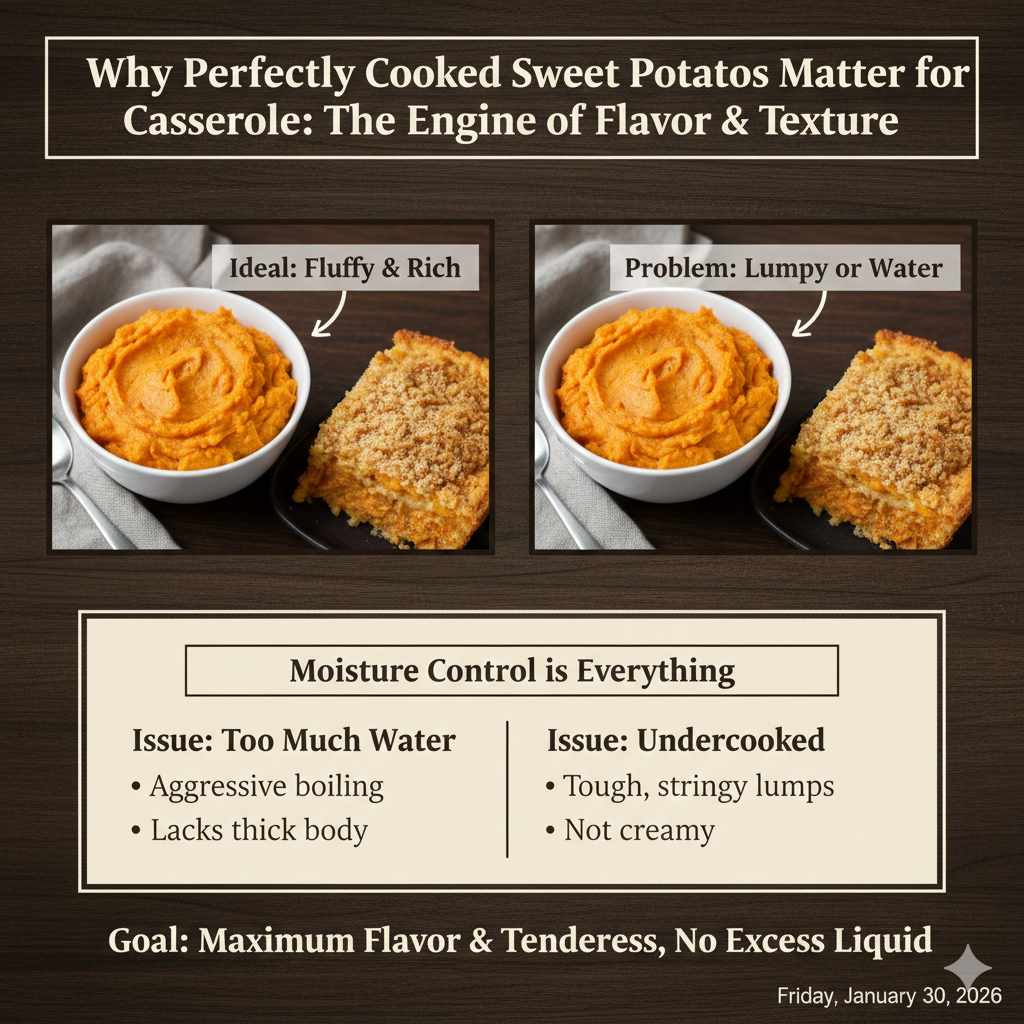
Think of the sweet potato like the engine of your casserole. If the engine isn’t right, the whole dish suffers. When we cook sweet potatoes for mashing, moisture control is everything.
Too much water ruins the texture. If you boil them aggressively and they soak up too much liquid, your final casserole will lack that thick, rich body you want. On the other hand, if they are undercooked, you get tough, stringy lumps, which is frustrating when you are expecting smooth, creamy goodness.
Our main goal in this prep stage is simple: maximum flavor and ideal tenderness without excess liquid. This preparation sets the stage for that perfect, fluffy interior beneath that crispy, crunchy topping. Let’s dive into the best techniques.
Choosing Your Sweet Potatoes
Before we start cooking, let’s talk about the right spuds. Not all sweet potatoes are created equal, especially when it comes to baking and mashing.
The Best Varieties for Casseroles
For the creamiest texture and sweetest flavor, look for varieties often called ‘yams’ in American grocery stores (though technically they are sweet potatoes).
- Jewel or Garnet Sweet Potatoes: These have reddish-brown skin and bright orange flesh. They are famously moist and sweet, making them the gold standard for mashing and casseroles.
- Beauregard Sweet Potatoes: Similar to Jewel, these are very common, slightly less sweet but hold their texture well when cooked.
How to Select Good Potatoes
When you grab them from the bin, look for these signs of quality:
- Firm and smooth skin.
- No soft spots or deep bruises.
- Avoid potatoes with long, thin “sprouts” sticking out—they might be older.
Method 1: Baking Sweet Potatoes (The Flavor Maximizer)
Baking is often hailed as the best way to cook sweet potatoes for casserole preparation. Why? Because the dry heat concentrates the starches and sugars, resulting in an intensely sweet and fluffy interior that requires very little added moisture later. It’s my top recommendation if you have the time.
Tools You Will Need
- Baking sheet
- Aluminum foil or parchment paper
- Fork or sharp knife
- Oven mitts
Step-by-Step Guide for Baking
This process is very hands-off, which is great while you focus on other parts of your big meal prep.
- Preheat: Set your oven to 400°F (200°C). A high temperature helps the skin crisp slightly while the inside cooks evenly.
- Clean the Spuds: Rinse the sweet potatoes thoroughly under cool running water. Scrub the skins gently with a brush if they seem dirty. You don’t need to peel them yet!
- Prep for Baking: Pat the potatoes completely dry. Using a fork (this is important for safety!), pierce each sweet potato 5 or 6 times deeply around the skin. This allows steam to escape. If you skip this, the potato can explode in the oven—and nobody wants that mess!
- Wrap or Place: You have two options here:
- Option A (Recommended for Flavor): Wrap each potato individually in aluminum foil. This traps moisture inside for the creamiest result.
- Option B (For Slightly Drier Flesh): Place them directly onto a baking sheet lined with parchment paper (to prevent sticking).
- Bake Time: Place the sheet in the preheated oven. Baking time varies based on size, but estimate 45 to 75 minutes.
- Check for Doneness: The potatoes are done when a skewer or sharp knife slides easily into the center with almost no resistance. They should feel very soft when gently squeezed (use your oven mitts!).
- Cool Down: Once cooked, remove them from the oven. If you wrapped them in foil, let them sit for about 15 minutes. This makes them cool enough to handle safely.
- Peel and Scoop: Once cool enough to touch, slice the potato lengthwise. The skin should peel away easily by hand, or you can scoop the soft flesh out with a spoon. Discard the skins.
Baking Time Reference Table
Use this chart as a guide for how long to bake your potatoes at 400°F (200°C).
| Potato Size | Approximate Baking Time (Foil Wrapped) | Texture Goal |
|---|---|---|
| Small (approx. 6 oz) | 45–55 minutes | Tender, sweet |
| Medium (approx. 8-10 oz) | 55–65 minutes | Very soft, easy to mash |
| Large (12 oz +) | 65–75+ minutes | Fully cooked through to the center |
Method 2: Boiling Sweet Potatoes (The Speed Option)
If you are running short on time, boiling is a faster route to soft sweet potatoes. The trick here is managing the water content so your final casserole isn’t runny. We want them tender, not soaked.
Tools You Will Need
- Large pot
- Vegetable peeler
- Sharp knife
- Colander
Step-by-Step Guide for Boiling
For boiling, we peel and cut the potatoes before cooking. This ensures they cook quickly and evenly.
- Prep the Potatoes: Peel the skin off the sweet potatoes entirely. It’s much easier to peel them raw than after boiling.
- Cut Uniformly: Chop the peeled potatoes into even-sized cubes, about 1 to 1.5 inches (2.5 to 4 cm). Uniformity is key so they all finish softening at the same time.
- The Water Bath: Place the cubes into a large pot. Cover the cubes with cold water, leaving about an inch of water above the potatoes.
- Add Salt (Optional but Recommended): Add about 1 teaspoon of salt to the water. This lightly seasons the potatoes from the inside out.
- Boil: Place the pot over high heat and bring the water to a rolling boil.
- Simmer and Test: Once boiling, reduce the heat slightly to a steady simmer. Cook time usually ranges from 15 to 25 minutes, depending on cube size. Start testing around the 15-minute mark with a fork. They should pierce easily.
- Drain Immediately: This is the most crucial step for boiling! Immediately pour the potatoes into a colander set in the sink. Let them sit for 5 minutes. This allows the steam and excess surface water to evaporate. Do not rinse them with cold water, as this reintroduces moisture.
Pro Tip for Dehydrating Boiled Potatoes
To ensure the flattest, creamiest mash possible when boiling, try this extra step after draining:
Return the undrained, hot sweet potatoes to the empty, hot pot. Place the pot back on low heat for 2 to 3 minutes, stirring gently. This residual heat will evaporate any last bits of surface moisture clinging to the potatoes. This small effort makes a huge difference in preventing a watery casserole base.
Method 3: Steaming Sweet Potatoes (The Middle Ground)
Steaming is a great compromise. It’s faster than baking but introduces far less water than boiling, preserving a lot of that natural sweetness. This method is fantastic if you are nervous about boiling but don’t have an hour for baking.
Tools You Will Need
- Pot with a tight-fitting lid
- Steamer basket (or a metal colander that fits inside the pot)
- Water
Step-by-Step Guide for Steaming
For steaming, we typically leave the skins on until they are cooked, similar to baking.
- Set Up the Steamer: In your large pot, add about 1 to 2 inches of water—enough so the water level sits below the bottom of your steamer basket when the lid is on.
- Bring to Steam: Bring the water to a boil over high heat.
- Add Potatoes: Place your whole, washed, and pierced sweet potatoes into the steamer basket. Cover the pot tightly.
- Steam Time: Steam for about 30 to 45 minutes. Check them halfway through to ensure the water hasn’t boiled away (add a splash more hot water if needed).
- Test: Test with a fork. They should yield easily.
- Peel: Let them cool slightly (about 10 minutes) before peeling and scooping out the cooked flesh.
Comparing the Cooking Methods for Casserole Base
Deciding how to cook your sweet potatoes depends on your kitchen priorities. Here is a quick breakdown of reliability and flavor extraction.
| Method | Time Commitment | Moisture Level Control | Flavor Intensity | Best For |
|---|---|---|---|---|
| Baking | Longest (45–75 mins) | Lowest (Best control) | Highest (Concentrated sweetness) | Maximum flavor, creamy mash. |
| Boiling | Shortest (15–25 mins) | Highest Risk (Can become watery) | Lower (Flavor leaches into water) | When time is the absolute number one priority. |
| Steaming | Medium (30–45 mins) | Good Control | Medium-High | Balancing speed and good texture. |
What to Do After Cooking: Making the Mash
Once your sweet potatoes are perfectly cooked using any of the methods above (baked, boiled, or steamed), the next critical step is turning them into a smooth base for your casserole.
Essential Tools for Mashing
- Potato masher OR Hand mixer OR Immersion blender
- Large mixing bowl
Tips for the Best Mash Consistency
Remember, our goal is a mash that holds its shape when spread in the baking dish.
- Ensure They Are Still Warm: It is much easier to achieve a smooth consistency when the potato flesh is warm, straight after peeling and scooping.
- Add Fats First: When incorporating butter or milk/cream, add the fat components first. Ingredients like melted butter blend in smoothly.
- Mash Gently: If using a hand masher, use even pressure. For a very smooth texture without overworking, a hand mixer used on low speed for just 30 seconds works wonders. Avoid using a food processor or high-speed blender unless instructed by your specific recipe, as these can break down the starches too much, resulting in a gluey texture.
- Taste and Adjust: After adding your sugars, spices (like cinnamon or nutmeg), and liquids, taste the mixture. If it seems too stiff, add a tablespoon of milk or cream at a time until the desired flowing consistency is reached. If it is too wet, see the section below on fixing watery potatoes.
Troubleshooting Common Casserole Base Issues
Even with the best intentions, sometimes moisture creeps in, or the texture isn’t quite right. Don’t worry; these are easy fixes!
Problem 1: My Boiled Potatoes Are Too Watery
This most often happens when boiling. If your mash seems soupier than expected, you need to cook out the excess moisture.
- Fix: Return the mashed mixture to a saucepan over low heat. Stir constantly for 3 to 5 minutes. The gentle heat will evaporate the extra water without burning the bottom. Stir in your binders (like eggs or evaporated milk) after you’ve reduced the liquid volume.
Problem 2: My Baked Potatoes Are Stringy
Sometimes, a particularly fibrous sweet potato remains stringy even after thorough cooking.
- Fix: If you only have tiny strings, they might be unnoticeable once baked into the casserole. If the strings are noticeable, press the cooked flesh through a sturdy fine-mesh sieve (a process called “ricing” or “puréeing”). This removes any fibrous bits, giving you perfectly smooth results.
Problem 3: The Potatoes Aren’t Sweet Enough
If your potatoes taste bland, it’s often because they weren’t fully ripened or you boiled away the sugars.
- Fix: This is where your casserole recipe steps in! Be generous with brown sugar, maple syrup, or honey (as called for by your recipe). A pinch of salt, even in a sweet dish, helps boost the natural sweetness perception.
Safety First: Handling Hot Produce
Whether you are dealing with a hot oven or boiling water, safety is paramount. When working with high heat, remember these guidelines:
- Always use insulated oven mitts when removing foil-wrapped or baked potatoes from a 400°F oven.
- When draining boiling water, stand back slightly to avoid steam burns, and never place your face directly over the pot opening.
- When piercing raw potatoes before baking, only use firm, deliberate motions. A dull knife or slips can lead to cuts.
External Resources for Food Safety and Prep
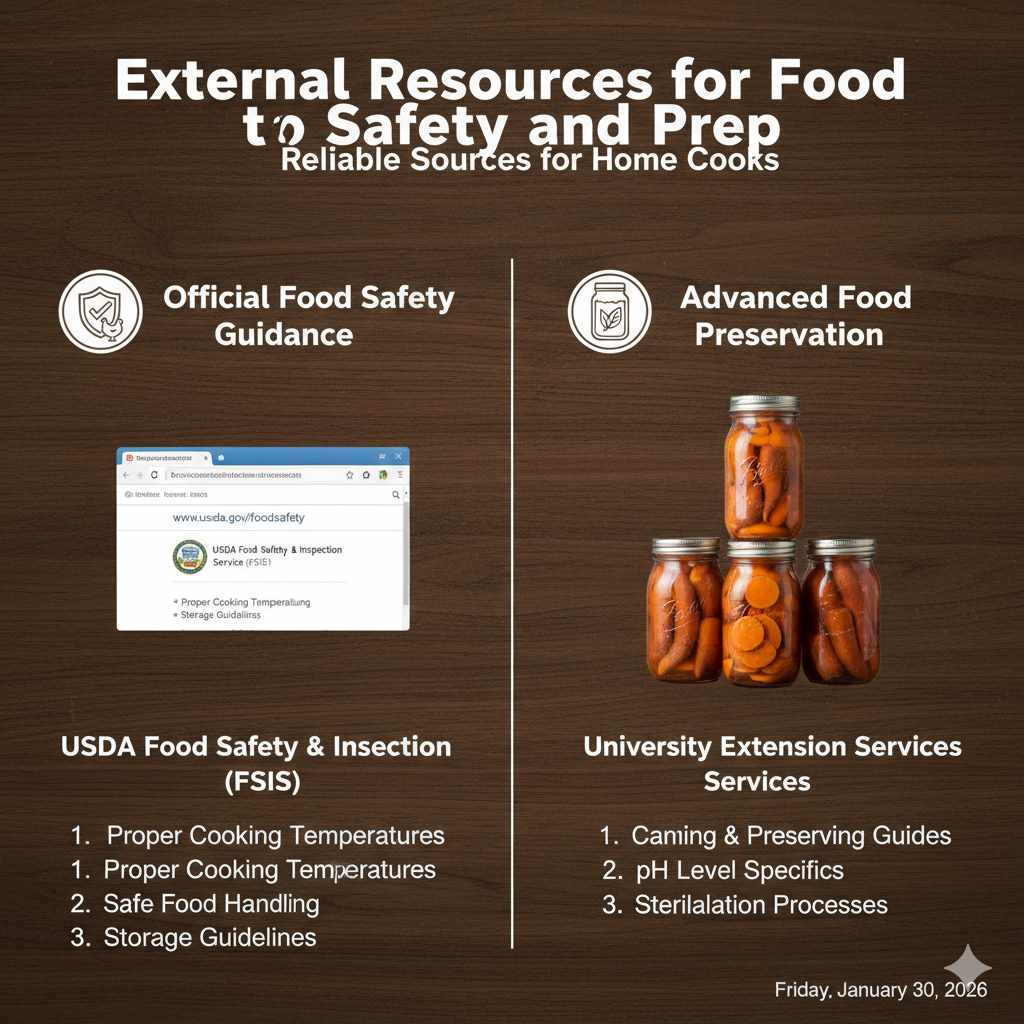
If you’re curious about the science behind cooking root vegetables or how to store them properly after cooking, reliable sources are your best friend. For official guidance on proper cooking temperatures and food handling to ensure safety, especially when dealing with large batches for gatherings, checking resources like the USDA Food Safety and Inspection Service (FSIS) is always a smart move.
Furthermore, if you ever decide to try canning or preserving sweet potatoes, which requires very specific pH levels and sterilization processes, the educational outreach from state universities can be invaluable. For example, extension offices often provide excellent, detailed guides, similar to information found through extension programs like those offered by land-grant universities.
Frequently Asked Questions (FAQ) About Cooking Sweet Potatoes for Casserole
Q1: Can I use canned sweet potatoes instead of fresh ones?
A: Yes, you can. Canned sweet potatoes are already fully cooked. Just be sure to drain them very, very well. They tend to be softer than baked potatoes, so you may need to use slightly less liquid in your casserole recipe.
Q2: How long after cooking sweet potatoes can I keep them before making the casserole?
A: Cooked, mashed sweet potato flesh (without dairy or eggs added) can be refrigerated in an airtight container for up to 3 days. If you add butter, milk, or eggs, you should aim to use them within 2 days, or freeze the mash for up to 3 months.
Q3: Should I leave the skin on when boiling?
A: It is highly recommended to peel the potatoes before boiling. The skin prevents water absorption, but leaving it on while boiling results in unevenly cooked potatoes and makes the final peeling process difficult and messy when the potatoes are soft.
Q4: What is the best way to sweeten baked sweet potatoes for casserole?
A: The best way is to add your sweeteners—usually brown sugar, maple syrup, and extracts like vanilla—after the potatoes are baked and scooped out. Mix them into the warm flesh before adding eggs or cream. This lets you control the sweetness perfectly.
Q5: Do I need to use an electric mixer for mashing?
A: No, a simple hand-held potato masher works perfectly well for a slightly rustic, fluffy texture. If you prefer a truly smooth, restaurant-style texture, a hand mixer on low speed for a very short time is the easiest tool.
Conclusion: Master Sweet Potatoes for the Perfect Casserole Every Time
Learning how to cook sweet potatoes for casserole is the foundation of a smooth, flavorful, and perfectly set dish. Whether you choose baking, boiling, or steaming, the key is always the same: cook the potatoes until fully tender while carefully controlling moisture. When the texture is right at this stage, everything that follows—mashing, seasoning, and baking—becomes effortless.
Baking delivers the richest flavor and driest, fluffiest flesh, making it ideal for classic holiday sweet potato casseroles. Boiling offers speed when time is tight, as long as you drain and dehydrate properly. Steaming strikes a balance between the two, preserving sweetness without excess water. By choosing the method that fits your schedule and following the moisture-control tips in this guide, you’ll avoid common problems like watery or lumpy casserole bases.
Once your sweet potatoes are cooked correctly, building a creamy, well-structured casserole is simple. Warm potatoes mash more smoothly, fats blend better, and seasonings shine brighter. With these techniques in hand, you can confidently prep your sweet potatoes ahead of time, customize flavors, and serve a casserole that holds its shape and tastes incredible.
No matter the occasion—holiday feasts or cozy comfort meals—you now know exactly how to prepare sweet potatoes the right way. Start with properly cooked potatoes, and the rest of your sweet potato casserole will come together beautifully, every single time.