How To Care For A Marble Table: Expert Cleaning Tips
Marble tables are beautiful. They add a touch of elegance to any room. But they can also be a little tricky to care for.

Elepbear
Elepbear 31.5" Tulip Round Dining Table with…
- Idea for Small Spaces: This 31.5" round pedestal dining table is the perfect solution for compact areas, serving as a small kitche…
- Mid-Century Modern Design: Featuring a classic tulip table silhouette with clean lines, this round dining table brings timeless el…
- Easy Clean Surface: The smooth top of this table ensures effortless cleaning, maintaining its polished look for daily use. No spec…
As an Amazon Associate I earn from qualifying purchases.
Many people worry about stains or scratches. They might even feel afraid to use their table normally. This guide is here to help.
We’ll walk you through simple ways to keep your marble table shining. You’ll learn what to do and what to avoid. It’s easier than you think to maintain that beautiful look.
Caring for a marble table involves gentle cleaning and prompt attention to spills. Using pH-neutral cleaners, coasters, and avoiding harsh chemicals will protect its surface from etching and staining, ensuring its longevity and beauty.
Understanding Your Marble Table
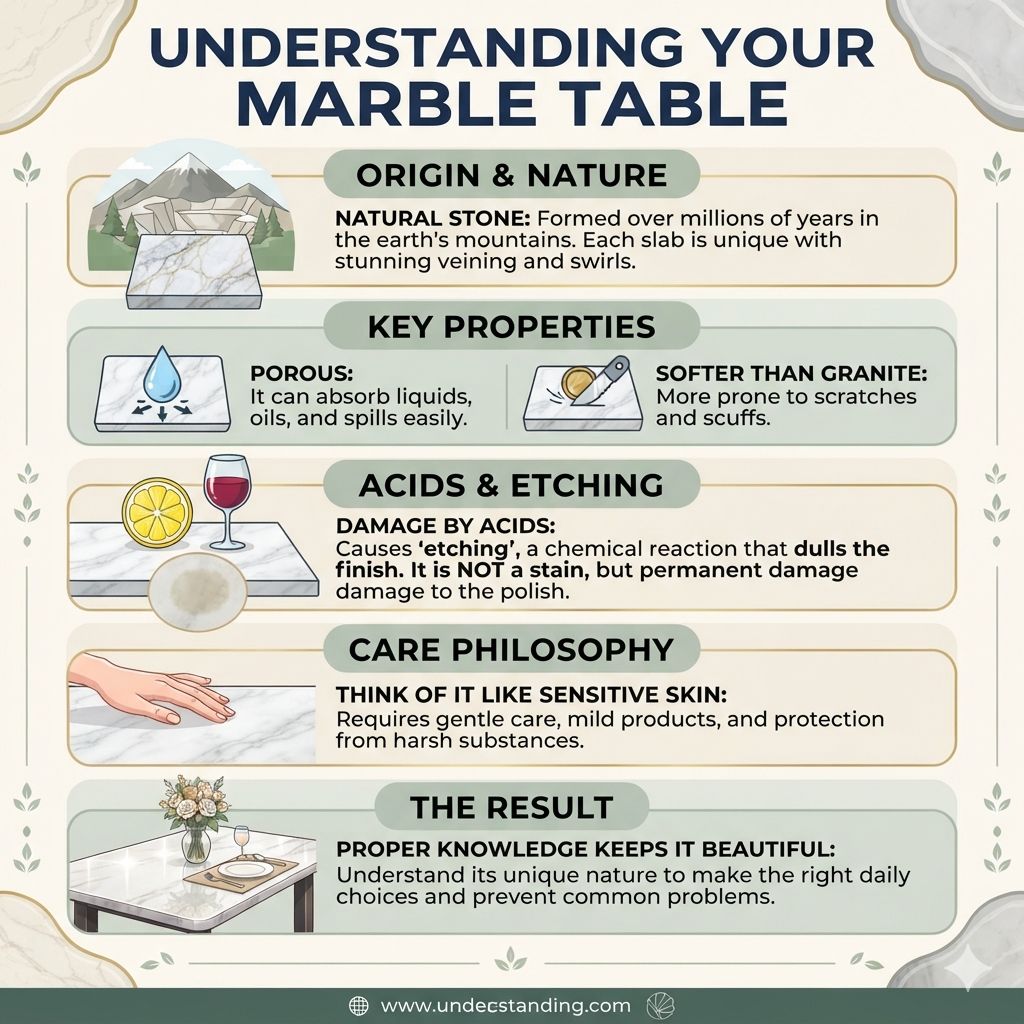
Marble is a natural stone. It comes from mountains. It’s formed over many years.
This makes each marble slab unique. It has pretty veining and swirls. But marble is also porous.
This means it can soak things up. It’s also a softer stone than granite. So, it can scratch more easily.
Acids can also damage it. This is called etching. Etching looks like a dull spot.
It’s not a stain. It changes the stone’s finish. Knowing these things helps you care for it right.
Think of it like this: marble is a bit like a sensitive skin. It needs gentle products. It needs protection from strong things.
When you understand its nature, you can avoid common problems. This knowledge helps you make the right choices every day. It’s about working with the stone, not against it.
This will keep your marble table looking its best.
My Own Marble Table Scare
I remember the first time I saw a dark red wine spill on my new marble coffee table. It was a holiday party. Everyone was laughing and having fun.
Then, someone bumped the table. A full glass of red wine tipped over. My heart stopped.
I saw the deep red liquid spread across the white marble. Panic set in. I thought, “This is it.
My beautiful table is ruined.” It looked so bad. The stain seemed to seep in instantly. I jumped up.
I grabbed paper towels. I blotted it as fast as I could. My hands were shaking a little.
It felt like a disaster had struck. I was so worried about etching and permanent marks.
I spent the next hour feeling sick. I looked at the spot constantly. I worried it would be there forever.
That night, after everyone left, I started researching. I learned so much about marble. I found out how to clean it.
I learned about poultices for stains. I discovered the importance of sealing. That scary moment taught me a valuable lesson.
It showed me how important quick action is. It also taught me to be prepared. Now, I have a marble cleaning kit ready.
I don’t fear spills as much anymore. It was a wake-up call that led to better care.
Marble Table Care Essentials
Gentle Cleaning Tools: Always use soft cloths. Microfiber cloths are best. Avoid rough sponges or scrubbers.
These can scratch the marble surface.
pH-Neutral Cleaners: Stick to cleaners made for natural stone. Or, use a little mild dish soap mixed with water. Never use harsh chemicals.
Things like bleach or ammonia can harm marble.
Prompt Spill Cleanup: This is key. Don’t let spills sit. Blot them up right away.
This prevents stains from setting in.
Use Coasters and Trivets: Always use coasters for drinks. Use trivets for hot dishes. This protects against rings and heat damage.
Everyday Cleaning for Your Marble Table
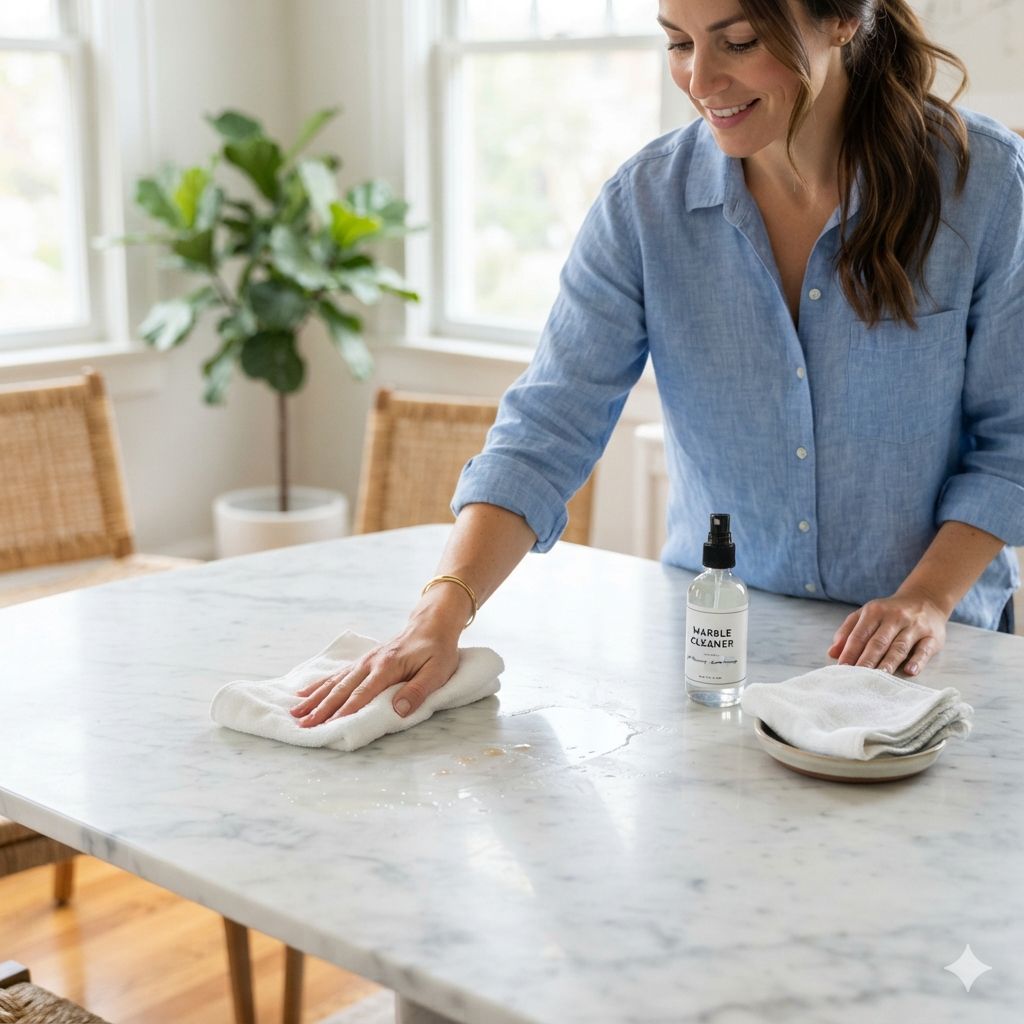
Keeping your marble table clean is simple. You don’t need fancy products. A soft cloth is your best friend.
For daily dust, a dry microfiber cloth works well. It picks up dust without scratching. If you see a small spot or mark, use a damp cloth.
Use plain water first. Gently wipe the area. Then, dry it with another soft cloth.
If water alone doesn’t do the job, make a mild cleaning solution. Mix a tiny bit of pH-neutral dish soap. Use only a drop or two.
Put this in a bowl of warm water. Dip your soft cloth into this solution. Wring it out well.
You want the cloth to be damp, not soaking wet. Wipe the table surface. Then, rinse your cloth with clean water.
Wipe the table again to remove any soap residue. Always finish by drying the marble with a clean, dry cloth. This prevents water spots.
Doing this regularly keeps the table looking fresh.
It’s important to avoid a few things. Don’t use abrasive cleaners. Powders can scratch.
Cream cleaners often have harsh chemicals. Also, avoid acidic cleaners. Things like vinegar or lemon juice are bad.
Even some window cleaners are too strong. Always read the label. If it says it’s safe for natural stone, it’s probably okay.
But water and mild soap are usually enough for daily needs.
Quick Marble Cleaning Steps
Step 1: Dust Daily
- Use a dry, soft microfiber cloth.
- Wipe the entire surface to remove dust.
Step 2: Wipe Spots
- Use a damp cloth with plain water.
- Gently wipe away any marks.
- Dry with a clean, soft cloth.
Step 3: Mild Soap Solution (if needed)
- Mix a tiny drop of pH-neutral dish soap with warm water.
- Dampen a soft cloth.
- Wipe the table.
- Rinse cloth and wipe again with clean water.
- Dry thoroughly with a soft cloth.
Dealing with Spills and Stains on Marble
Spills are the biggest worry for most marble owners. The good news is, if you act fast, you can often avoid stains. For most liquid spills, like water, juice, or coffee, blot them up immediately.
Use a clean, soft cloth or paper towel. Press down gently. Don’t rub.
Rubbing can spread the spill. It might also push it deeper into the marble’s pores.
For colored spills, like red wine or dark juice, speed is even more important. Blot as much as you can. If a faint stain remains, you might need a poultice.
A poultice is like a paste. It draws the stain out of the stone. A common homemade poultice is made from baking soda and water.
Mix baking soda with just enough water to make a thick paste. It should be the consistency of peanut butter. Apply this paste to the stain.
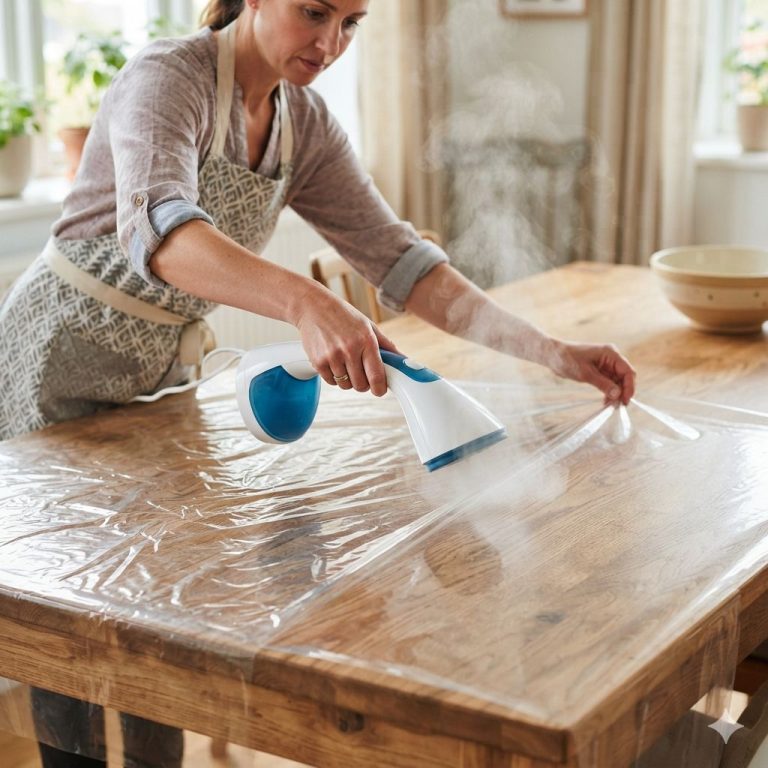
Cover it with plastic wrap. Tape the edges of the plastic wrap. Let it sit for 24 to 48 hours.
The baking soda absorbs the stain.
After 24 to 48 hours, remove the plastic wrap. Let the poultice dry completely. It will turn into a powder.
Gently scrape it off with a plastic scraper. Clean the area with a damp cloth. Then dry it.
Check if the stain is gone. You might need to repeat the process. For tough stains, some people use a commercial marble poultice.
Always follow the product instructions. Remember, this is for stains that have soaked into the stone.
Preventing Etching: The Silent Destroyer
Etching is different from staining. It’s a physical change to the marble’s surface. It happens when acidic substances touch the stone.
Common culprits include citrus fruits (lemons, oranges), vinegar, wine, tomato sauce, and even some cleaning products. These acids react with the calcium carbonate in marble. This reaction dulls the shiny finish.
It creates a ring or a dull patch.
The best way to prevent etching is by avoiding contact with acids. This means using coasters for glasses and bottles. Use trivets or mats for hot pots and pans.
Even placing a piece of fruit directly on the table can cause etching. Be mindful of what you place on your table. Also, be careful with cleaning products.
Never use acidic cleaners like vinegar or lemon-based sprays on your marble table.
If etching does occur, it can be hard to fix. For light etching, sometimes a marble polishing powder can help. You apply this powder and buff it.
It can restore some shine. However, deep etching might require professional refinishing. This is why prevention is so important.
Small efforts every day make a big difference. Using placemats during meals also helps. It protects the surface from food acids.
Etching vs. Staining: Know the Difference
Etching:
- What it looks like: A dull spot or ring. It looks like the shine is gone.
- What causes it: Acids reacting with the stone.
- Examples: Lemon juice, vinegar, wine, tomato sauce.
- Fix: Difficult. May need professional polishing.
Staining:
- What it looks like: A colored mark on the surface.
- What causes it: Colored liquids or substances soaking into the pores.
- Examples: Coffee, tea, red wine, oil.
- Fix: Often fixable with a poultice if treated quickly.
The Importance of Sealing Your Marble Table
Sealing is a protective step for your marble table. It helps make the stone less porous. This means it’s harder for liquids to soak in.
Think of it like adding a shield. A good sealant fills the tiny pores in the marble. This gives you a little more time to clean up spills.
It doesn’t make the marble waterproof. It just makes it more resistant.
How often should you seal? It depends on the sealant and how much the table is used. Generally, it’s recommended to reseal marble surfaces every 6 to 12 months.
You can test if your table needs sealing. Pour a small amount of water onto the surface. Let it sit for about 15 minutes.
If the water beads up, the sealant is still working. If the water soaks in and darkens the marble, it’s time to reseal.
To seal your table, first make sure it’s clean and completely dry. You can buy marble sealants at most hardware stores or stone supply shops. Follow the product’s instructions carefully.
Usually, you apply the sealant with a soft cloth or brush. Let it penetrate the stone. Then, wipe off any excess.
Allow it to cure for the time specified on the product. Sealing is an investment in your table’s future. It adds a layer of protection against everyday accidents.
When to Reseal Your Marble Table
Test Method: Water Drop Test
- What to do: Place a few drops of water on the marble surface.
- Wait: Leave the water for 15 minutes.
- Observe:
- Water beads up: Sealant is working well.
- Water soaks in and darkens marble: Time to reseal.
General Timeline: Reseal every 6-12 months, or as needed based on the water test.
What to AVOID When Cleaning Marble
Knowing what not to do is just as important as knowing what to do. Some common cleaning mistakes can cause serious damage. The biggest no-no is using harsh chemicals.
This includes bleach, ammonia, and all-purpose cleaners that aren’t specifically for stone. These can break down the sealant. They can also etch or discolor the marble.
Abrasive cleaners and scrubbers are also a big problem. Think of steel wool, rough sponges, or scouring powders. These will scratch the surface.
Scratches are usually permanent. They ruin the smooth, polished look of marble. Even seemingly harmless things like acidic foods left out can cause damage.
So, always use coasters and trivets.
Wiping a dry, dirty surface can also cause micro-scratches. Always dust your table first. Then use a damp cloth.
Don’t let cleaning solutions or water sit on the marble for too long. Wipe them up quickly. Then dry the surface.
Following these avoidance tips will help protect your investment. It ensures your marble table stays beautiful for years to come.
Marble Cleaning Don’ts
DO NOT Use:
- Bleach
- Ammonia
- Vinegar
- Lemon Juice
- Abrasive Cleaners (e.g., scouring powder)
- Rough Sponges or Steel Wool
- Acidic All-Purpose Cleaners
DO NOT:
- Let Spills Sit
- Rub Stains Vigorously
- Clean Dry Marble with a Damp Cloth
When to Call a Professional
Most marble table care can be handled at home. However, sometimes problems arise that are beyond DIY fixes. If you have a very deep scratch that you can’t buff out, a professional stone restoration expert might be needed.
They have specialized tools and techniques.
Severe etching that has gone deep into the stone is another situation. If a large area looks permanently dull and polishing powders don’t work, it’s time to call an expert. They can resurface the marble.
This means grinding down the top layer. Then they re-polish it to match the original finish. This is a more intensive process.
Very old or heavily stained marble might also need professional attention. They can assess the type of stain and the best way to remove it. Sometimes, it involves special chemicals or treatments.
Don’t feel bad about calling a pro. They have the expertise to bring your marble table back to its former glory. It’s better to get expert help than to try something that could cause more damage.
Real-World Scenarios and Solutions
Let’s look at some common situations. Imagine you have kids. They often leave rings from cups.
Or maybe they draw on the table with crayon. For cup rings, if they are from plain water, a damp cloth should do it. If it’s a sticky drink, a mild soap solution will help.
For crayon marks, try gently scraping with a plastic card. Then clean the area with a mild cleaner.
What about greasy marks? Sometimes, oily foods can leave a mark. For these, you might need a poultice.
Mix baking soda with a little water to make a paste. Apply it to the greasy spot. Let it dry.
Scrape it off. The baking soda can absorb oil. You can also try a commercial stone degreaser.
Always test any new product in an inconspicuous area first.
Consider a coffee table in a busy living room. It gets a lot of use. People put down magazines, remote controls, and glasses.
This is where coasters and trivets are crucial. If a coffee spill happens, blot it fast. If a faint stain remains, use a poultice.
The key is to be proactive. Make these simple habits part of your routine. They protect the table from daily wear and tear.
Scenario: Kids and Coffee Stains
Problem: Coffee spill on the marble table, leaving a brown mark.
Immediate Action:
- Blot up as much coffee as possible with a soft cloth.
- Do not rub.
If Stain Remains:
- Option 1 (Poultice):
- Mix baking soda and water into a thick paste.
- Apply to the stain.
- Cover with plastic wrap and tape edges.
- Let sit for 24-48 hours.
- Remove, let dry, scrape off, and clean.
- Option 2 (Commercial Cleaner):
- Use a cleaner specifically for stone stain removal.
- Follow product instructions carefully.
Prevention: Use placemats and coasters during mealtimes or snack times.
Caring for Different Types of Marble
Marble comes in many colors and patterns. White marble is very popular. But it shows stains and etching more easily.
For example, Carrara marble and Calacatta marble are common. They have soft grey veining. They need careful handling.
Black marble or darker colored marbles might hide minor scratches better. However, they can show water spots or dullness more prominently.
Some marble has a polished finish. This is very shiny. It shows every smudge and fingerprint.
Other marble has a honed finish. This is a more matte, soft look. Honed marble is often more forgiving with minor etching.
It doesn’t show dull spots as obviously as polished marble. No matter the finish, the care principles are the same. Always use gentle methods.
The most important thing is to understand your specific marble. Is it sealed? How often?
What kind of finish does it have? If you bought your table from a reputable dealer, they might be able to tell you more about its properties. Knowing your marble’s type helps you anticipate its needs.
But always default to the gentlest cleaning methods.
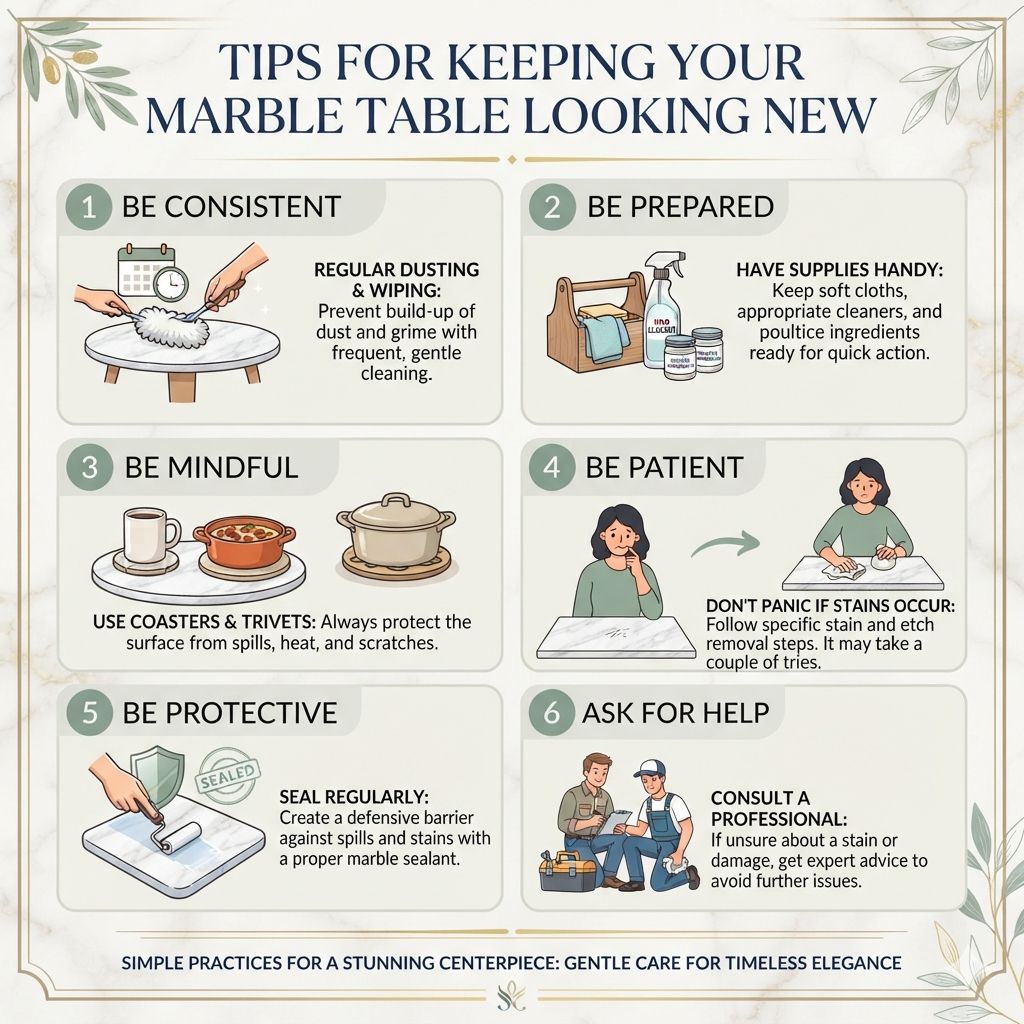
Tips for Keeping Your Marble Table Looking New
Let’s sum up some key tips. First, be consistent. Regular dusting and wiping prevent build-up.
Second, be prepared. Keep soft cloths handy. Have your mild cleaner and poultice ingredients ready.
Third, be mindful. Think before you place something on the table. Coasters and trivets are your best friends.
Fourth, be patient. If you get a stain or etch mark, don’t panic. Follow the steps.
Sometimes it takes a couple of tries. Fifth, be protective. Seal your marble regularly.
This is a simple step that offers great defense. Finally, don’t be afraid to ask for help. If you’re unsure about a stain or damage, consult a professional.
These simple practices will help your marble table stay beautiful. It will remain a stunning centerpiece in your home. It’s about creating a good relationship with your furniture.
You learn its needs. You meet those needs. And it rewards you with lasting beauty.
It’s a simple trade. Gentle care for timeless elegance.
Frequently Asked Questions About Marble Table Care
Can I use Windex or glass cleaner on my marble table?
No, it is generally not recommended. Windex and most glass cleaners contain ammonia or other harsh chemicals. These can damage the sealant on your marble and potentially etch the surface, leaving dull spots. Stick to pH-neutral cleaners or a simple solution of mild dish soap and water.
How do I remove a water ring from my marble table?
A light water ring is often just residue or a very mild etch. Try wiping the area with a damp, soft cloth. If that doesn’t work and the ring is dull, it might be a light etch. You can try a marble polishing powder specifically for etches. For persistent water stains, you might need a poultice (baking soda and water paste) to draw out the moisture and stain.
Is marble safe for dining tables where food is prepared?
While marble is beautiful for dining tables, it’s not ideal for direct food preparation. Its porous nature makes it susceptible to staining and etching from acidic foods like fruits, tomatoes, and vinegars. Always use cutting boards and serving platters. Promptly clean up any spills to prevent damage.
My marble table has tiny chips on the edge. What can I do?
Small chips on the edge of marble can be tricky. For very minor chips, some people use a clear epoxy or a marble repair kit. However, matching the color and finish can be difficult. For significant chips, it’s best to consult a professional stone restoration specialist. They can often repair them seamlessly.
How often should I seal my marble table?
The frequency of sealing depends on the type of sealant used, the density of the marble, and how heavily the table is used. A general guideline is every 6 to 12 months. You can test if your table needs sealing by performing a water drop test: if water beads up, the seal is good; if it soaks in, it’s time to reseal.
Can I put hot dishes directly on my marble table?
No, you should never place hot dishes directly on a marble table. The sudden temperature change can cause thermal shock, leading to cracks or damaging the sealant and surface finish. Always use trivets or hot pads to protect your marble from extreme heat.
Final Thoughts on Marble Table Care
Caring for your marble table doesn’t have to be a chore. It’s about simple habits. It’s about understanding the stone.
With gentle cleaning, prompt spill management, and regular sealing, your marble table will stay beautiful. It will be a source of pride for years to come. Enjoy its natural beauty without fear.
Related pick: Check today's price on Amazon
Products related to this article
Sponsored / affiliate links. As an Amazon Associate I earn from qualifying purchases. I may earn additional commission from eligible campaigns.
 MECCANIXITY 24pcs Felt Furniture Pads, 1 Inch Round Small Felt Chair Leg Floor Protectors Prevent Scratches for Furniture Hard Floor, Khaki
 PATIKIL 14 mm Nail-on Felt Pads, 72 Pcs Round Felt Furniture Sliders Pads Heavy Duty Floor Protectors for Wooden Chair Sofa Cabinet Table Leg Feet Hardwood Floors, Black/Brown/White