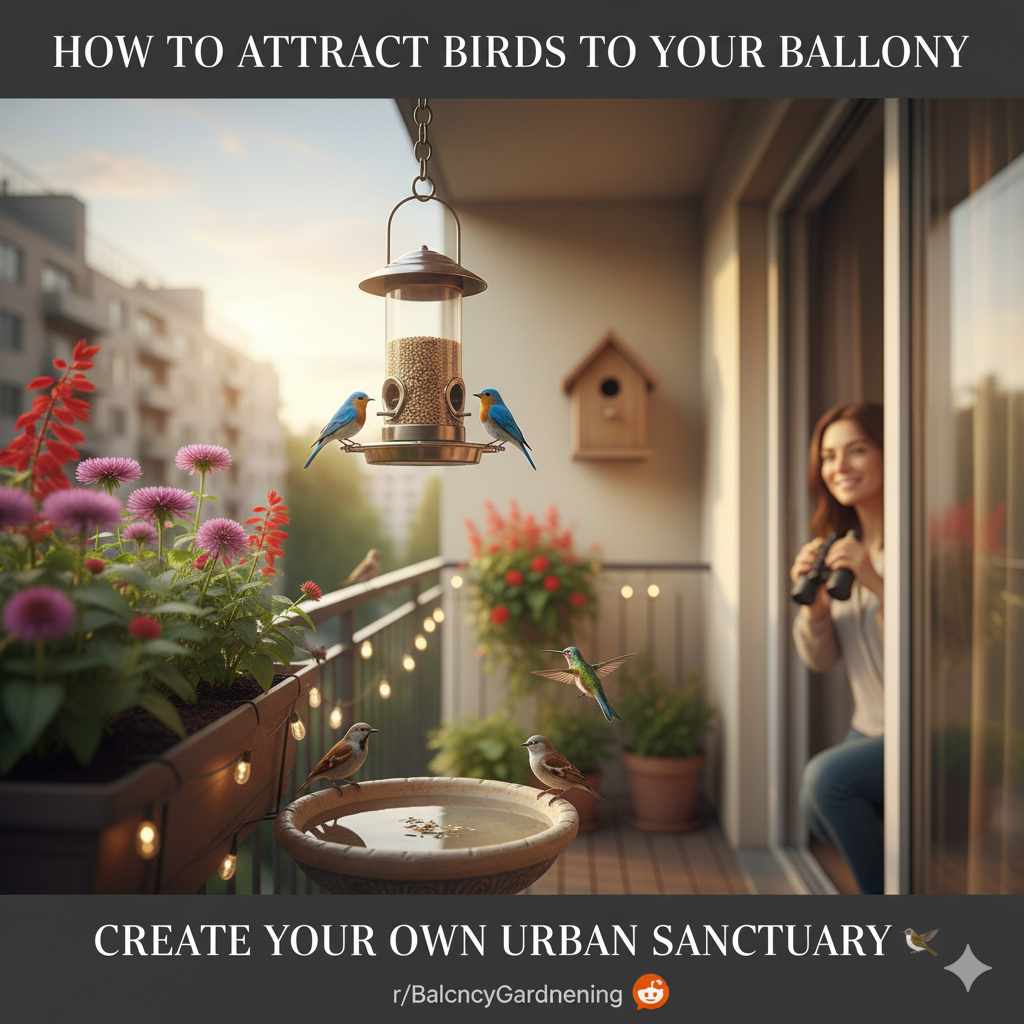
Attracting birds to your balcony is easy when you focus on the three essentials: food, water, and cover. By adding safe feeders, a clean water source, and native plants, you can quickly transform your small urban space into a lively backyard bird sanctuary.
Do you love watching nature but only have a small balcony to work with? Many city dwellers feel disconnected from the wildlife that seems so far away. Having birds visit your outdoor space brings so much joy and natural cheer, but getting those first few feathered friends to stop by can feel tricky. You might think attracting birds requires a huge yard, but that is simply not true. With a few simple, safe steps, you can turn your balcony into a welcoming rest stop for local songbirds. We are going to walk through everything you need, making sure it is safe for you and for your new avian visitors. Get ready to meet your neighbors!
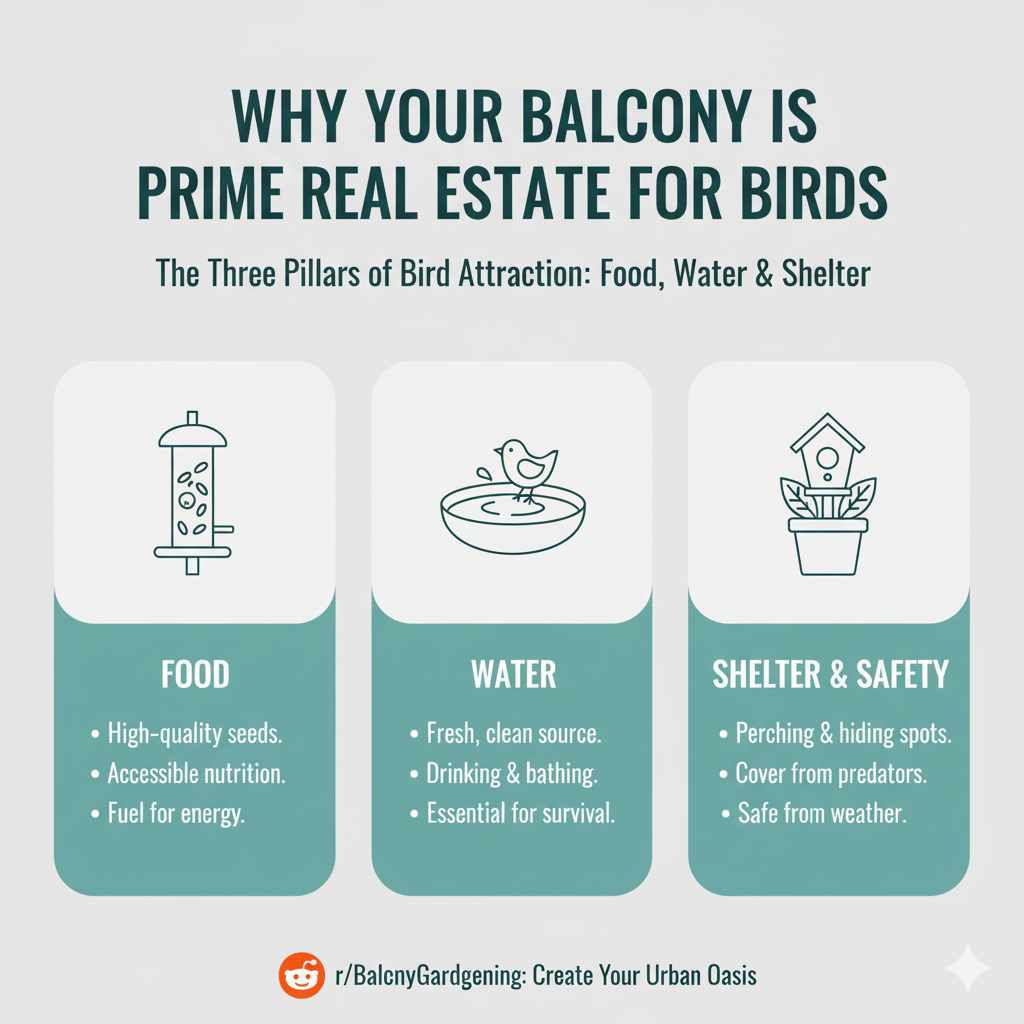
Why Your Balcony is Prime Real Estate for Birds
Even high up on a balcony, birds are looking for the same basic things they need on the ground: a safe place to refuel, a place to drink, and cover from predators or harsh weather. Your balcony, especially if it is higher up, can offer excellent vantage points and escape routes. Understanding their needs is the very first step to becoming a successful urban bird landlord.
The Three Pillars of Bird Attraction
Forget complicated gadgets. Bird attraction boils down to three non-negotiable elements. Focus on providing these, and the birds will find you:
- Food: High-quality, accessible nutrition to keep them energized.
- Water: A fresh, clean source for drinking and bathing.
- Shelter & Safety: Places to perch, hide, and feel secure from danger.
Step 1: Setting Up the Perfect Bird Buffet (Food)
Feeding birds is the most direct way to get them to visit, but you must choose the right food and keep it clean. Wrong feeds can cause sickness, so let’s choose wisely.
Choosing the Right Bird Seed
Not all seeds are created equal. To attract a wide variety of birds without creating too much waste or attracting unwanted guests (like pigeons), stick to high-value seeds.
- Black Oil Sunflower Seeds: This is the gold standard. Nearly every songbird loves it, and the shells are thin, making it easy for smaller birds to crack open.
- Nyjer (Thistle) Seed: Fantastic for smaller finches like American Goldfinches. You will need a special thin-slotted feeder for this.
- Safflower Seed: A great alternative if squirrels or grackles are an issue, as many common feeder pests cannot stand the taste.
- Millet: Good for ground-feeding birds like sparrows and doves, but often ends up wasted or uneaten if placed in hanging feeders.
Tip from Dustin: Avoid cheap “wild bird mixes” full of milo or cracked corn. These often sit uneaten, rot on your balcony, and attract rodents. Quality over quantity here!
Selecting Safe and Easy Feeders
For a balcony, space is tight, so you want feeders that are easy to clean and squirrel-resistant (if that is an issue in your area).
- Tube Feeders: Great for sunflower seeds and protect the seed from rain, keeping it fresher longer. Look for models with metal perches instead of plastic for better durability.
- Hopper Feeders: These hold more seed and feed automatically. Ensure they have a tray below to catch some spills, but be prepared to sweep often.
- Suet Cages: Essential, especially in colder months. Suet provides high energy fat for woodpeckers and chickadees. Make sure the cage is small enough to deter larger birds if needed.
Important Note on Feeder Placement: Place feeders close enough to cover (a nearby plant or railing edge) so birds feel they can escape quickly, but far enough from the main wall so squirrels cannot easily leap from the building structure onto them. A distance of about 8–10 feet from a jumping-off point is often recommended safety zone.
Feeder Maintenance: The Safety Check
This step is crucial for bird health. Dirty feeders spread disease much faster than clean ones. Think of it like not changing the oil in your car—eventually, things break down!
| Maintenance Task | Frequency | Why It Matters |
|---|---|---|
| Refilling Seed | When 1/4 full | Prevents seed from compacting and molding at the bottom. |
| Deep Cleaning Feeder | Every 2–3 Weeks | Use a mild bleach solution (one part bleach to nine parts water), scrub thoroughly, and let it air dry completely. |
| Removing Old Seed | Immediately | Discard any wet, moldy, or clumped seed found on the balcony floor. |
Step 2: The Attraction of Water (Bird Baths)
Birds need water just as much as food—for drinking and, importantly, for bathing. Bathing cleans their feathers, which is vital for insulation and flight. A water station is often a bigger magnet than a food station!
Designing Your Balcony Bird Bath
You don’t need a big, heavy concrete bird bath. Small, safe options work best on balconies.
- Shallow Trays: Birds prefer water only 1 to 2 inches deep in the bathing area. Look for shallow terracotta saucers or specialized plastic bath trays that attach securely to railings.
- Grip is Key: The bottom of the bath must not be slippery. Add a few pebbles or small, rough stones to the bottom of the tray so birds can stand securely while they splash.
- Keep Moving: Stagnant water attracts mosquitoes and can harbor bacteria. The goal is moving water if possible.
Creating Movement with a Dripper or Wiggler
Moving water attracts birds from much farther away because it signals freshness. If you cannot install a full fountain, here are two easy, budget-friendly balcony solutions:
- The Slow Drip: Secure a small plastic bottle filled with water above the bath. Poke a tiny hole in the cap. The slow drip falling onto the water creates ripples that signal freshness.
- The Solar Wiggler: These small, solar-powered plastic discs sit in the water and vibrate slightly, creating ripples without needing an outlet. They are very popular for small patio setups.
Safety Check: Never use hot water in winter. If temperatures drop below freezing, empty the bath entirely. Birds cannot bathe in ice and may drown if they land on it.
Step 3: Offering Cover and Perches (Security)
Birds will only stay if they feel safe. High-speed dashes toward a feeder and back into hiding are common. Your balcony needs “safe zones.”
The Importance of Native Plants
Plants provide natural shelter, nesting material (if you are lucky), and often safe perching spots that look more natural than a plastic feeder post. Native plants are best because local birds have evolved alongside them.
Top Balcony-Friendly Plants for Bird Attraction
Check with your local agricultural extension office (often run by a university, like The Old Farmer’s Almanac general guide on natives can point you in the right direction for finding local resources) to find the best native species for your zip code, but here are general types that work well in containers:
- Herbs (Thyme, Rosemary, Sage): The dense, twiggy nature provides excellent small cover, and the scent deters some pests.
- Coneflowers (Echinacea): Birds love to eat the seeds from dried flower heads later in the season, and the sturdy stems make good perches.
- Small Grasses: Ornamental grasses in large pots offer excellent visual screening and protection from above.
- Berries (If Space Allows): If you can manage a small blueberry or serviceberry bush in a large container, the berries will be a major draw.
Adding Safe Perches and Roosts
Birds need places to sit while they survey the area before landing on a feeder, or places to rest between meals. Do not place these perches right next to the feeder; that can scare nervous visitors away.
- Rail Attachments: Use clamp-style perches that secure strongly to your railing without drilling. A piece of natural, sanded branch tied securely can also work well.
- Strategic Placement: Place perches near your window (but not too close—see collision safety below) or near the bird bath.
- Avoid Spikes: Do not use decorative bird spikes meant to deter pigeons; they can injure smaller, desired songbirds.
Step 4: Safety Matters—Preventing Hazards
As stewards of our little urban oasis, we must ensure our balcony is a safe haven, not a trap. This is where many beginners accidentally create dangers.
Bird Collision Prevention
Windows are one of the biggest dangers to birds, especially on higher floors where they can fly at full speed. Birds see the reflection of the sky or nearby trees and fly straight toward it.
To fix this, you need to break up the reflection. You can use decals, specialized films, or simple DIY methods:
- Acopian Bird Tape: This specialized reflective tape is hung vertically outside the window. As it moves in the breeze, it scares birds away before they get too close.
- Spacing Markers: Apply decals or hang string lines vertically on the outside of the glass. The rule of thumb for decals is to space them no more than 2 inches apart horizontally, or 4 inches apart vertically.
- External Screens: Installing fine netting or screens on the exterior of the window is the most effective physical barrier.
Keeping Predators Out (Cats!)
If you have indoor/outdoor cats, keeping them secured is vital. A cat sitting on a balcony railing is an immediate, high-stress threat to any bird considering a visit. Birds will quickly learn that your balcony is dangerous if they see a predator posted up.
- Never allow cats unsupervised access to the balcony if birds are visiting.
- If you build a “catio” addition, ensure it is fully enclosed, with no access point for birds to enter directly into the cat enclosure.
Safe Feeding Practices Recap
This wraps up the basic requirements for a healthy feeding station:
| Do This | Avoid This |
|---|---|
| Offer high-quality black oil sunflower seed. | Use birdseed mixes containing milo or cracked corn. |
| Rinse and dry all feeders regularly. | Let seed trays get wet and moldy. |
| Provide clean, shallow water daily. | Use very deep water dishes or bowls that won’t dry easily. |
What to Expect: Patience is Your Best Tool
You have set up the food, water, and shelter. Now what? This is where many beginners quit too soon. Attracting wild animals takes time. They need to discover your spot and decide it is safe.
The Initial Waiting Game (The Discovery Phase)
The first visitors are often the boldest, like sparrows or pigeons (if you have ground spill). It can take several weeks before more shy birds like finches or warblers feel comfortable stopping by.
- Start Slow: Do not put out massive amounts of seed immediately. Start with a small feeder to test the waters.
- Be Consistent: Birds thrive on routine. Keep the water fresh and the seed stocked daily, even if you see no visitors. They are observing.
- Location Matters: If you place the feeder right against the glass, birds may not use it. Place it 10 feet away if possible, or right against a solid wall if distance is impossible.
Identifying Your New Neighbors
Once birds start visiting, learning who they are adds a huge amount of enjoyment! Recognizing common visitors helps you tailor your setup. For instance, if you only see House Finches, they love sunflower seeds but prefer perches they can cling to easily.
For detailed identification guides, local Audubon societies or university ornithology departments often provide free online resources specific to your region. Knowing the difference between a starling (which can empty a feeder fast) and a native sparrow is helpful for planning your feeder strategy.
Advanced Techniques for Urban Balcony Birding
Once you have the basics down, you can start optimizing your small space for even more variety.
Hosting Specialized Guests
If you notice specific birds appearing, try catering to them:
- For Woodpeckers/Nuthatches: Always keep a high-quality suet cake available, especially during damp or cold weather.
- For Hummingbirds: If you see ruby-throated or Anna’s hummingbirds, place a bright red hummingbird feeder filled with a 4:1 water-to-sugar solution (no red dye needed). Keep this feeder cleaned every two days, as the sugar water spoils incredibly fast in the heat.
- For Bluebirds (Rare but possible in some areas): They rarely use feeders, but they are attracted to low-growing native shrubs that produce small insects or berries. Ensure there is open space nearby for their hunting style.
Creating a “Stopover” Zone
If you live along a migratory path, your balcony can serve as a vital refueling station. Migrating birds often look for dense shrubbery or clusters of native plants offering both seeds and cover amidst the concrete landscape.
A large container grouping—one tall grass, one flowering shrub, one small herb pot—creates a mini-ecosystem that looks much more appealing than a single lonely hanger.
Troubleshooting Common Balcony Bird Feeding Issues
Even with the perfect setup, things go wrong. Here are common problems and simple fixes, framed with the practical, approachable mindset you expect.
Problem 1: Squirrels Are Taking Over
Squirrels are persistent, but you can often deter them without harming them.
- Baffle It: If you hang feeders from the ceiling or a pole, use a large, dome-shaped metal baffle placed above the feeder. Squirrels cannot climb past it.
- Spice It Up: Use safflower seed, which squirrels generally despise. You can also lightly dust seed trays with cayenne pepper powder—birds cannot taste capsaicin, but mammals can.
- Dedicated Feeder: If you must feed squirrels, put a dedicated, easy-to-access tray of unsalted nuts or corn far away from the bird feeders.
Problem 2: Pigeons or Starlings are Dominating
These larger birds often push out the smaller songbirds.
- Use Small Ports: Switch to tube feeders that only have very small openings, often suited only for chickadees, titmice, and small finches.
- No Ground Seed: Sweep up all spilled seed daily. Pigeons thrive on ground scatter.
- No to Millet: Pigeons love millet; removing it from your seed mix will discourage them significantly.
Problem 3: Birds Aren’t Showing Up (After a few weeks)
If you’ve waited patiently and still see nothing, your security or water setup might be off.
- Move the Water: Try moving the water source closer to the feeder, or vice versa. Sometimes a change of 5 feet makes all the difference.
- Check Safety: Are there any new reflections on the glass nearby? Is a neighbor’s decorative item scaring them away?
- Change the Food: If you are only using millet, switch entirely to black oil sunflower seeds for two weeks to see if you attract different species.

Frequently Asked Questions (FAQ) for Beginner Balcony Birders
Q1: Is it safe to feed birds year-round, or only in winter?
A: It is safe and beneficial to feed birds year-round. In summer, they need clean water and energy for feeding young. In winter, seeds provide vital fat and calories when natural sources are scarce.
Q2: What is the easiest, cheapest thing I can do right now to attract birds?
A: The easiest and cheapest step is providing water. Use a shallow saucer, fill it with fresh water, and place a few small, rough stones in the bottom for grip. Refresh the water daily to keep it clean. Many birds are actually attracted to water faster than feeders, so a simple bird bath can bring visitors surprisingly quickly.
Q3: Will bird feeders make my balcony messy?
A: Some seed shells and droppings are normal, but you can reduce mess by choosing high-quality seeds like black oil sunflower or hulled sunflower hearts. Using feeders with small trays also helps catch falling seeds. Sweeping the balcony every few days keeps everything clean and bird-friendly.
Q4: How long does it take for birds to start visiting a new feeder?
A: It can take anywhere from a few days to several weeks. Birds need time to discover the feeder and feel safe visiting it. The best approach is patience and consistency—keep fresh food and water available, and eventually curious birds will stop by.
Q5: Can birds safely visit a balcony that is several floors high?
A: Yes, many birds are comfortable visiting high balconies. Songbirds often perch on tall trees and buildings, so height is not a problem. As long as you provide food, water, and safe perches, birds will happily treat your balcony as a convenient rest stop.
Conclusion: Turning Your Balcony Into a Bird Haven
Attracting birds to your balcony is not about having a large garden or expensive equipment—it’s about meeting a few simple needs consistently. By providing food, fresh water, and safe shelter, even a small urban balcony can become a lively stop for local birds. With the right seeds, a shallow water source, and a few balcony-friendly plants, you create a welcoming environment where birds feel safe to visit, rest, and refuel.
The key is patience and consistency. Birds may take some time to discover your new setup, but once they realize your balcony is a reliable source of food and water, they will return regularly. Over time, you may notice different species visiting throughout the seasons, turning simple bird watching into a relaxing daily habit.
In the end, your balcony can become much more than just an outdoor space—it can transform into a small urban sanctuary filled with natural movement, birdsong, and life. With a little effort and care, you’ll soon find that some of the best moments of the day come from simply sitting back and watching your feathered visitors arrive.