How Much Does an LED Bulb Cost? $1 to $30, Plus Savings
A basic LED bulb costs $1 to $5, while specialty or smart LED bulbs run $10 to $30, with brightness, color temperature, and dimmable features driving most of the price difference. Buy an incandescent to save upfront instead and it costs about $226 in bulbs and energy over 25,000 hours, versus roughly $39 for one LED bulb over that same lifespan. This guide breaks down what drives LED pricing, typical costs by bulb type, and the real savings over time.
For another door or hardware repair, What Size Ceiling Fan Do I Need For Outdoor Patio gives readers a closely related troubleshooting step. For a related kitchen decision, How To Hide LED Strip Lights adds another practical detail to check, and What Is The Difference Between LED And Light Bulb gives readers another setup detail to compare.
Understanding LED Bulb Pricing: What Influences the Cost?
When you’re looking at LED bulbs, the price tag tells a story. Several key factors contribute to how much you’ll spend. Think of it like buying furniture or paint – quality, features, and brand all play a role. Understanding these will help you choose bulbs that fit your needs and your wallet perfectly.
Brightness and Equivalency
The brightness of an LED bulb is usually measured in lumens. Higher lumens mean more light. For a long time, we talked about incandescent bulbs in terms of wattage. LEDs use much less energy, so comparing them to older bulbs is key. For example, a 40-watt incandescent might be equivalent to an 8-watt LED. Generally, brighter bulbs (higher lumens) might cost a little more upfront, but they offer more light for your space.
Color Temperature
Color temperature affects the mood of your room. It’s measured in Kelvin (K).:
- Warm White (around 2700K-3000K): This is like the cozy glow of an incandescent bulb, perfect for living rooms and bedrooms.
- Cool White or Daylight (around 4000K-6500K): These bulbs offer a crisper, brighter light, great for kitchens, bathrooms, and workspaces where you need to see clearly.
Bulbs with specific color temperatures might have slightly different pricing, but it’s usually a minor difference for standard home use.
Special Features
Some LED bulbs offer extra features that can increase their cost:
- Dimmable LEDs: These bulbs can be used with a dimmer switch and are often a bit pricier than non-dimmable ones.
- Smart LEDs: These connect to your Wi-Fi and can be controlled from your smartphone or voice assistants. They offer features like color changing and scheduling, making them more expensive.
- Color-Changing LEDs (RGB): Bulbs that can emit a spectrum of colors are also in a higher price bracket.
- High CRI (Color Rendering Index) Bulbs: These mimic natural sunlight better, showing colors more accurately. They are often preferred by artists and designers and can cost more. A CRI of 90 or above is considered excellent.
Brand and Quality
Just like any product, LED bulbs come from various brands, and their reputation affects the price. Well-known brands often use higher-quality components, which can lead to longer lifespans and more consistent performance. While a no-name brand might be cheaper, it might not last as long or perform as well. Investing a little more in a reputable brand can save you money and frustration in the long run.
Shape and Size
The physical shape and size of the bulb also play a part. Standard A19 bulbs (the most common shape) are usually the most affordable. Specialized bulbs, like candelabra, globe, spotlight (PAR or R-type), or decorative Edison-style bulbs, can sometimes cost more due to their unique designs and manufacturing processes.

Average LED Bulb Costs by Type
Let’s get down to the numbers. While prices can fluctuate, here’s a general idea of what you can expect to pay for different types of LED bulbs.
Standard Household Bulbs (A19)
These are your everyday bulbs for lamps and ceiling fixtures. They come in various brightness levels and color temperatures.
- Basic (Non-dimmable, single color temperature): $1.00 – $5.00
- Dimmable versions: $3.00 – $8.00
- Higher CRI or specific color temps: $4.00 – $10.00
Best LED Bulb Value Pick
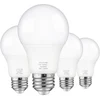
Maylaywood 4 Pack A19 LED Light Bulbs Daylight – $7.99
A 4-pack priced right at the low end of the $1 to $30 range this guide covers, at roughly $2 per bulb for a standard 60-watt equivalent.
- Best for: Budget-conscious buyers replacing several bulbs at once
- Why we picked it: 4-pack brings the per-bulb cost close to the low end of the price range this guide breaks down
- Main drawback: Basic daylight tone only, no dimmable or smart features
Compare more LED bulbs by price and feature
 Option 1 Sylvania LED Light Bulb 60W Equivalent A19 – $7.56
|
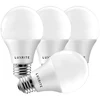 Option 2 Luxrite A19 LED Light Bulb Dimmable – $11.99
|
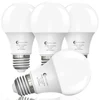 Option 3 Evelor A19 LED Light Bulbs Soft White 4 Pack – $7.99
|
As an Amazon Associate we earn from qualifying purchases.
Specialty Bulbs
These include bulbs for specific fixtures or purposes.
- Candelabra/E12 base (for chandeliers): $3.00 – $15.00
- Globe bulbs (G25, G30): $4.00 – $12.00
- Spotlights (BR30, PAR38): $5.00 – $20.00
- Decorative/Edison-style bulbs: $4.00 – $25.00 (depending on complexity and brand)
Smart LED Bulbs
These offer advanced technology and connectivity.
- Single Smart Bulb (color changing or tunable white): $10.00 – $30.00
- Smart Starter Kits (often include a hub): $50.00 – $150.00
High-Performance Bulbs
Bulbs designed for specific applications, like grow lights or extremely high brightness, can be significantly more expensive, sometimes $30.00 – $100.00+.
Comparing LED Bulb Costs to Other Technologies
To truly appreciate the value of LEDs, it’s helpful to compare their cost and benefits to older lighting technologies like incandescent and CFL (Compact Fluorescent Lamp) bulbs.
Incandescent Bulbs
These are the traditional bulbs that have been around for over a century. They are cheap to buy but very inefficient and have short lifespans.
- Upfront Cost: $0.50 – $2.00
- Lifespan: Roughly 750-1,000 hours
- Energy Efficiency: Very low. They waste most of their energy as heat.
CFL Bulbs
These were a step up in efficiency from incandescents but have some drawbacks.
- Upfront Cost: $1.00 – $5.00
- Lifespan: Roughly 8,000-10,000 hours
- Energy Efficiency: Much better than incandescents, but less efficient than LEDs.
- Drawbacks: Contain small amounts of mercury, take a moment to warm up to full brightness, and can have an unflattering light quality.
LED Bulbs
The modern standard for energy efficiency and longevity.
- Upfront Cost: $1.00 – $30.00+ (depending on features)
- Lifespan: Typically 15,000 – 50,000+ hours
- Energy Efficiency: Highest. They use up to 80-90% less energy than incandescents.
- Benefits: Instant on full brightness, durable, no mercury, wide range of colors and features.
Cost Over Time: The Real Savings
While LED bulbs have a higher initial purchase price than incandescent bulbs, their energy efficiency and incredibly long lifespan mean they save you a significant amount of money over time. Let’s look at an example:
| Factor | Incandescent Bulb | LED Bulb |
|---|---|---|
| Initial Cost (per bulb) | $1.50 | $5.00 |
| Lifespan (hours) | 1,000 | 25,000 |
| Wattage (for approx. 800 lumens) | 60W | 9W |
| Energy Cost (at $0.15/kWh for 1,000 hours) | $9.00 | $1.35 |
| Total Cost (over 25,000 hours) | $1.50 (bulb) + $225 (energy) = $226.50 (Requires 25 bulbs) | $5.00 (bulb) + $33.75 (energy) = $38.75 (Requires 1 bulb) |
This table shows that even though the LED bulb costs more to buy initially, its total cost over its extended lifespan is far lower. The energy savings alone are substantial. The U.S. Department of Energy notes that switching to LEDs can save households an average of $75 per year on their energy bills. You can find more information on energy savings from the Department of Energy’s Energy Saver website.
Where to Buy LED Bulbs and How Prices Vary
The place where you shop for your LED bulbs can also affect the final price. Here’s a quick rundown:
Home Improvement Stores (e.g., Home Depot, Lowe’s)
These stores offer a wide selection of brands, from budget-friendly options to high-end and specialized bulbs. Prices are generally competitive, especially during sales.
Big Box Retailers (e.g., Walmart, Target)
You’ll find a good range of common LED bulbs, often at very attractive prices. They are great for everyday needs but might have a smaller selection of specialty or high-feature bulbs.
Online Retailers (e.g., Amazon, specialty lighting sites)
The online marketplace offers the widest variety, from obscure brands to professional-grade LEDs. Prices can be very competitive, especially when buying in multi-packs. However, it’s crucial to read reviews carefully for quality assurance.
Grocery Stores and Drugstores
Some larger grocery and drug stores carry basic LED bulbs. Prices are usually in the mid-range, offering convenience for quick replacements.
Maximizing Your LED Bulb Investment: Tips for Beginners
Buying LED bulbs is a smart home improvement choice. Here are some tips to make sure you get the most value and the best look for your home:
1. Inventory Your Needs
Before you shop, walk around your house and note which lights you need to replace. This includes:
- Location: Where is the bulb? (e.g., bedside lamp, kitchen overhead, outdoor porch light)
- Fixture Type: What kind of socket does it use? (e.g., standard medium E26, candelabra E12, GU10 for spotlights)
- Brightness Needed: Is it for general illumination or task lighting?
- Desired Mood: Do you want warm and cozy or bright and functional?
2. Understand Lumens and Wattage Equivalents
Don’t get confused by wattage on older packaging. Look for lumens for brightness. Most LED packaging will tell you the incandescent wattage equivalent, which is helpful.
- 40W incandescent equivalent: ~450 lumens
- 60W incandescent equivalent: ~800 lumens
- 100W incandescent equivalent: ~1600 lumens
3. Stick to Standard Color Temperatures First
For general use in living areas, start with warm white (2700K-3000K). For kitchens, bathrooms, or offices, consider daylight or cool white (4000K-5000K). You can always experiment later with tunable white or colored bulbs.
4. Look for Dimmable if Needed
If a fixture has a dimmer switch, make sure you buy “dimmable” LED bulbs. Not all LEDs are dimmable, and using a non-dimmable one with a dimmer can cause flickering or even damage the bulb.
5. Buy in Multi-Packs for Savings
If you need several bulbs of the same type (e.g., for a ceiling fixture or multiple lamps), buying them in multi-packs often provides a better per-bulb price. Check your local utility company’s website or retailers like Home Depot for energy-efficient product rebates and sales.
6. Check the Lifespan Rating
Most LED bulbs will state their estimated lifespan in hours. A higher number means the bulb will last longer, potentially saving you money on replacements over time.
7. Consider Bulb Shape
Ensure the bulb shape fits your fixture. A standard A19 bulb is common, but chandeliers might need a smaller candelabra (E12) bulb, or track lighting might use a GU10 or PAR bulb.
8. Read Reviews for Quality
Especially when buying online or from lesser-known brands, check customer reviews to gauge the bulb’s real-world performance and longevity.

Frequently Asked Questions About LED Bulb Costs
Here are some common questions beginner homeowners and renters often ask about LED bulb pricing:
Q1: Are LED bulbs really worth the higher upfront cost?
A1: Yes, absolutely! While they cost more to purchase initially, LED bulbs use significantly less energy and last much longer than traditional bulbs. This means lower electricity bills and fewer replacements over time, making them far more cost-effective and environmentally friendly in the long run. The energy savings alone often pay for the difference in price within a year or two.
Q2: Can I replace my old incandescent bulbs with LEDs directly?
A2: In most cases, yes! You just need to make sure the base of the LED bulb (e.g., E26 for standard medium screw base) matches the socket in your fixture. Also, check if the LED bulb is dimmable if your fixture uses a dimmer switch. Always ensure the wattage equivalent and lumen output are suitable for your needs.
Q3: What’s the difference between “warm white” and “cool white” LED bulbs?
A3: “Warm white” (around 2700K-3000K) produces a soft, yellow-ish light that’s similar to incandescent bulbs, creating a cozy and inviting atmosphere. “Cool white” or “daylight” (around 4000K-6500K) produces a bluer, brighter light that’s more energizing and true-to-life, making it ideal for task lighting in kitchens, bathrooms, and workspaces.
Q4: How do I know if an LED bulb is dimmable?
A4: Look for the word “dimmable” clearly printed on the bulb’s packaging and sometimes on the bulb itself. If a bulb isn’t specifically labeled as dimmable, it’s best not to use it with a dimmer switch, as it could cause flickering or premature failure. You also need to ensure your dimmer switch is compatible with LED bulbs.
Q5: Where can I find the most affordable LED bulbs?
A5: For the best prices, shop at large discount retailers like Walmart or Target for everyday bulbs, or check the sales and multi-packs at home improvement stores like Home Depot and Lowe’s. Online retailers like Amazon also offer competitive pricing, especially for bulk purchases, but always compare prices and read reviews.
Q6: Do LED bulbs contain mercury like CFLs?
A6: No, LED bulbs do not contain mercury. Compact Fluorescent Lamps (CFLs) are the ones that contain small amounts of mercury, which requires special disposal. LEDs are a safer and more environmentally friendly lighting option. If an LED bulb does break, you can simply sweep up the pieces and dispose of them normally, though it’s still good practice to ventilate the area for a few minutes.
Q7: How long do LED bulbs actually last?
A7: The lifespan of LED bulbs is significantly longer than incandescent or CFL bulbs. While it varies by quality and usage, most LEDs are rated for 15,000 to 25,000 hours of use, with some high-quality ones lasting up to 50,000 hours. This translates to many years of service without needing frequent replacements.
Conclusion
Navigating the cost of LED bulbs is much simpler when you understand what influences their price. From brightness and color temperature to special features and brand reputation, each element plays a role. While the initial investment for an LED bulb might seem higher than its older counterparts, the long-term savings on energy bills and
Products related to this article
Sponsored / affiliate links. As an Amazon Associate I earn from qualifying purchases. I may earn additional commission from eligible campaigns.