How to Change a Light Bulb in Ceiling Fixture: Genius Guide
To change a light bulb in a ceiling fixture, first, turn off the power at the switch and the breaker. Gently remove any cover, unscrew the old bulb by turning it counter-clockwise, screw in the new bulb clockwise, replace the cover, and restore power. It’s a simple, empowering DIY task!
For a related lighting or fan project, How To Ground a Light Fixture gives readers another setup detail to compare.
For a related lighting or fan project, How To Remove Bathroom Light Fixture: Brilliant Steps gives readers another setup detail to compare.
For a related lighting or fan project, How To Test A Light Fixture gives readers another setup detail to compare.
Dealing with a burnt-out light bulb in a ceiling fixture can feel like a small home mystery. You flick the switch, and… nothing. It’s a common issue, and honestly, it can be a little frustrating when you just want your room to be bright again! But don’t worry, changing a light bulb is one of the easiest and most satisfying DIY tasks you can tackle. It’s a fantastic way to save a little money and feel more capable around your home. This guide will walk you through every simple step, making it feel absolutely effortless. Let’s get your lights shining brightly again!
Why This DIY Task is Essential for Every Homeowner
As Arlene J. Clark, I believe that understanding basic home maintenance isn’t just practical; it’s about building confidence and a sense of accomplishment. Being able to change a light bulb in a ceiling fixture fits perfectly into this philosophy. It’s a skill that empowers you to handle minor issues without needing to call for professional help, saving you time and money. Plus, it can be a stepping stone to tackling slightly more involved DIY projects around your home. Think of it as your first step in becoming a home superstar!
Beyond the practical savings and empowerment, keeping your home well-lit contributes significantly to its ambiance and functionality. A dark room can feel gloomy and unwelcoming, while a well-lit space feels more inviting, productive, and even safer. Regularly maintaining your light fixtures ensures your home always looks its best and functions optimally for your daily living. It’s such a simple act, but it has a surprisingly big impact on your living space.

Gathering Your Simple Tools and Supplies
Before we dive into the steps, let’s make sure you have everything you need. The good news is that changing a light bulb is far from a complex project, and you likely already have most of these items. Having these ready will make the process smooth and quick, so you can get back to enjoying your beautifully lit space in no time. Safety first, always!
What You’ll Need:
- A New Light Bulb: Make sure it’s the correct type and wattage for your fixture. Check the old bulb or the fixture itself for specifications.
- A Sturdy Ladder or Step Stool: Ensure it’s stable and rated for your weight. A wobbly ladder is a no-go!
- A Dry, Clean Cloth or Paper Towel: For handling the new bulb and wiping down the fixture if needed.
- Optional: Safety Glasses: Especially if the bulb is old or the fixture is dusty.
- Optional: Gloves: To keep the new bulb clean and free of fingerprints (which can shorten an LED’s lifespan), and for a better grip.
Step-by-Step: How to Change a Light Bulb in Ceiling Fixture
This is where the magic happens! Follow these straightforward steps, and in just a few minutes, you’ll have a brand-new bulb illuminating your room. Remember, these instructions are tailored for the most common ceiling fixtures, but the principle remains the same for most types.
Step 1: SAFETY FIRST! Turn Off the Power
This is the most crucial step. Never attempt to change a light bulb while the power is still on. You want to avoid any risk of electric shock. You’ll need to do this in two places:
- Flip the Light Switch: Go to the wall switch that controls the light fixture and turn it OFF. This is your primary safety measure.
- Turn Off the Circuit Breaker: For an extra layer of safety, head to your home’s electrical panel (usually in a basement, garage, or closet) and locate the breaker that controls the room or the specific light fixture. Flip that breaker to the OFF position. If you’re unsure which breaker it is, you can turn off the main breaker, but this will shut off power to your entire home. It’s always a good idea to label your breakers clearly! You can test that the power is off by trying to flip the wall switch again; the light should not come on.
Step 2: Access the Bulb
Most ceiling fixtures have a cover or diffuser to protect the bulb and spread the light. This cover needs to be removed. The method for removal varies depending on the fixture’s design:
- Screws: Many fixtures have small screws around the edge of the cover. You’ll need a Phillips head screwdriver to gently loosen and remove these. Keep them in a safe place, like a small bowl or your pocket, so they don’t get lost.
- Spring Clips: Some covers are held in place by spring clips. You’ll gently pull or push the cover downwards, releasing the tension on the clips. Be prepared for the cover to be a bit snug.
- Twist-Off Covers: Certain glass globes or covers can be twisted counter-clockwise to unlock them from their base. Support the cover with one hand while you twist with the other.
- Hinged Covers: Some fixtures have covers that swing open on a hinge after releasing a clip or screw.
If you’re unsure how your fixture cover comes off, consult your fixture’s manual or do a quick online search of the fixture’s brand and model. If all else fails, carefully examine the fixture for any obvious fasteners.
Step 3: Remove the Old Bulb
With the cover removed and the power confirmed OFF, you can now reach the old light bulb. If the bulb is broken, do not touch the broken glass with your bare hands. Use thick work gloves and pliers to carefully remove any remaining socket base. If the bulb is intact, simply:
- Gently grasp the bulb with your hand or a dry cloth.
- Turn the bulb counter-clockwise (lefty-loosey).
- Continue unscrewing until it comes completely out of the socket.
Tip: If the bulb is stuck, don’t force it. Try using a rubber glove or wrapping a rubber band around it for better grip. If it’s exceptionally stubborn and you’ve turned off the power, you might be able to use a pair of pliers gently on the glass base (not the glass itself), but be very careful not to shatter it.
Step 4: Install the New Bulb
Now it’s time for the new illumination! Take your new, correct light bulb. It’s best to handle LED bulbs by their base to avoid transferring oils from your fingers, which can affect their longevity. If you have an incandescent or halogen bulb, handling is less critical, but still a good habit.
- Align the base of the new bulb with the socket.
- Gently insert it into the socket.
- Turn the bulb clockwise (righty-tighty).
- Screw it in until it feels snug. Do not overtighten, as this can damage the bulb or the socket. It should feel secure, but not forced.
Step 5: Reassemble the Fixture
Once the new bulb is securely in place, it’s time to put the cover back on. This is the reverse of removal:
- If you removed screws, re-attach them gently.
- If it’s a twist-off cover, align it and twist clockwise until it locks.
- If it has clips, gently push the cover back into place until the clips engage.
- Ensure the cover is seated correctly and securely.
Step 6: Restore Power and Test
You’re almost there! Time to bring your fixture back to life and confirm your handiwork.
- Go back to the circuit breaker: Flip the breaker back to the ON position.
- Flip the light switch: Return to the wall switch and turn it ON.
Your new light bulb should now be shining brightly! If it doesn’t, don’t panic. Double-check that the bulb is screwed in properly, try the breaker again, and if it still doesn’t work, you might have a faulty new bulb or an issue with the fixture itself. In such cases, it might be time to consult an electrician.
Understanding Bulb Types: Beyond the Basics
Choosing the right light bulb is more than just matching the shape; it impacts your home’s energy efficiency, lighting quality, and even your wallet. Here’s a quick rundown of common types you might encounter when changing a bulb:
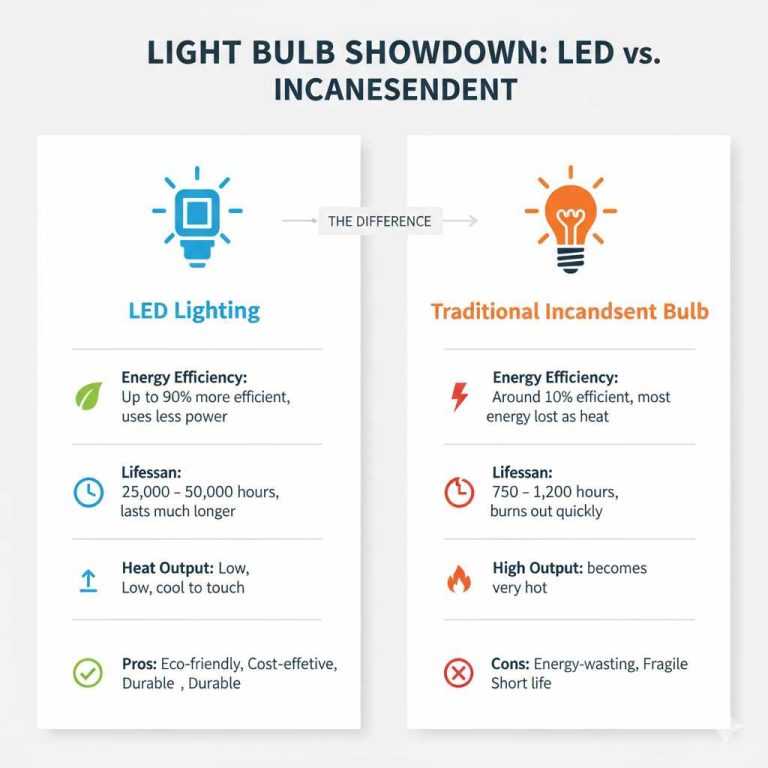
| Bulb Type | Pros | Cons | Best For |
|---|---|---|---|
| Incandescent | Low initial cost, warm light quality | Very energy inefficient, short lifespan, gets hot | Infrequently used areas where cost is the primary concern (rare now) |
| Halogen | Brighter than incandescent, better color rendering, longer lifespan | Still less efficient than LED, gets very hot | Task lighting, accent lighting |
| CFL (Compact Fluorescent Lamp) | Energy efficient, long lifespan compared to incandescent | Can have a warm-up delay, contains mercury (requires special disposal), light quality can vary | General room lighting, areas where fixtures are hard to reach |
| LED (Light Emitting Diode) | Extremely energy efficient, very long lifespan, durable, instant on, wide variety of colors and brightnesses | Higher initial cost (though decreasing), some can have a harsh light if not chosen carefully | All general lighting needs, accent lighting, anywhere you want long-term savings and performance |
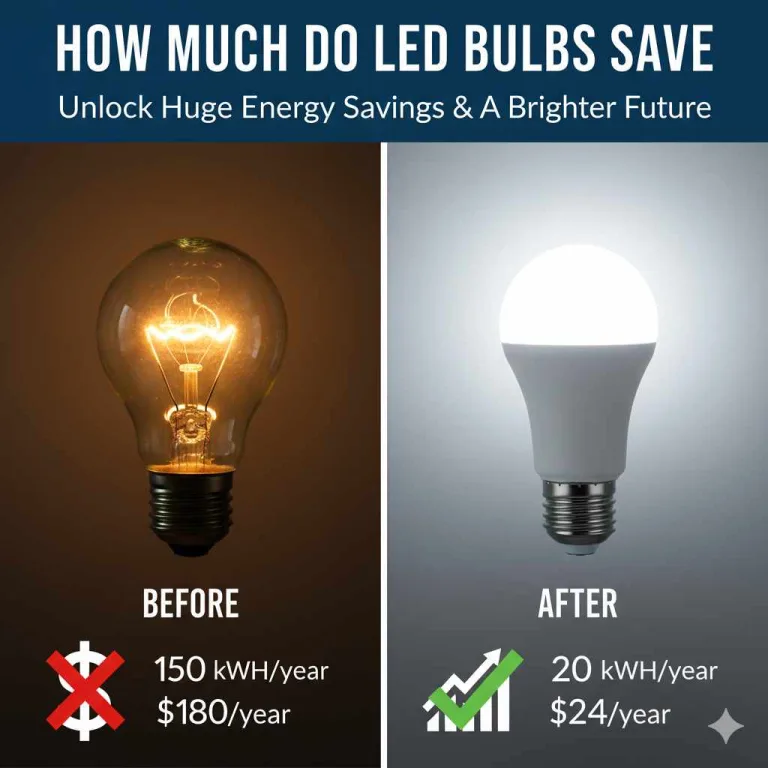
For most modern fixtures and for homeowners looking for the best performance and savings, LEDs are the way to go. They offer incredible longevity and significantly reduce your electricity bills. You can learn more about energy-efficient lighting from the U.S. Environmental Protection Agency (EPA) ENERGY STAR program, which provides excellent resources on choosing the best lighting for your home.
Troubleshooting Common Issues
Even in simple tasks, a little troubleshooting can save the day. Here are a few common hiccups you might encounter and how to fix them.
The Bulb Won’t Screw In
If the new bulb doesn’t seem to fit or screw in smoothly, stop immediately. You might be trying to use the wrong type of bulb base (e.g., a GU10 base bulb in an E26 socket). Check that the threading on the bulb matches the socket. If it looks correct, inspect the socket for any bent metal tabs or debris that might be obstructing the connection. Use a non-metallic tool (like a wooden chopstick) to gently nudge any bent tabs back into place after ensuring power is off.
The Bulb Burns Out Too Quickly
Several factors can cause this. If you are using an incandescent or halogen bulb, it might simply be nearing the end of its natural, shorter lifespan. Vibration or frequent on/off cycles can also shorten their life. For LED bulbs, a short lifespan can be due to overheating if the fixture isn’t adequately ventilated, using a dimmer switch that isn’t compatible with the LED, or manufacturing defects. Always ensure you’re using bulbs with the correct wattage for your fixture. For instance, if the fixture is rated for a maximum of 60 watts, don’t put in a 100-watt equivalent LED if it produces a similar amount of heat, or an incandescent bulb that exceeds the rating.
The Fixture Cover Feels Fragile
Many ceiling fixture covers are made of glass or delicate plastic. Always support them fully when removing them. If it feels very brittle, consider wearing padded gloves. If it breaks, you may be able to find a replacement cover online or at a home improvement store, especially if you know the brand and model of your fixture.
The Bulb is Still Not Working
If you’ve checked that the power is on at both the switch and the breaker, that the bulb is new and correctly installed, and that there are no obvious obstructions, your fixture might have an internal wiring issue or the socket itself could be damaged. At this point, it is best to call a qualified electrician to diagnose and repair the problem safely.
Maintaining Your Fixtures for Longevity and Style
Beyond just changing bulbs, a little regular care can keep your ceiling fixtures looking great and functioning perfectly. Think of it as giving your light fixtures a little spa treatment!
Regular Cleaning
Dust and grime can accumulate on fixture covers, dimming the light and making them look unsightly. Periodically, after turning off the power and letting the fixture cool, gently wipe down the cover and the fixture body with a soft, dry cloth or a microfiber duster. For tougher grime on glass or metal, you can use a damp cloth with a mild, non-abrasive cleaner, but be sure to dry thoroughly afterward.
Checking Wiring and Connections (When Power is OFF!)
Occasionally, it’s wise to do a visual check of the wiring accessible when the cover is off. Look for any signs of fraying, discoloration, or loose connections. If you see anything concerning, it’s time to call an electrician. Also, ensure the socket is clean and free of any corrosion or debris. A small brass brush or a pencil eraser can sometimes help clean minor corrosion from socket contacts (again, power OFF and fixture cool).
Fixture Upgrade Potential
Sometimes, a fixture is just outdated or doesn’t suit your current decor. Changing a light bulb is also a perfect opportunity to reassess your fixtures. If your current fixture is damaged, inefficient, or simply not your style, you might consider upgrading it. Modern fixtures, especially those with integrated LED lighting, can offer superior energy efficiency, better light quality, and a significant style boost to your room.

Frequently Asked Questions (FAQ)
Q1: How do I know what kind of light bulb to buy?
A1: Check the old bulb you’re replacing, or look for a label on the fixture itself. It will usually specify the maximum wattage and the type of base (e.g., E26, GU10). For LEDs, you’ll want to match the base type and look for an equivalent brightness (lumens) to your old bulb. Consider the color temperature too – warm white (around 2700K) is cozy, while cool white (around 4000K) is brighter.
Q2: Can I use a higher wattage bulb than what the fixture recommends?
A2: No, this is dangerous! Using a bulb with a higher wattage than recommended can overheat the fixture, wiring, and surrounding materials, creating a fire hazard. Always stay within the recommended maximum wattage or use an LED bulb that provides equivalent brightness with much lower wattage.
Q3: My old bulb shattered. What should I do?
A3: First, immediately turn off the power at the breaker. Wear thick work gloves and safety glasses. Use pliers to carefully grasp the metal base of the bulb and gently twist it counter-clockwise out of the socket. You can use a vacuum cleaner or a damp paper towel to clean up any small glass shards from the floor or fixture, but be very careful. If any glass remains in the socket, use needle-nose pliers to remove it, ensuring power is off.
Q4: How often should I change my light bulbs?
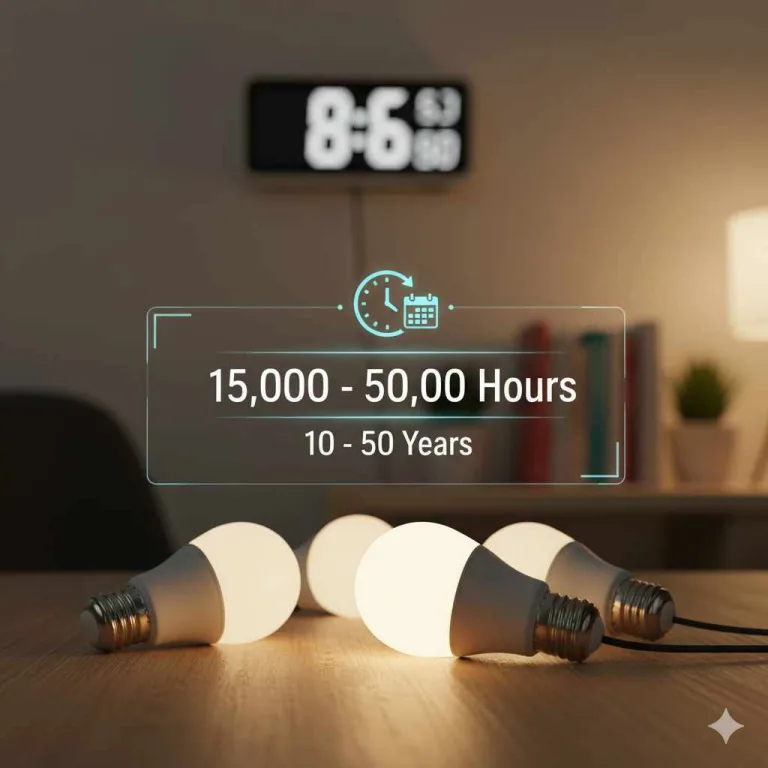
A4: This depends on the bulb type. Incandescent bulbs last about 750-2,000 hours, halogens about 2,000 hours, CFLs about 8,000-15,000 hours, and LEDs can last 15,000-50,000 hours or more! You typically change them only when they burn out, which for LEDs can be many years.
Q5: Is it safe to change a light bulb if I’m not very handy?
A5: Absolutely! Changing a light bulb is one of the most straightforward home maintenance tasks. As long as you follow the safety steps of turning off the power at both the switch and the breaker, it’s a very safe DIY project for anyone. Just proceed calmly and carefully.
Q6: What’s the difference between lumens and wattage?
A6: Wattage measures energy consumption, while lumens measure the brightness of the light bulb. Older incandescent bulbs were rated by wattage, so people became accustomed to it. For LEDs and CFLs, it’s better to look at lumens to determine brightness. A 60-watt incandescent bulb is equivalent to about 800 lumens, no matter the bulb type.
Conclusion: Light Up Your Home with Confidence!
There you have it! Changing a light bulb in your ceiling fixture is a simple yet empowering task that anyone can master. By following these clear, step-by-step instructions, you’ve enhanced your home’s comfort and functionality while also boosting your DIY confidence. Remember to always prioritize safety
Related pick: Check today's price on Amazon
Products related to this article
Sponsored / affiliate links. As an Amazon Associate I earn from qualifying purchases. I may earn additional commission from eligible campaigns.