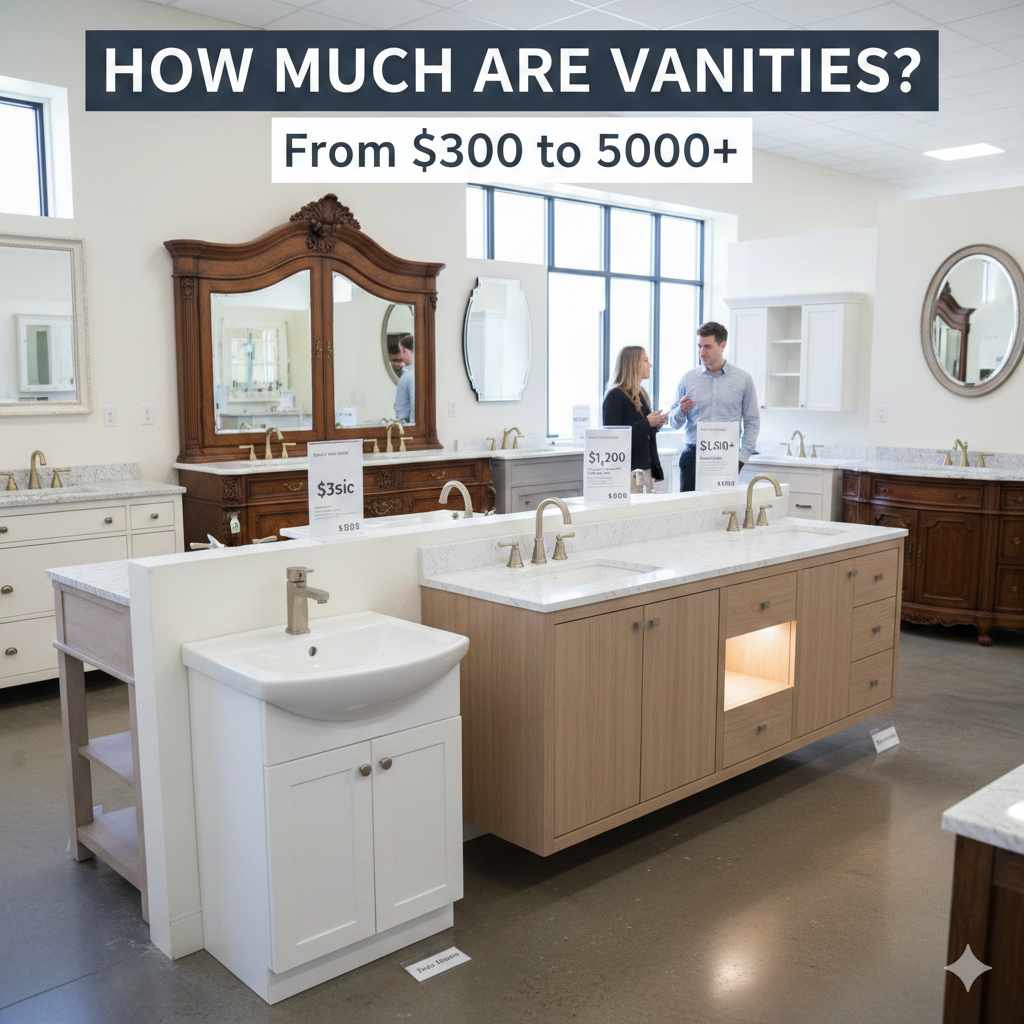
How Much Are Vanities? The cost for a new bathroom vanity largely depends on size, material, and features, typically ranging from $150 for basic stock models to over $3,000 for custom stone tops and high-end cabinetry. Expect to budget between $400 and $1,200 for a quality mid-range option.
Trying to figure out bathroom remodeling costs can feel like guessing a secret code. You need a new vanity, but when you look online, the prices jump all over the place. It’s frustrating!
Don’t worry. We’re going to break down exactly what drives the price tag on these bathroom workhorses. Think of your vanity as the anchor of your bathroom—it needs to look good and handle daily life.
This guide will show you the proven, essential costs involved, from the cheapest sinks to the fanciest finishes. By the end, you’ll know exactly where your money is going and how to find the perfect fit without overspending.
Why Vanity Prices Are Such a Wide Range
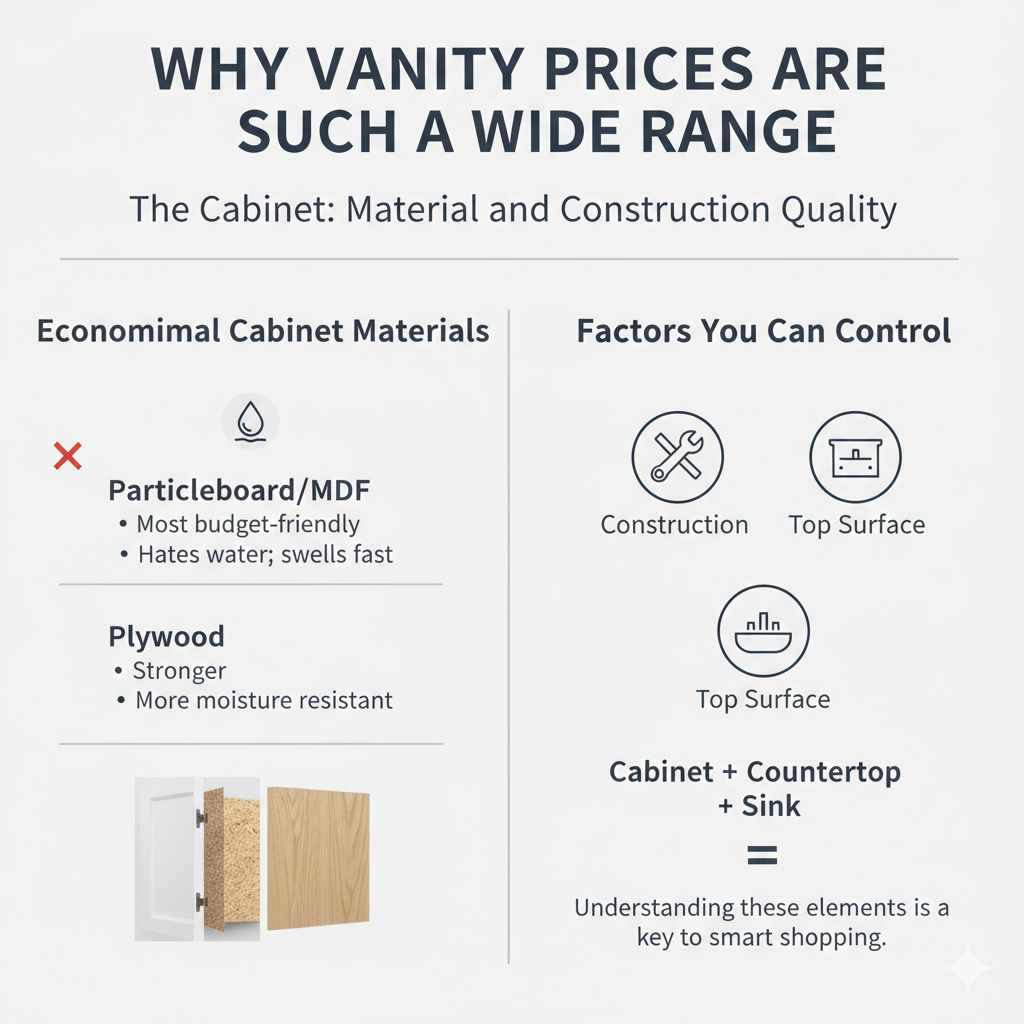
When asking “how much are vanities,” the answer is often “it depends.” This huge swing in price—from a few hundred dollars to several thousand—is based on specific factors you can control. Understanding these elements is the key to smart shopping.
It is essential to remember that you are typically paying for three main things: the cabinet (the furniture), the countertop (the top surface), and the sink (the basin). Let’s look at what makes each component go up or down in price.
The Cabinet: Material and Construction Quality
The cabinet is the biggest part of the vanity, and its construction matters hugely for longevity. Cheap cabinets look fine on day one, but they might warp or fall apart quickly.
Economical Cabinet Materials
- Particleboard/MDF (Medium-Density Fiberboard): This is the most budget-friendly option. It’s made from wood fibers glued together. Pro: Very affordable. Con: It hates water. If water splashes onto seams, it swells up fast.
- Plywood: A much better choice, even in mid-range vanities. Layers of wood veneer are glued together, making it stronger and far more resistant to moisture damage than MDF.
High-End Cabinet Materials
- Solid Wood (e.g., Oak, Maple): These are built like furniture. They last decades but cost significantly more upfront. They handle humidity better than composite materials.
- Framed vs. Frameless: Built-in construction quality matters. Framed cabinets (resembling a standard wall cabinet) are sturdier than frameless, often found in higher-end pieces because they offer better long-term structural integrity.
The Countertop: Style Meets Durability
The countertop determines a large chunk of the final cost. It needs to be non-porous (or sealed well) to resist stains from toothpaste and makeup.
When looking at countertop costs, think about the raw material and any pre-cut sink holes required. Remember, highly polished finishes usually cost more than matte ones.
Common Vanity Countertop Options and Price Impact
| Material | Typical Lifespan | Est. Cost Increase (vs. Laminate) | Best For |
|---|---|---|---|
| Laminate/Cultured Marble | 5–10 Years | Base Price | Extreme budget projects or powder rooms. |
| Solid Surface (Acrylic/Resin) | 15–20 Years | Medium | Easy cleaning; seamless sink integration. |
| Granite/Quartz | 30+ Years | High | Durability, resale value, and high-end look. |
| Real Marble | 25+ Years (Requires sealing) | Very High | Luxurious, classic aesthetic; sensitive to acids. |
Sink Style and Faucet Compatibility
The sink type you choose can easily jump the price by $50 to $200, especially if you are buying a separate top and sink.
- Integrated Sink: The sink basin is molded directly into the countertop material (common with cultured marble). This is usually the cheapest route because there are no seams to seal.
- Drop-In (Self-Rimming): The sink sits on top of the counter and drops into a cutout. Very common and easy to replace later.
- Undermount Sink: The sink is mounted under the counter surface. This looks cleaner and makes wiping counters easier, but it requires a solid, non-porous top (like stone) because the cabinet material is exposed at the edge. This style usually adds to the labor and material cost.
- Vessel Sinks: These sit entirely on top of the counter, like a bowl. While stylish, they often require specialized, taller faucets, increasing the plumbing hardware cost.
The True Cost Breakdown: Vanities by Price Tier
To give you a straightforward roadmap, let’s break down typical costs based on what you are shopping for. These numbers generally include the cabinet, countertop, and integrated or basic sink, but remember they usually exclude the faucet, plumbing hookups, and installation labor.
Tier 1: The Budget-Friendly Basics ($150 – $400)
If you are flipping a property on a tight timeline or just need a quick replacement in a guest bath, this tier works. These are often pre-assembled or ready-to-assemble (RTA) units.
- Cabinet: Usually standard MDF or particleboard with a basic laminate finish.
- Countertop: Cultured marble or very thin laminate.
- Sink: Small, integrated basin.
- Expectation: Functional for a few years, but watch out for moisture near the baseboards.
Tier 2: The Mid-Range Workhorses ($400 – $1,200)
This is where most homeowners land for their primary bathrooms. You get a real step up in material quality and style options.
- Cabinet: Usually plywood construction or solid wood frames with veneer doors. You get soft-close drawers.
- Countertop: Thicker cultured marble, solid surface, or entry-level quartz/granite. Double sinks become easier to afford here.
- Expectation: Durability for daily use, better drawer hardware, and more style choices (e.g., shaker style doors). For plumbing basics, consult resources from organizations like the Plumbing-Heating-Cooling Contractors Association (PHCC) to ensure proper rough-in measurements.
Tier 3: Premium and Custom Looks ($1,200 – $3,000+)
These vanities are often semi-custom or require professional ordering. They hold up very well and offer high-end finishes.
- Cabinet: Solid wood construction, high-quality hardware, and complex storage solutions (e.g., built-in outlets).
- Countertop: Thick slabs of natural stone (granite, marble) or high-quality engineered quartz. Often feature undermount sinks.
- Expectation: Excellent longevity, customization options for width and height, and superior aesthetic appeal. These also impact home resale value significantly.
Hidden Costs of Installing a New Vanity
The price tag on the box is only step one. To get a true picture of “how much are vanities,” you must budget for the supporting cast—the hardware, fixture swaps, and installation itself. Leaving these out leads to frustrating surprises!
1. Faucets and Drain Hardware
A cheap vanity might come with a basic sink, but the faucet is separate and needs to match the sink hole configuration (or lack thereof).
- Basic Faucet Set (Sink only): $75 – $150
- Designer or High-Arc Faucet: $175 – $400+
- Drain Assembly (P-Trap, Links): Often $20 – $50. Make sure the new vanity height works with your existing drain pipe height.
2. Installation Labor (If You Don’t DIY)
Swapping a vanity is more complex than just setting a piece of furniture; it involves plumbing connections that must be watertight. If you hire a professional, expect these costs:
- Basic Swap (No layout changes): $250 – $500 for a handyman or plumber. This includes disconnecting the supply lines, removing the old unit, setting and securing the new one, and reconnecting the water supply and drain.
- Full Reroute/Layout Change: If you move the vanity location or install complex custom plumbing, costs can jump to $600 – $1,000+ because walls might need to be opened.
3. Accessories and Finishing Touches
Don’t forget the final details that make the room feel finished:
- Mirror or Medicine Cabinet: $50 – $300 (Depending on size and frame quality).
- Backsplash/Wall Repair: If your old vanity didn’t go to the ceiling or wall, you might need tile or paint touch-ups. Budget $50 – $150 for small materials.
- Caulk and Sealants: Quality waterproof silicones are essential for moisture protection. ($10 – $20).
DIY vs Hiring a Pro: Managing Installation Costs
For the beginner DIY enthusiast, replacing a vanity can feel intimidating, especially the plumbing. Here is a quick guide on when you can safely tackle it yourself and when a professional is a smarter investment.
When to DIY (Save Money)
If your situation is simple, you can likely handle the swap. This saves you several hundred dollars in labor.
- Matching Size: When the new vanity is the exact same width and depth as the old one, avoiding major wall work.
- Simple Plumbing: The existing hot and cold water lines and the main drain pipe are easily accessible and line up perfectly with the new unit.
- You Own Basic Tools: You have an adjustable crescent wrench, channel-lock pliers, a tape measure, and possibly a putty knife for scraping off old caulk.
- Self-Leveling: You are comfortable ensuring the new vanity sits perfectly level using shims, which is crucial for proper drain function. (Check leveling guidelines from groups like the National Association of Home Builders (NAHB) for basic framing guidance related to secure placement.)
When to Call a Plumber (Invest for Safety)
If you encounter any of the following, calling a licensed plumber is the non-negotiable way to avoid expensive leaks or mold later.
- You must move the drainpipe location (the “rough-in”).
- You are dealing with old, corroded copper or galvanized supply lines that look ready to snap.
- You are installing a large, heavy stone top that requires precise drilling for an undermount sink.
- You are installing a complex vessel sink setup that requires specific height adjustments.
Vanity Sizing Costs: Single vs. Double Sink
The biggest factor affecting the unit price, after material quality, is whether you need one sink or two. This impacts the number of cuts in the countertop, the cabinet width, and hardware requirements.
Single Sink Vanity Costs
These range from tiny 18-inch powder room units up to 36-inch or 48-inch main bath sizes. They are the most flexible and budget-friendly.
- Lowering the Price: Choosing a smaller size (under 30 inches) immediately reduces material costs for both wood and stone.
Double Sink Vanity Costs
Most double vanities start around 60 inches wide, though 48-inch “compact double” models exist. Having two sinks means:
- Double the number of sink cutouts in the material.
- More internal construction required for the cabinet to support both sinks and the wider span.
- Higher faucet costs (usually two sets).
Pro Tip: A 60-inch double vanity in mid-range quartz might cost the precise same as a high-end 48-inch single vanity simply because of the extra sink and countertop length required for the double setup.
Vanity Buying Tips to Keep Costs Down (Without Sacrificing Quality)
You do not have to buy the cheapest option to save money overall. Smart shopping often means stretching your budget in the right places. Here are proven ways to keep your budget happy:
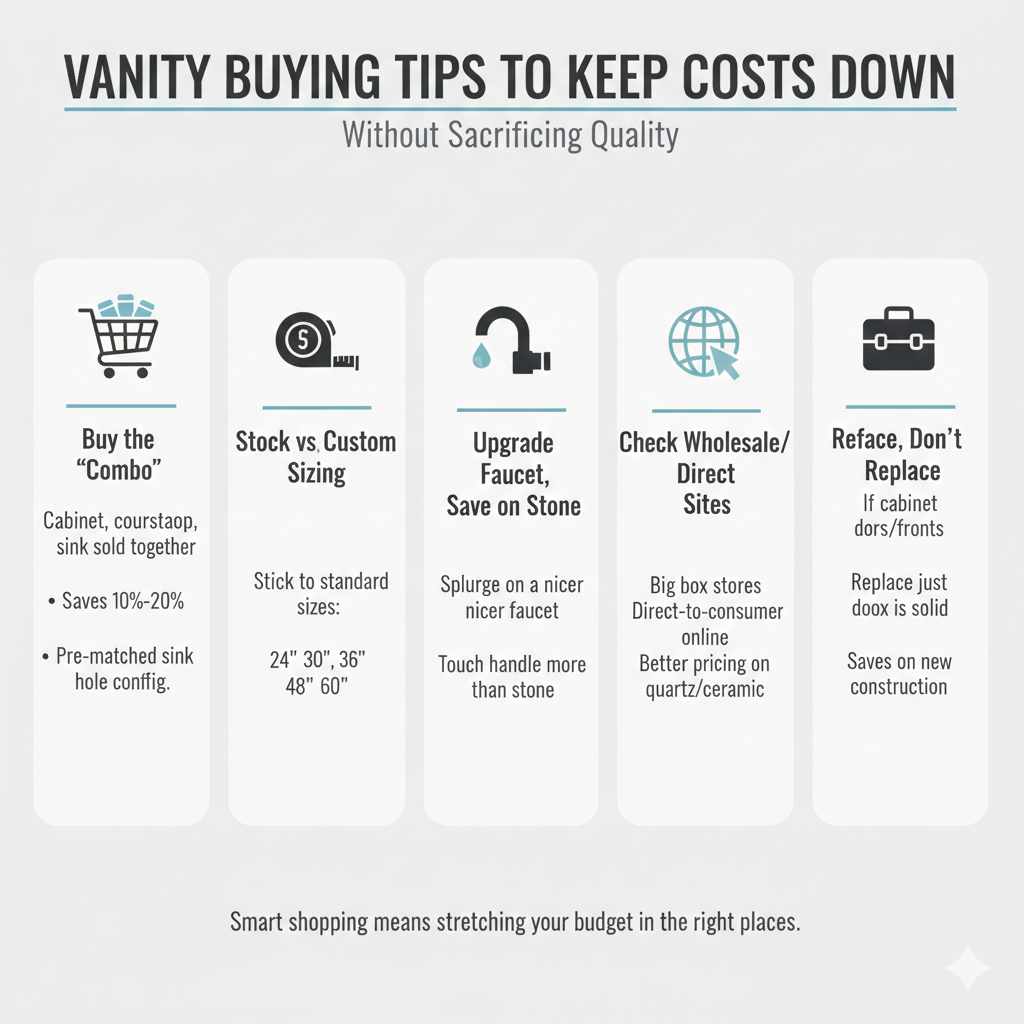
- Buy the “Vanity Combo”: Look for bundles where the cabinet, countertop, and sink are sold together. This usually saves 10%–20% compared to buying the pieces separately, especially since the manufacturer has already matched the sink hole configuration.
- Look for Stock vs. Custom Sizing: Custom sizes (like 33-inch or 55-inch widths) cost much more because stock materials cannot be used. Stick to standard sizes like 24″, 30″, 36″, 48″, or 60″ whenever possible.
- Upgrade the Faucet, Save on Stone: If your budget is tight, choose a durable, mid-grade solid surface top (which resists most common stains better than tile) but splurge slightly on a nicer faucet. People touch the handle far more than they notice the stone grain.
- Check Wholesale/Direct Sites: Big box stores often carry a limited selection. Look toward direct-to-consumer online retailers focusing on bathroom fixtures for better pricing on quartz and ceramic tops.
- Reface, Don’t Replace (If Cabinet is Solid): If the cabinet box itself is solid wood or good plywood but the doors are ugly, consider just replacing the doors and drawer fronts. This saves on the high cost of new cabinet construction.
FAQ: Beginner Questions About Vanity Pricing
Q1: What is the absolute cheapest I can spend on a functional bathroom vanity?
A: You can find very basic, small (18″ or 24″) vanities made of MDF with laminate tops for around $150 to $250. These are usually RTA (ready-to-assemble) units from discount stores or online liquidators. They stop leaks but usually won’t last more than five years with heavy use.
Q2: Do I save money if I buy a cabinet and countertop separately?
A: Rarely. If you buy a cabinet and a separate stone top, you will almost always pay more overall. This is because you have to pay for the specialized cutting and polishing of the stone top to fit that specific cabinet, plus you pay for two sets of shipping/handling fees.
Q3: What material gives the best bang for the buck (looks good and lasts)?
A: Engineered Quartz typically wins for value. It looks like high-end natural stone, is completely non-porous (so no sealing needed!), and resists etching from bleach or common cleaners far better than marble or granite. Budget $700–$1,500 for a decent 36-inch quartz top unit.
Q4: Does the faucet installation cost change if I switch from a drop-in sink to an undermount sink?
A: Yes. Undermount sinks require a solid, thick countertop (like stone) that can support the sink’s weight underneath. This material upgrade instantly increases the cost. Additionally, the labor to properly seal and secure an undermount sink is often higher than simply dropping a self-rimming unit in place.
Q5: Should I worry about the height of the vanity?
A: Yes, absolutely! Standard vanity height for older homes is around 30–32 inches. Most new furniture-style vanities are 34–36 inches tall for ergonomic comfort. If you choose a tall model, you must ensure your existing mirror height and your plumbing rough-in are compatible. Mismatched plumbing height is a common expense adder during installation.
Q6: How much extra does replacing a porcelain sink with a glass vessel sink usually cost?
A: A basic porcelain or cultured marble sink is often included in the package. A decorative glass vessel sink might cost $50–$125 extra. The bigger cost increase comes from needing the corresponding tall, vessel-specific faucet, which can be $100–$250 more than a standard deck-mounted faucet.
Conclusion: Confidence in Your Vanity Investment
Figuring out “how much are vanities” should no longer feel like a mystery. You now understand that the price is a direct reflection of material durability (plywood over particleboard), surface quality (quartz over laminate), and overall construction quality.
When you break it down, the wide price range makes sense. Budget vanities keep costs low by using lighter materials and simpler finishes. Mid-range options improve strength, hardware, and countertop durability. Premium models raise the bar with solid wood construction, natural stone surfaces, and customization features that enhance both function and home value.
The key isn’t buying the most expensive vanity — it’s buying the right vanity for your bathroom’s use. A powder room can function perfectly well with a lower-cost unit. A primary bathroom used every day deserves stronger materials that resist moisture, wear, and long-term damage.
And remember, the true cost includes more than the sticker price. Faucets, drain assemblies, plumbing labor, mirrors, and finishing touches all play a role in your final investment. Planning for these upfront prevents budget surprises later.
With the right expectations and a clear understanding of what drives pricing, you can shop confidently. Whether your budget is $300 or $3,000, you now know how to evaluate value, avoid shortcuts that cost more in the long run, and choose a vanity that balances durability, style, and smart spending.