Is an Adjustable Base Worth It? The Honest Cost-Benefit Breakdown
You’ve probably seen the ads: a bed that lifts your head for Netflix, raises your feet after a long run, and quietly hums you to sleep. It looks like a luxury hotel amenity. But the price tag makes you pause. Is an adjustable base worth it, or is this just another gadget that collects dust after the novelty fades?
This guide treats the adjustable base as a financial and medical decision, not a bedroom toy. You’ll get a cost-per-year breakdown, a look at who actually benefits, the hidden costs most reviews skip, and an honest list of what these beds cannot fix. You’ll know exactly what to check before spending your money.

Mixcous
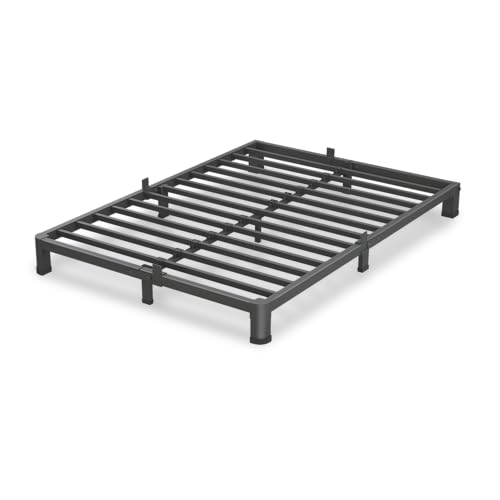
Mixcous King Adjustable Bed Frame with Zero…
- Adjustable Comfort: Independently adjust head (0-61°) and foot (0-37°) inclines with a wireless remote for the ultimate comfort in…
- Premium Heavy-Duty Metal Build: Crafted from high-quality reinforced steel for exceptional durability and a sleek, modern look tha…
- Wireless Remote Features: Easily switch between zero-gravity, anti-snore, and TV modes for personalized relaxation and sleep setti…
As an Amazon Associate I earn from qualifying purchases.
For a solid starting point, the Mixcous King Adjustable Bed Frame hits the sweet spot for most buyers. It offers independent head and foot adjustment, a 750-pound weight capacity, and a whisper-quiet motor rated under 45 decibels. That combination of strength and silence is rare at this price level.
The Bottom Line: Is It a Luxury or a Medical Device?
It’s both, and that’s the problem. The marketing wants you to think it’s a spa feature. The chiropractor wants you to think it’s a medical necessity. The truth sits somewhere in the middle, and that middle ground is where the value lives.
Think of it this way: a standard bed frame costs $200 and lasts 15 years. An adjustable base costs $800 and lasts 10 years. The math isn’t close if you only care about holding a mattress off the floor. The adjustable base only wins when you use the features.
So the real question isn’t about the frame. It’s about your body and your habits. Do you read in bed? Do you snore? Does your back ache in the morning? Do your legs swell after sitting all day? If you answered yes to even two of those, the value proposition changes completely.
What an Adjustable Base Actually Does (The Mechanics)
An adjustable base is a motorized platform that replaces your box spring. It bends in the middle to lift your head, your feet, or both. The head section typically rises up to 60 degrees, and the foot section up to 40 degrees. You control it with a wireless remote.
The key feature is the zero gravity preset. This position raises your legs slightly above your heart and your head slightly above your stomach. It mimics the neutral spine posture astronauts use during launch. The goal is to take pressure off your lower back and improve circulation.
Other presets include anti-snore (a slight head raise that opens airways) and TV mode (a steeper incline for reading or watching). Most bases let you program custom positions and set a massage function that vibrates the frame.
One mechanical detail matters: the wall-hugging feature. A good base slides the mattress toward the foot of the bed as the head rises. This keeps your back from sliding down and your nightstand within reach. Cheaper bases skip this, and you’ll notice the difference immediately.
The 5 Types of Sleepers Who Get Real Value
Not everyone needs an adjustable base. But for specific groups, the return on investment is undeniable. Here’s who gets real, measurable value.
The Back Pain Sufferer
Lower back pain often stems from a flat mattress that doesn’t support the natural curve of your spine. Raising your head slightly (around 30 degrees) and your feet slightly (around 15 degrees) reduces pressure on the lumbar region. It’s not a cure, but many users report waking up with less stiffness.
The key is consistency. You can’t use it one night and expect a miracle. You need to sleep in that position for a week to feel the difference. If you’re willing to experiment with angles, the base becomes a tool rather than a toy.
The Snorer or Reflux Patient
Snoring and acid reflux share a common culprit: lying flat. Gravity works against you when your head is level with your stomach. Raising your head just 6 to 8 inches can reduce airway collapse and keep stomach acid where it belongs.
For mild sleep apnea, a doctor might recommend positional therapy, which is exactly what an adjustable base provides. It’s not a replacement for a CPAP machine, but it can reduce the pressure settings you need. For GERD sufferers, the anti-snore preset is often enough to eliminate nighttime heartburn.
The Leg Sweller and Circulation Sufferer
People with edema, varicose veins, or jobs that require standing all day benefit from leg elevation. Raising your feet above your heart for 20 minutes before sleep helps venous return. This reduces swelling and takes pressure off your calves.
This is one of the most underrated uses of an adjustable base. It’s also the one that doctors most often recommend for pregnant women in their third trimester.
The Side-Sleeping Couple with Different Schedules
One person works late and wants to read. The other needs pitch-black silence by 10 PM. A split king solves this. Each side adjusts independently, so one partner can sit up while the other lies flat. The motor noise matters here, and a quiet unit like the Mixcous frame is essential.
The Tall Person
Standard beds are built for someone around 5’10’. If you’re 6’2′ or taller, your feet hang off the end. An extra-long king frame gives you the full-body support you’ve never had. This is a specific but very real benefit that most reviews ignore.
The Hidden Costs Nobody Mentions (Noise, Sheets, and Delivery)
The sticker price is only the beginning. Three hidden costs surprise most buyers.
Sheets. Fitted sheets are designed for a flat mattress. When you raise the head, the sheet’s corners pull and pop off. You’ll need deep-pocket sheets (at least 15 inches) and ideally ones with elastic that wraps around the entire mattress. Expect to spend an extra $40 to $80 on a new set.
Delivery and setup. An adjustable base is heavy. Most weigh between 100 and 200 pounds. They ship in a long, awkward box that won’t fit in a sedan. Delivery is often curbside only, which means you’re carrying it upstairs yourself. Some companies charge extra for room-of-choice delivery and old frame removal. Factor in $50 to $150 for this.
Noise. Even the quietest motor makes some sound. The Mixcous operates under 45 decibels, which is quieter than a library. But cheaper bases can hit 50 or 60 decibels, which sounds like a small refrigerator kicking on. Test the motor noise before you buy, or you’ll be returning it.
The “Worth It” Calculator: Price vs. Lifespan
Let’s do the math you won’t find on a product page. Assume a mid-range adjustable base costs $800. A standard steel frame costs $150. Both hold the same mattress.

| Factor | Standard Frame | Adjustable Base |
|---|---|---|
| Upfront cost | $150 | $800 |
| Lifespan | 15 years | 10 years |
| Cost per year | $10 | $80 |
| Replacement mattress cost (10 yrs) | $800 | $800 |
| Total cost per year (frame + mattress) | $90 | $160 |
The adjustable base costs an extra $70 per year. That’s about 19 cents per night. The question becomes: is 19 cents a night worth a 30% reduction in back pain or a full night’s sleep without heartburn?
For most people who fit the profiles above, the answer is yes. For a healthy 25-year-old with no sleep issues, it’s money wasted. You have to be honest about which category you’re in.
Split King vs. Queen: The Couple’s Dilemma
Here’s the “sleep divorce” math. A queen adjustable base costs around $700. A split king (two twin XL bases side by side) costs around $1,400. That’s double the price for the same total sleeping surface.
But consider the alternative. If one partner snores and the other can’t sleep, the solution is often a second bedroom. A second bedroom means a larger apartment or house, which costs an extra $200 to $500 per month in rent. That’s $2,400 to $6,000 per year.
Suddenly, a $1,400 split king looks cheap. It’s a one-time cost that solves the same problem as a $3,000 annual rent increase. Even if you don’t need the independent positions, the split king allows you to replace only half the mattress when one side wears out. That’s a real long-term saving.
What Adjustable Bases Won’t Fix (Honest Limitations)
An adjustable base is not a cure-all. It won’t fix a bad mattress. If your mattress is sagging, lumpy, or older than 8 years, a new base will amplify those problems. You’ll feel every dip and valley in the new, contoured position.
It won’t fix severe sleep apnea. If your doctor recommends CPAP, you need the CPAP. The base can help reduce pressure settings, but it’s not a substitute for medical treatment.
It won’t fix a partner who kicks. The massage function is not a miracle. It’s a low-level vibration that some people find relaxing and others find annoying. Test it before you rely on it.
It also won’t fix your rental situation. These bases are heavy and awkward to move. If you live in a fourth-floor walk-up, moving an adjustable base every year is a genuine chore. Check your door clearance and stairwell width before you order. A 180-pound frame doesn’t fit through a narrow doorway.
How to Test One Before You Commit (Without Buying)
You don’t have to buy blind. Here’s how to test the concept for free or cheap.
- Use the wedge pillow test. Buy a $30 wedge pillow and sleep with it for a week. If you feel relief from back pain or snoring, an adjustable base will do the same thing, only better. If you hate the wedge, you’ll hate the base.
- Visit a mattress store. Lie on a display model for 15 minutes, not 2. Adjust the head and foot to your ideal positions. Read a book or scroll your phone. This is how you’ll actually use it.
- Check the return policy. Many online brands offer a 30-night trial. The Mixcous frame has a clear return window, but confirm it before ordering. You’re responsible for return shipping, which can be $100 or more.
- Measure your space. Know your room dimensions, door widths, and stairwell clearance. An adjustable base needs about 6 inches of clearance at the head of the bed for the wall-hugging feature to work.
Frequently Asked Questions
Can I use an HSA or FSA to pay for an adjustable base?
Yes, but with conditions. You need a Letter of Medical Necessity from your doctor. The letter must state that the base is required to treat a specific condition like GERD, edema, or chronic back pain. Without the letter, the IRS considers it a general health item, not a qualified medical expense. Check with your FSA administrator first, as rules vary by plan.
Will an adjustable base work with my existing mattress?
Most likely, yes. Memory foam, latex, hybrid, and gel foam mattresses all work fine. The only type that struggles is an old innerspring mattress with a heavy coil system. The coils can creak when bent. Check that your mattress is flexible enough to bend at the hips and knees without permanent creasing.
Do I still need a box spring?
No. The adjustable base replaces the box spring completely. You place the mattress directly on the base’s metal platform. Most bases have a non-slip surface to keep the mattress in place. Do not put a box spring on top of an adjustable base. It will block the bending mechanism.
How long does an adjustable base motor last?
Most quality motors are rated for 10,000 to 15,000 hours of use. That’s roughly 10 to 15 years of nightly adjustment. The weak point is usually the remote or the wiring, not the motor. Look for a frame with a 5-year warranty on the motor and electronics, which is the industry standard.
Is a split king worth the extra money?
Only if you and your partner have different sleep needs. If one of you wants to sleep flat and the other wants zero gravity, a split king is the only solution. If you both sleep flat, save the money and buy a regular king. The split in the middle can sometimes be felt through the mattress, which bothers some couples.
The Verdict: Should You Buy One in 2026?
Here’s my honest take after weighing all the factors. Buy an adjustable base if you have chronic back pain, snore regularly, suffer from acid reflux, or have circulation issues. The 19 cents per night cost is trivial compared to the sleep quality you gain.
Skip it if you’re a healthy, flexible, side-sleeping person under 30 with no medical complaints. You’ll never use the features, and the extra cost is wasted.
For renters, weigh the moving cost. These bases are heavy. If you move more than once every two years, factor in the hassle of disassembly and reassembly. It’s manageable, but it’s not fun.
And for couples with different schedules, the split king is one of the smartest purchases you can make. It’s cheaper than a second bedroom and solves the same problem.
Before you buy, check the disassembly process for moving day, and look at snore detection features if that’s your primary concern. The technology is getting better, but it’s not perfect yet.
One last thing: buy the quiet motor. A 45-decibel motor is worth the extra $100 over a 55-decibel motor. You’ll thank yourself at 3 AM when you’re adjusting your position and your partner doesn’t stir. That’s the real test of whether an adjustable base is worth it.
Products related to this article
Sponsored / affiliate links. As an Amazon Associate I earn from qualifying purchases. I may earn additional commission from eligible campaigns.