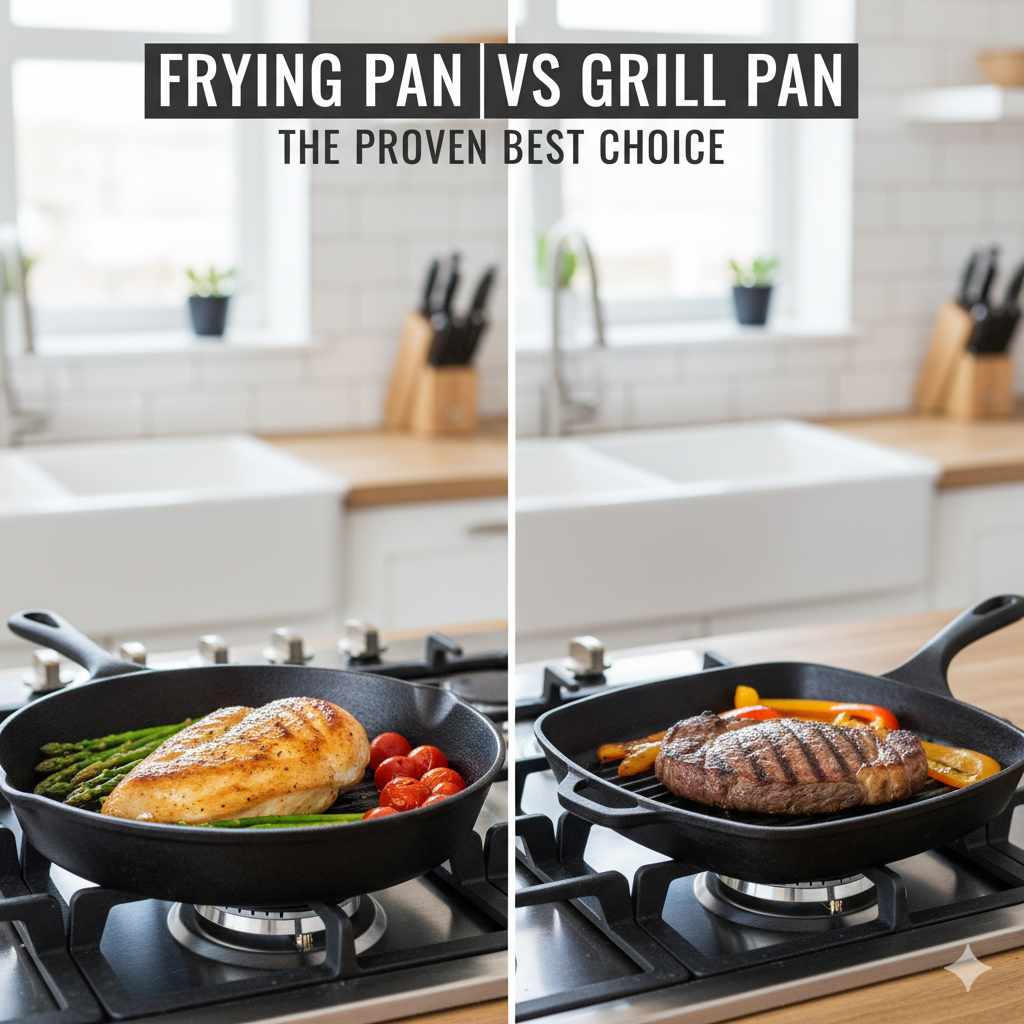
For all-around cooking, a flat-bottomed frying pan is the proven best choice due to its versatility and superior ability to create an even sear. A grill pan is a specialized tool, excellent for creating aesthetic grill marks and allowing fat to drip away, but it cannot replace the everyday functionality of a quality frying pan.
Walking through the kitchenware aisle can feel overwhelming. You see walls of shiny pans, and two of the most common options are the classic frying pan and the ridged grill pan. They both sit on your stovetop, so what’s the big deal? You might wonder if you really need both, or if one is truly better than the other. It’s a common question, and it can be frustrating to not know which tool is right for the job.
Understanding the Classic Frying Pan
A frying pan, also known as a skillet, is likely what you picture when you think of a pan. It’s a kitchen workhorse, and for good reason. Its simple design is its greatest strength.
Key Features of a Frying Pan
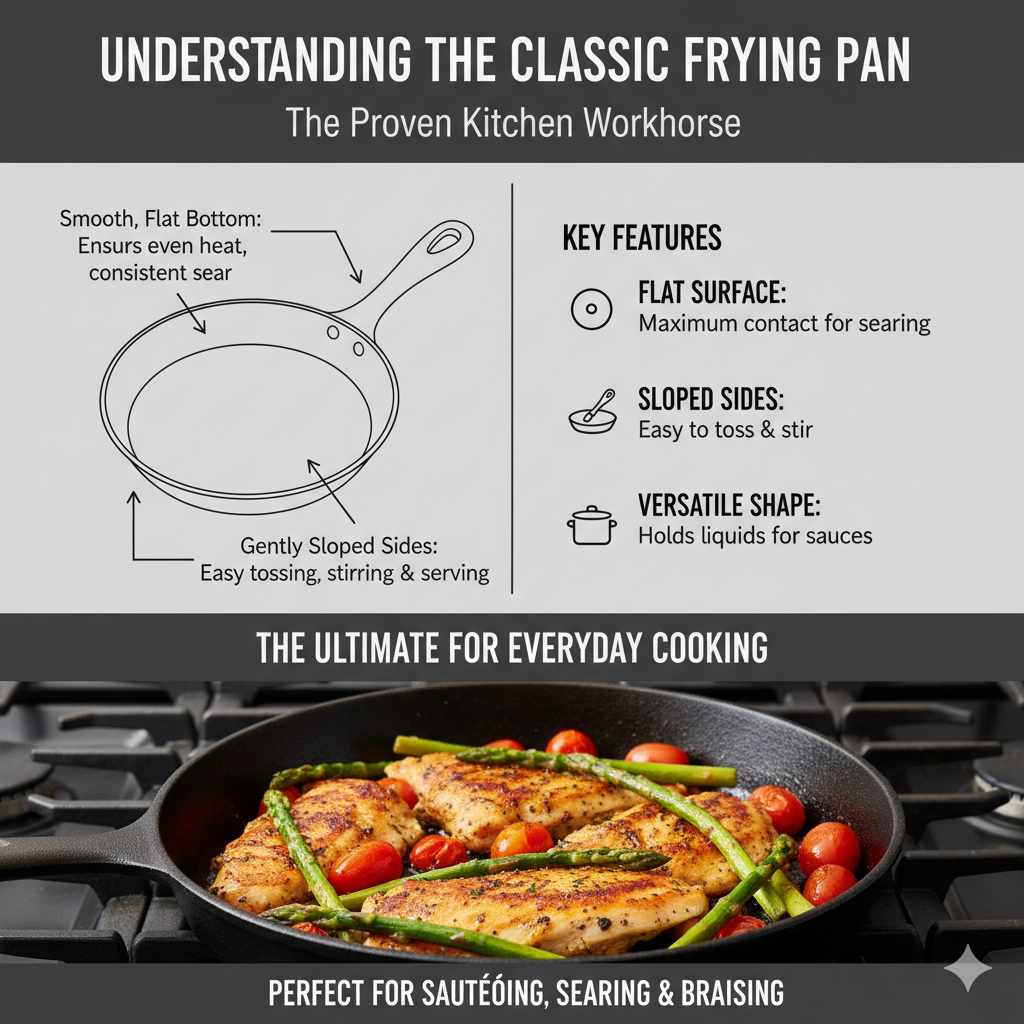
The defining feature of a frying pan is its smooth, flat bottom. This provides direct, even contact between the heat source, the pan, and your food. Most frying pans also have gently sloped sides, which make it easy to toss ingredients (like when you’re sautéing vegetables) and slide food out onto a plate.
- Flat Surface: Ensures maximum contact with food for a consistent, edge-to-edge crust or sear.
- Sloped Sides: Makes tossing, stirring, and removing food simple and mess-free.
- Versatile Shape: Perfect for holding liquids, making it ideal for sauces and braising.
What Is a Frying Pan Best For?
The frying pan is the undisputed champion of versatility. Its flat surface excels at techniques that require even heat transfer. The famous Maillard reaction, the chemical process that gives browned food its delicious flavor, happens best on a flat surface.
Use a frying pan for:
- Searing: Creating a deep brown crust on steaks, pork chops, chicken thighs, and scallops.
- Sautéing: Quickly cooking vegetables like onions, garlic, and mushrooms.
- Frying: Cooking eggs, pancakes, or bacon.
- Pan Sauces: After searing meat, you can use the leftover browned bits (the “fond”) on the flat surface to build a flavorful sauce.
- Braising: Searing meat and then adding liquid to simmer it gently.
Pros and Cons of a Frying Pan
Like any tool, the frying pan has its strengths and weaknesses.
Pros:
- Extremely Versatile: Can be used for frying, searing, sautéing, braising, and more.
- Superior Searing: The flat bottom provides the best surface for an even, golden-brown crust.
- Great for Sauces: The entire surface area can be used to deglaze and build complex pan sauces.
- Easy to Clean: A smooth surface is generally easier to scrub clean than a ridged one.
Cons:
- Fat Stays in the Pan: Fat rendered from meats like bacon or steak will pool in the pan, meaning the food cooks in it unless you pour it off.
- No Grill Marks: It cannot replicate the signature charred lines of a grill.
Understanding the Stovetop Grill Pan
A grill pan is designed to do one thing: bring the outdoor grilling experience indoors. Its unique design sets it apart from every other pan in your kitchen.
Key Features of a Grill Pan
The most obvious feature of a grill pan is its cooking surface, which has raised ridges. These ridges are meant to mimic the grates of an outdoor grill. They lift the food up, away from the bottom of the pan.
- Raised Ridges: Lifts food off the pan’s floor, creating char marks where the food makes contact.
- Deep Channels: The valleys between the ridges collect rendered fat and juices, keeping them away from the food.
- Heavy Construction: Most grill pans are made of heavy cast iron to hold and distribute high heat effectively.
What Is a Grill Pan Best For?
A grill pan excels at creating the look of grilled food. The high heat of the ridges sears dark, handsome lines onto your food, making it look like it just came off a backyard BBQ.
Use a grill pan for:
- Creating Grill Marks: Perfect for adding a professional, grilled look to chicken breasts, steaks, burgers, and fish fillets.
- Cooking Leaner: As fat renders from meat, it drips down into the channels, so your food isn’t sitting and cooking in its own grease.
- “Grilling” Vegetables: Ideal for getting a nice char on asparagus, zucchini planks, bell peppers, and corn on the cob.
- Indoor Convenience: A great option when weather or living situation (like an apartment) prevents outdoor grilling.
Pros and Cons of a Grill Pan
While it’s great at its specific job, the grill pan is less of an all-rounder.
Pros:
- Excellent Grill Marks: Creates beautiful, appetizing char lines on food.
- Lower-Fat Cooking: Allows rendered fat to drip away from the food.
–Adds a Slight Smoky Flavor: The drippings that fall into the channels can vaporize, adding a hint of smoky flavor.
Cons:
- Uneven Cooking: Food only cooks where it touches the ridges. The parts in between are essentially steamed by the heat rising from the pan’s floor.
- Poor Searing: It’s impossible to get an all-over, even crust. You only get sear lines.
- Difficult to Clean: Scrubbing between all the ridges can be a chore, especially with burnt-on food.
- Not Versatile: You can’t make a pan sauce, sauté small items, or fry an egg in a grill pan.
Frying Pan Vs Grill Pan: A Direct Comparison
Let’s put them side-by-side to see how they stack up in the areas that matter most. This will help you decide which pan fits your cooking style and needs.
| Feature | Frying Pan (Skillet) | Grill Pan |
|---|---|---|
| Cooking Surface | Completely flat and smooth. | Raised ridges with channels in between. |
| Heat Contact | 100% of the food surface touches the pan, providing even heat. | Only the parts of the food touching the ridges get direct, high heat. |
| Best For Searing | Excellent. Creates a deep, consistent, edge-to-edge crust (Maillard reaction). | Poor. Only creates sear lines, not a full crust. The rest of the food steams. |
| Fat Management | Fat pools in the pan, which can be used for basting or must be drained. | Fat drips away from the food into the channels for leaner cooking. |
| Versatility | Extremely high. Can fry, sauté, sear, braise, and make sauces. | Very low. Primarily used for creating grill marks. |
| Aesthetics | Creates a beautiful, uniform golden-brown crust. | Creates distinct, professional-looking grill marks. |
| Cleaning | Generally easy, especially non-stick or well-seasoned cast iron. | Can be difficult and time-consuming to clean between the ridges. |
When You Should Absolutely Choose a Frying Pan
For most day-to-day cooking tasks, the frying pan is your best friend. Its versatility makes it the most essential pan in the kitchen, especially for beginners.
Reach for a Frying Pan When:
- You Want the Best Possible Sear: If you are cooking a high-quality steak, a piece of salmon with crispy skin, or scallops, you need the even, high heat of a flat surface. A grill pan simply cannot compete in creating that perfect, flavorful crust.
- You Plan to Make a Pan Sauce: One of the best parts of cooking meat in a pan is using the browned bits left behind to make a sauce. This is impossible in a grill pan, as the drippings are stuck in the channels and the surface is uneven.
- You Are Sautéing or Stir-Frying: Small, chopped ingredients like garlic, onions, or diced vegetables would fall between the ridges of a grill pan. The flat bottom and sloped sides of a frying pan are designed for tossing and stirring these ingredients.
- You Are Cooking Liquid-Based Dishes: Anything from a simple fried egg to a simmering curry requires a flat, contained surface.
When a Grill Pan Is the Right Choice
A grill pan is more of a specialist. It’s not an everyday pan, but in certain situations, it really shines and can deliver results a frying pan can’t.
Grab Your Grill Pan When:
- Appearance Is a Top Priority: If you want your food to have those classic, beautiful cross-hatched grill marks, this is the only indoor tool for the job. It makes chicken breasts, burgers, and pork chops look incredibly appetizing.
- You Want to Minimize Fat: When cooking fattier cuts of meat like burgers, thick-cut bacon, or a ribeye steak, the grill pan does a great job of letting the rendered fat drip away. This results in a slightly leaner final product.
- You’re Cooking Delicate Foods: Delicate fish fillets or asparagus spears can sometimes fall apart or slip through the grates of an outdoor grill. A grill pan gives you more control and a solid surface while still providing grill-like results.
- Outdoor Grilling Isn’t an Option: For apartment dwellers or on a rainy day, a grill pan is the next best thing to a real grill for getting a similar look and feel.
The Verdict: What’s the Proven Best Choice?
So, after comparing them head-to-head, which one comes out on top? While the “best” tool always depends on the specific job, there is a clear winner in terms of overall value and necessity in the kitchen.
For 90% of your cooking needs, the frying pan is the proven best choice.
Its incredible versatility means you can use it for breakfast, lunch, and dinner. The ability to achieve a perfect, flavorful sear is a cornerstone of so many cooking techniques, and it’s something a grill pan can never replicate. If you are just starting to build your kitchen collection or have limited space, a high-quality 10- or 12-inch frying pan (cast iron or stainless steel) should be your very first purchase.
Think of the grill pan as a fantastic supporting actor. It’s not the star of the show, but it’s great to have when you need its specific skill set. It’s a secondary purchase—something you get after you already have a reliable frying pan.
A Note on Pan Materials
The material of your pan matters just as much as its shape. Here’s a quick rundown:
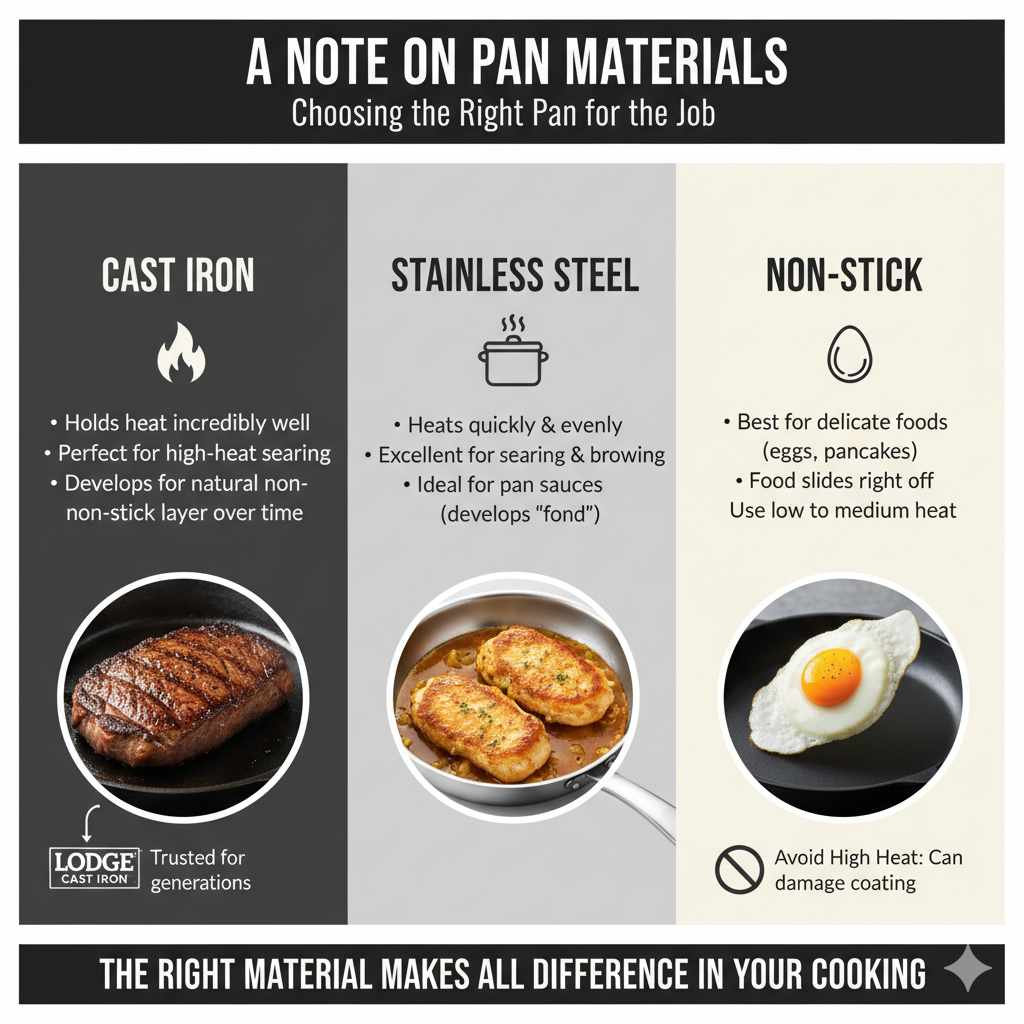
- Cast Iron: An excellent choice for both frying and grill pans. It holds heat incredibly well, making it perfect for high-heat searing. A well-seasoned cast iron pan is a treasure. Check out this guide on cast iron care from Lodge Cast Iron for tips.
- Stainless Steel: A fantastic option for frying pans. It heats up quickly, gives a great sear, and is the best surface for developing fond for pan sauces.
- Non-Stick: Best for frying pans used for delicate foods like eggs and pancakes. Avoid using non-stick pans over very high heat, as it can damage the coating. It is not a good material for a grill pan, which requires high heat to work effectively.
Frequently Asked Questions (FAQ)
Can a grill pan replace a real outdoor grill?
No, a grill pan cannot truly replace an outdoor grill. An outdoor grill cooks with a combination of direct heat (from the grates) and ambient, smoky heat from the charcoal or gas flame. A grill pan only provides direct heat from the ridges, resulting in a different flavor and texture. It’s a good substitute but not a perfect replacement.
How do I get the best grill marks with my grill pan?
The key is high heat. Preheat your grill pan over medium-high heat for at least 5-7 minutes until it’s very hot. Lightly oil your food, not the pan. Place the food on the hot ridges and do not move it for several minutes. To get a crosshatch pattern, rotate the food 90 degrees halfway through cooking on that side.
What is the best way to clean a grill pan?
Cleaning a grill pan can be tricky. The best method is to clean it while it’s still warm (but not scorching hot). Use a stiff brush or a specialized grill pan scraper to get between the ridges under hot running water. For tough, burnt-on bits in a cast iron pan, you can use a coarse salt and oil paste to scrub them away.
Do I really need both a frying pan and a grill pan?
If you have the space and budget, having both is ideal. A frying pan is a non-negotiable kitchen essential for everyday cooking. A grill pan is a “nice-to-have” specialty pan that’s great for specific tasks. If you can only choose one, get a high-quality frying pan.
Why is my food steaming instead of searing in my pan?
This usually happens for two reasons: the pan isn’t hot enough, or you’ve overcrowded the pan. Always preheat your pan properly. When you add too much food at once, the pan’s temperature drops, and the moisture released from the food creates steam instead of searing. Cook in batches if necessary.
Can I use a grill pan on an electric or induction cooktop?
Yes, but with a caveat. Cast iron grill pans work well on both electric and induction stovetops because they are heavy and flat on the bottom. However, some cheaper, thinner grill pans might not make good contact with a flat electric cooktop, leading to poor heating. Always check if the pan is rated for your type of stove.
What’s the best oil to use for high-heat searing?
For high-heat cooking in either a frying pan or a grill pan, you need an oil with a high smoke point. Good choices include canola oil, grapeseed oil, avocado oil, or peanut oil. Avoid using olive oil (especially extra virgin) for high-heat searing, as it will burn and create a bitter taste.
Final Thoughts: Choose the Right Tool for the Job
The debate between a frying pan and a grill pan isn’t about one being definitively “better” than the other—it’s about understanding their different purposes. The frying pan is your everyday, all-purpose champion, essential for a huge range of cooking tasks that form the foundation of most recipes. Its flat surface is built for flavor.
The grill pan is your specialist, called upon when you want that iconic grilled look and a leaner result. While it’s not as versatile, it does its one job very well.
If you’re starting out, invest in a great frying pan. Master it, and it will serve you well for years to come. Once you feel comfortable and want to expand your culinary toolkit, a grill pan is a fun and worthwhile addition. Knowing the strengths of each pan empowers you to go into the kitchen with confidence, ready to make your next meal a delicious success.