Fibroids Blood in Urine: What It Means and What to Do Next
What Are Uterine Fibroids?
Uterine fibroids are non-cancerous growths that develop in or on the muscular wall of the uterus. They’re incredibly common — up to 70-80% of women will have them by age 50, though many never know it. Fibroids range in size from tiny seedlings, undetectable by the human eye, to bulky masses that can distort and enlarge the uterus.
These growths are made of muscle and fibrous tissue, and they respond to estrogen and progesterone. That’s why they often grow during pregnancy and shrink after menopause. For some women, fibroids cause zero symptoms. For others, they create heavy menstrual bleeding, pelvic pressure, and a whole host of urinary problems — including blood in the urine.

My Happy Flo
My Happy Flo Heavy Period Relief Supplement…
- YOU DESERVE A PERIOD THAT DOESN’T RUN YOUR LIFE: My Happy Flo is a clinically-tested, plant-based menstrual support supplement des…
- GIVE IT 2–3 CYCLES. YOUR BODY WILL THANK YOU: Most women notice real improvements in painful periods, bloating, and irregular cycl…
- FOR THE WOMEN WHO KNOW FIBROIDS AND HORMONES ARE CONNECTED: Formulated with DIM and Indole-3-Carbinol (I3C) to support healthy est…
As an Amazon Associate I earn from qualifying purchases.
If you’re dealing with fibroids and have noticed blood when you pee, you’re probably anxious and looking for straight answers. This guide walks through exactly how fibroids can cause hematuria, how doctors confirm the connection, and when you need to treat it as an emergency.
Managing heavy bleeding and the hormonal imbalance behind fibroid growth is a real struggle. Many women find that a daily supplement like My Happy Flo Heavy Period Relief helps support healthy estrogen metabolism with DIM and I3C, while replenishing nutrients lost during heavy cycles. It’s not a cure, but it’s a practical addition to a broader symptom management plan.
How Fibroids Physically Affect the Bladder and Urinary Tract
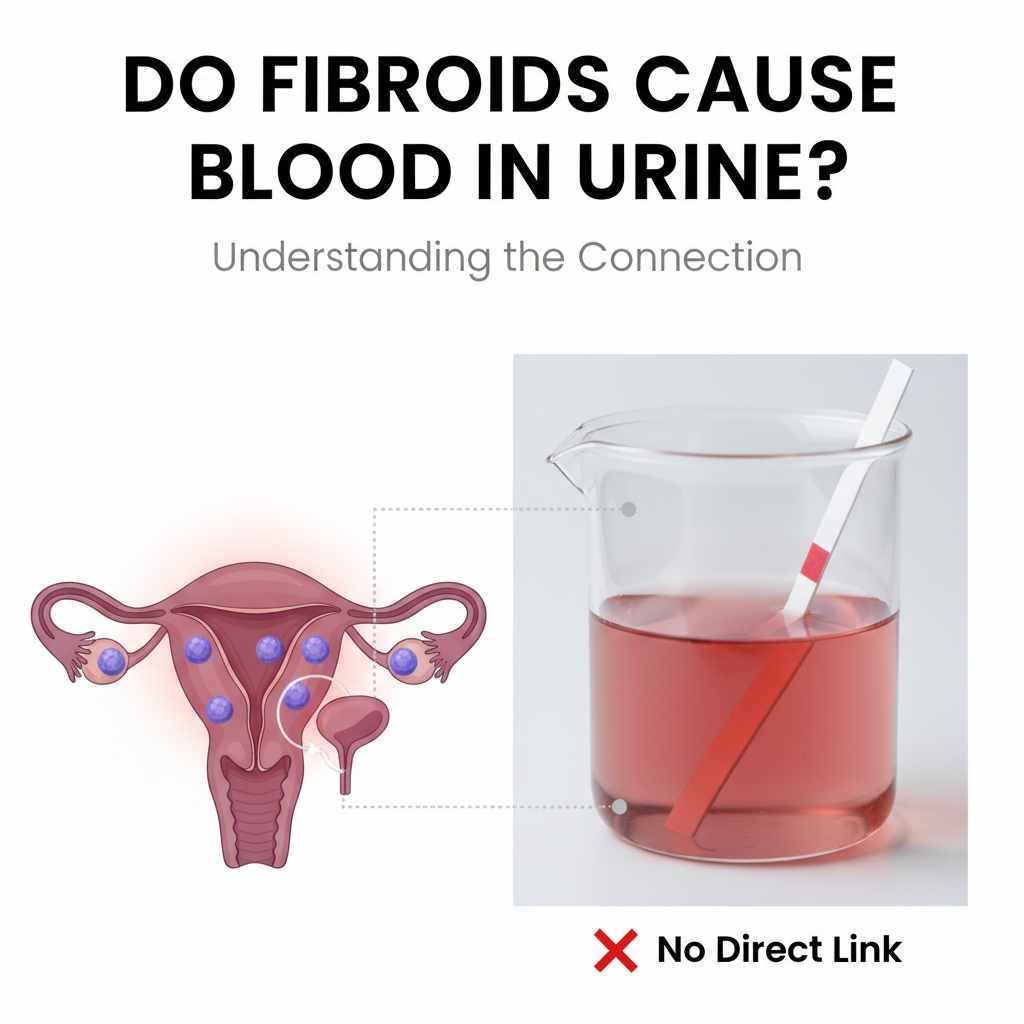
The uterus sits directly behind the bladder and in front of the rectum. When fibroids grow, they don’t stay neatly inside the uterus — they push outward. The bladder is usually the first organ to feel the squeeze.
The Role of Fibroid Location and Size
Location matters more than size when it comes to urinary symptoms. A small fibroid on the anterior (front) wall of the uterus can press directly on the posterior bladder wall and cause trouble. A large fibroid on the back of the uterus might not touch the bladder at all.
Here’s a quick breakdown:
- Submucosal fibroids — grow just under the uterine lining. These are the most likely to cause heavy menstrual bleeding and blood clots, but they can also irritate the bladder if they push forward.
- Intramural fibroids — grow within the muscular uterine wall. As they enlarge, they distort the shape of the uterus and can compress the bladder from behind.
- Subserosal fibroids — grow on the outside of the uterus. These are the ones that press on the bladder, ureters, and bowel. A subserosal fibroid on a stalk (pedunculated) can twist and cause acute pain.
A fibroid doesn’t need to be huge to cause symptoms. Even a 3-4 cm fibroid in the wrong spot can trigger urinary frequency. But fibroids larger than 5 cm — especially those at the base of the uterus near the bladder neck — are the usual culprits for significant compression.
Why Compression Leads to Hematuria
The bladder wall is a muscular sac lined with a delicate mucosal layer. When a fibroid presses against the posterior bladder wall, it doesn’t just reduce capacity. The constant pressure irritates the lining, causing inflammation and micro-tears in the blood vessels.
This irritation produces two types of hematuria:
- Microscopic hematuria — red blood cells only visible under a microscope during a urinalysis. This is often found incidentally during a routine check-up.
- Macroscopic hematuria — visible blood. Your urine looks pink, red, or cola-colored. This is more alarming but less common with fibroids alone.
Think of it like rubbing your forearm repeatedly — the skin gets raw and eventually bleeds. The bladder lining reacts the same way to constant fibroid pressure. The blood isn’t coming from the fibroid itself; it’s coming from the irritated bladder wall.
Blood in Urine: Is It Always Fibroids?
No. This is the most important thing to understand. Blood in the urine is a symptom, not a diagnosis. Fibroids are one possible cause, but they’re far from the only one — and some of the other causes are more serious.
Common Causes of Hematuria (UTIs, Kidney Stones, Cancer)
Before anyone blames your fibroids, a doctor needs to rule out these other conditions:
- Urinary tract infection (UTI) — the most common cause of visible blood in urine. Bacteria irritate the bladder lining, causing bleeding, burning, and urgency. A simple urine culture confirms this.
- Kidney stones — stones scraping against the ureter or kidney lining cause severe flank pain and blood. The pain is usually unmistakable, but not always.
- Bladder or kidney cancer — this is the one nobody wants to talk about. Blood in urine is often the first and only symptom of bladder cancer, especially in women over 50 with a smoking history. It must be ruled out.
- Interstitial cystitis — a chronic bladder condition causing pelvic pain and urinary urgency. It can also produce microscopic blood. This condition is frequently misdiagnosed as a UTI.
- Glomerulonephritis — inflammation of the kidney’s filtering units. This causes blood and protein to leak into the urine.
Heavy menstrual bleeding can also contaminate a urine sample. If you’re on your period and blood gets into the collection cup, the test will show hematuria even though nothing is wrong with your urinary tract.
How Doctors Confirm Fibroids Are the Culprit
Your doctor will run through a rule-out checklist before landing on fibroids as the cause. Expect this sequence:
- Urinalysis and urine culture — checks for infection, blood, and protein.
- Pelvic exam — feels for fibroids and assesses uterine size and shape.
- Ultrasound — the first imaging test. It visualizes fibroids and checks for kidney swelling (hydronephrosis).
- Cystoscopy — a thin camera looks inside the bladder. This rules out bladder tumors, stones, and confirms the bladder wall looks irritated from external compression.
- MRI — gives the most detailed picture of fibroid size, location, and relationship to the bladder and ureters.
Only after infection, stones, and cancer are ruled out — and imaging confirms a fibroid pressing on the bladder — can the fibroid be blamed. Don’t accept a fibroid diagnosis without this workup.
Red Flags: When to Seek Immediate Medical Care
Some situations with blood in urine are not for the doctor’s office — they’re for the emergency room. Go to urgent care or the ER if you experience:
- Blood clots in your urine larger than a pea
- Inability to urinate — complete urinary retention
- Fever or chills along with blood in urine, which suggests a kidney infection
- Severe flank or abdominal pain that doesn’t settle
- Fainting or dizziness, which could indicate significant blood loss
Visible blood that comes and goes is still a reason to see a doctor promptly, but it’s not an emergency. The same goes for microscopic hematuria found on a routine test — schedule a follow-up within a few weeks, not months.
Diagnostic Tests for Fibroid-Related Urinary Issues
If your fibroids are pressing on your bladder, several tests quantify the damage and guide treatment:
- Renal ultrasound — checks for hydronephrosis, which is swelling of the kidney due to urine backing up. This happens when a fibroid compresses a ureter.
- Urodynamic studies — measure bladder pressure and flow rate. These reveal how much the fibroid is obstructing normal urination.
- Post-void residual test — measures how much urine stays in the bladder after you pee. High residual volume means incomplete emptying, which raises infection risk.
- Blood tests for kidney function — creatinine and BUN levels show whether the kidneys are handling the pressure. Elevated levels mean the kidneys are struggling.
These tests matter because bladder compression isn’t just uncomfortable — it can cause permanent damage over time.
Treatment Options for Urinary Symptoms and Bleeding
Treatment depends on symptom severity, fibroid size and location, and whether you want to preserve fertility. Here’s how the options compare:
Medications and Hormonal Therapy
Medications don’t shrink fibroids dramatically, but they can control bleeding and reduce pressure symptoms.
- GnRH agonists (like Lupron) — induce a temporary menopause-like state, shrinking fibroids by 30-50% within 3 months. Side effects include hot flashes and bone density loss, so this is usually a bridge to surgery.
- Progestin-releasing IUD (Mirena) — thins the uterine lining, reducing heavy bleeding. It doesn’t shrink the fibroid itself.
- Tranexamic acid — taken only during your period to reduce bleeding. It doesn’t address the fibroid or the bladder pressure.
- NSAIDs (like ibuprofen) — reduce pain and slightly decrease menstrual blood loss.
If your main issue is heavy bleeding rather than bladder compression, these options can buy time. They won’t relieve significant urinary obstruction.
Minimally Invasive Procedures (UAE, Myomectomy)
These procedures target the fibroids directly while preserving the uterus.
Uterine artery embolization (UAE) — tiny particles block the blood supply to the fibroids, causing them to shrink and die. It’s effective for multiple fibroids and has a shorter recovery than surgery. Some women experience post-embolization syndrome (pain, fever, nausea) for a few days. There’s a small risk of affecting ovarian function, so it’s not ideal if you’re planning a future pregnancy.
Myomectomy — surgical removal of the fibroids. This can be done hysteroscopically (through the cervix) for submucosal fibroids, laparoscopically for most others, or via an open incision for very large fibroids. It’s the only fibroid treatment that preserves fertility. The downside is that fibroids can recur — roughly 10% of women develop new fibroids within 5 years.
For urinary symptoms, myomectomy is often the best choice because it directly relieves the compression on the bladder.
Surgical Options (Hysterectomy)
Hysterectomy — removal of the uterus — is the only definitive cure for fibroids. It’s major surgery with a 6-8 week recovery period. It’s appropriate when:
- Fibroids are very large (uterus size of a 12+ week pregnancy)
- Bleeding is severe and other treatments have failed
- You’re done having children
- Bladder or bowel function is significantly compromised
This decision is deeply personal. Some women feel immediate relief from years of symptoms. Others mourn the loss of their uterus. Take your time and get a second opinion if you’re unsure.
Preventing Complications and Protecting Kidney Health
Ignoring bladder compression has real consequences. The most serious is hydronephrosis — when urine backs up into the kidney because a fibroid is squeezing the ureter. If left untreated, this leads to kidney infection, scarring, and eventually permanent renal impairment.
Fibroids large enough to cause hydronephrosis are usually 5 cm or larger, often located near the cervix or broad ligament. The scary part is that hydronephrosis can be silent — you might not feel anything until kidney function is already declining.
If you have fibroids and any urinary symptoms, get a renal ultrasound at least once a year. This simple, painless test shows whether your kidneys are coping. If hydronephrosis is present, treatment is usually urgent — typically surgical removal of the fibroid or the uterus.
Also, know this: fibroids don’t cause kidney damage overnight. It develops over years. Regular monitoring catches it early, when intervention can still protect your kidney function.
Lifestyle Tips for Managing Bladder Pressure
These strategies won’t shrink fibroids, but they’ll help you manage the urinary symptoms day to day.
- Stay hydrated, but time it right — drink most of your fluids earlier in the day and taper off in the evening to reduce nighttime urination. Aim for 8-10 glasses daily, but don’t chug a liter right before bed.
- Practice double voiding — after you pee, wait 30 seconds and try again. This helps empty the bladder more completely when a fibroid is blocking full flow.
- Bladder training — if you’re rushing to the bathroom every hour, try gradually extending the interval. When you feel the urge, hold for 5 minutes, then 10, then 15. This stretches the bladder’s capacity over several weeks.
- Cut bladder irritants — caffeine, alcohol, and acidic foods (tomatoes, citrus) can worsen urgency. See if reducing them helps.
- Maintain a healthy weight — excess abdominal fat increases intra-abdominal pressure, which compounds the pressure from fibroids. Even a 5-10% weight loss can ease symptoms.
- Consider pelvic floor physical therapy — a specialist can teach you exercises to support the bladder and reduce urgency. This is underused and genuinely helpful.
Frequently Asked Questions
Can fibroids cause bright red blood in urine?
Yes, but it’s rare. Bright red blood usually means active bleeding in the lower urinary tract. While fibroids can irritate the bladder enough to cause this, a UTI or kidney stone is far more likely. Any visible blood warrants a prompt medical evaluation.
Does blood in urine from fibroids come and go?
It can. The bladder irritation fluctuates with your menstrual cycle. Fibroids are estrogen-sensitive, so they may swell slightly during certain cycle phases, increasing pressure and bleeding. Intermittent hematuria doesn’t make it less serious — it still needs investigation.
Can a fibroid cause a urinary tract infection?
Indirectly, yes. When a fibroid presses on the bladder, it prevents complete emptying. Stagnant urine is a perfect breeding ground for bacteria. So the fibroid doesn’t cause the infection, but it creates the conditions for one. Recurrent UTIs with a known fibroid should prompt a conversation about relieving the obstruction.
Will removing fibroids stop blood in urine?
In most cases, yes. Once the source of pressure on the bladder is removed, the irritation heals and the bleeding stops. If blood persists after fibroid removal, it points to a different cause that needs separate investigation.
What does a nephrologist do for fibroid-related kidney issues?
A nephrologist is a kidney specialist. If imaging shows hydronephrosis or declining kidney function, they’ll assess the degree of damage and coordinate with your gynecologist. They might order additional blood work or a CT scan. Their role is to protect your kidneys while the gynecologist addresses the fibroid.
The Bottom Line
Finding blood in your urine is unsettling, but understanding the connection between fibroids and hematuria takes away some of the fear. Here’s what to remember:
- Fibroids cause blood in urine by physically compressing the bladder wall, causing irritation and micro-tears — the blood comes from the bladder, not the fibroid.
- Location matters more than size. A small fibroid in the wrong spot can cause more urinary trouble than a large one elsewhere.
- Never assume fibroids are the cause until a doctor rules out UTIs, kidney stones, and bladder cancer with proper testing.
- Visible blood, clots, fever, or inability to urinate are emergency signs — go to the ER.
- Untreated bladder compression can lead to hydronephrosis and permanent kidney damage, so annual renal ultrasounds are wise if you have symptomatic fibroids.
- Treatment options range from hormonal therapy to minimally invasive procedures to hysterectomy — the right choice depends on your symptoms, fertility goals, and fibroid characteristics.
- Lifestyle changes like bladder training, double voiding, and reducing caffeine can make daily life more comfortable while you decide on a treatment path.
You don’t have to live with this. Talk to your gynecologist, push for the diagnostic workup, and explore the treatment that fits your life. For more context on related urinary conditions, check out this fibroid blood in urine guide or learn about interstitial cystitis and blood to understand the differences.
Products related to this article
Sponsored / affiliate links. As an Amazon Associate I earn from qualifying purchases. I may earn additional commission from eligible campaigns.