Canning Tomatoes vs Regular Tomatoes: Roma & San Marzano Seed Comparison
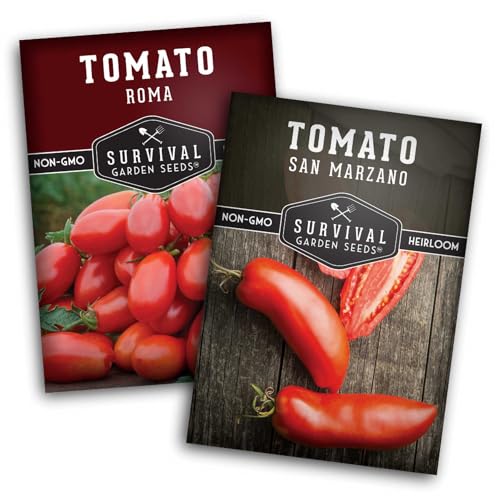
You see two seed packs on Amazon. One says Roma and San Marzano. The other just says San Marzano. Both claim to be the best for canning. You have a garden bed ready and a water bath canner in the garage. Which one do you buy?
| Our Pick | Runner Up |
|

|
| SURVIVAL GARDEN SEEDS Paste Tomato Seed Variety Pack Collection -… | Marde Ross & Company San Marzano Tomato |
| See on Amazon | See on Amazon |
As an Amazon Associate I earn from qualifying purchases.
The short answer: the Survival Garden Seeds two-variety pack is the better buy for most home canners. It gives you two proven paste tomatoes, so you hedge against a bad season for one variety. The Marde Ross pack is fine if you only want San Marzano and you trust a single source. But the two-variety approach wins on flexibility.
This decision matters if you are putting up dozens of jars each summer. It also matters if you are new to canning tomatoes vs regular tomatoes and want a forgiving crop. Let’s break down what each seed pack actually delivers.
The Core Difference: It’s Not Just About Freshness
Regular tomatoes are what you slice for a sandwich. They are juicy, sweet, and full of water. Canning tomatoes are paste types. They have thick walls, fewer seeds, and less juice. That means they cook down faster and give you a denser sauce.
Both seed packs here are paste tomatoes. Neither is a slicing tomato. That is the first thing to understand. You are not choosing between a beefsteak and a Roma. You are choosing between two paste varieties and how they are packaged.
The real difference is in the seed selection strategy. The Survival Garden Seeds pack gives you Roma and San Marzano. Roma is a reliable workhorse. San Marzano is the Italian favorite with a sweeter flavor. Growing both means you can use Roma for bulk sauce and San Marzano for a special Sunday gravy.
Flavor and Texture: Why Canned Tastes Different (and When It’s Better)
Canned tomatoes taste different from fresh. That is not a flaw. It is chemistry. The heat of canning triggers the Maillard reaction. That reaction creates new savory compounds. It also breaks down pectin, which changes the texture.
Here is the thing: that cooked flavor is often what you want. A slow-simmered sauce made from canned paste tomatoes has a depth that a quick fresh tomato sauce lacks. The canning process concentrates the umami.
If you use fresh slicing tomatoes for sauce, you get a thinner, brighter result. It is not wrong. It is just different. But for a thick, rich pasta sauce, paste tomatoes processed in a canner give you the classic flavor profile. Both seed packs produce tomatoes that handle this well.
One caveat: San Marzano from the Marde Ross pack is a semi-determinate plant. That means it produces a concentrated harvest over a few weeks. The Survival Garden Seeds pack includes a Roma that is more of a steady producer. If you want to can in one big batch, semi-determinate works. If you prefer to process a few jars every weekend, the steady producer is easier.
Nutritional Value: Does Canning Destroy Vitamins?
Canning does reduce vitamin C. Heat breaks it down. But lycopene, the antioxidant that gives tomatoes their red color, actually becomes more available after cooking. The canning process releases it from the cell walls.
So your canned sauce has less vitamin C but more lycopene than a fresh salad. For most people, that is a fair trade. You are not eating canned tomatoes for vitamin C. You are eating them for flavor, convenience, and lycopene.
Neither seed pack changes this equation. Both produce tomatoes with similar nutritional profiles. The variety matters less than the processing method.
Cost and Convenience: The Real Price of Fresh vs. Canned
Growing your own canning tomatoes costs money upfront. Seeds, soil, water, and time all add up. A packet of seeds from either brand runs a few dollars. That packet can produce dozens of pounds of fruit if you have the space.
Compare that to buying canned tomatoes at the store. A 28-ounce can of crushed tomatoes costs a couple of dollars. If you use 50 cans a year, that is over one hundred dollars. A seed packet that costs five dollars and produces 50 pounds of fruit is a better deal, if you have the garden space and the time.
But there is a hidden cost: your labor. Peeling, seeding, and processing tomatoes takes hours. You need a water bath canner and jars. The price per ounce of home-canned tomatoes is lower, but the effort is real.
Seasonal price fluctuations matter too. Fresh tomatoes are cheap in August and expensive in January. Canned tomatoes stay the same price year-round. If you grow your own, you lock in the summer price. Both seed packs let you do that. The Survival Garden Seeds pack gives you two varieties to stagger your harvest, which spreads out your processing work.
How Tomato Variety Changes Your Canning Results
Paste Tomatoes (Roma/San Marzano) vs. Slicing Tomatoes
Paste tomatoes have less water. That means less boiling time to thicken your sauce. A Roma tomato might need 20 minutes to cook down. A slicing tomato might need 45 minutes. Over a bushel of tomatoes, that is a huge time difference.
Paste tomatoes also have fewer seeds. That means less gel and less bitter flavor. The texture is meatier. When you can them, they hold their shape better. Slicing tomatoes turn to mush faster.
For canning tomatoes vs regular tomatoes, the paste type wins every time for sauce. Both products here are paste types. The Roma from Survival Garden Seeds is a classic determinate plant. It sets fruit all at once, which is perfect for a single big canning session. The San Marzano from either pack is taller and needs staking.
Heirloom Varieties: Risks and Rewards
Both packs use heirloom, open-pollinated seeds. That means you can save seeds from your best plants and grow them again next year. That is a real advantage for a budget-conscious gardener.
The risk with heirlooms is disease resistance. Hybrid varieties are bred to resist common tomato diseases. Heirlooms are not. If you have a wet, humid summer, you might lose plants to blight. Neither brand claims disease resistance in the product data, so plan to use good garden hygiene.
The reward is flavor. Heirlooms like San Marzano have a reputation for sweetness and low acidity. That is why they are the standard for Italian canning. You are getting authentic genetics, not a hybrid engineered for shipping.
The Complete Canning Guide: Water Bath vs. Pressure Canner
You have the seeds. You grew the tomatoes. Now you need to process them safely. There are two methods, and they are not interchangeable.
Step-by-Step: Water Bath Canning (Acidified)
Tomatoes are borderline on the acidity scale. They are safe for a water bath canner only if you add acid. The rule is simple: add one tablespoon of bottled lemon juice or one-quarter teaspoon of citric acid per pint jar. For quarts, double it.
The process: blanch the tomatoes in boiling water for 30 seconds, then plunge them into ice water. The skins slip right off. Remove the cores. You can pack them whole, halved, or crushed. This is called hot pack or raw pack. Hot pack means you simmer the tomatoes first. Raw pack means you put them in the jar raw and add boiling liquid.
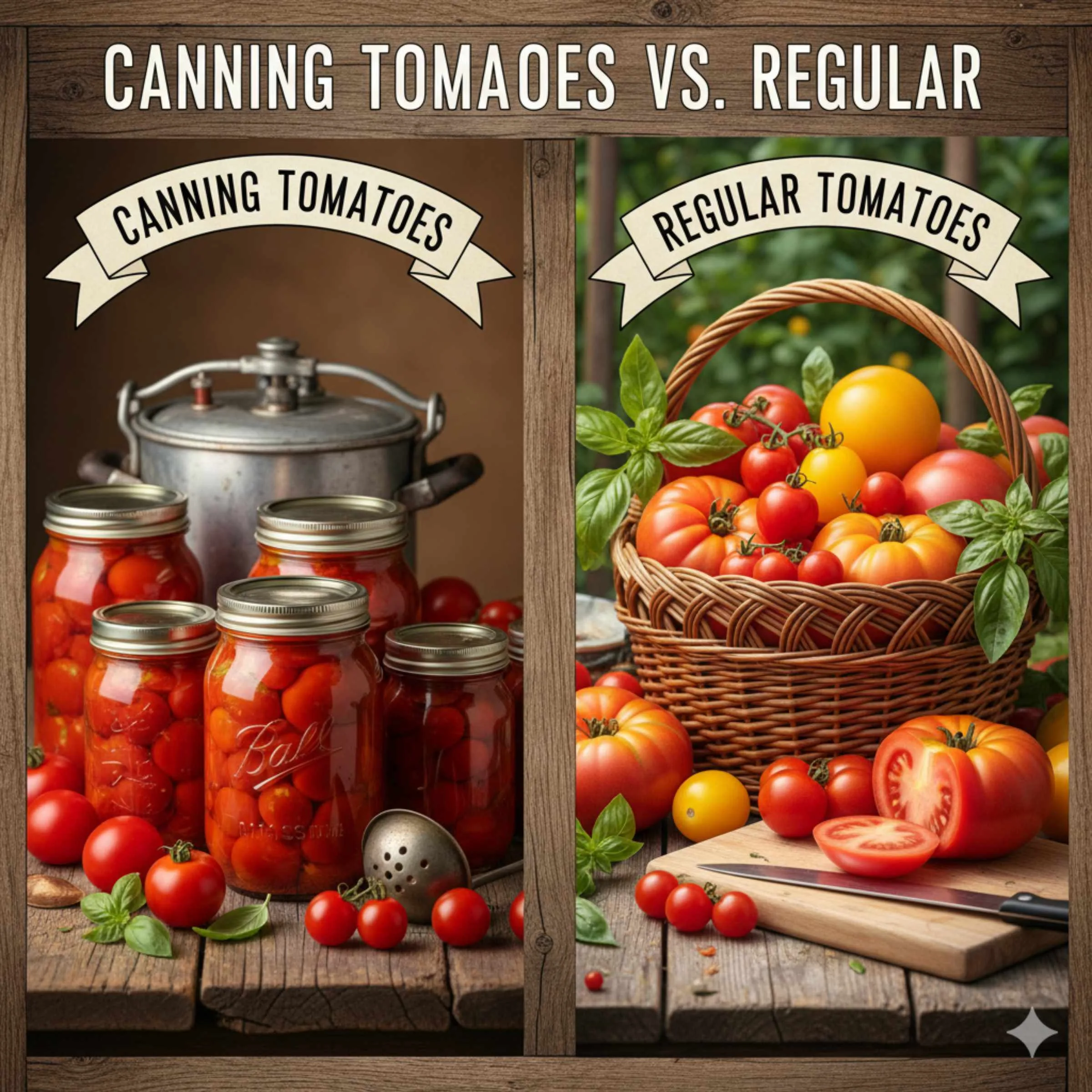
Hot pack gives you better liquid levels and fewer floating tomatoes. Raw pack is faster but can result in tomatoes that float to the top of the jar. For a beginner, hot pack is more forgiving.
Process pint jars for 35 minutes and quart jars for 40 minutes in a boiling water bath, adjusting for altitude. Let the jars cool for 12 hours. Check the seals. If a lid flexes when you press the center, it did not seal. Put it in the fridge and use it within a week.
Step-by-Step: Pressure Canning (Low-Acid Safety)
You do not need a pressure canner for tomatoes if you add acid. But you might want one if you are canning soup or a sauce with low-acid vegetables like onions or peppers mixed in.
If you add any low-acid ingredient, the whole batch becomes low-acid. That means botulism risk. A pressure canner reaches 240 degrees Fahrenheit, which kills botulism spores. A water bath canner only reaches 212 degrees, which is not hot enough.
For pure tomato products with added acid, stick with the water bath. It is simpler and works fine. For mixed recipes, use the pressure canner. Follow the manufacturer’s instructions for your specific model. The processing time depends on the jar size and the density of the food.
Never guess on pressure canning. Read the manual. The USDA has free guides online. The pressure canning vs water bath details matter if you plan to can anything beyond plain tomatoes.
Troubleshooting Common Canning Problems (Siphoning, Softness, Floaters)
You will hit issues. Everyone does. Here is how to fix the three most common ones.
Siphoning happens when liquid bubbles out of the jar during processing. It is usually caused by packing the jar too full or by a rapid temperature change. Leave at least one inch of headspace. Do not place hot jars on a cold counter. Siphoning does not ruin the food, but it can break the seal. If the seal holds, the food is fine. If not, refrigerate and use it soon.
Soft texture is common with overripe tomatoes. The pectin breaks down as the fruit ages. Pick your tomatoes at the ripe-but-firm stage. Do not use fruit that is mushy. Adding a pinch of calcium chloride, sold as Pickle Crisp, helps firmness. It is safe and does not change the flavor.
Floating tomatoes are cosmetic, not a safety issue. They happen when raw-packed tomatoes release air and float above the liquid. To reduce this, use the hot pack method. Simmer the tomatoes for five minutes before packing. This drives out the air and makes them sink.
The Chef’s Rule: When to Use Fresh, Canned, or a Hybrid
Here is a simple framework. Use fresh slicing tomatoes for salads, sandwiches, and quick bruschetta. Use canned paste tomatoes for any sauce that simmers longer than 20 minutes. The canned ones have more umami and a thicker body.
For a hybrid recipe, use half fresh and half canned. This works well for a chunky pasta sauce. The fresh tomatoes give you brightness and texture. The canned tomatoes give you body and depth. Start with the canned ones in the pan, then add the fresh ones at the end so they do not overcook.
This is where the Survival Garden Seeds pack shines. You can grow Roma for the bulk of your sauce and San Marzano for a batch of marinara that you want to be exceptional. Having both varieties lets you cook with intention.
Environmental Impact: Glass vs. Tin vs. Plastic
Home canning uses glass jars. You can reuse those jars year after year. A good mason jar lasts decades. That is a major environmental win over buying commercial canned tomatoes in tin cans.
Tin cans are recyclable, but the recycling rate is not perfect. Plus, each can has a plastic lining. Glass jars have no lining. They are inert. You are not eating trace amounts of BPA from a jar lining.
Fresh tomatoes from the store come in plastic clamshells or on cardboard trays. That packaging is single-use. Growing your own and canning them in glass is the lowest-waste option. The only waste is the lid, which you replace each year. Some recycling programs accept used lids, but many do not.
If you are tracking your carbon footprint, home canning in glass is the clear winner. The upfront energy to process the jars is offset by years of reuse.
Frequently Asked Questions
Can I use regular slicing tomatoes for canning?
Yes, but you will get a watery sauce. You will need to simmer it longer to evaporate the extra liquid. The flavor will be lighter and less concentrated. Paste tomatoes like Roma and San Marzano are better because they have less water and more solids. For the best results, use paste types.
How many plants do I need to fill a canner?
A single Roma plant can produce 10 to 20 pounds of fruit in a season. A water bath canner holds about seven quart jars. That takes roughly 21 pounds of fresh tomatoes. So two or three plants will fill one canner load. If you want 20 quarts for the winter, you need about 10 plants. The Survival Garden Seeds pack gives you seeds for both varieties, so you can plant five of each.
Is San Marzano really better than Roma?
San Marzano has a sweeter, more complex flavor. Roma is more reliable and slightly more productive. Both are excellent for canning. San Marzano is the premium choice for Italian sauces. Roma is the workhorse for everyday use. Growing both, as the Survival Garden Seeds pack allows, gives you the best of both worlds.
Do I need to add acid to canned tomatoes?
Yes. Modern tomato varieties can have pH levels above 4.6, which is the safety threshold for botulism. Adding lemon juice or citric acid guarantees the acidity level is safe for a water bath canner. Do not skip this step. It is the difference between safe and unsafe food. The canning tomatoes guide covers this in more detail.
Final Verdict: Which One Should You Use?
For most home canners, the Survival Garden Seeds Paste Tomato Variety Pack is the better purchase. You get two proven varieties. You get a hedge against a bad year for one type. You get flexibility in the kitchen. The Roma handles bulk sauce. The San Marzano handles the special batches. It is a small family-owned business with a focus on heirloom, non-GMO seeds.
The Marde Ross San Marzano pack is a solid choice if you have a specific reason to grow only San Marzano. Maybe you already grow Roma and just want the Italian variety. Maybe you have limited space and only want one type. The company has been a licensed California nursery since 1985, so they know tomatoes. But you are putting all your eggs in one basket.
My recommendation: buy the two-variety pack. Plant both. See which one performs better in your soil and your climate. Next year, you can adjust. That is the smart way to garden. Start with diversity, then refine.
Before you plant, read up on peeling tomatoes for canning so you know what to expect at harvest time. The processing is half the work. The other half is deciding which seeds to put in the ground. This year, choose both.
Products related to this article
Sponsored / affiliate links. As an Amazon Associate I earn from qualifying purchases. I may earn additional commission from eligible campaigns.