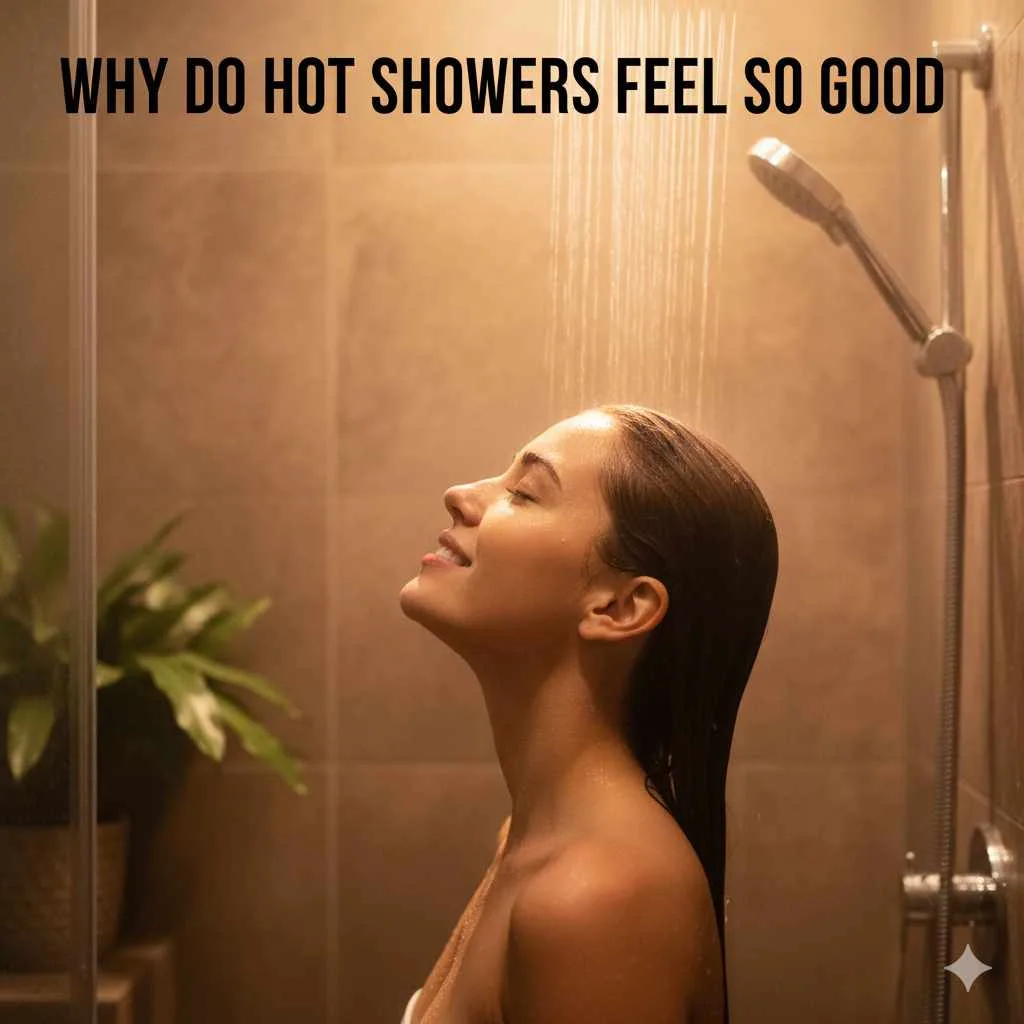
Why do hot showers feel so good? It’s a wonderful mix of science and simple human comfort! Warm water relaxes your muscles, eases tension in your body and mind, and can even improve your breathing.
There’s something instantly magical about stepping into a hot shower, isn’t there? The steam rises, the warmth envelops you, and all the day’s worries seem to melt away with the running water. It’s a universal pleasure, a simple indulgence that most of us look forward to. But have you ever paused, mid-scrub, to wonder why it feels so incredibly good? It’s more than just getting clean; it’s a powerful way to relax and recharge. If you’ve ever found yourself craving that steamy embrace after a long day, you’re not alone. Let’s dive into the comforting science behind why hot showers are such a treat for our bodies and minds.
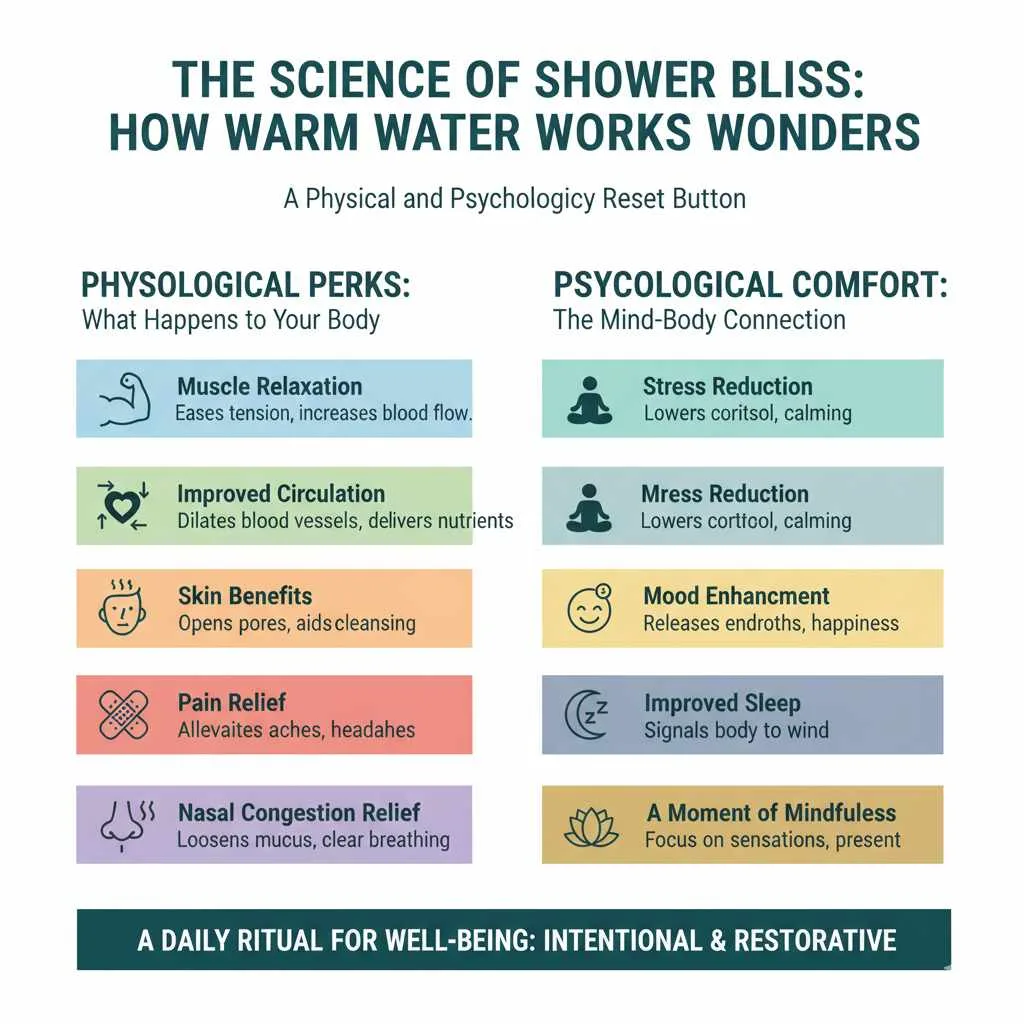
The Science of Shower Bliss: How Warm Water Works Wonders
It turns out that our love for hot showers is deeply rooted in how our bodies react to heat. When warm water hits your skin, it triggers a cascade of beneficial responses that go beyond just feeling pleasant. It’s a physical and psychological reset button that’s surprisingly effective. Understanding these mechanisms can make your next shower feel even more intentional and restorative.
Physiological Perks: What Happens to Your Body
When you turn on the hot tap, your body starts to experience several positive physical changes almost immediately. These aren’t just sensations; they’re actual bodily responses that contribute to that feeling of deep comfort and relaxation.
- Muscle Relaxation: The heat from the water helps to increase blood flow to your muscles. This increased circulation can help to relax tense muscles and ease aches and pains. Think of it as a warm hug for your weary muscles after a workout or a long day at your desk.
- Improved Circulation: Warm water causes your blood vessels to dilate, or widen. This process, known as vasodilation, allows blood to flow more easily throughout your body. Better circulation can help to deliver oxygen and nutrients to your tissues more effectively, promoting overall well-being. It can also contribute to a feeling of warmth spreading through your entire body.
- Skin Benefits: While it’s important not to scald yourself, the warm water can help to open up your pores. This can make it easier to cleanse your skin and remove dirt and oil. For some, this can lead to clearer skin. However, very hot water can also strip your skin of its natural oils, so finding a comfortable, warm temperature is key.
- Pain Relief: Many people find that hot showers help to alleviate certain types of pain, such as headaches, menstrual cramps, or muscle soreness. The heat can act as a natural pain reliever by increasing blood flow and relaxing nerve endings.
- Nasal Congestion Relief: The steam from a hot shower can be incredibly helpful for clearing out clogged nasal passages. Inhaling the warm, moist air can help to loosen mucus and make it easier to breathe, providing welcome relief from the stuffiness associated with colds or allergies.
Psychological Comfort: The Mind-Body Connection
Beyond the physical effects, hot showers also have a profound impact on our mental and emotional state. They offer a sanctuary from the stresses of daily life and can significantly boost our mood.
- Stress Reduction: The simple act of immersing yourself in warm water can be incredibly calming. It creates a moment of peace where you can disconnect from your worries and focus on the sensation of warmth. This can help to lower stress hormones like cortisol.
- Mood Enhancement: The warmth and comfort of a hot shower can stimulate the release of endorphins, which are your body’s natural mood boosters. This can lead to feelings of happiness, contentment, and well-being. It’s like a mini-vacation for your mind!
- Improved Sleep: Taking a warm shower before bed can actually help you sleep better. The rise and fall in your body temperature after getting out of the warm water can signal to your body that it’s time to wind down and prepare for sleep. This can help you fall asleep faster and enjoy more restful slumber.
- A Moment of Mindfulness: In our fast-paced world, finding moments of quiet reflection can be challenging. A hot shower provides a perfect opportunity to practice mindfulness. Focusing on the sensations – the water temperature, the sound, the steam – can help ground you in the present moment.
The Perfect Temperature: Finding Your Comfort Zone Safely
While the benefits of hot showers are clear, it’s crucial to remember that “hot” can be subjective and potentially harmful if the temperature is too high. Finding that sweet spot where you get the most comfort without risking injury is key. It’s about a warm, soothing embrace, not a scalding ordeal.
Recommended Temperatures
Health experts and safety organizations recommend specific temperature ranges for bathing to prevent burns. It’s a good practice to be aware of these guidelines to ensure your relaxation doesn’t lead to unintended harm.
- The recommended water temperature for bathing and showering is typically between 100°F (38°C) and 110°F (43°C).
- Temperatures above 120°F (49°C) can cause serious burns very quickly. For context, a third-degree burn can occur in as little as 5 seconds at 140°F (60°C).
- Children and older adults have more sensitive skin and require lower temperatures, often around 98-100°F (37-38°C).
You can install a water heater and test its thermostat, or use a simple shower thermometer to ensure your water is in the safe and comfortable range. Many modern showerheads also include built-in temperature controls, offering precise adjustments for your perfect shower.
Finding your ideal temperature is a personal journey, but always err on the side of caution. A slightly cooler, warm shower is always safer than one that’s too hot. Experiment within the safe range until you discover what feels most soothing and beneficial for you.
Beyond the Heat: Enhancing Your Shower Experience
While the water temperature is a primary factor, several other elements can transform your daily shower into a luxurious, therapeutic ritual. Think of these as little upgrades that can amplify the comfort and benefits you already love.
Aromatherapy in the Shower
The steam from your shower is an excellent carrier for scents, making it a perfect environment for aromatherapy. Essential oils can add another layer of relaxation and well-being to your routine.
- Lavender: Known for its calming properties, perfect for unwinding before bed.
- Eucalyptus: Great for clearing sinuses and invigorating the senses, especially when you have a cold.
- Chamomile: Another excellent choice for promoting relaxation and reducing anxiety.
- Peppermint: Can be energizing and help to clear the mind, a good option for a morning shower.
You can introduce these scents using essential oil diffusers made for shower use, or by adding a few drops of oil to the shower floor away from the direct stream of water, allowing the steam to carry the aroma. Alternatively, consider shower steamers or soaps infused with essential oils.
The Right Showerhead
A good showerhead can make a world of difference. Different types offer varied experiences, from a gentle rainfall to a powerful massage.
Here’s a quick look at some popular options:
| Showerhead Type | Description | Best For |
|---|---|---|
| Fixed Showerhead | The standard, mounted directly to the pipe. Offers a consistent spray. | Basic needs, budget-friendly. |
| Handheld Showerhead | Connected by a flexible hose, allowing for more control and maneuverability. | Rinsing, cleaning the shower, easier for people with mobility issues. |
| Rainfall Showerhead | Larger diameter, designed to mimic the gentle falling of rain for a spa-like experience. | Relaxation, luxury, wide coverage. |
| High-Pressure Showerhead | Engineered to increase water pressure, providing a more vigorous spray. | Washing away shampoo thoroughly, invigorating experience. |
| Filtered Showerhead | Includes a filter to remove impurities like chlorine from the water. | Sensitive skin, hair health, improved water quality. |
Upgrading your showerhead is a relatively simple DIY project and can hugely impact your shower enjoyment. Look for models certified by the EPA WaterSense program for water efficiency without sacrificing performance.
Soothing Additives
Enhance your bath or shower experience with soothing additives. While not all are suitable for a shower (some are better for baths), some can be used carefully.
- Epsom Salts: While often used in baths, a small amount of Epsom salt can be dissolved in warm water and used as a final rinse for muscles, or mixed with a bit of water to create a gentle scrub for your feet. The magnesium sulfate in Epsom salts is known to help relax muscles.
- Oatmeal Baths: For a very sensitive skin shower, finely ground oatmeal (colloidal oatmeal) can be added to a shower screen or used as a body wash additive. It’s known for its soothing properties.
Remember to rinse thoroughly after using any additives to avoid residue on your skin or in your shower.
The Ambient Environment
Don’t underestimate the power of your shower environment. Small touches can make a big difference:
- Lighting: Dimmer, warmer lighting can create a more relaxing atmosphere than harsh overhead lights. Consider a shower-safe light or even a waterproof LED candle.
- Music: Playing calming music or nature sounds can elevate your shower from a necessity to a sensory experience.
- Temperature: Ensure the bathroom itself is warm enough so you don’t feel a chill when you step out of the hot water.
When Hot Showers Might Not Be the Best Choice
As much as we love them, there are times when a hot shower might not be the ideal choice for your health or well-being. Being aware of these exceptions can help you make informed decisions about your self-care routine.
Health Conditions to Consider
Certain health conditions can be exacerbated by prolonged exposure to hot water. It’s always a good idea to consult with your doctor if you have any concerns.
- Low Blood Pressure (Hypotension): Hot water can cause blood vessels to dilate, which can further lower blood pressure. This can lead to dizziness, lightheadedness, or even fainting.
- Heart Conditions: For individuals with certain heart conditions, the increased blood flow and potential for blood pressure drop from hot showers can be a concern.
- Skin Conditions: While warm water can be soothing, very hot water can strip the skin of its natural oils, potentially worsening conditions like eczema, psoriasis, or dry, itchy skin. It can also aggravate rosacea.
- Fertility Concerns (for men): Frequent exposure to very high temperatures, such as from hot tubs, saunas, and potentially very hot showers, has been linked to temporary reductions in sperm count.
- Pregnancy: Pregnant individuals are advised to avoid excessively hot baths or showers, as a significant rise in core body temperature can be harmful.
Other Considerations
Even if you don’t have a specific health condition, you might want to reconsider a scorching shower in these situations:
- Dehydration: Hot showers can increase sweating, potentially contributing to dehydration if you’re not adequately hydrated beforehand.
- After Intense Exercise: While a warm shower can feel good, sometimes a cooler shower is recommended to help your body temperature return to normal more efficiently after strenuous activity.
- When Time is Limited: While a long, hot soak can be heavenly, it also takes time! If you’re in a rush, a quicker, cooler shower might be more practical.
- Medication Side Effects: If you’re taking medications that cause drowsiness or affect blood pressure, a hot shower might intensify these effects.
In these instances, opting for a warm or even lukewarm shower is a safer and often more beneficial choice. The goal is comfort and relaxation, not adverse health effects.
Frequently Asked Questions About Hot Showers
Let’s address some common queries beginners might have when thinking about their shower routines.
Q1: How hot is too hot for a shower?
A1: Temperatures above 120°F (49°C) can cause burns. Experts recommend keeping your shower water between 100°F (38°C) and 110°F (43°C) for safety and comfort.
Q2: Can hot showers help with muscle aches?
A2: Yes! The heat increases blood flow to your muscles, which helps them relax and can reduce soreness. It’s like a warm compress for your whole body.
Q3: Is a hot shower good for dry skin?
A3: Generally, no. Very hot water can strip your skin of its natural oils, making dryness and irritation worse. Warm water is a better choice for sensitive or dry skin.
Q4: Can a hot shower help me sleep?
A4: Absolutely. Taking a warm shower about an hour or two before bed can help regulate your body’s temperature, signaling it’s time to relax and promoting better sleep.
Q5: I have low blood pressure. Should I avoid hot showers?
A5: It’s a good idea to be cautious. Hot water can lower your blood pressure further. Try a warm or lukewarm shower instead, and stand up slowly afterward. If you feel dizzy, consult your doctor.
Q6: How can I make my shower smell nice without chemicals?
A6: Use natural ingredients! You can place a few drops of essential oils like lavender or eucalyptus on the shower floor (away from direct water) to let the steam carry the scent. Shower steamers made with natural ingredients are also a great option.
Q7: Will a hot shower improve my breathing if I have a cold?
A7: Yes, the steam from a hot shower can help to loosen mucus in your nasal passages and chest, making it easier to breathe and relieving congestion. It’s a simple home remedy that often provides quick relief.
Conclusion: Embrace Your Comfort Ritual
It’s clear that our deep appreciation for hot showers is more than just a fleeting preference. It’s a scientifically supported, universally comforting experience that nurtures both our physical and mental well-being. From easing muscle tension and improving circulation to reducing stress and enhancing sleep, the benefits are profound and readily accessible. By understanding the optimal temperatures and exploring simple ways to enhance your shower ritual—like incorporating gentle aromatherapy or upgrading your showerhead—you can elevate this daily necessity into a truly therapeutic practice.
Remember to always prioritize your health and safety by avoiding excessively hot water, especially if you have underlying health conditions. Listen to your body, experiment with warm temperatures, and discover what brings you the most comfort and rejuvenation. So go ahead, step into that warm embrace, and let the soothing water wash away your worries. Your personal sanctuary awaits every day!