What Is a Utility Sink: Your Essential Guide Brilliant
A utility sink, also known as a laundry sink or slop sink, is a deep, durable basin designed for heavy-duty tasks you wouldn’t want to do in your kitchen or bathroom. Often found in laundry rooms, garages, or basements, they are perfect for washing muddy boots, filling buckets, cleaning paintbrushes, or even giving pets a bath.
For a related kitchen decision, What Is The Kitchen Sink adds another practical detail to check.
For a related kitchen decision, What Is a Kitchen Sink: Definition Uses adds another practical detail to check.
For a related bathroom or plumbing question, How to Remove a Sink Drain Stopper helps readers check the next detail.
Ever found yourself wishing for a dedicated spot to tackle those messy but necessary chores? You know, the ones that involve dirt, paint, or a very enthusiastic pet? It’s a common home dilemma! We often try to make do with our regular sinks, only to end up with stubborn stains or a bit of damage. But what if there was a simple, stylish, and incredibly practical solution hiding in plain sight?
Enter the utility sink – your home’s unsung hero for all things “dirty business.” It might sound basic, but understanding what it is and how it can transform your home tasks is a game-changer. This guide will walk you through everything you need to know, from its humble beginnings to its surprisingly stylish modern applications. Get ready to discover how this workhorse fixture can make your life so much easier and your home a little bit more beautiful!
What Is a Utility Sink? Unpacking the Basics
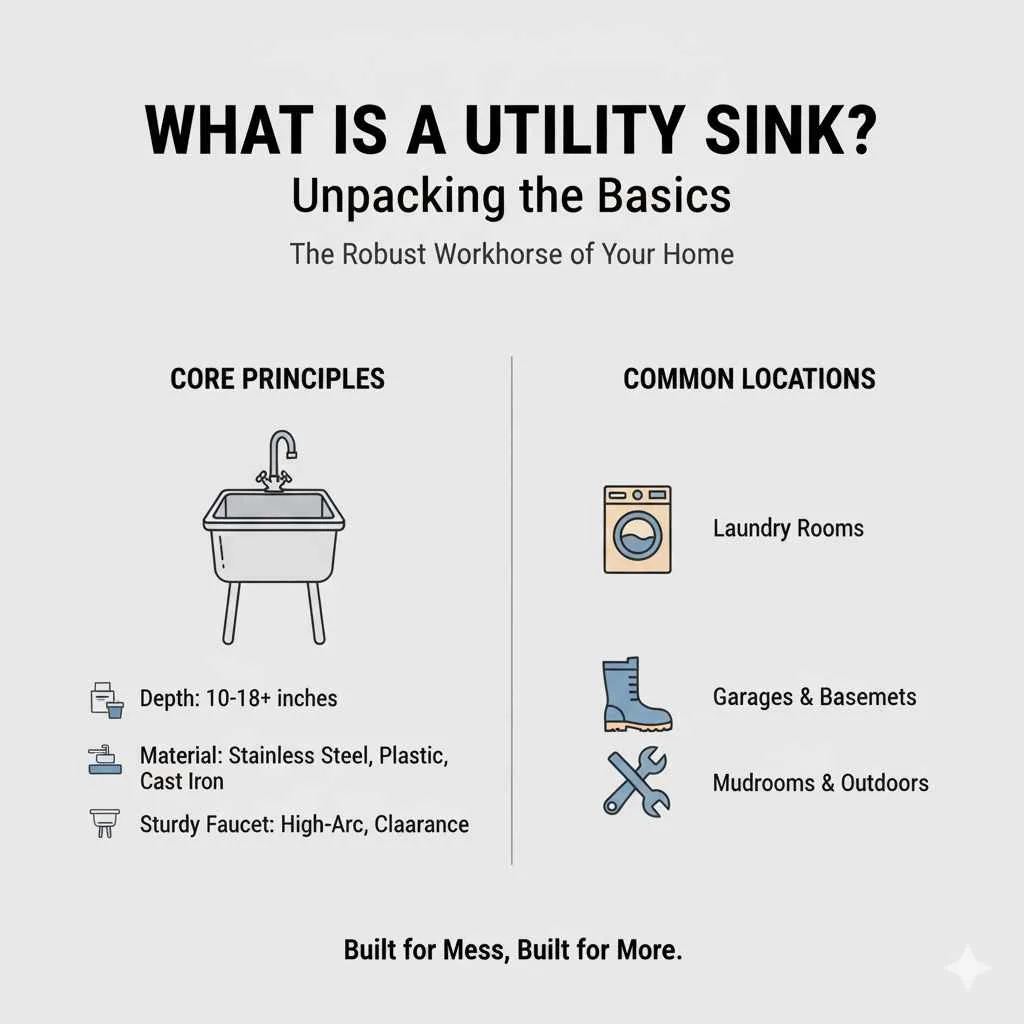
At its core, a utility sink is a deep, durable basin specifically designed for utility purposes. Think of it as the robust, no-fuss cousin to your elegant kitchen or bathroom sinks. These sinks are built to withstand rough use, making them ideal for tasks that might be too messy or abrasive for more delicate fixtures.
They are typically made from sturdy materials like stainless steel, heavy-duty plastic (polypropylene), or cast iron coated with enamel. Their size and depth are key features, allowing them to hold large volumes of water and accommodate bulky items. You’ll frequently find them installed in areas where functionality trumps high-end aesthetics, such as laundry rooms, garages, basements, mudrooms, and sometimes even outdoors.
Key Characteristics of a Utility Sink:
- Depth: Significantly deeper than standard kitchen or bathroom sinks, measuring anywhere from 10 to 18 inches or more. This depth prevents splashes and makes it easier to immerse larger items.
- Material: Constructed from robust materials like stainless steel, heavy-duty plastic, or enameled cast iron to resist wear and tear.
- Sturdy Faucet: Usually paired with a high-arc, utility-style faucet that offers good clearance for filling buckets and other large containers.
- Simple Design: Focuses on practicality and durability rather than elaborate decorative features.
Why You Need a Utility Sink: The Practical Magic
You might be wondering, “Why bother with a special sink when I have perfectly good ones already?” The answer lies in the sheer utility and convenience a dedicated utility sink provides. It’s about protecting your other fixtures, simplifying messy jobs, and adding a layer of practicality to your home that you’ll quickly come to rely on.
Imagine washing muddy gardening tools without caking your kitchen sink in dirt. Or perhaps bathing a large dog without worrying about fur clogs or water spillage. A utility sink handles these tasks with ease, keeping your primary living spaces cleaner and less prone to damage. It’s an investment in making your home life run more smoothly.
Everyday Tasks Made Easier:
- Laundry Room Helper: Perfect for pre-treating stains on clothes, hand-washing delicate items, or soaking heavily soiled garments.
- Gardening Hub: Rinse off dirty tools, wash harvested vegetables, or clean muddy boots before they track dirt through the house.
- Pet Pampering Station: A comfortable and contained space for washing pets of all sizes, especially useful for older or larger animals.
- Craft and Hobby Zone: Clean paintbrushes, mix plaster, or wash out messy art supplies without worry.
- Garage and Workshop Essential: Ideal for cleaning greasy hands, degreasing parts, or rinsing out paint cans.
- General Cleaning Tasks: Fill heavy buckets with ease for mopping floors or cleaning large surfaces.
A Brief History and Evolution of the Utility Sink
The concept of a dedicated basin for household chores isn’t new. Early homes often featured rudimentary sinks or troughs for washing and cleaning. As plumbing technology advanced, these evolved into more recognizable fixtures.
The utility sink, as we know it today, gained popularity in the early to mid-20th century with the rise of specialized laundry rooms and basements becoming common living spaces. Initially, they were purely functional, often made of simple cast iron or concrete. Over time, materials like stainless steel and durable plastics emerged, offering more variety and improved performance.
Today, utility sinks are not just about function; designers are recognizing their potential in creating stylish and organized utility spaces. While still prioritizing durability, modern utility sinks can also add a touch of industrial chic or minimalist design to a home. Their role has expanded beyond the purely utilitarian to becoming an integral part of a well-designed, functional home.
Types of Utility Sinks: Materials and Styles
When you’re looking for a utility sink, you’ll notice they come in a few different material options, each with its own set of pros and cons. Understanding these differences can help you choose the best fit for your needs and budget.
Material Breakdown:
| Material | Pros | Cons | Best For |
|---|---|---|---|
| Stainless Steel | Durable, stain-resistant, easy to clean, modern look, good for heavy use. | Can scratch, may dent if a very heavy object is dropped in it, can be more expensive initially. | High-traffic laundry rooms, garages, workshops. |
| Polypropylene (Heavy-Duty Plastic) | Lightweight, affordable, resistant to many chemicals, easy to install, won’t rust or chip. | Can be scratched or stained by harsh chemicals, may not withstand extreme heat as well as metal, can sometimes look less premium. | Budget-conscious homeowners, areas with frequent chemical use, DIY installations. |
| Enamel-Coated Cast Iron | Extremely durable, heavy-duty, retains heat well (keeping water warmer longer), classic look. | Very heavy, can chip if a heavy object is dropped on it (exposing the cast iron to rust), more expensive, requires strong mounting. | Serious DIYers, rustic or traditional aesthetics, areas where durability is paramount. |
| Solid Composite/Resin | Durable, resistant to scratches and stains, available in various colors, relatively lightweight. | Can be more expensive than plastic, quality can vary between brands. | Modern utility spaces, homeowners looking for more aesthetic options. |
Common Styles:
- Freestanding: These sinks sit on their own legs or a pedestal, offering flexibility in placement. They are very common in garages and basements.
- Wall-Mounted: Attached directly to the wall, these save floor space and are easier to clean underneath. They are great for smaller utility areas.
- Top-Mount (Drop-in): These sinks have a rim that rests on the countertop, making them easy to install. They are a popular choice for laundry rooms.
- Under-Mount: Less common for utility sinks than other types, this style is mounted beneath the countertop, offering a sleek look but can be harder to clean around the rim.
Installation Considerations: DIY vs. Professional
Deciding on a utility sink is the first step; installing it is the next. For many homeowners, especially those new to DIY, this might seem a bit daunting. The good news is that utility sinks, particularly freestanding or top-mount plastic ones, can often be manageable DIY projects. However, some situations might call for a professional plumber.
DIY Installation: What You Might Need
If you’re comfortable with basic plumbing and tools, you might be able to tackle the installation yourself. This can be a rewarding way to save money and gain confidence!
- Tools: Adjustable wrenches, pipe wrench, P-trap kit, plumber’s tape, caulk gun, level, screwdriver set, safety glasses, possibly a drill.
- Materials: The utility sink itself, faucet, drain assembly, supply lines, a P-trap, and possibly mounting hardware or a frame.
- Workspace Considerations: Ensure you have access to hot and cold water lines and a drain pipe. Venting is also crucial for proper drainage, so make sure your existing setup is adequate. For a good overview of plumbing basics, you can refer to resources like The U.S. Green Building Council’s guidance on plumbing systems, which can provide foundational knowledge.
When to Call a Professional:
- Complex Plumbing: If you need to add new water lines, drain pipes, or venting, it’s best to hire a plumber.
- Heavy Sinks: Installing a cast iron sink requires significant strength and proper support.
- Uncertainty: If you’re unsure about any part of the process or encounter unexpected issues, a professional can ensure the job is done correctly and safely, preventing leaks or damage.
- Building Codes: Local building codes may require certain plumbing work to be done by licensed professionals.
Adding Style to Your Utility Space
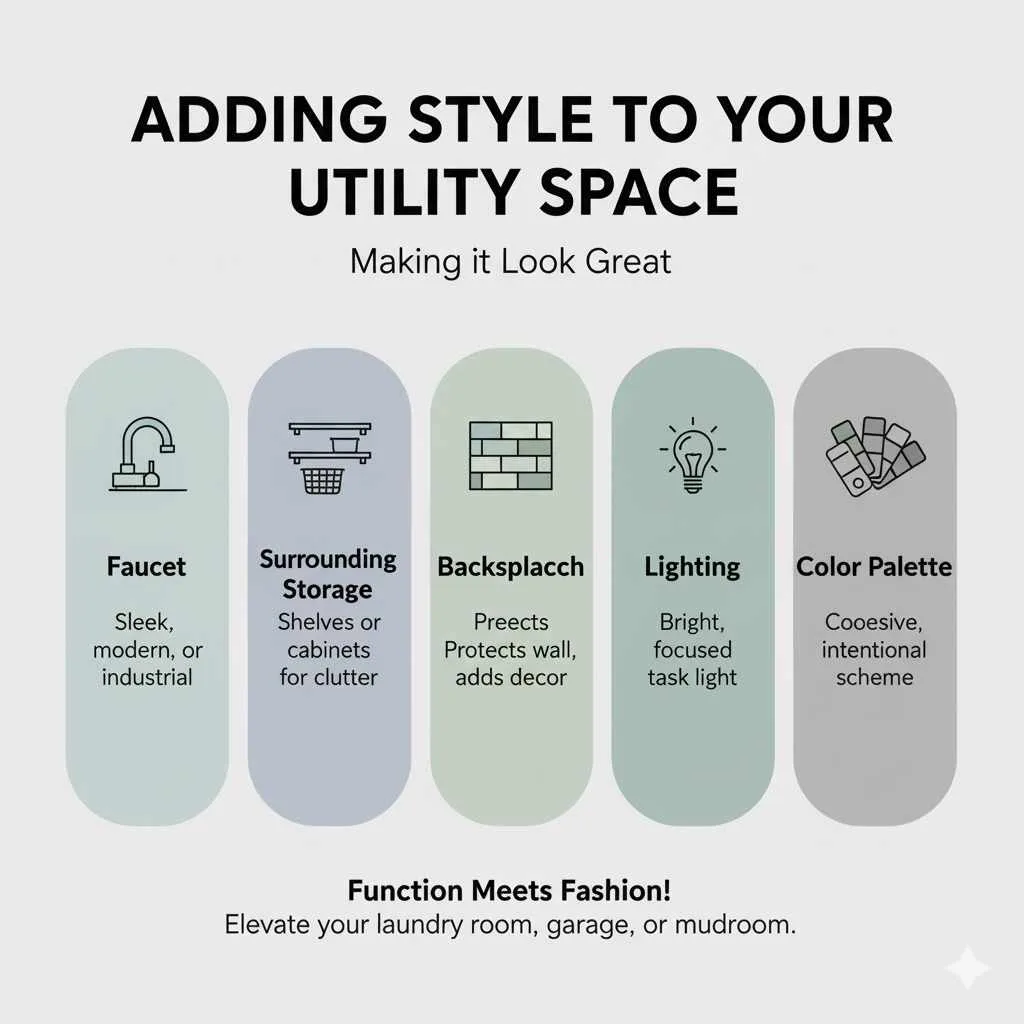
Utility spaces don’t have to be purely utilitarian! With a little creativity, you can make your laundry room, garage, or basement both functional and attractive. The utility sink can actually become a stylish focal point or a seamless part of the overall design.
Making it Look Great:
- Faucet Choice: Opt for a faucet with a sleek, modern design or a classic, industrial look that complements your space. Many utility sinks come with pre-drilled holes for easy faucet installation.
- Surrounding Storage: Install shelving or cabinets around the sink. Closed storage can hide cleaning supplies, while open shelves can display attractive baskets or plants.
- Backsplash: A simple tile backsplash behind the sink not only protects the wall from splashes but also adds a decorative touch.
- Lighting: Good lighting is essential in utility areas. Consider adding task lighting directly over the sink.
- Color Palette: Even in a garage, a cohesive color scheme can make the space feel more intentional and welcoming.
For inspiration on organizing and styling utility spaces, check out interior design blogs and Pinterest. You’ll be amazed at how stylish these functional areas can become! Remember, even a well-organized tool rack or a nice-looking soap dispenser can elevate the space.
Frequently Asked Questions (FAQ)
Q1: What is the main purpose of a utility sink?
A utility sink is designed for heavy-duty, messy tasks that you wouldn’t want to perform in your kitchen or bathroom sink. Think washing muddy boots, cleaning paintbrushes, bathing pets, or filling large buckets.
Q2: Are utility sinks expensive?
The cost varies greatly depending on the material and brand. Basic plastic utility sinks can be quite affordable, often starting under $100. Stainless steel and cast iron models can range from $200 to $500 or more, not including the faucet and installation costs.
Q3: Can a utility sink be installed in a finished room like a laundry room, or is it only for basements/garages?
Absolutely! Utility sinks are very common and highly practical in laundry rooms and mudrooms. They are also increasingly being integrated into stylish designs in other areas where a deep, durable basin is needed.
Q4: How do I clean a utility sink?
Cleaning methods depend on the material. For stainless steel and plastic, mild dish soap and water are usually sufficient. For tougher stains or tougher materials like cast iron, you might need a specialized cleaner or a paste of baking soda and water. Always check the manufacturer’s recommendations for specific cleaning agents to avoid damage.
Q5: What is the typical depth of a utility sink?
Utility sinks are significantly deeper than standard sinks. They typically range from 10 to 18 inches deep, sometimes even more, to accommodate larger items and prevent splashes.
Q6: Do I need a special type of faucet for a utility sink?
While you can use a standard faucet, utility-style faucets are often recommended. These typically have a high arc for better clearance and sometimes include a pull-out sprayer, making it easier to fill buckets and clean the sink basin. Many utility sinks come with pre-drilled holes to accommodate these faucets easily.
Q7: Can I use a utility sink outdoors?
Yes, some utility sinks are designed for outdoor use, particularly those made from durable plastics or stainless steel that can withstand various weather conditions. Ensure proper drainage and consider protecting it during harsh weather if it’s not explicitly rated for outdoor exposure.
Conclusion
So, there you have it – a complete look at the versatile and invaluable utility sink! We’ve explored what it is, why it’s such a practical addition to any home, and even touched on how to make it a stylish part of your decor. From protecting your main sinks to making challenging chores a breeze, this humble fixture is a true unsung hero.
Whether you’re tackling a weekend DIY project, managing a busy household, or just want to simplify your cleaning routine, a utility sink offers a powerful solution. It’s a smart investment in efficiency and comfort, proving that sometimes, the most functional items can also bring a sense of order and ease to our lives.
Don’t underestimate the power of having the right tool for the job – and in this case, the right sink! With the knowledge gained from this guide, you can confidently choose, install, and even style a utility sink that perfectly suits your needs and makes your home tasks feel a little less like chores and a lot more manageable. Happy homemaking!
Products related to this article
Sponsored / affiliate links. As an Amazon Associate I earn from qualifying purchases. I may earn additional commission from eligible campaigns.