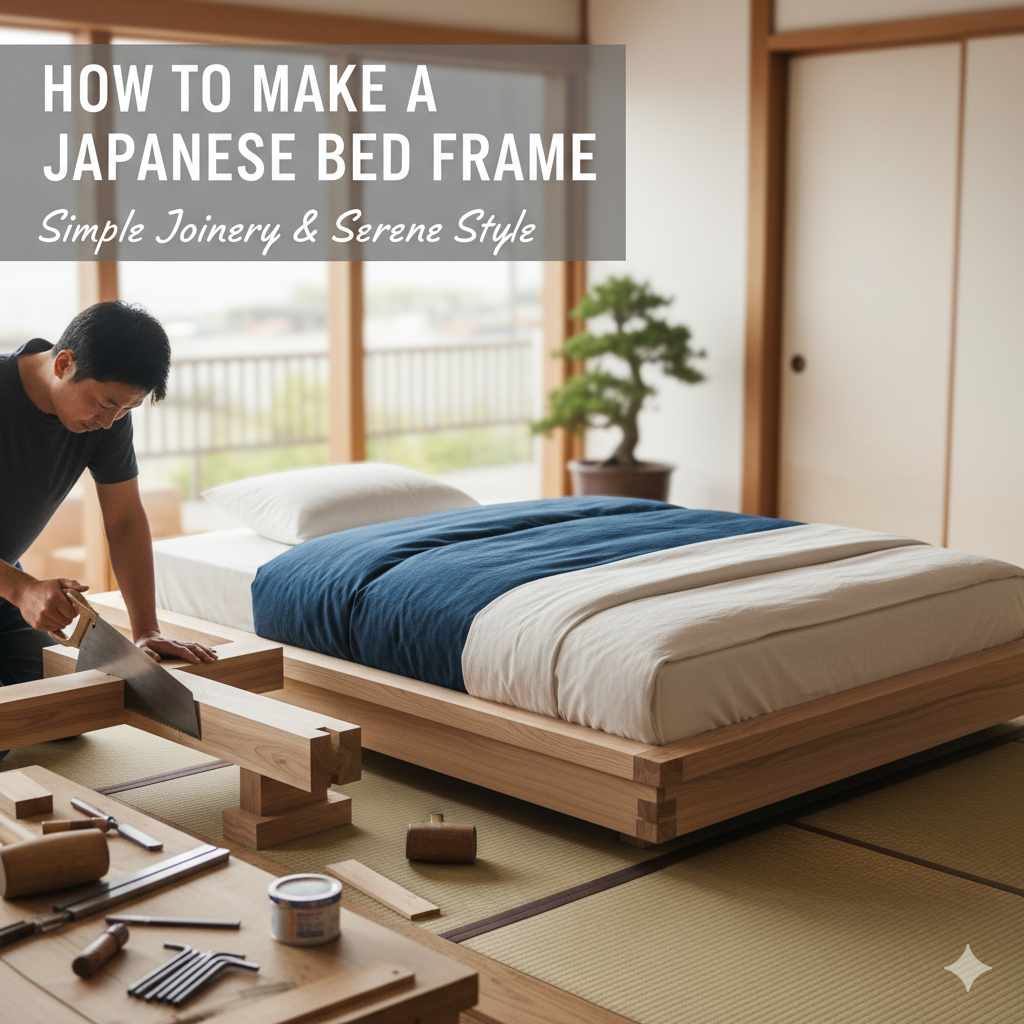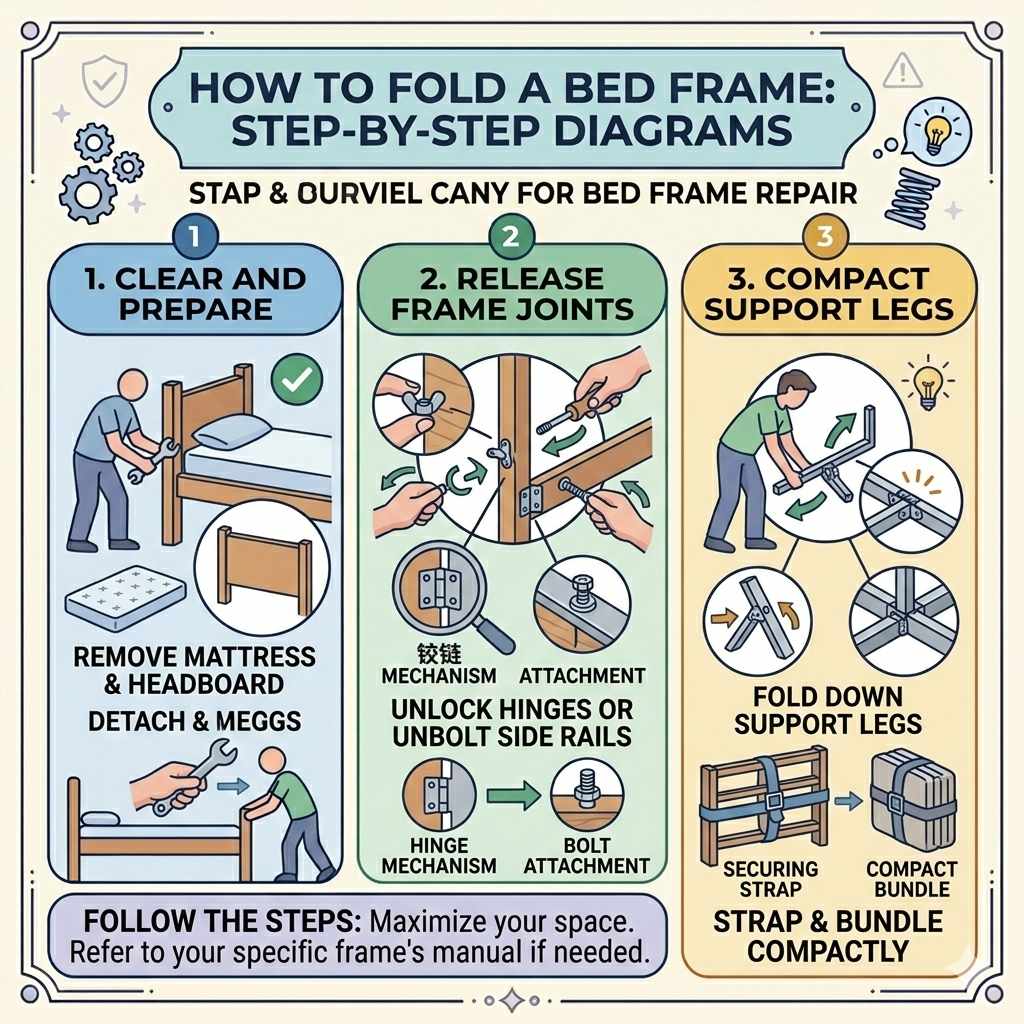

A platform bed frame gives your mattress direct support using a solid or slatted base, eliminating the need for a box spring. They sit lower to the ground, offer easy assembly, and create a clean, modern look perfect for any bedroom setup.
When you’re shopping for a new bed, the sheer number of options can feel overwhelming. You might hear terms like “box spring,” “foundation,” and “platform,” and wonder what the fuss is all about. If you’ve ever struggled with assembling a complicated frame or felt like your mattress wasn’t supported quite right, this guide is for you. We are going to cut through the confusion and explain exactly what is a platform bed frame in simple terms. Imagine getting a sturdy, stylish bed that sets up easily and makes your mattress feel perfect—that’s what we’ll cover. Get ready to boost your bedroom confidence!
Understanding the Platform Bed Frame: What Makes It Different?
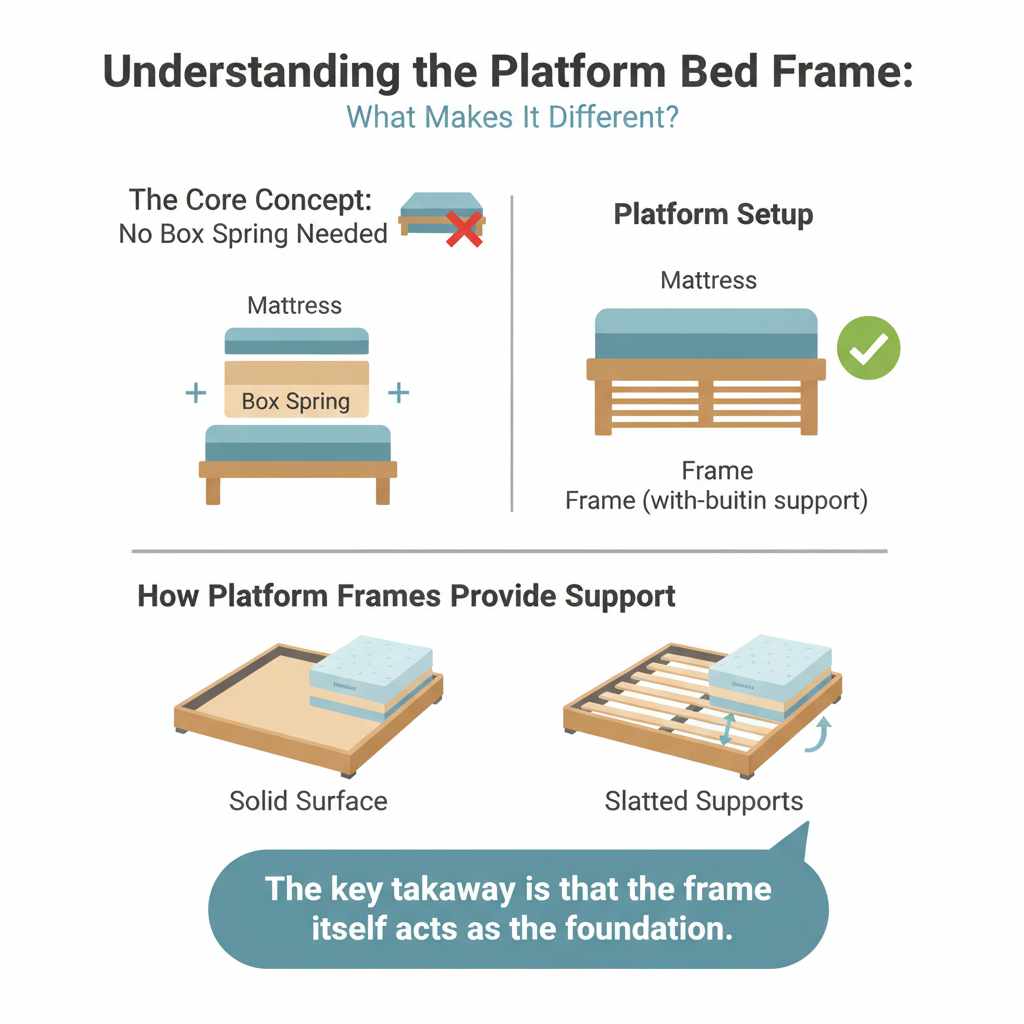
Think of a platform bed frame like a solid, built-in foundation for your mattress. Unlike older bed styles, these frames do not require an extra piece of bedding support, like the bouncy box spring you might remember from years past.
The Core Concept: No Box Spring Needed
The main selling point of a platform bed is its built-in support system. This eliminates the “two-piece” system (frame plus box spring) common in traditional beds.
Traditional Setups: Frame + Box Spring + Mattress.
Platform Setup: Frame (with built-in support) + Mattress.
This streamlined approach saves height, space, and a trip to the store for an extra component. It keeps things simple, much like using the right jumper cables makes starting your car easy.
How Platform Frames Provide Support
A platform frame supports your mattress using one of two main methods built directly into the bed structure:
- Solid Surface: This is a completely flat, usually wooden or composite base spanning the frame. It offers dense, uniform support, which is excellent for memory foam or latex mattresses that need consistent contact to perform well.
- Slatted Supports: More common are sturdy wooden or metal slats that run across the frame’s width. These slats hold the mattress up while allowing air to circulate underneath—a big win for keeping your mattress fresh.
The key takeaway is that the frame itself acts as the foundation.
Why Choose a Platform Bed Frame? Top Benefits Explained
Switching to a platform bed frame is a popular choice for modern homeowners and apartment dwellers. The advantages go beyond just looks; they impact comfort, storage, and even your wallet.
1. Superior Mattress Support
Proper support dramatically extends the life of your mattress and improves sleep quality. If you’ve ever felt like your mattress was sagging in the middle, a box spring might have been failing, or you simply needed better structure.
Platform beds offer even pressure distribution. This is crucial because many modern mattresses (especially foam types) are designed to sit on a flat, non-bouncy surface to maintain their shape and provide the intended comfort level.
2. Modern, Minimalist Aesthetic
Platform beds are famous for their clean lines and low profile. They give the bedroom a sleek, contemporary, or sometimes even Japanese-inspired feel.
They naturally sit lower to the ground than traditional beds.
They often feature integrated headboards or clean, simple frames that don’t visually clutter the room.
This simplicity makes them highly versatile. Even if your style changes later, the basic platform frame usually fits right in.
3. Built-in Storage Potential
Because platform frames rise from the floor in a defined structure, many models incorporate clever storage solutions underneath. This is a lifesaver in smaller homes or apartments where closet space is limited.
Consider the convenience—you don’t need to buy a separate low-profile storage unit; it’s built right in! This feature is often praised by people looking to maximize every square inch of their space, similar to selecting a vehicle with built-in roof racks for easy gear transport later on.
Types of Integrated Storage
- Drawers Built-in: Some high-end or purpose-built frames include drawers seamlessly integrated into the side rails.
- Under-Bed Clearance: Even simple platform frames usually offer several inches of open space underneath, perfect for sliding in under-bed storage bins (e.g., for seasonal clothes or extra linens).
4. Cost and Assembly Simplicity
By removing the box spring from your required purchases, you save money immediately. Furthermore, platform frames are generally designed for simpler assembly. They often involve fewer heavy, unwieldy pieces compared to traditional heavy frame-and-headboard sets.
If you find yourself staring at a pile of parts, remember that most good platform frames rely on basic connections—think sturdy bolts and simple rail connections—making DIY setup manageable.
Platform Bed Frame vs Traditional Bed Frame: A Clear Comparison
To really nail down what is a platform bed frame, let’s compare it directly against the standard setup most of us grew up with.
| Feature | Platform Bed Frame | Traditional Bed Frame (Box Spring Style) |
|---|---|---|
| Support Requirement | None needed; built-in slats or solid base. | Requires a separate box spring or foundation. |
| Height | Generally lower profile. | Taller due to the height of the box spring. |
| Aesthetic | Modern, clean, minimalist. | Can be more ornate or classic; bulky appearance. |
| Mattress Compatibility | Best for memory foam, latex, hybrid. | Ideal for innerspring/coil mattresses. |
| Assembly Effort | Usually simpler and streamlined. | Often involves assembling side rails, headboard, and then placing the box spring. |
As you look at this chart, notice how the platform design focuses on efficiency. You get the support structure integrated, which simplifies the whole setup process—no need to worry about mismatched spring heights or compatibility issues.
Compatibility with Mattress Types
This is a vital point, especially when investing in a new, premium mattress. Many newer, comfortable mattresses require a platform support rather than a box spring.
Why? Box springs use coiled metal springs that absorb shock. Foam or hybrid mattresses need firm, consistent contact to prevent sinking or premature wear. If you use a foam mattress on an old, bouncy box spring, you void warranties and reduce comfort.
For beginners, always check your mattress warranty! Many manufacturers, like those recommended by Consumer Reports for quality testing, specify foundation requirements. For example, organizations like the Better Sleep Council frequently note that foam mattresses need slat spacing no more than 2.75 inches apart for proper support.
The Anatomy of a Platform Bed Frame: Key Components
Understanding the parts helps when you are shopping, assembling, or even making simple repairs.
1. The Frame (Perimeter)
This is the outer structure that holds everything together. It defines the overall look of the bed. Materials generally include wood (like pine or manufactured wood), metal, or a combination.
2. The Support System (The “Platform”)
This is the crucial part that replaces the box spring.
Slats vs. Solid Base
- Wooden Slats: These are the most common. They need to be spaced relatively closely. Wider gaps risk mattress sagging. Look for slats that are at least 3 inches wide for good stability.
- Metal Grid/Mesh: Some modern frames use a metal mesh base, which offers fantastic ventilation and rigidity.
- Plywood/MDF Base: Less common in DIY kits, some styles use a large, solid sheet of material for 100% coverage.
3. Legs and Clearance
The legs dictate how high the mattress sits off the floor. Platform beds usually have shorter legs than traditional frames because they don’t need to accommodate an extra box spring layer. This lower height is what gives them that sleek, ground-hugging profile. The clearance underneath is what determines your storage potential.
4. Headboard and Footboard (Optional)
Many platform frames come as simple bases, but you can often find matching, integrated headboards. Some headboards are upholstered for comfort, while others are simple wood panels that match the frame’s minimalist style.
Choosing the Right Platform Bed Frame: A Beginner’s Checklist
Don’t rush into buying the first attractive frame you see. Think about your bedroom, your existing items, and your needs first.
Step 1: Measure Twice, Buy Once
You need to know exactly how much space you have.
Measure the length and width of your room. Don’t forget to leave space to walk around or open drawers.
Know your mattress size (Twin, Full, Queen, King, Cal King). A Queen frame must match a Queen mattress.
Step 2: Assess Your Mattress Needs
This is non-negotiable for comfort and warranty:
Memory Foam/Latex: You need closely spaced slats (usually 2–3 inches apart) or a solid base. Check the mattress manufacturer’s specific requirements.
Hybrid/Innerspring: These can often handle slightly wider slat spacing (up to 3.5 inches), but closer spacing is always safer.
If the slats on a frame you love are too far apart, you can always purchase inexpensive, long wooden boards (like 1x4s) from a hardware store to lay perpendicular across the existing supports, effectively closing the gap. This is a common, affordable hack.
Step 3: Decide on Storage
Do you need the space underneath?
If yes, look specifically for “platform storage beds” or measure the available clearance on standard models before purchase.
If no, you might prefer a frame that sits very low to the ground for the lowest aesthetic profile.
Step 4: Material and Durability Check
A bed frame is an investment. You want it to last longer than a car’s basic oil inspection interval!
Durability Ratings for Frame Materials
| Material Type | Pros | Cons | Durability Expectation |
|---|---|---|---|
| Solid Hardwood (Oak, Maple) | Extremely strong, beautiful finish. | Expensive, heavy to move. | Very High (Decades) |
| Metal (Steel/Iron) | Great strength, slim profile, easy to clean. | Can sometimes squeak if bolts loosen. | High (Many Years) |
| Manufactured Wood (MDF/Particle Board) | Most affordable, lightweight. | Prone to water damage, less sturdy slat attachment points. | Moderate (5–10 Years) |
For beginners, a solid metal frame is often the best balance of cost, strength, and ease of assembly. They rarely squeak if assembled correctly!
Putting It Together: A Simple Platform Bed Assembly Overview
While assembly varies by model, most platform beds follow a very similar, straightforward process. This is not like complex engine repair; it’s more like assembling high-quality interlocking furniture. (Always refer to your specific manual, but this is the general flow.)
Tools You’ll Usually Need (Keep it Simple)
You rarely need specialized tools. Think of the basic kit you’d use for tightening loose screws on your kitchen cabinets.
- Allen Wrench (Usually included in the box!)
- Phillips Head Screwdriver
- Rubber Mallet (Helpful, but optional, for tapping pieces into place)
The Step-by-Step Assembly Process
Follow these general steps, paying attention to which side faces up!
- Lay Out Components: Unpack everything. Check the parts list against what you actually received. Make sure all your screws and wooden pieces are present.
- Build the Side Rails: Attach the two long side rails to the headboard and footboard pieces using the provided bolts and Allen wrench. Ensure all connections are firm but don’t overtighten yet.
- Install the Support Beams: Many frames have a central support beam that runs from the headboard to the footboard. Attach this beam now. This beam prevents the slats from bowing in the middle.
- Place the Slats: Lay the support slats across the frame. If using fixed slats, they may attach with small screws or clips into pre-drilled holes on the side rails. If they lie loose, ensure the gap between each slat is consistent—this is where that 3-inch rule comes in!
- Final Tightening: Once everything is aligned and the slats are in place, go back and firmly tighten all the major bolts attaching the frame rails. This step prevents future wobbling and squeaking noises.
- Position and Test: Carefully move the assembled frame into its final spot in the bedroom. Place your mattress on top. Give it a good press down to ensure the support system holds steady.
Platform Beds and Warranty Confidence
Just as you should know what type of oil your car takes, you must know what support your mattress requires. Using the wrong foundation can cause significant wear and tear, leading to expensive replacements.
When you use a platform bed—which provides the firm, consistent support that modern foam and hybrid mattresses demand—you are protecting your investment. Manufacturers often explicitly state that placing these mattresses on bouncy box springs voids the warranty. A platform bed keeps you safely in compliance.
For more official guidelines on best practices for bedding support, resources from centers focused on national building standards can offer helpful context on material use and structural integrity. Always err on the side of providing firm, even support.
Troubleshooting Common Platform Bed Issues (Keeping it Simple)
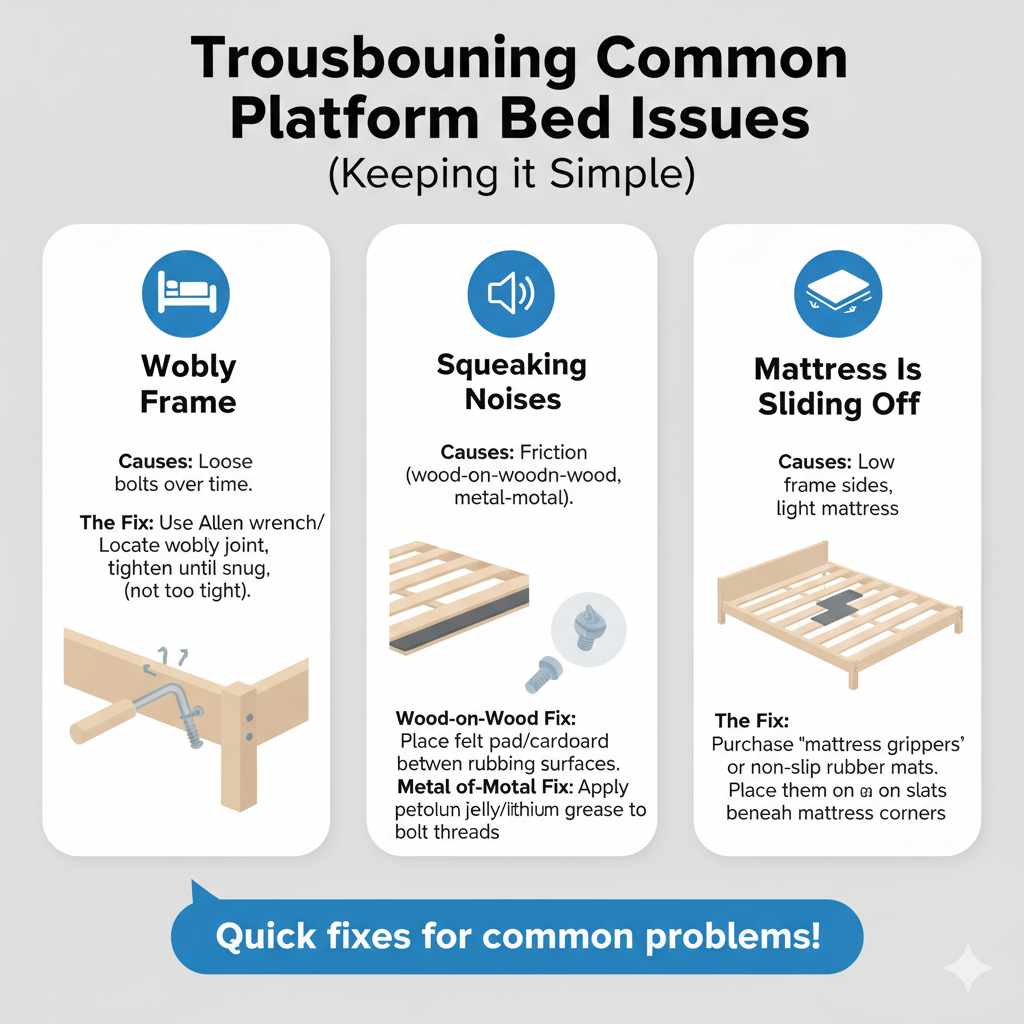
Even the best-designed systems can sometimes present minor snags. Here are quick fixes for the most common rookie problems.
Wobbly Frame
This almost always means a bolt has loosened over time or was not tightened sufficiently during the initial setup.
- The Fix: Get your Allen wrench and screwdriver. Gently shake the frame to locate the wobbly joint. Tighten that bolt until it’s snug. Don’t crank it down until metal protests, but make it firm.
Squeaking Noises
Squeaks come from friction—wood rubbing on wood, or metal rubbing on metal.
- Wood-on-Wood Rubbing: Find the rubbing point (usually where slats meet the rail). Place a small piece of felt furniture pad or even a folded piece of cardboard between the surfaces.
- Metal-on-Metal Rubbing: This usually happens at the bolts. Take the bolt out, apply a tiny dab of petroleum jelly or lithium grease to the threads, and reinsert it. This lubricates the joint and stops the friction noise.
Mattress Is Sliding Off
This happens if the frame sides are too low or the mattress is exceptionally light (like a pure latex mattress).
- The Fix: If your frame has side rails that aren’t raised high enough, you can purchase inexpensive “mattress grippers” or non-slip rubber mats made for rugs or sofas and place them directly on the slats beneath the mattress corners.
Frequently Asked Questions (FAQ) About Platform Beds
Q1: Do I really need to throw away my box spring if I get a platform bed?
A: Yes, absolutely. Platform beds are designed to replace the box spring entirely. Putting a box spring on a platform bed creates too much height and adds bouncy support that foam or modern hybrid mattresses are specifically designed not to use.
Q2: Are platform beds usually difficult to assemble?
A: No. They are generally much easier than traditional metal frames. Because they use simple rail-and-slat construction, assembly usually takes one or two adults about 30 minutes to an hour, relying mostly on simple bolted connections.
Q3: Can I put a standard innerspring mattress on a platform bed frame?
A: Yes, you can. Most traditional innerspring mattresses work perfectly fine on a platform bed, as long as the slats are spaced properly (generally no more than 3–3.5 inches apart). However, keep in mind that you won’t need a box spring anymore. The platform itself provides all the support required. If your mattress feels too firm after switching, it’s likely because you removed the bounce of the old box spring—which is completely normal.
Q4: How much weight can a platform bed frame hold?
A: Weight capacity depends on the material and construction. A solid metal platform frame can often support 800–1,500 pounds (including mattress and occupants), while lower-cost manufactured wood frames may support less. Always check the manufacturer’s listed weight rating before purchasing. If you’re using a heavier mattress (like a thick hybrid or latex model), choose a frame with a reinforced center support beam and multiple legs for extra stability.
Q5: Will a platform bed make my mattress feel firmer?
A: In many cases, yes—but that’s not a bad thing. Because platform beds provide a solid, even surface without spring flex, your mattress performs exactly as it was designed to. If you were previously using an old or worn-out box spring, switching to a platform can actually improve comfort by eliminating sagging and uneven support. The mattress may feel slightly firmer at first, but you’re getting more consistent support across the entire surface.
Conclusion: Is a Platform Bed Frame the Right Choice for You?
By now, you can see that a platform bed frame isn’t just a trendy piece of furniture—it’s a smart, practical foundation for modern sleep. With built-in support that eliminates the need for a box spring, a lower profile that enhances your room’s style, and options for added storage, platform beds simplify both setup and everyday living.
What makes them truly stand out is their balance of function and design. You get consistent mattress support, easier assembly, fewer moving parts, and a clean, streamlined look that fits nearly any bedroom aesthetic. Whether you’re upgrading to a memory foam mattress, downsizing to a smaller space, or simply wanting a sturdier foundation, a platform frame delivers dependable performance without unnecessary extras.
Choosing the right frame comes down to understanding your mattress needs, measuring your space carefully, and selecting durable materials that match your lifestyle. Once properly assembled and maintained, a quality platform bed can provide years of quiet, stable support.