

What Does AMC TV Stand For? It’s Simpler Than You Think!
When you see “AMC” on your TV guide, you might wonder what those letters actually mean. Don’t worry, it’s not some complicated acronym. AMC TV stands for “American Movie Classics.” It’s a channel known for its curated selection of beloved films and its success with original hit shows. If you’re curious about the history behind this popular network and what makes it tick, you’re in the right place!
Have you ever settled in to watch a classic movie or a gripping drama on AMC, only to pause and think, “American Movie Classics – that makes sense!”? It’s easy to get caught up in the great movies and original series that AMC offers, and sometimes the simple things, like what the letters stand for, slip our minds. This channel has a rich history, evolving from its early days focused on film preservation and exhibition to becoming a major player in original programming.
In this guide, we’ll take a friendly and straightforward look at the origins of AMC TV. We’ll explore how it started, what its goals were, and how it grew into the network we know and love today. You’ll learn about the types of content that define AMC and why it remains a favorite for so many viewers. Let’s dive in and uncover the story behind American Movie Classics!
The Origins of AMC: From Film Preservation to Blockbuster Hits
The story of AMC TV is quite fascinating, showing a real evolution in the broadcasting landscape. It all began with a mission to preserve and celebrate cinematic history.
The Early Days: A Nod to Cinematic Heritage
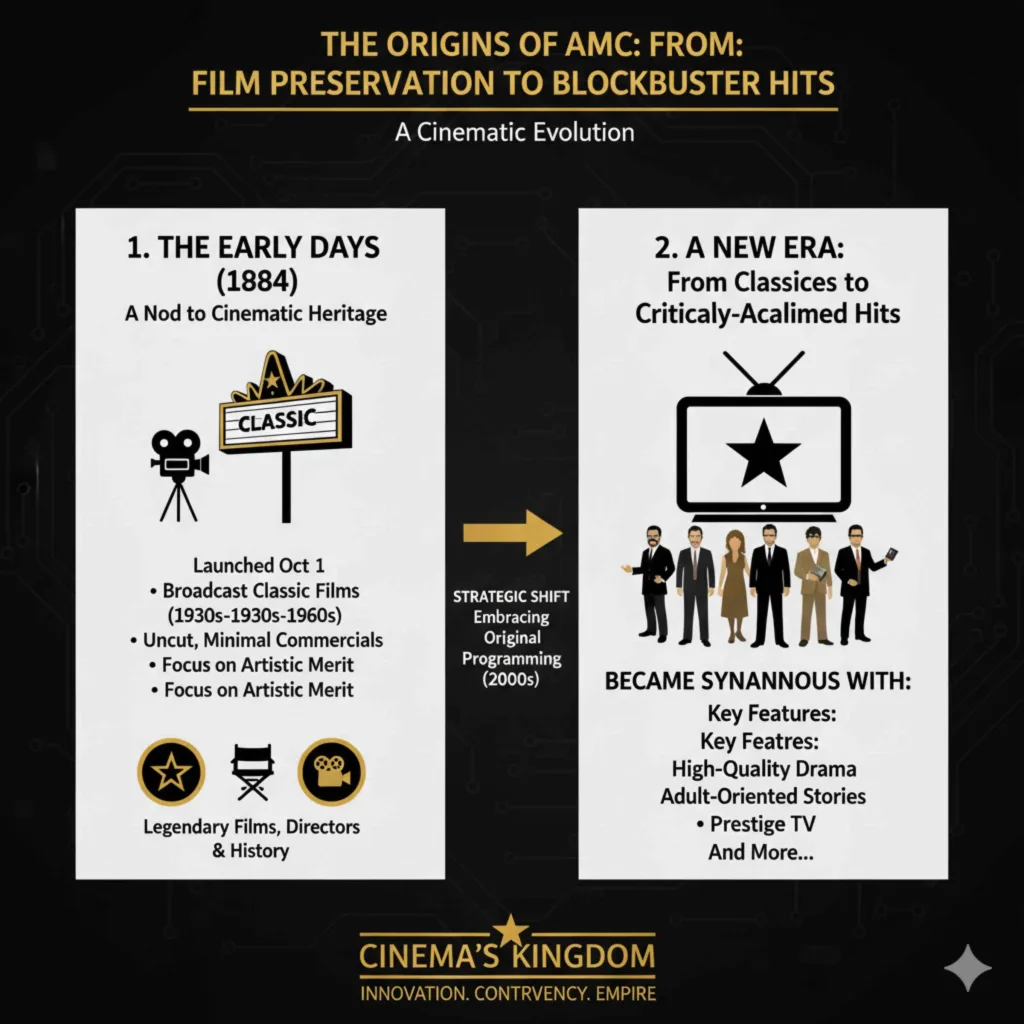
AMC, or American Movie Classics, first launched on October 1, 1984. In its infancy, the channel had a very specific goal: to broadcast classic films from Hollywood’s Golden Age. The idea was to show movies the way they were meant to be seen, often uncut and without excessive commercial breaks, focusing on artistic merit and cultural significance. This was a stark contrast to many other channels that were showing more contemporary or varied content.
When AMC first started, its programming often included:
Films from the 1930s to the 1960s.
Works by legendary directors and actors.
Behind-the-scenes documentaries and interviews about filmmaking.
Special presentations focusing on specific genres or cinematic movements.
The focus was on quality and appreciation for movies as an art form. This approach resonated with film buffs who were eager to revisit cinematic treasures and discover films they might have missed. It was a channel for those who truly loved movies and wanted to see them treated with respect.
A Shift in Strategy: Embracing Original Programming
Over the years, the television landscape changed dramatically. Viewers had more choices than ever, and simple reruns of old movies weren’t always enough to capture a wide audience. Recognizing this, AMC began a strategic shift. While still showcasing classic films, the network started investing heavily in original programming. This move proved to be a game-changer, propelling AMC into a new era of success and critical acclaim.
This transition wasn’t immediate, but it became increasingly evident in the early 2000s. The network started producing its own series, aiming for high-quality, adult-oriented dramas that could compete with other prestige cable channels. This strategy paid off handsomely, and AMC became synonymous with some of the most talked-about shows on television.
What Kind of Shows and Movies Can You Expect on AMC?
The programming on AMC TV reflects its journey from a classic film channel to a powerhouse of original content. While its roots are in celebrating cinema, its present and future are characterized by compelling original series and a diverse movie library.
The Enduring Appeal of Classic Films
Even with its success in original programming, AMC hasn’t completely abandoned its original mission. You can still find a solid selection of classic movies that air regularly on the channel. These often include:
Iconic films from various eras and genres.
Works that have significantly impacted filmmaking.
Movies that are considered essential viewing for any film lover.
The way these films are presented also often aims to highlight their historical and artistic value, sometimes with introductions or discussions about their context.
AMC’s Original Series: A New Definition of Quality Television
AMC’s foray into original series production has been nothing short of revolutionary for the network. It became known for taking risks on ambitious, character-driven dramas that often explored darker themes and complex narratives. These shows attracted critical praise and a massive following, making AMC a household name for quality television.
Some of AMC’s most acclaimed original series include:
Mad Men: A look into the lives of Madison Avenue advertising executives in the 1960s. This show is celebrated for its writing, acting, and historical detail.
Breaking Bad: The story of a chemistry teacher who turns to manufacturing and selling methamphetamine to secure his family’s financial future after a cancer diagnosis. It’s widely regarded as one of the greatest television series of all time.
The Walking Dead: Based on the comic book series, this show follows a group of survivors in a post-apocalyptic world overrun by zombies. It became a massive cultural phenomenon.
Better Call Saul: A prequel and sequel series to Breaking Bad, focusing on the transformation of Jimmy McGill into the titular lawyer Saul Goodman.
These series, and others like Hell on Wheels and Turn: Washington’s Spies, have solidified AMC’s reputation for producing sophisticated and engaging television. The network often targets an adult audience with mature themes and intense storytelling.
Modern Blockbusters and Genre Films
Beyond its classic cinema roots and original hits, AMC also features a strong rotation of more recent blockbuster movies. You’ll often find popular films from various genres, including action, comedy, drama, and sci-fi, making the channel a go-to for movie nights. The specific films can vary depending on licensing agreements, but the mix ensures there’s usually something for everyone.
Understanding AMC’s Branding and Evolution
The name “American Movie Classics” perfectly encapsulates the channel’s initial vision. However, as the network grew and diversified its content, its branding has also evolved to reflect these changes.
From “Classics” to a Broader Appeal
Initially, the “Classics” in American Movie Classics emphasized its dedication to older, revered films. This was a clear differentiator in the early cable TV market. Viewers could trust AMC to deliver a reliable stream of cinematic gems.
As AMC moved into producing its own critically acclaimed original series, the “Classics” part of its name became less of a strict descriptor and more of a nod to its heritage. The network was no longer just about classic movies; it was about creating new, definitive television experiences. This strategic brand expansion allowed AMC to shed its niche image and attract a broader demographic of viewers who were looking for sophisticated, high-quality entertainment, whether it was a classic film or a brand-new drama.
The Impact of Success on Network Identity
The immense success of shows like Mad Men and Breaking Bad significantly shaped AMC’s identity. These series weren’t just popular; they were cultural touchstones that brought critical awards, industry recognition, and a significant influx of new viewers to the channel. This success allowed AMC to invest even more in ambitious projects, further cementing its status as a premium content provider.
The network’s logo and on-air promotions began to prominently feature its original series, balancing them with its film library. This dual focus—honoring cinematic history while forging a path in contemporary storytelling—is what defines AMC today. It’s a network that respects the past while creating the entertainment future.
Why is AMC TV So Popular?
The enduring popularity of AMC TV can be attributed to a combination of factors. It successfully bridges the gap between nostalgia for classic cinema and the demand for cutting-edge original content.
A Balanced Programming Strategy
One of the key reasons for AMC’s success is its balanced approach to programming. It caters to different tastes:
Film Aficionados: Those who love older movies can still find them here.
Drama Enthusiasts: Fans of critically acclaimed, character-driven dramas have a dedicated home.
General Movie Watchers: A steady stream of popular modern films keeps casual viewers engaged.
This diverse offering means that AMC has a broad appeal, attracting viewers who might not tune into a channel that exclusively shows old movies or a channel dedicated only to new releases.
Commitment to Quality Storytelling
Whether it’s a classic film or an original series, AMC has consistently prioritized quality. This means investing in strong writing, talented actors, skilled directors, and high production values. This commitment is evident in:
The depth and complexity of its original dramas.
The careful curation of its classic film library.
The overall viewing experience, aiming for a premium feel.
This dedication to excellence has built trust and anticipation among viewers, who know they can generally expect a high standard of entertainment from AMC.
Building a Brand That Resonates
AMC has effectively built a brand that evokes quality, intelligence, and engaging storytelling. The channel is often associated with sophisticated adult dramas and a deep appreciation for film. This brand identity helps it stand out in a crowded media landscape and attract viewers who are looking for more than just passive entertainment. It’s a destination for those who appreciate a well-crafted story.
Navigating Your TV Provider for AMC
Finding AMC on your television service is usually straightforward, but it can vary slightly depending on your cable, satellite, or streaming provider. Here’s a general guide to help you locate it.
Common Channel Numbers
AMC is a widely distributed channel, so it’s typically available on most major providers. While specific channel numbers can differ by region and provider, here are some common placements:
Dish Network: Often found on channels like 9409 (HD) and 9389 (SD).
DirecTV: Typically on channels 254 (HD through Choice XTRA and above) and 154 (SD).
Xfinity (Comcast): Channel numbers vary significantly by package and location but are often in the 300s (HD) and 100s (SD). For example, it might be on channels like 306 (HD) or 114 (SD).
Spectrum (Charter): Similar to Xfinity, channel numbers vary. It could be in the 200s (HD) or 30s (SD).
Tip: The easiest way to find the exact channel number for AMC on your service is to:
Check your provider’s on-screen TV guide.
Visit your TV provider’s official website and search their channel lineup.
Use your provider’s mobile app, which often includes a channel guide.
Streaming Services
If you don’t have traditional cable or satellite TV, you can often access AMC through live TV streaming services. These services bundle live channels that you can watch over the internet. Popular options that usually include AMC are:
Sling TV: Often available on Sling Orange and Sling Blue packages.
YouTube TV: Typically included in its comprehensive base package.
Hulu + Live TV: Generally part of its live TV subscription.
DIRECTV STREAM: Available on various of its live TV packages.
When considering a streaming service, always double-check which specific channels are included in each package to ensure AMC is present before subscribing.
AMC Theatres vs. AMC TV: What’s the Connection?
It’s a common point of confusion: is the AMC that shows movies on TV related to the AMC Theatres where you go to the movies? The short answer is yes, they share a common origin, but they are now separate entities.
Shared Roots, Divergent Paths
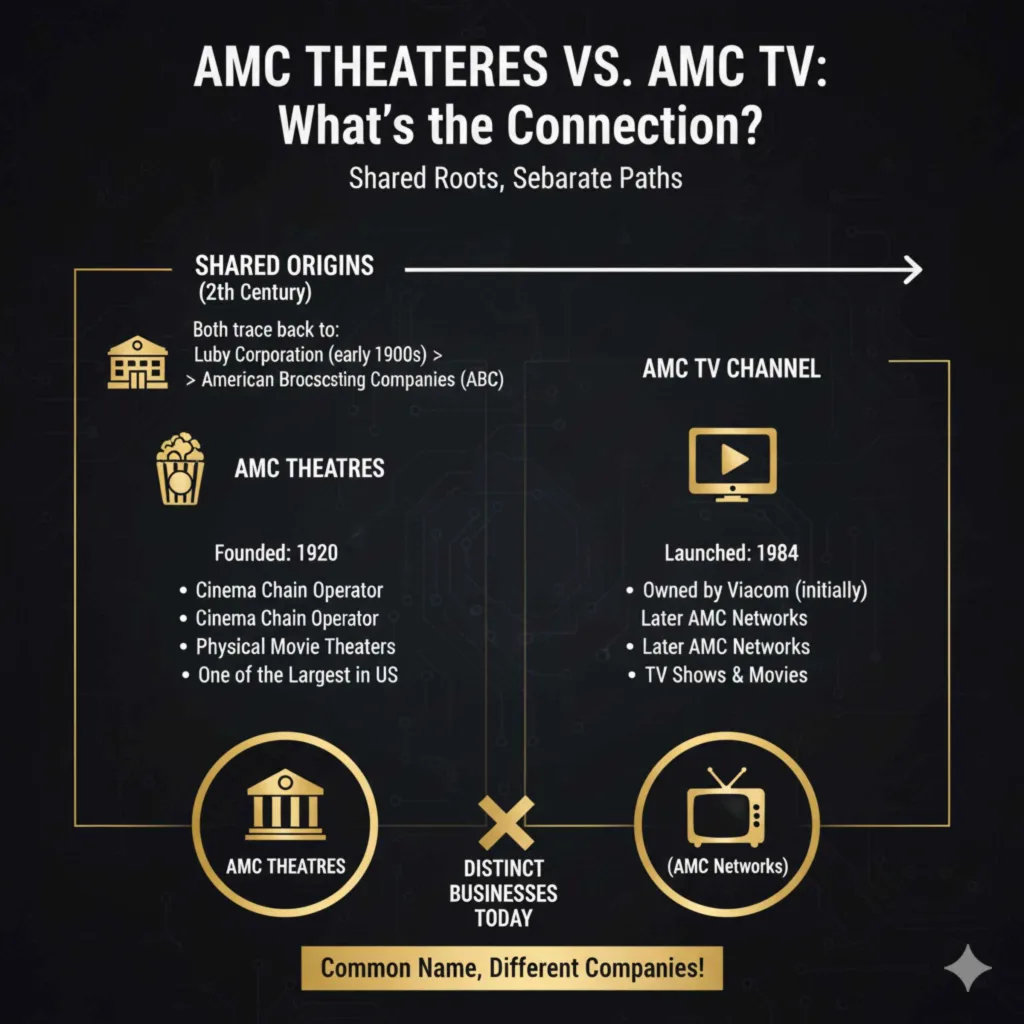
Both AMC TV and AMC Theatres trace their lineage back to the same parent company, which was originally founded in the early 20th century as the Luby Corporation. This eventually evolved into American Broadcasting Companies, Inc. (ABC).
AMC Theatres: Founded in 1920, it grew into one of the largest cinema chains in the United States.
AMC (TV Channel): Launched much later in 1984 by Viacom (which had acquired the ABC Video Enterprises’ stake in the movie channel).
Essentially, they originated from a shared pool of assets and a similar focus on film entertainment. However, over time, corporate mergers, acquisitions, and strategic decisions led them to become distinct businesses operating under the familiar AMC branding.
Distinct Businesses Today
Today, AMC Theatres and AMC TV operate as separate companies with different ownership structures and business models.
AMC Theatres is focused on the operation of movie theaters.
AMC (the TV channel) is owned by AMC Networks, which also owns other channels like BBC America, IFC, SundanceTV, and WE tv.
While both leverage the recognition of the “AMC” name and its association with movies, they function independently. This means that while AMC TV might air movies that were also shown in AMC Theatres, they are not directly affiliated in their daily operations or content decisions. Understanding this distinction helps clarify the landscape of the “AMC” brand.
The Future of AMC: Evolving with the Media Landscape
Like all television networks, AMC is constantly navigating the ever-changing media environment. The rise of streaming services, changing viewer habits, and the demand for diverse content all play a role in shaping its future.
Adapting to Streaming and On-Demand Culture
The shift towards streaming and on-demand viewing presents both challenges and opportunities for channels like AMC. While many of its flagship shows are available on AMC+, its own streaming service, the network must also consider how its content performs across various platforms.
AMC Networks has been actively developing its own suite of streaming services, including:
AMC+: Offers ad-free access to new episodes, classic series, and a curated library of films.
Shudder: Focused on horror, thrillers, and supernatural content.
Sundance Now: Features international films, documentaries, and independent dramas.
ALLBLK: Dedicated to Black creators and entertainment.
This multi-service strategy aims to capture different audience segments and maximize the reach of its content library, including popular shows like The Walking Dead universe and its award-winning dramas.
Continuing to Invest in Quality Originals
The success of its past original series has cemented AMC’s commitment to this area. Viewers can expect AMC to continue investing in high-quality, ambitious programming that captures attention and sparks conversation. The network is likely to:
Expand its existing popular franchises (like The Walking Dead universe).
Develop new, distinctive dramas and genre series.
Seek out unique storytelling opportunities that align with its brand.
The goal remains to be a destination for viewers seeking compelling, well-crafted television that stands out from the crowd.
Maintaining and Expanding its Film Library
While original series have become a major focus, AMC will likely continue to leverage its strength in film programming. This could involve:
Securing rights to a wider range of contemporary and classic films.
Creating themed movie nights or special film events.
Using its film library to enhance its streaming offerings.
By continuing to blend its heritage with innovation, AMC aims to remain a relevant and beloved part of the entertainment landscape for years to come. This adaptability is key to its long-term success.
Frequently Asked Questions (FAQ) about AMC TV
Here are some common questions beginner car owners might have about AMC TV, answered in a clear and simple way.
Q1: So, what does AMC TV actually stand for?
AMC TV stands for American Movie Classics. This name reflects its original programming focus on classic films.
Q2: Does AMC TV still show classic movies?
Yes, AMC TV still airs many classic movies as part of its programming lineup, honoring its origins. However, it also features a significant amount of original series and more recent films.
Q3: What kind of original shows is AMC TV known for?
AMC TV is famous for its critically acclaimed original dramas. Some of its most popular shows include Breaking Bad, Mad Men, Better Call Saul, and The Walking Dead.
Q4: Is AMC TV owned by the same company as AMC Theatres?
No, while both share a common origin and the “AMC” name, AMC TV is owned by AMC Networks, and AMC Theatres is a separate movie exhibition company.
Q5: How can I watch AMC TV if I don’t have cable?
You can watch AMC TV without cable by subscribing to live TV streaming services like Sling TV, YouTube TV, Hulu + Live TV, or DIRECTV STREAM. These services offer AMC as part of their channel packages.
Q6: Where can I find AMC in my TV’s channel guide?
The channel number for AMC varies depending on your TV provider (cable, satellite, or streaming) and your location. The best way to find it is to check your provider’s on-screen TV guide or their website for a channel lineup.
Q7: Does AMC have its own streaming service?
Yes, AMC Networks offers a streaming service called AMC+. It provides access to new episodes of AMC shows, original content, and a library of movies and shows from various AMC Networks channels.
Conclusion
Understanding what AMC TV stands for – American Movie Classics – gives you a great insight into its journey. From its beginnings as a haven for cinematic treasures, AMC has evolved into a powerhouse of acclaimed original programming that continues to captivate audiences. Its ability to balance a deep appreciation for film history with the creation of groundbreaking new television series is what keeps it relevant and popular. Whether you’re tuning in for a timeless classic film or the latest drama from its award-winning lineup, AMC offers a rich and diverse entertainment experience. So, the next time you see AMC on your guide, you’ll know it represents a legacy of celebrating movies and a future of creating unforgettable television. It’s a network that has truly mastered the art of storytelling on screen.