
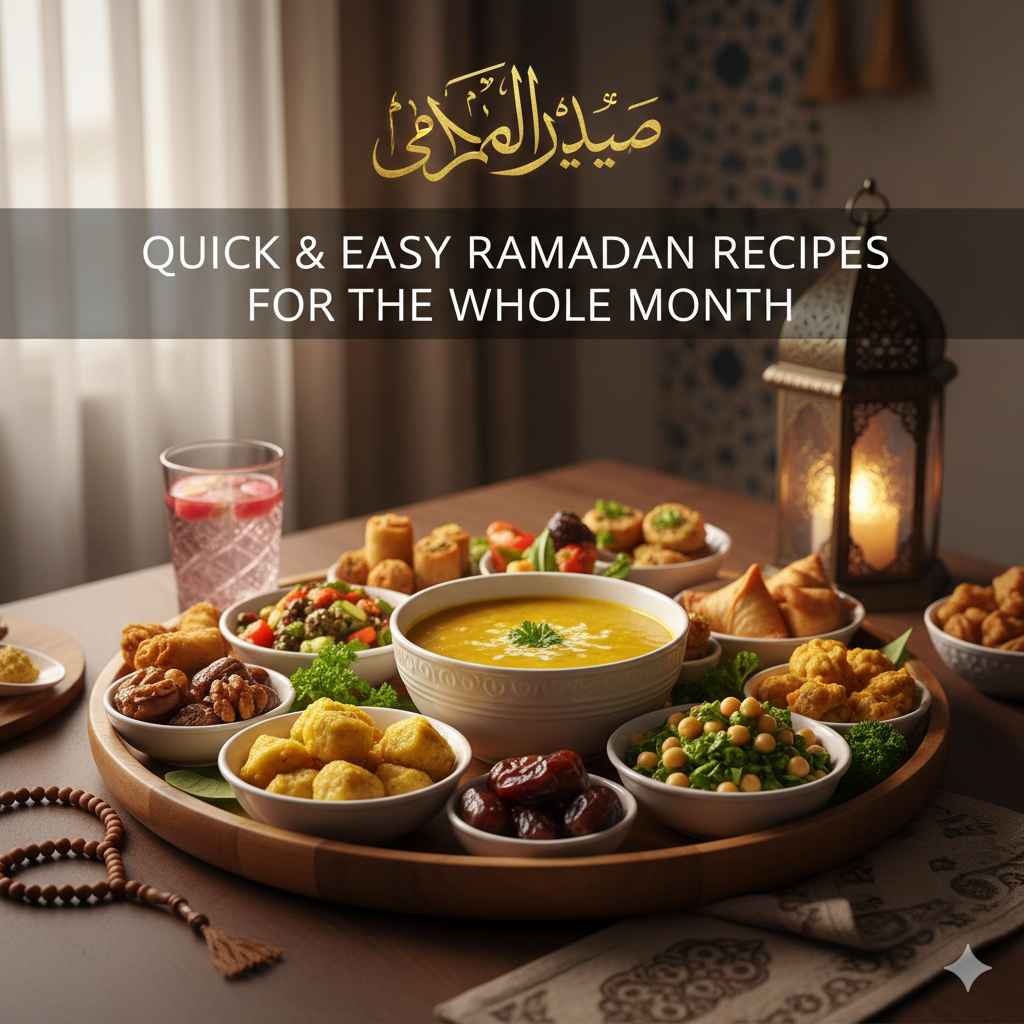
Planning for Ramadan can feel tough, especially when you’re thinking about meals every single day. Finding time to cook during this special time can be challenging, and you might worry about making food that’s delicious and easy. But don’t fret! This post is all about making Quick & Easy Ramadan Recipes for the Whole Month a breeze. We’re going to break down the process step-by-step to take the stress out of your kitchen and put more flavor on your table. Get ready for some tasty ideas!
Planning Ahead for Ramadan Meals
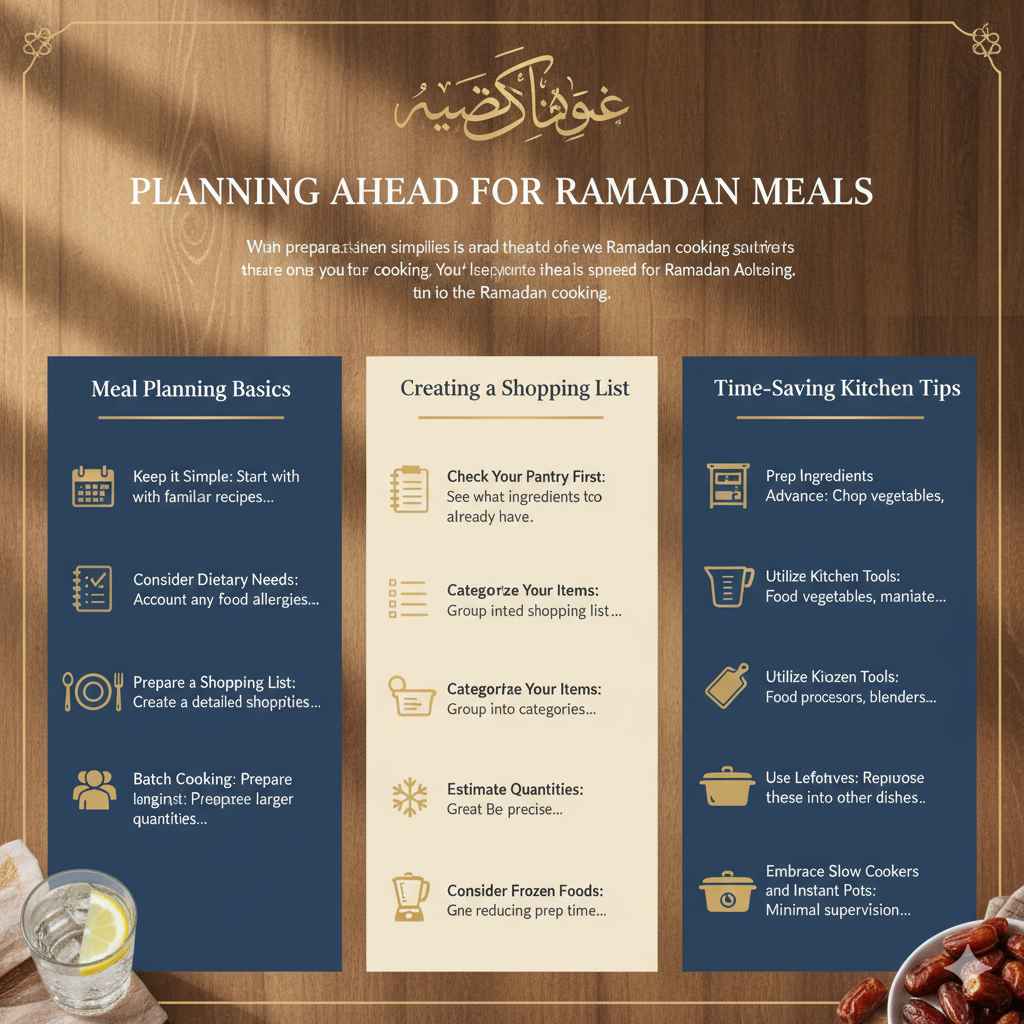
The secret to keeping Ramadan cooking from becoming a chore is good preparation. This means thinking about your meals for the entire month before Ramadan even starts. It involves deciding what dishes you want to prepare, gathering your ingredients, and scheduling your cooking time. By doing this in advance, you can avoid the last-minute rush and ensure you have a variety of tasty and nutritious meals ready to break your fast each day. Planning ahead is the first key to simplifying Quick & Easy Ramadan Recipes for the Whole Month. Think of it as a roadmap to deliciousness!
Meal Planning Basics
Start with a simple meal plan template, perhaps a spreadsheet or a notebook page. List out the days of the week, and then decide on your breakfast (Suhoor) and dinner (Iftar) meals for each day. Consider your family’s preferences and any dietary restrictions. A good approach is to alternate between easy and more complex dishes to balance effort and variety. For example, if you make a more involved dish one day, plan for a simpler one the next. Also, remember to include snacks and drinks, like dates and refreshing beverages, to keep you energized during your fast.
- Keep it Simple: Begin with familiar recipes and gradually introduce new ones. Don’t try to learn too many new dishes at once.
- Consider Dietary Needs: Account for any food allergies or specific dietary requirements of family members. Make modifications as needed.
- Prepare a Shopping List: Once you have your meal plan, create a detailed shopping list based on the recipes you’ve chosen.
- Batch Cooking: Prepare larger quantities of certain components, like sauces or cooked grains, that can be used in multiple meals.
Creating a Shopping List
Creating an organized shopping list is essential to simplifying your cooking process. Once you have a meal plan, review each recipe and list every ingredient you’ll need. Sort your list by category – produce, pantry items, dairy, etc. – to make your grocery shopping more efficient. Include quantities, so you buy the right amount of each item. This avoids multiple trips to the store and ensures you have everything on hand when you’re ready to cook. Good planning means less stress and more time to enjoy Ramadan with your loved ones.
- Check Your Pantry First: Before you begin, check your pantry, refrigerator, and freezer to see what ingredients you already have.
- Categorize Your Items: Group your shopping list into categories like fruits, vegetables, proteins, and grains.
- Estimate Quantities: Be precise about the quantities you’ll need. This helps you to avoid food waste and reduces extra shopping trips.
- Consider Frozen Foods: Frozen fruits, vegetables, and pre-cooked items are great for reducing prep time.
Time-Saving Kitchen Tips
Saving time in the kitchen can significantly reduce your cooking stress during Ramadan. Employing techniques like prepping ingredients ahead of time can streamline your cooking process. For instance, chopping vegetables, measuring spices, and marinating meats the night before can save precious minutes. Invest in some handy kitchen tools that help speed up tasks, such as a food processor or a good quality vegetable chopper. Remember, every little bit of preparation helps!
- Prep Ingredients in Advance: Chop vegetables, measure spices, and marinate proteins the night before or even a few days in advance.
- Utilize Kitchen Tools: Food processors, blenders, and good quality knives can greatly reduce preparation time.
- Use Leftovers: Plan meals that create leftovers. Repurpose these into other dishes or save them for the next day’s meal.
- Embrace Slow Cookers and Instant Pots: These appliances are perfect for making soups, stews, and other dishes with minimal supervision.
Easy Suhoor Meal Ideas for Sustained Energy
Suhoor is the meal before sunrise, making it very important for providing the energy needed to fast throughout the day. The focus should be on foods that provide sustained energy and keep you full for longer. Including complex carbohydrates, protein, and healthy fats is the key. Simple dishes that can be prepared quickly or even made the night before are perfect for this meal. The emphasis is on practicality and nutrition, allowing you to begin your fast feeling satisfied and ready for the day ahead. These Quick & Easy Ramadan Recipes for the Whole Month will help keep your energy levels up.
Suhoor Recipe Ideas
A good Suhoor meal needs to keep you full and provide the energy to last through the day. Consider dishes like overnight oats made with chia seeds and nuts for fiber and protein. Eggs are a great source of protein, so scrambled eggs, omelets, or boiled eggs are easy options. Whole-wheat toast with avocado or peanut butter provides healthy fats and slow-releasing energy. Dates and a glass of milk are traditional and nutritious choices, offering natural sugars and essential nutrients. Keep it simple and focus on wholesome foods to fuel your body.
- Overnight Oats: Combine oats, chia seeds, milk (dairy or non-dairy), and your favorite toppings in a jar the night before.
- Eggs with Whole-Wheat Toast: Prepare scrambled eggs, omelets, or hard-boiled eggs with whole-wheat toast topped with avocado or peanut butter.
- Yogurt with Granola and Fruit: Layer yogurt, granola, and your favorite fruits in a bowl or a jar.
- Dates and Milk: A traditional and quick option. Dates provide natural sugars and milk offers protein and nutrients.
Boosting Your Energy Levels
Choosing foods wisely will help you stay energized throughout the day. Avoid sugary cereals and processed foods, which can cause a quick energy spike followed by a crash. Instead, focus on slow-releasing carbohydrates like whole grains, complex carbohydrates, and high-fiber foods that release energy gradually. Also, make sure to drink plenty of water during Suhoor to stay hydrated and avoid fatigue. Adding healthy fats from sources like nuts, seeds, and avocados helps to keep you feeling full and energetic.
- Focus on Slow-Release Carbs: Choose whole grains, complex carbohydrates, and high-fiber foods to maintain steady energy levels.
- Include Protein: Protein helps you feel full and supports sustained energy throughout the day.
- Healthy Fats: Include healthy fats like those from nuts, seeds, and avocados for satiety and sustained energy.
- Stay Hydrated: Drink plenty of water during Suhoor to avoid dehydration and fatigue.
Suhoor Recipe Example: Overnight Oats
Overnight oats are one of the most practical and efficient Suhoor meals. It can be prepared the night before, making it ready to eat first thing in the morning. This is especially helpful if you’re trying to save time. It’s also super flexible, so you can adapt it to your preferences. Here’s a basic recipe to start with, but feel free to add other ingredients to change up the flavor each time.
- In a jar or container, combine ½ cup rolled oats, 1 cup milk (dairy or non-dairy), 1 tablespoon chia seeds, and sweetener of choice.
- Stir well to mix all the ingredients.
- Cover the jar and refrigerate overnight or for at least 2 hours.
- In the morning, top with your favorite fruits, nuts, and a drizzle of honey or maple syrup.
Iftar Recipes: Delicious and Quick Ideas
Iftar, or the evening meal, is a time of celebration and family gatherings. After a day of fasting, it’s natural to want dishes that are both satisfying and delicious. However, practicality is just as important. The goal is to create Quick & Easy Ramadan Recipes for the Whole Month without spending hours in the kitchen. Simple yet flavorful recipes are ideal, including a balance of nutrients to replenish the body after the fast. Embrace quick cooking methods and consider preparing some components in advance to make the whole experience easier.
Breaking the Fast
Traditional practice typically begins with dates and water to break the fast, providing immediate energy. This simple act of breaking the fast has many health benefits as well. Afterwards, start with light, easily digestible foods before moving on to a more substantial meal. Soups, salads, and light appetizers are good choices. This approach allows the body to adjust gradually, preventing any sudden changes in blood sugar. Remember to take your time and enjoy each bite!
- Dates and Water: Traditionally, breaking the fast begins with dates and water.
- Soups: Start with a light soup, like lentil soup or vegetable soup.
- Salads: A refreshing salad provides essential vitamins and minerals.
- Light Appetizers: Consider small portions of appetizers to prepare your stomach.
Main Course Options
For the main course, there are many options that can be prepared in a short amount of time. Consider meals that use quick cooking methods, such as stir-fries, grilled meats or fish, or pasta dishes. One-pan meals that require minimal cleanup are also a great choice. You might also want to prepare some components in advance, such as marinating the meat or prepping the vegetables. This allows you to have a delicious meal on the table with less overall effort.
- Stir-fries: Quick to make and versatile. Use your favorite vegetables and proteins.
- Grilled Meats or Fish: Marinate the protein ahead of time for added flavor.
- Pasta Dishes: Prepare a quick pasta sauce or use pre-made sauces for convenience.
- One-Pan Meals: Minimize cleanup and cook a complete meal in one pan.
Iftar Recipe Example: Chicken and Vegetable Stir-fry
Stir-fries are perfect for Iftar because they are quick, healthy, and customizable. Here is a simple recipe to get you started. If you don’t like chicken, you can easily substitute it with tofu or other meats. Feel free to use your favorite vegetables. Preparing everything ahead of time will further shorten the time it takes to prepare the meal.
- Cut 1 pound of chicken breast into bite-sized pieces and season with salt, pepper, and soy sauce.
- Chop your favorite vegetables, such as broccoli, bell peppers, carrots, and onions.
- Heat some oil in a wok or large pan over high heat.
- Add the chicken and cook until browned.
- Add the vegetables and stir-fry until tender-crisp.
- Add your favorite sauce (e.g., soy sauce, sweet chili sauce) and cook for a few more minutes until it thickens.
- Serve with rice or noodles.
Snacks and Drinks for Ramadan
It’s important to include snacks and beverages to stay hydrated and refreshed, especially between Iftar and Suhoor. Keeping this in mind will create even more Quick & Easy Ramadan Recipes for the Whole Month. These foods and drinks offer an energy boost and help to replenish nutrients. Making choices that are both nutritious and pleasing can make the fasting experience more comfortable. From traditional favorites to inventive combinations, there are options for everyone.
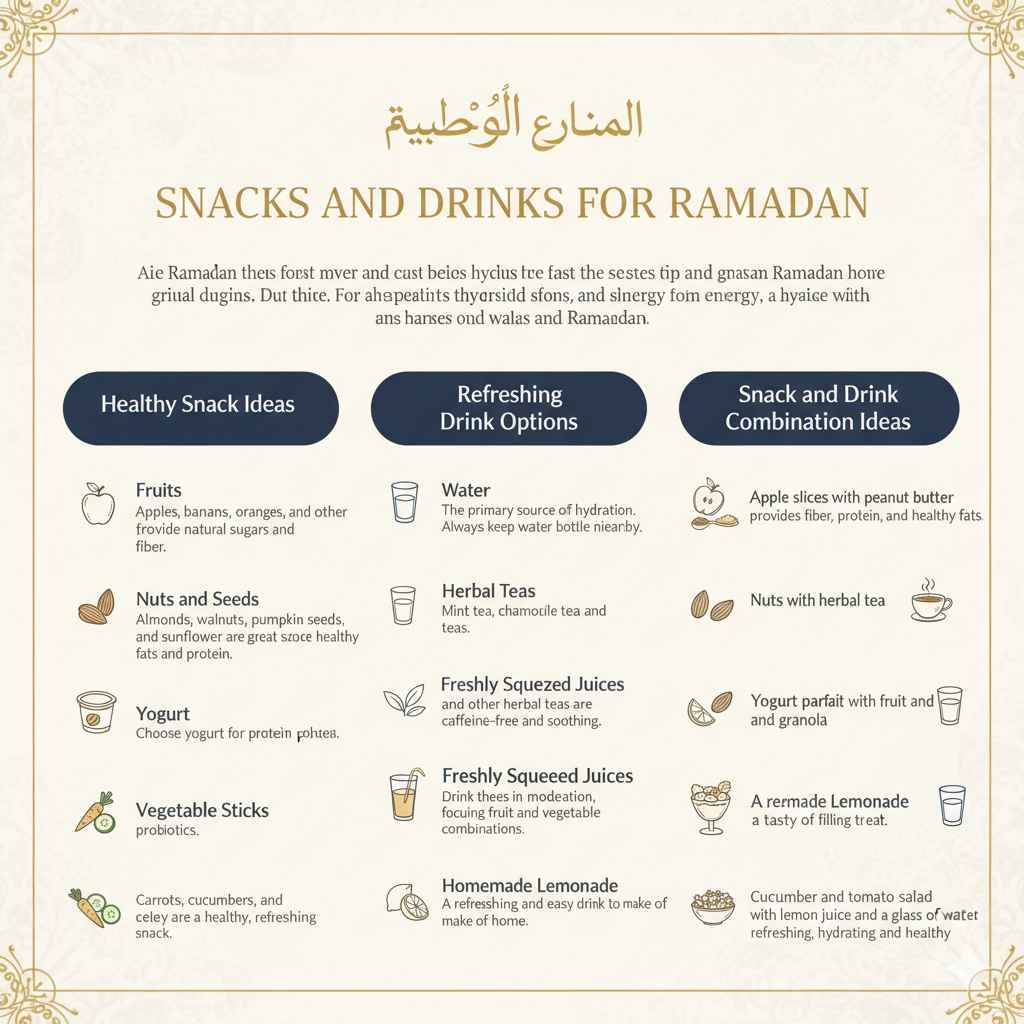
Healthy Snack Ideas
Choose snacks that provide a mix of nutrients, rather than empty calories. Fruit, like apples, bananas, and oranges, provide natural sugars and fiber. Nuts and seeds are excellent sources of healthy fats and protein, keeping you feeling full for longer. Yogurt, whether plain or flavored, offers protein and probiotics. Small portions of these snacks can prevent hunger and help you to sustain your energy levels between meals. Remember to avoid overeating; moderation is key.
- Fruits: Apples, bananas, oranges, and other fresh fruits provide natural sugars and fiber.
- Nuts and Seeds: Almonds, walnuts, pumpkin seeds, and sunflower seeds are great sources of healthy fats and protein.
- Yogurt: Choose yogurt for protein and probiotics.
- Vegetable Sticks: Carrots, cucumbers, and celery are a healthy, refreshing snack.
Refreshing Drink Options
Drinking plenty of fluids, particularly water, is crucial during Ramadan. However, you can mix it up with other hydrating and refreshing beverages. Herbal teas, such as mint tea or chamomile tea, are caffeine-free and soothing. Freshly squeezed juices, although containing natural sugars, can be a welcome change. Avoid sugary drinks like soda, which offer little nutritional value. When preparing beverages, keep it simple and focus on refreshing flavors that promote hydration.
- Water: The primary source of hydration. Always keep a water bottle nearby.
- Herbal Teas: Mint tea, chamomile tea, and other herbal teas are caffeine-free and soothing.
- Freshly Squeezed Juices: Drink these in moderation, focusing on fruit and vegetable combinations.
- Homemade Lemonade: A refreshing and easy drink to make at home.
Snack and Drink Combination Ideas
Combining snacks and drinks can lead to even more satisfying and convenient choices. You might choose to combine fruit with a protein source, like an apple with peanut butter. A handful of nuts paired with a glass of herbal tea offers a balance of flavors and nutrients. Consider a yogurt parfait with fruit and granola for a mix of textures and tastes. Experimenting with different combinations can make your snacking more enjoyable and provide a mix of nutrients and flavors.
- Apple slices with peanut butter provides fiber, protein, and healthy fats.
- Nuts with herbal tea for a satisfying and warming combo.
- Yogurt parfait with fruit and granola, a tasty and filling treat.
- Cucumber and tomato salad with lemon juice and a glass of water, refreshing, hydrating and healthy.
Adapting Recipes for Dietary Needs and Preferences
Customizing recipes is a great way to meet the dietary needs of you and your family. This will make creating Quick & Easy Ramadan Recipes for the Whole Month that much simpler. This can involve substituting ingredients, adjusting portion sizes, or completely re-thinking a recipe to fit specific requirements. With a little creativity and flexibility, everyone can enjoy delicious, satisfying meals throughout Ramadan.
Substitutions for Common Allergies
It’s important to make adjustments for any allergies. If you are allergic to nuts, you can swap them for seeds, like sunflower or pumpkin seeds. For those with a gluten sensitivity, swap wheat-based ingredients for gluten-free alternatives like rice flour or cornstarch. If you are lactose-intolerant, using non-dairy milk alternatives, like almond or soy milk, is a simple substitution. Being informed about common allergens will help you cook safe and satisfying meals for everyone.
- Nuts: Swap for seeds like sunflower or pumpkin seeds.
- Gluten: Use gluten-free flours like rice flour, almond flour, or cornstarch.
- Dairy: Use almond milk, soy milk, or coconut milk.
- Eggs: Use flaxseed meal and water combination as a binder.
Vegetarian and Vegan Options
Adapting your recipes to a vegetarian or vegan diet requires some basic ingredient substitutions.
- Meat: Swap for beans, lentils, tofu, or tempeh.
- Dairy: Use soy milk, almond milk, or coconut yogurt.
- Eggs: Use flaxseed meal with water to bind.
- Honey: Swap with maple syrup or agave nectar.
Recipe Modification Tips
Don’t be afraid to change a recipe. Start with small adjustments. For example, if you want to reduce the sodium content, use low-sodium soy sauce. You can also experiment with different herbs and spices. This allows you to personalize your meals. The main goal is to accommodate your personal preferences and dietary requirements. This will improve the whole experience of preparing Quick & Easy Ramadan Recipes for the Whole Month.
| Ingredient | Possible Substitutions |
|---|---|
| Meat | Tofu, tempeh, beans, lentils |
| Dairy | Almond milk, soy milk, coconut yogurt |
| Gluten | Rice flour, almond flour, cornstarch |
| Eggs | Flaxseed meal and water mixture |
Frequently Asked Questions
Question: How can I save time while cooking during Ramadan?
Answer: Plan your meals in advance, prep ingredients ahead of time, and use appliances like slow cookers and Instant Pots to save time.
Question: What are the best foods for Suhoor?
Answer: Foods that provide sustained energy, such as overnight oats, eggs, whole-wheat toast with avocado or peanut butter, and dates with milk are ideal.
Question: What’s a good approach to breaking the fast?
Answer: Start with dates and water, followed by a light soup or salad before a more substantial meal.
Question: What are some simple Iftar meal ideas?
Answer: Chicken and vegetable stir-fries, grilled meats or fish, and pasta dishes are quick and delicious options.
Question: How can I adapt recipes for dietary restrictions?
Answer: Make substitutions for common allergens, such as using seeds instead of nuts or gluten-free flours. Also, swap out animal products for plant-based options.
Final Thoughts
Preparing meals during Ramadan doesn’t have to be a source of stress. The ability to create Quick & Easy Ramadan Recipes for the Whole Month starts with a bit of thoughtful planning and smart preparation. By creating meal plans, shopping lists, and using time-saving kitchen techniques, you can enjoy a variety of delicious and nutritious meals without spending all your time in the kitchen. When you create your meals around simple and adaptable recipes, the process is streamlined and stress-free. So, get ready, make a list, and enjoy the blessed month knowing you’re well-prepared and ready to savor every moment.