A queen bed offers significantly more width (6 inches) and length (+5 inches) than a full bed, making the queen the better choice for couples or taller sleepers who need extra space, while the full bed is ideal for smaller rooms or single sleepers prioritizing floor space.
Choosing the right bed size can feel like a huge decision, especially when you’re looking at sizes that seem similar, like the queen and the full. It’s easy to feel confused about the few inches that separate them. Getting this wrong means tossing and turning all night or having a room that feels too cramped. Don’t worry! I’m Dustin Hall, and just like we make car maintenance simple, we’ll break down these bed sizes piece by piece. You’ll walk away knowing exactly which size gives you the best sleep comfort without sacrificing too much precious room space.
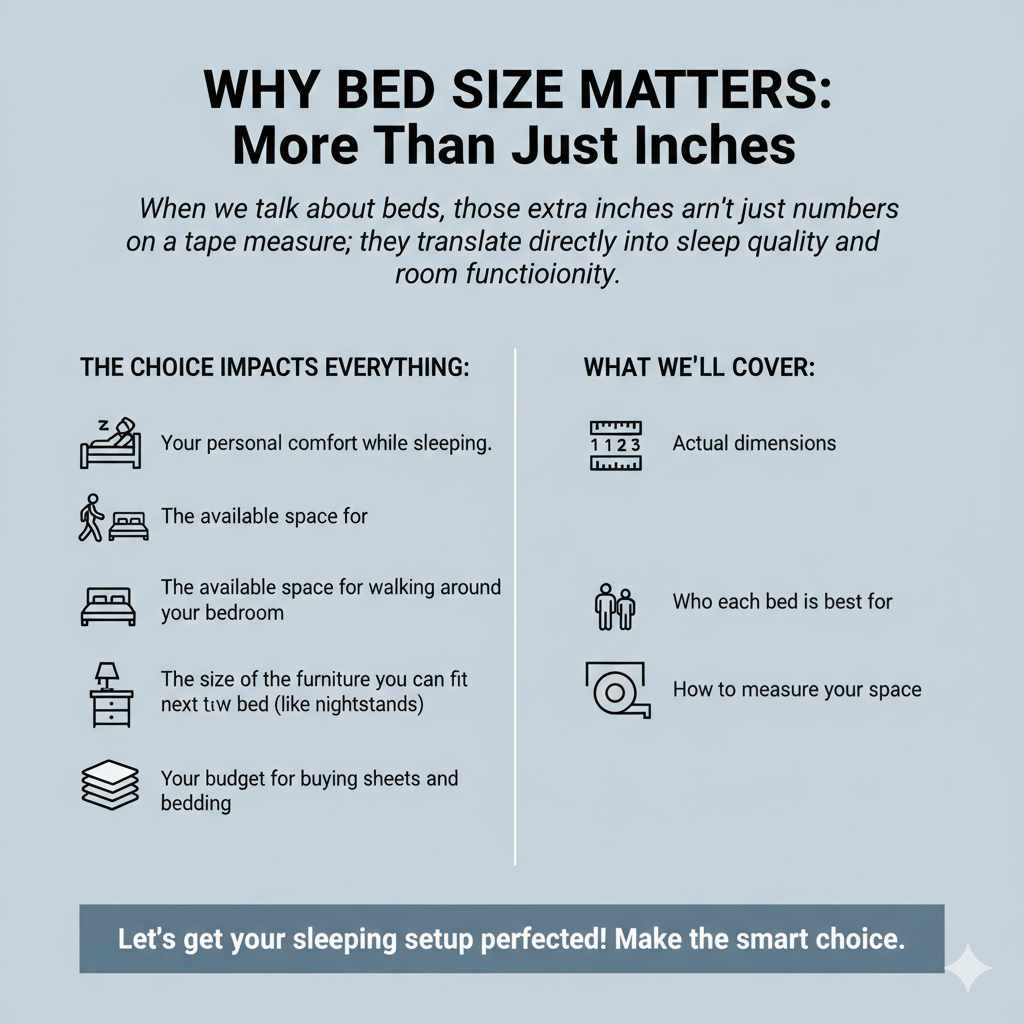
Why Bed Size Matters: More Than Just Inches
When we talk about beds, those extra inches aren’t just numbers on a tape measure; they translate directly into sleep quality and room functionality. Think of it like choosing the right set of tires for your car—the wrong size causes problems down the road!
For years, people have wondered if a Full (sometimes called a Double) is big enough, or if they really need to step up to a Queen. This choice impacts everything:
- Your personal comfort while sleeping.
- The available space for walking around your bedroom.
- The size of the furniture you can fit next to the bed (like nightstands).
- Your budget for buying sheets and bedding.
We are going to look closely at the actual dimensions, who each bed is best for, and how to measure your space so you make the smart choice the first time. Let’s get your sleeping setup perfected!
The Head-to-Head Comparison: Full vs Queen Dimensions
The most important thing to understand is the exact size difference. While a full bed might seem adequate, seeing the numbers side-by-side shows you exactly where that extra wiggle room comes from.
Full (Double) Bed Specifications
The Full bed was very popular before the Queen size became the household standard. It’s often the default choice for older homes or smaller guest rooms.
- Width: 54 inches (about 4.5 feet)
- Length: 75 inches (6 feet, 3 inches)
- Best For: A single adult, a child upgrading from a twin, or a guest room where space is very limited.
Queen Bed Specifications
The Queen bed is the most popular size in the United States today. It offers a substantial jump in space compared to the Full.
- Width: 60 inches (5 feet)
- Length: 80 inches (6 feet, 8 inches)
- Best For: Couples, taller individuals (over 6 feet), or anyone wanting more room to stretch out alone.
The Crucial Difference Chart
Let’s put these side-by-side so you can see the “genius” in the Queen’s design. Notice where the extra space is added. It’s mostly in the width, which is vital for two people.
| Feature | Full (Double) Bed | Queen Bed | Difference |
|---|---|---|---|
| Width | 54 inches | 60 inches | +6 inches wider |
| Length | 75 inches | 80 inches | +5 inches longer |
| Total Square Inches | 4,050 sq. in. | 4,800 sq. in. | Significantly More Space |
That extra six inches of width means each person sharing a Queen bed gets roughly 30 inches of space. That’s more comfortable than trying to squeeze onto a Full bed, which gives each person only 27 inches. If you’ve ever felt like you’re constantly nudging your partner, the Queen is the upgrade you need.
Assessing Your Bedroom: The Practical Fit Test
A bed might fit the dimension sheet perfectly, but if you can’t open the closet door or walk around it without scraping your shins, it’s the wrong bed for your room. This is where careful measuring saves you headaches later.
Step 1: Measure Your Room’s Dimensions
Grab that trusty tape measure. You need the total length and width of your room. Use a resource like the National Interior Design Services (NIDS) guidelines for general room layout principles, even though we are focusing on beds.
Step 2: Map Out Clearance Zones
You need walking space around the bed. For comfort and safety, aim for at least 2 to 3 feet of clear space on the sides of the bed where you will step in and out, and at least 3 feet at the foot if you have a dresser across from the bed.
- Mark the Footprint: Use painter’s tape or lay down towels that match the dimensions of the Full (4.5 ft x 6.25 ft) and the Queen (5 ft x 6.67 ft) directly on the floor.
- Check Traffic Flow: Open any drawers, move your planned nightstands into place, and walk around the taped area. Can you easily get in and close the door?
- Door/Window Interference: Ensure the larger Queen frame won’t block access to windows for ventilation or emergency exit routes.
Step 3: Consider Headboard Bulk
Do not forget that the headboard and footboard add extra dimension! A modern platform bed might only add an inch or two, but a traditional sleigh bed can add 10 to 12 inches to the overall length measurement. Always check the product specifications for the total external dimensions.
Who Should Choose the Full Bed (The Space Saver)
The Full bed excels where floor space is a rare commodity. It’s the champion of efficiency in smaller spaces.
Ideal Scenarios for a Full Bed:
- Single Dorm Room or Studio Apartment: If you are living alone in a space under 10×10 feet, a Queen might make the room feel like just a mattress on the floor.
- The Single Sleeper Who Likes Space: If you sleep alone but rarely stretch out or move much, a Full offers enough width for a comfortable, single-person sleep environment.
- Young Adults or Teens: It’s the perfect transition size from a Twin. It feels grown-up without overwhelming a smaller bedroom.
- Budget Constraints: Full-sized bedding (sheets, comforters) is usually slightly less expensive than Queen bedding.
Pros and Cons of the Full Bed
Every choice has trade-offs. Here is what you gain and what you give up with a Full.
| Advantages (Pros) | Disadvantages (Cons) |
|---|---|
| Fits easily into smaller rooms (e.g., 10×10). | Too cramped for most couples; elbows will touch frequently. |
| Easier to transport and get up stairwells. | Too short for many people over 6 feet tall. |
| Lower cost for the mattress and frame. | Fewer mattress options available compared to Queen. |
| More floor space left for storage or desks. | Can feel restrictive if you move around a lot during sleep. |
Who Should Choose the Queen Bed (The Comfort King)
The Queen bed is the default choice for comfort, adaptability, and future-proofing your sleep setup. It is the workhorse of modern bedrooms.
Ideal Scenarios for a Queen Bed:
- Couples Sharing: This is the primary reason. The extra six inches of width drastically improves sleeping tolerance when sharing.
- Taller Sleepers: At 80 inches long, the Queen accommodates most average-to-tall adults much better than the 75-inch Full.
- Guest Rooms: Even if you sleep alone most nights, a Queen ensures that when your parents or friends visit, they have a comfortable space.
- The Solo Stretcher: If you sleep on your back or side and enjoy stretching out or sprawling, the Queen gives you elbow room to spare without falling off the edge.
Pros and Cons of the Queen Bed
The Queen brings benefits in comfort but demands more in physical space.
| Advantages (Pros) | Disadvantages (Cons) |
|---|---|
| Excellent comfort standard for couples. | Requires a larger room footprint (minimum 10×12 recommended). |
| Accommodates taller individuals well. | Mattresses and bedding are slightly more expensive. |
| Wide variety of mattress options (memory foam, hybrid, etc.). | Can feel oversized in a very small room. |
| Offers personalized comfort—you can sprawl or snuggle. | Moving a Queen frame requires more effort than a Full. |
The Couple’s Test: Full vs Queen for Two People
This is often the deal-breaker when comparing queen bed versus full. If you plan on sharing the bed, the answer leans heavily toward the Queen. Think about it like driving two cars:
Sharing a Full bed is like driving a compact sedan where you and your partner are close enough to constantly feel the other person shifting their weight. Over 7–8 hours, this proximity often leads to disturbances.
Sharing a Queen bed is like driving a mid-size SUV. You still know the other person is there, but you have dedicated personal space. The extra 3 inches on each side matters hugely for minimizing sleep disruption.
When Does a Full Barely Work for Two?
It only works practically under highly specific conditions:
- Both sleepers are small in stature (under 140 lbs).
- Both sleepers are very light sleepers who rarely move once settled.
- The room is exceptionally small, making a Queen physically impossible to fit comfortably.
If you value uninterrupted sleep, especially if one of you is a restless sleeper, the Queen remains the essential upgrade.
Expert Tip: Choosing Bedding That Fits
One often-overlooked element is the availability and fit of bedding. Since the Queen is so popular, finding accessories is usually easier.
Queen Bedding Advantages:
- Comforters and Duvets: Queen comforters are designed to drape nicely over the 60-inch width, often offering a 10-inch drop on each side.
- Sheets: Fitted sheets for Queen beds have deeper pockets to accommodate modern, thick mattresses.
- Availability: Almost every store stocks Queen sizes prominently.
Full Bedding Considerations:
If you buy a Full mattress, you often have to be mindful of buying “Queen-sized” comforters just to get enough overhang. If you use Full-sized sheets on a very fluffy mattress, you might find them pulling off the corners during the night. This is similar to using a 22-inch tire on a rim designed for 24 inches—it technically covers it, but it’s strained.
Where to Place Your Investment: Room Placement Strategy
Once you’ve chosen between Queen bed versus full, how do you place it for optimal energy flow (and traffic flow)? We borrow a little wisdom here from principles used in stable structure placement, focusing on maximizing clear pathways.
For the Full Bed: Maximizing Wall Space
Because a Full bed is narrower, it can often be placed:
- Against a wall, allowing access from only one side, if the room is a narrow rectangle.
- In a corner, freeing up substantial space for a desk or exercise equipment.
For the Queen Bed: Centering is Key
A Queen bed is wide enough that squeezing it against one wall often makes the room feel unbalanced, forcing the walkway to feel tight on the open side.
- Center on the Longest Wall: Aim to have the headboard centered on the longest unbroken wall.
- Ensure Even Access: Ideally, you want 30 inches of space on both sides for easy entry and exit.
- Look Up the Room: If your room has a focal point (like a nice window), position the bed so your view upon waking is pleasant, following advice often cited in home design guides showing how natural light affects room perception.
Maintenance Check: Keeping Your Choice in Top Shape
No matter which size you choose, proper maintenance keeps your investment reliable for years. Think of this like your regular oil change—it keeps the whole system running smoothly.
Full Bed Maintenance Tips:
Given that Full beds are often placed in rooms with less clearance, be extra careful when vacuuming underneath.
- Check the bed frame fasteners every six months for loosening, especially if the bed is moved often (like in a child’s room).
- Rotate the mattress every three months to ensure even wear on the smaller surface area.
Queen Bed Maintenance Tips:
Queen frames are larger and sometimes heavier, requiring a bit more attention to the center support.
- Center Support Check: Many Queen frames require a center slat or leg running down the middle to prevent sagging. Check this leg monthly to ensure it is firmly touching the floor. Sagging in the middle spells disaster for couples!
- Flipping/Rotating: Depending on the mattress type, you may need to rotate (turn head-to-foot) or flip it every 3–6 months to maintain warranty and comfort. Always follow the manufacturer’s specific guidance.
FAQ: Quick Answers for Bed Sizing Confidence
Here are some of the most common questions I hear when people are deciding between these two essential sizes:
Q1: Can I fit a Queen bed in a 10×10 room?
A: It is technically possible, but highly discouraged. A 10×10 room leaves very little space around a Queen (60 inches wide), often resulting in a cramped walkway of only 2 feet or less. A Full is much safer for that size room.
Q2: Are Queen sheets compatible with Full beds?
A: No, Queen sheets are too large and will slip off the corners of a Full mattress easily. You need Full-sized sheets for a Full bed, and Queen sheets for a Queen bed.
Q3: If I get a Queen now, will I regret not getting a King later?
A: The jump from Queen (60 inches wide) to King (76 inches wide) is much more dramatic than Full to Queen. If you are only slightly worried about the Queen, you are likely safe. If you think you might need a King, measure again, as Kings require significant space (usually 13×13 feet minimum).
Q4: Which size is better for occasional overnight guests?
A: The Queen. Even if you live alone, you want your guests to be comfortable. A Full often feels too small for two average adults visiting for a weekend.
Q5: Is the cost difference between Full and Queen significant?
A: Marginally. Mattresses tend to see a small price bump (often $50–$150 more for the Queen). Annual bedding costs are similar, though Queen sets are slightly higher.
Q6: How tall do I need to be comfortable on a Full bed?
A: Since a Full is 75 inches long, anyone taller than about 5’10” may find their feet hanging off the edge or must sleep in a slightly curled position.
Conclusion: Making the Smart, Confident Choice
At the end of the day, choosing between a Full and a Queen bed comes down to one simple question:
Do you value floor space more, or sleeping space more?
If you’re furnishing a smaller room, living solo, or maximizing every square foot, the Full bed is a practical, efficient, and budget-friendly choice. It does the job well without overwhelming your space.
But if you’re sharing your bed, stretching out comfortably, or planning for the long term, the Queen bed is the smarter investment. Those extra 6 inches of width and 5 inches of length may not sound dramatic on paper—but night after night, they make a real difference in sleep quality.