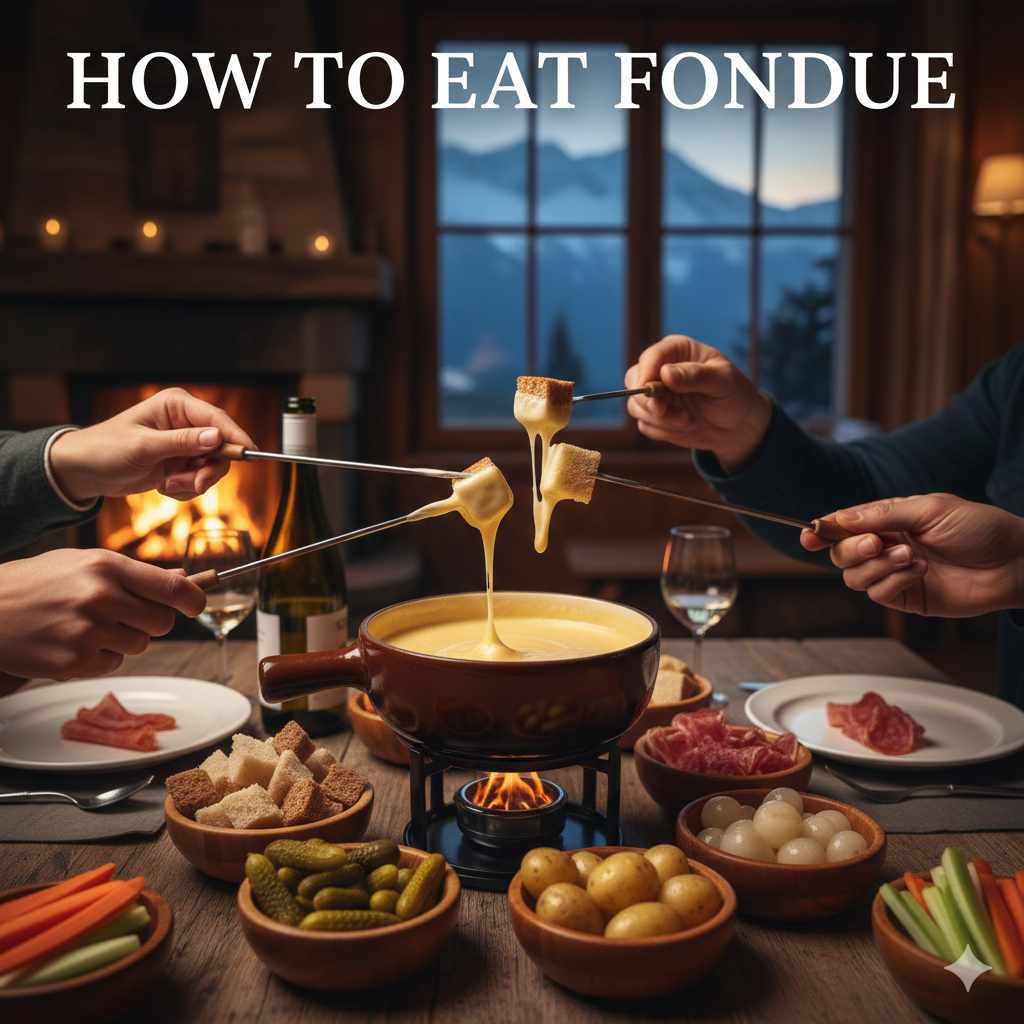
To eat fondue safely and enjoyably, use the special long fork to dip items like bread or veggies into the hot pot. Keep the fork steady, avoid stirring the communal pot, and always ensure the food is completely dry before dipping to prevent splashing. Follow these simple steps for a delicious experience!
Have you ever stared at a bubbling pot of melted cheese or chocolate, holding a long, thin fork, and wondered, “What is the right way to do this?” Don’t sweat it! Fondue looks fancy, but it’s really just a fun, shared meal. Many people feel awkward or worry about dropping food into the pot. That confusion is common, but handling fondue is actually quite simple once you know the basic moves. We will walk you through every easy step, from setting up your station to the proper dipping technique. Get ready to enjoy a cozy, delicious fondue session without any guesswork!
Why Fondue Can Feel Confusing (And Why It Shouldn’t)
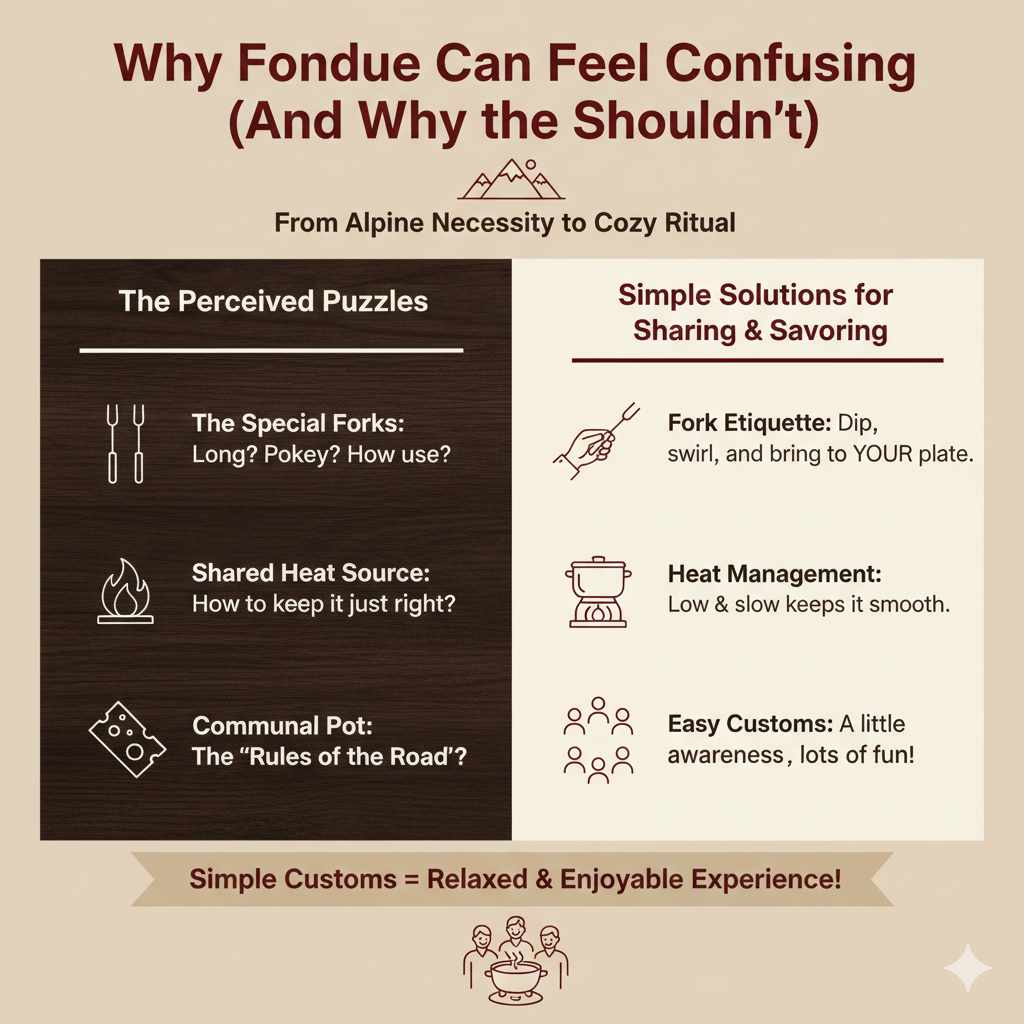
Fondue tradition comes from the Swiss Alps. It was originally a way to use up old bread and cheese during the long winter months. Think of it like a cozy, communal stew, but hotter and thicker! The confusion usually comes from the special tools and the shared nature of the pot. Since everyone dips into the same pot, there are a few simple “rules of the road” to keep things tidy and safe. Understanding these small customs makes the whole experience much more relaxed and fun. We’re going to break down the technical side—the forks, the heat, and the dipping—into simple, everyday actions.
Essential Fondue Equipment Checklist
Before you start melting cheese or chocolate, you need the right gear. Having the proper setup makes the whole process smooth. It’s not complicated, but having these items ready makes success guaranteed.
The Rechaud and Caquelon (The Pot Set)
The centerpiece of any fondue experience is the pot system. This usually involves two key parts:
- Caquelon: This is the actual pot where the fondue (cheese, oil, or chocolate) is held. It’s typically made of sturdy ceramic or cast iron.
- Rechaud (The Heater): This stands underneath the caquelon. It holds a small flame source (usually denatured alcohol, a tea light, or an electric heating element) to keep the fondue warm but not boiling. You need gentle, consistent heat.
The Right Forks
The fondue fork is long and thin, often with a colored tip handle. Why so long? To keep your hands safe from the heat! Never use your everyday dinner fork.
- Key Feature: They usually have two or three tines, which are short and slightly blunt. This design is perfect for skewering dense food like bread without damaging the pot bottom.
- Color Coding: If you are fondueing with friends, the colored tips help everyone track which fork is theirs—important so you don’t mix up your bread!
The Dipping Items (What Goes In)
Preparation is everything here. Whether you are doing cheese, meat, or chocolate, the dippers need to be ready.
| Fondue Type | Best Dippers | Preparation Note |
|---|---|---|
| Cheese Fondue | Cubes of day-old French or rustic bread, boiled small potatoes, blanched broccoli, small apple slices. | Bread must be slightly stale and cut into bite-sized cubes (about 1 inch). |
| Meat Fondue (Fondue Bourguignonne) | Cubes of beef tenderloin, chicken breast, small shrimp. | Meat must be cut uniformly and completely dry. The oil must be hot. |
| Chocolate Fondue | Strawberries, marshmallows, firm banana slices, pound cake cubes, pretzels. | Fruit should be washed and completely dried. Nothing too watery! |
How to Eat Cheese Fondue: The Classic Approach
Cheese fondue requires the most attention to technique because you are dealing with hot, melted dairy. Following these steps ensures a smooth, tasty dip every time.
Setting Up Your Station Safely
Safety first! When dealing with any open flame or hot liquid, preparation prevents problems.
- Position the Rechaud: Place the heating element securely on a stable, flame-resistant surface (like a wooden board or trivet). Never put it directly on a tablecloth.
- Light the Burner: Light the flame according to the burner instructions. You want a low, steady glow—not a roaring fire. The goal is to keep the cheese smooth, not to cook it further.
- Stir Gently: Once the cheese is fully melted and creamy, give it one final, gentle stir with a long wooden spoon (not your metal fondue fork).
The Proper Dipping Technique
This is where most beginners feel unsure. Remember, you are gently lowering food into the pot, not aggressively plunging an item.
- Skewer Your Item: Take your fondue fork. Gently push one piece of bread (or potato) onto the tines so it is secure.
- Lower Slowly: Slowly lower the piece into the hot cheese. Do not scrape the bottom of the pot, as this can damage the ceramic coating or scrape up baked-on bits.
- Coat Fully: Swirl the item gently in the cheese bath until it is coated to your liking.
- Drain Briefly: Lift the fork out of the cheese. Hold it above the pot for just a second or two to let any excess cheese drip back in.
- Transfer to Your Plate: Crucially, do not eat directly from the long fondue fork. Use a regular dinner fork to slide the cheesy bread off the fondue fork and onto your plate before eating.
The “Lost Fork” Rule (The Fun Penalty)
In traditional fondue etiquette, if you drop your bread into the pot, there’s a lighthearted penalty. This is a social thing, not a hard rule, but it adds to the fun atmosphere!
- If you drop your bread: You traditionally owe the group a round of drinks, or perhaps you must kiss the person next to you (depending on the group)!
- If you lose your fork in the pot: You might be asked to refill the wine in the cheese next time, or pay for the next batch of fondue.
The main takeaway here is to secure your food well before dipping!
Mastering Meat Fondue (Fondue Bourguignonne)
Meat fondue, often called Fondue Bourguignonne, is different because it involves cooking raw meat in very hot oil. This process requires precision for safety and flavor. We are aiming for an oil temperature around 350°F (175°C).
Oil Safety: The Most Important Step
Using hot oil poses a greater splash risk than cheese. A major concern in cooking is keeping water away from hot oil, as water can cause dangerous splatters. If you are unsure about oil temperature safety, resources like the National Center for Home Food Safety caution against overheating cooking oils.
Here is how to manage the oil safely:
- Pat Everything Dry: Before skewering meat, use paper towels to thoroughly pat every surface of the meat cube dry. Any moisture will instantly steam and spatter when it hits the hot oil.
- Use the Right Pot: For oil fondue, metal pots are usually preferred over ceramic because they handle high heat translation better.
- Keep Heat Moderate: Do not let the oil smoke. If you see smoke, turn the heat down immediately.
- Keep the Lid Nearby: Always have the lid for the fondue pot close by in case of a flare-up (though this is rare with proper temperature control).
Cooking the Meat
Unlike cheese fondue, here you are using the pot as a mini deep fryer.
- Skewer and Lower: Secure a cube of meat onto your designated fondue fork. Gently lower the meat into the hot oil, keeping the handle away from the rim of the hot pot.
- Cook Time: Hold the meat submerged for about 1 to 3 minutes, turning occasionally, until it reaches your preferred doneness.
- Remove and Rest: Lift the meat out of the oil. Hold it over the pot for a moment to drip excess oil back in.
- The Crucial Final Step: Never eat the meat directly off the long fondue fork. Carefully slide the cooked meat off the fondue fork onto your plate using a regular fork or knife.
- Saucing: Place the cooked meat on your plate next to various dipping sauces (like béarnaise, mustard, or horseradish cream).
Chocolate Fondue Etiquette: Dessert Time
Chocolate fondue is perhaps the most forgiving and fun, but etiquette focuses primarily on keeping the chocolate smooth and clean.
Maintaining the Melt
Chocolate scorches easily. You need very low heat, often just a small tea light or a very low electric setting. If the chocolate feels too thick, you can often add a tiny splash of warm milk or cream to loosen it up, but proceed slowly.
Dipping Do’s and Don’ts
The main challenges here are droopy fruit and sticky fingers.
- No Double-Dipping: This is standard in all shared foods, but especially important with sticky chocolate. If your first item didn’t coat well, retrieve it, put it on your plate, and then use a clean bite from your plate. Do not put the partially eaten item back into the communal pot.
- Dry Your Dippers: Fruit tends to hold water. If you dip a strawberry, water drops off the fruit and sinks into the chocolate, making it seize up or thin out too much. Dry everything thoroughly!
- The Fork Transfer: Again, always transfer the dipped item to your separate plate before eating it. This keeps chocolate off the fondue fork and off other people’s dipped items.
Common Fondue Pitfalls and How to Avoid Them
Even the most seasoned diners sometimes run into trouble. Here are the most common hiccups and Dustin Hall’s quick fixes.
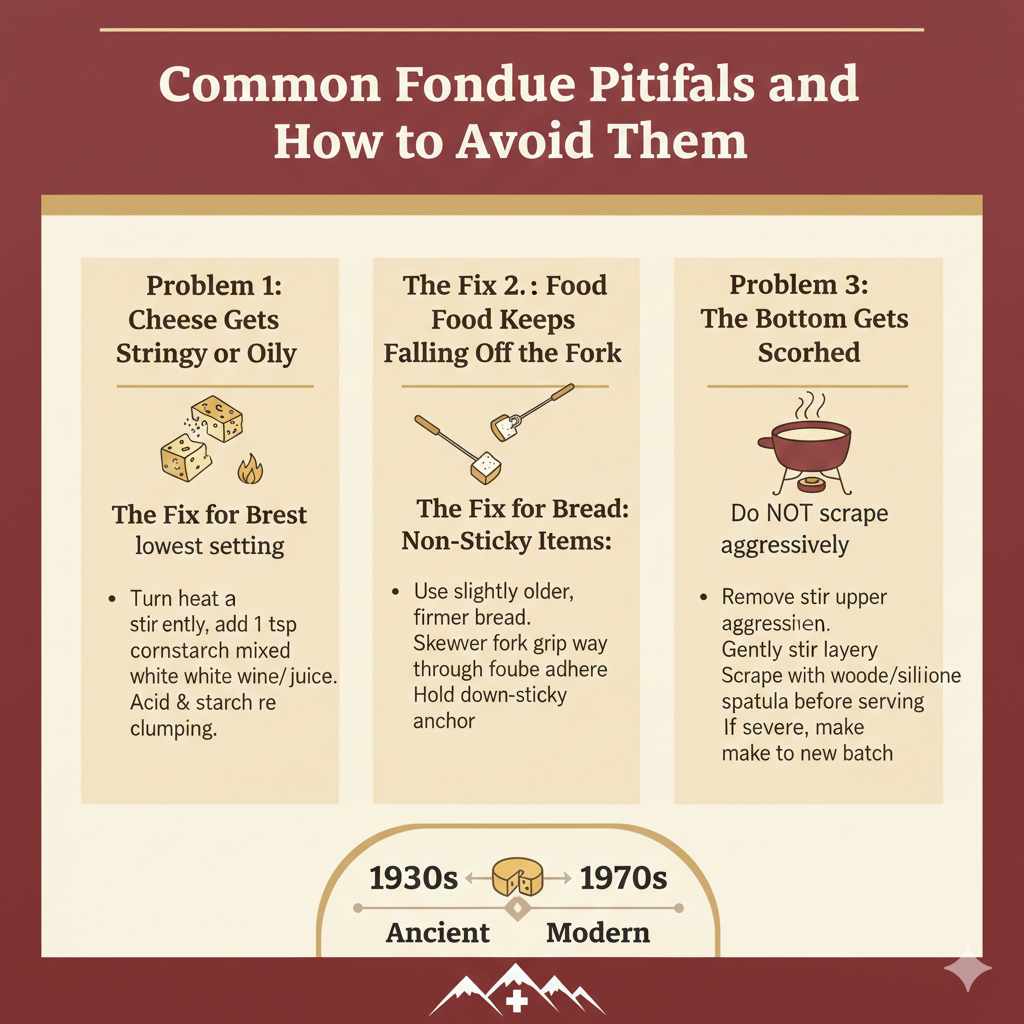
Problem 1: Cheese Gets Stringy or Oily
This happens when the cheese mixture breaks. It usually means the heat is too high, or you added too much liquid too quickly.
- The Fix: Immediately turn the heat down to the lowest setting. While stirring constantly and gently, add one teaspoon of cornstarch mixed very well with a splash of white wine or lemon juice at a time. The acid and starch will help bring the emulsion back together.
Problem 2: Food Keeps Falling Off the Fork
This is frustrating, especially with bread cubes that might be too soft.
- The Fix for Bread: Use slightly older, firmer bread. When skewering, push the fork all the way through the cube so it comes out the other side slightly, anchoring it firmly.
- The Fix for Non-Sticky Items: If you are dipping firm items like small sausages or vegetables, hold the item down long enough for it to slightly adhere to the cheese before lifting.
Problem 3: The Pot Bottom Gets Scorched (Usually Cheese)
If you let the fondue sit too long without stirring, or if the heat is too high, parts of the cheese stick to the bottom and burn.
The Fix: If you notice scorching, do not scrape the bottom aggressively. Remove the pot from the heat source completely. Gently stir the upper layers. Often, the burnt taste is localized to the bottom layer. If the batch is severely scorched, it is safer to make a new, smaller batch. For maintenance, always use a wooden or silicone spatula to gently scrape the bottom if it feels sticky before serving.
The Wine Connection: Pairing with Your Fondue
In traditional Swiss and French dining, what you drink is just as important as what you eat. The beverage choice isn’t just for taste; it plays a role in digestion, especially with rich cheese.
For cheese fondue, the key is dryness and acidity. The traditional pairing is dry white wine, often the same wine used to melt the cheese in the first place! This acidity helps cut through the richness of the melted cheese.
| Fondue Type | Recommended Pairing | Why It Works |
|---|---|---|
| Cheese Fondue | Fendant, Dry Riesling, or unoaked high-acid white wine. | Acidity cleanses the palate from the heavy cheese fats. |
| Meat Fondue (Oil) | Light-to-medium-bodied red wine, like Beaujolais, or a crisp lager. | The meat is rich, so you need something structured but not overpowering. |
| Chocolate Fondue | Dessert wine (like Port or Banyuls) or strong black coffee. | The sweetness of the wine complements the richness of the chocolate. |
A Note on Cold Drinks: In the old Swiss mountain tradition, drinking ice-cold drinks like beer or soda immediately after eating cheese fondue was frowned upon. It was thought that the cold could cause the cheese in your stomach to solidify, leading to discomfort. While modern science might debate the extent of this, sticking to room-temperature or slightly chilled wine is a good general practice.
FAQs: Simple Answers for Fondue First-Timers
Q1: Do I have to use the long fondue fork to eat the food?
A: No, definitely not! You should only use the long fondue fork to dip the food into the hot pot. Always transfer the cooked or coated item to your personal plate using a standard dinner fork before taking a bite.
Q2: Can I use any kind of bread for cheese fondue?
A: It’s best to choose crusty, sturdy bread that is slightly stale (a day old is perfect). Soft, fresh sandwich bread tends to fall apart easily. Cut the bread into cubes about one to one-and-a-half inches wide.
Q3: What do I do if the oil in my meat fondue starts smoking too much?
A: Smoking oil is too hot and can be a fire hazard or ruin your food. Immediately turn the heat down to its lowest setting. Do not add cold ingredients directly, as this can cause significant splashing. Let the temperature drop naturally for a minute or two before continuing to cook.
Q4: Is double-dipping ever allowed in fondue?
A: In almost all social settings, double-dipping is a no-go, especially with chocolate or cheese where the coating can drip. If you miss a spot on your first dip, retrieve the item, place it on your plate, and take a bite there. Never re-dip partially eaten food.
Q5: What is the purpose of the colored tips on the forks?
A: The colored tips are there to identify whose fork belongs to whom. Since everyone dips into the same pot, the colors prevent accidental mixing or swapping, especially when several people are fondueing at the same time.
Q6: How do I make sure my fruit doesn’t water down the chocolate fondue?
A: Water is the enemy of melted chocolate! Wash fruit like strawberries or pineapple, but then you must dry them completely. Use a clean kitchen towel or several paper towels to gently pat every bit of moisture off the surface before piercing the fruit with your fork.
Conclusion: Fondue Is About Sharing, Not Stress
Fondue may look elegant and even a little intimidating, but at its heart, it’s one of the most relaxed and social ways to eat. Once you understand the basics—using the long fork only for dipping, keeping food dry, controlling the heat, and transferring food to your plate before eating—the experience becomes effortless and enjoyable. These small habits aren’t about being fancy; they’re about keeping everyone safe, comfortable, and having fun around the same bubbling pot.
Whether you’re swirling bread through melted cheese, gently cooking meat in hot oil, or coating fruit in silky chocolate, fondue rewards patience and mindfulness. Take your time, dip thoughtfully, and embrace the shared rhythm of the meal. Even the occasional dropped bread cube or playful “fondue penalty” is part of the charm.
In the end, fondue isn’t about perfection—it’s about warmth, conversation, and slowing down to enjoy food together. With the techniques and tips you’ve learned here, you can approach any fondue night with confidence, good etiquette, and zero guesswork. Light the flame, grab your fork, and enjoy every delicious dip.