

To clean your washer drawer, remove it by pressing the release tab. Soak the drawer in a sink of hot water and white vinegar for 30 minutes. Use an old toothbrush to scrub away all gunk and mold. Clean the inside of the machine’s drawer housing, then dry the drawer completely before reinserting it.

Sophisti-clean
Sophisti-Clean Cutlery Cleaner Brush, Suctioned in-Sink Silverware…
- CONTAINS: (1) cutlery cleaner brush
- DURABLE AND COMPACT: With two strong suction cups on the back, the Sophisti-Clean Cutlery Cleaner Brush attaches to the inside of…
- NON-SCRATCH BRISTLES: Wash the toughest grease or baked-on food from forks, knives, spoons, chopsticks, spatulas, ladles, and more…
As an Amazon Associate I earn from qualifying purchases.
For a related storage or furniture fix, How To Remove Maximera Drawer Front: The Trick helps readers compare the next practical option.
For a related storage or furniture fix, How To Remove Samsung Refrigerator Bottom Drawer Safely helps readers compare the next practical option.
For a related storage or furniture fix, How To Remove A File Cabinet Drawer In Minutes helps readers compare the next practical option.
Hey, it’s Dustin. I know we usually talk about what’s under the hood of your car, but today we’re tackling another hard-working machine in your home: the washing machine. The principles of good maintenance are the same everywhere—a little care goes a long way in preventing bigger problems. That funky smell from your laundry room? It might be coming from a place you rarely look: the detergent drawer. It gets gross, but don’t worry. Cleaning it is simple, and I’ll walk you through every step to get it looking and smelling fresh again.
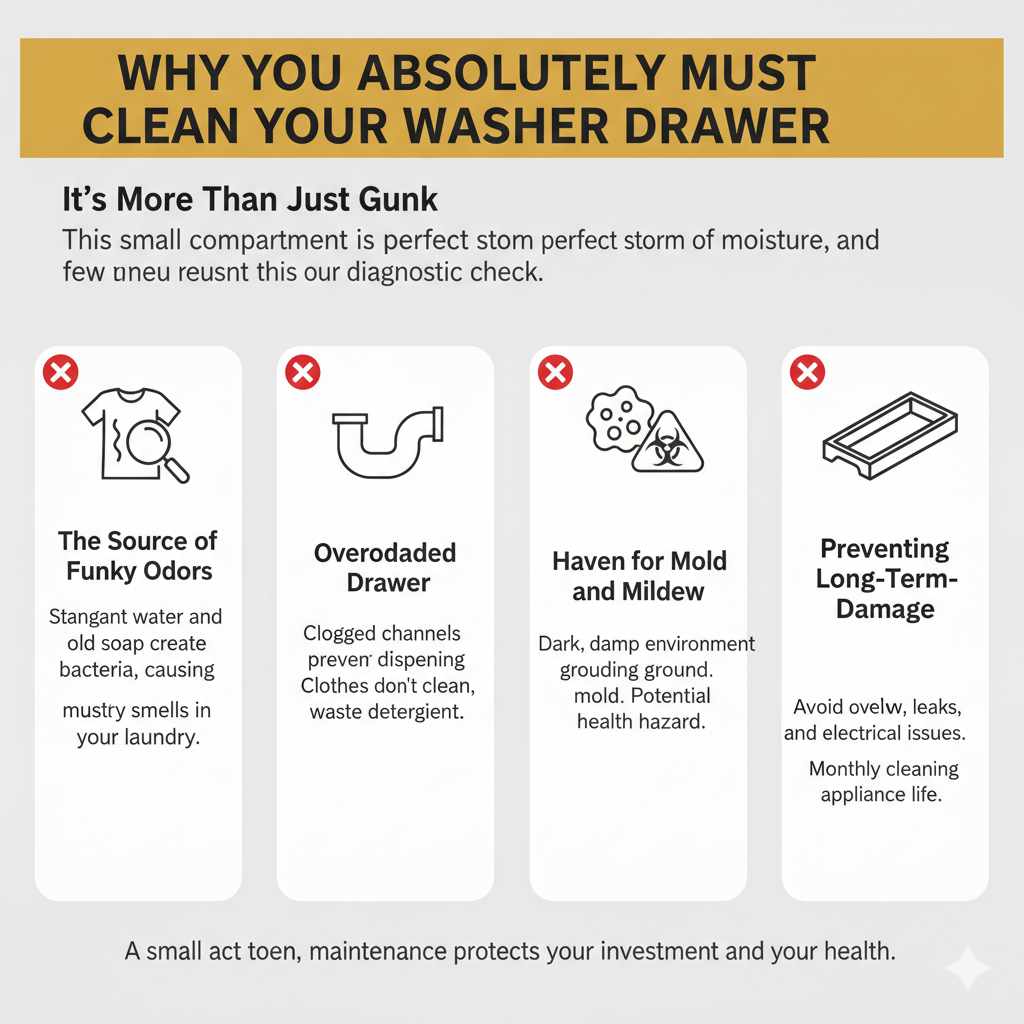
Why You Absolutely Must Clean Your Washer Drawer (It’s More Than Just Gunk)
You might think the soap and water running through the washer drawer would keep it clean, but the opposite is often true. This little compartment is a perfect storm of moisture, detergent residue, and fabric softener buildup. Ignoring it can lead to some frustrating and frankly, unpleasant, problems that go beyond a little visible grime. Think of it like neglecting to clean your car’s battery terminals—a small issue that can cause bigger performance headaches down the road.
The Source of Funky Odors
The number one sign of a dirty drawer is a musty, sour smell in your laundry room or on your “clean” clothes. This happens when stagnant water, old soap, and fabric softener residue sit in the dark, damp environment of the drawer. This mixture starts to break down and creates a perfect breeding ground for bacteria. This bacteria produces smelly gases, which then get transferred to your laundry during the wash cycle. No amount of fabric softener can cover up that underlying funk.
A Haven for Mold and Mildew
Even more concerning than the smell is the potential for mold and mildew growth. You might see it as black, green, or pinkish spots inside the drawer’s nooks and crannies. Mold thrives in damp, dark places, and the washer drawer is prime real estate. According to the U.S. Environmental Protection Agency (EPA), mold exposure can cause health issues, especially for people with allergies, asthma, or compromised immune systems. Cleaning the drawer regularly removes this potential health hazard from your home.
Reduced Cleaning Performance
Your washing machine is designed to dispense detergent, bleach, and softener at specific times during the cycle. The dispenser drawer has little siphons and channels that make this happen. When these channels get clogged with thick, gummy residue, the products can’t be released properly. Your detergent might get released too late, or your fabric softener might get stuck entirely. This means your clothes aren’t getting as clean as they should be, and you’re wasting money on products that never even reach the wash.
Preventing Long-Term Damage
Over time, severe buildup can cause water to overflow from the drawer or leak out of the front of the machine. Clogged dispenser siphons can also cause water to back up into the machine’s internal components, leading to potential electrical issues or mechanical failures. A simple five-minute cleaning routine once a month can help prevent a costly repair call and extend the life of your appliance. Just like changing your car’s oil, this small act of maintenance protects your investment.
Gathering Your Tools: Simple Supplies for a Sparkling Clean
The good news is you don’t need any fancy, expensive cleaners to get your washer drawer looking brand new. You likely have everything you need right in your kitchen pantry. This job is all about a little bit of elbow grease, not harsh chemicals.
- Distilled White Vinegar: This is your secret weapon. Its acidic nature is perfect for breaking down soap scum and killing mold and mildew spores without damaging the plastic.
- Baking Soda: For any stubborn, caked-on gunk, baking soda acts as a gentle, non-scratching abrasive. A paste of baking soda and water is fantastic for tough spots.
- An Old Toothbrush: The small bristles are perfect for getting into all the tiny compartments, corners, and channels inside the drawer. A bottle brush can also be helpful.
- A Spray Bottle: This is useful for spraying a vinegar-water solution into the drawer housing inside the machine.
- Microfiber Cloths: You’ll need one for cleaning the housing and another for drying the drawer completely before you put it back.
- A Sink or Bucket: You’ll need something large enough to fully submerge the drawer for a good soak.
Natural vs. Chemical Cleaners: What’s Best?
You have options when it comes to cleaning agents. While I always prefer starting with the gentle, natural method (vinegar and baking soda), you might wonder about using bleach or commercial cleaners. Here’s a quick breakdown to help you decide what’s right for your situation.
| Cleaner Type | Pros | Cons | Best For |
|---|---|---|---|
| White Vinegar & Baking Soda | – Non-toxic and food-safe – Inexpensive and readily available – Excellent at dissolving soap scum and mineral deposits – Kills most mold and mildew | – May not remove deep-set mold stains (the black color may remain even if the mold is dead) – Requires a bit more scrubbing effort | Regular monthly cleaning, mild to moderate buildup, and households sensitive to chemicals. |
| Diluted Bleach | – A powerful disinfectant that kills virtually all germs – Excellent at removing tough mold and mildew stains | – Can damage plastic and rubber parts over time – Produces harsh fumes; requires good ventilation – Must NEVER be mixed with other cleaners, especially ammonia or vinegar (creates toxic gas) | Severe, visible black mold infestations that haven’t been cleaned in a very long time. Use sparingly and with caution. |
The Step-by-Step Guide to a Pristine Washer Drawer
Alright, let’s get to it. This process is straightforward and should only take about 15 minutes of active work, plus some soaking time. Just follow these steps, and you’ll have a spotless drawer in no time.
Step 1: Remove the Drawer Correctly
First, you need to get the drawer out of the machine. Don’t just yank on it! Most front-load washer drawers have a release mechanism to prevent them from falling out. Open the drawer all the way. Look for a small plastic tab, usually in the fabric softener compartment. It might have an icon or the word “PUSH” or “LIFT” on it. Press down firmly on this tab while gently pulling the drawer forward. It should slide right out. If it feels stuck, it’s likely due to gunk buildup. Wiggle it gently; don’t force it.
Step 2: The Initial Soak and Scrub
Take the drawer to a sink or place it in a bucket. If it has any removable inserts (like the softener or bleach trays), take them out. Now, fill the sink with enough hot water to completely submerge the drawer. Add two cups of distilled white vinegar to the water and let the drawer and its inserts soak for at least 30 minutes. An hour is even better if it’s really grimy. This soaking period does most of the hard work for you, as the vinegar will start dissolving all that soap scum and buildup.
After it has soaked, take your old toothbrush and start scrubbing. Go over every surface, paying special attention to corners, the underside of the components, and the small siphon tubes. You’ll be surprised at the amount of gunk that comes off. Rinse the drawer with clean, hot water as you go.
Step 3: Tackling Stubborn Stains and Mold
If you still see some stubborn spots or black mold stains after the initial scrub, it’s time to bring in the baking soda. Create a thick paste with baking soda and a little bit of water. Apply this paste directly to the tough spots and let it sit for about 15-20 minutes. Then, use your toothbrush to scrub the area again. The gentle abrasive action of the baking soda should lift the remaining residue. For any really tight spots or small holes, a pipe cleaner can work wonders.
Step 4: Don’t Forget the Drawer Housing!
This is the step most people miss, but it’s critically important. The cavity inside the machine where the drawer sits is just as dirty, if not dirtier, than the drawer itself. Take your spray bottle and fill it with a 50/50 solution of white vinegar and water. Spray the entire inside of the housing liberally—top, bottom, and sides.
Pay close attention to the “ceiling” of the cavity. You’ll see small spray nozzles where the water comes out. These can get clogged with mold and slime. Use your toothbrush to scrub these nozzles and the entire interior surface. Finally, wipe everything down with a clean microfiber cloth to remove all the dislodged gunk.
Step 5: Drying and Reassembling
Before you put the drawer back, it needs to be completely dry. Any lingering moisture will just invite mold to grow back immediately. Use a clean, dry microfiber cloth to wipe down the drawer and all its inserts. Let it sit out on a towel for an hour to air dry completely if you have the time. Once it’s bone-dry, snap any inserts back into place and slide the drawer back into the machine until it clicks securely. You’re done!
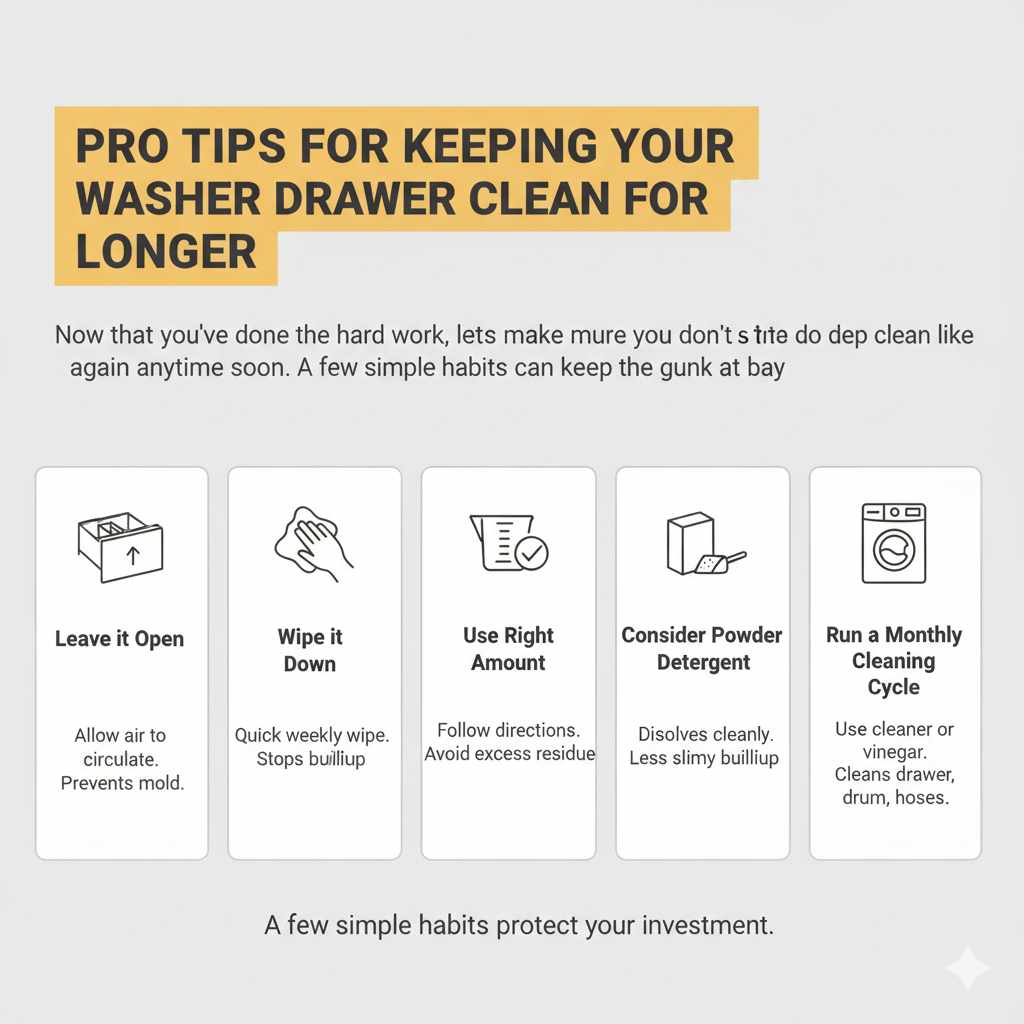
Pro Tips for Keeping Your Washer Drawer Clean for Longer
Now that you’ve done the hard work, let’s make sure you don’t have to do a deep clean like that again anytime soon. A few simple habits can keep the gunk at bay.
- Leave it Open: After you finish your last load of laundry for the day, leave the detergent drawer slightly ajar. This allows air to circulate and helps evaporate any leftover moisture, making it much harder for mold to grow.
- Wipe it Down: Once a week, give the drawer a quick wipe with a dry cloth. This takes less than 30 seconds and prevents buildup from ever taking hold.
- Use the Right Amount of Detergent: More soap does not mean cleaner clothes. In fact, using too much detergent is a primary cause of residue and buildup. Follow the recommendations on the detergent bottle and consider using less if you have soft water. The Utah State University Extension has great advice on mastering your laundry routine.
- Consider Powder Detergent: Liquid detergents and fabric softeners contain oils and waxes that contribute to slimy buildup. Powder detergents, especially in front-loaders, tend to dissolve more cleanly and leave less residue behind.
- Run a Monthly Cleaning Cycle: Most modern washing machines have a “Tub Clean” or “Clean Washer” cycle. Run this cycle once a month with a washing machine cleaner tablet or a cup of vinegar to clean out the drawer, drum, and hoses.
Troubleshooting Common Washer Drawer Problems
Sometimes, you might run into a specific issue with your drawer. Here’s a quick guide to solving the most common problems.
| Problem | Likely Cause | Simple Solution |
|---|---|---|
| The drawer won’t come out. | Severe buildup of dried detergent and softener has “glued” it in place. | Try pouring a cup of very hot water into the compartments to help dissolve the blockage. Let it sit for 10 minutes, then gently wiggle the drawer while pressing the release tab. |
| Water is left in the fabric softener compartment. | The small siphon tube in that compartment is clogged with thick, gooey softener residue. | Remove the compartment’s cover (the piece you press to release the drawer). Use a pipe cleaner or a small, stiff brush to clean out the siphon tube until you can see daylight through it. |
| Mold comes back very quickly. | The drawer is not being dried properly after cleaning, or it’s being kept closed between uses. | Ensure the drawer is 100% dry before reinserting it. Make a habit of leaving the drawer open an inch or two after doing laundry to promote airflow. |
| The drawer leaks water from the front. | The nozzles in the housing above the drawer are clogged and spraying water forward instead of down into the drawer. | Thoroughly clean the nozzles in the drawer housing with a toothbrush. If the problem persists, the machine’s water inlet valve may have an issue, requiring a service call. |
Frequently Asked Questions (FAQ)
How often should I clean my washer drawer?
A deep clean like the one described here should be done at least once every one to two months. If you live in a very humid climate or do laundry frequently, you might want to do it monthly. A quick weekly wipe-down can help extend the time between deep cleans.
Can I use bleach to clean my washer drawer?
Yes, you can use a diluted bleach solution (about one tablespoon of bleach per gallon of water) for very severe mold cases. However, be cautious. Bleach can be harsh on plastic and rubber parts over time. Never mix bleach with vinegar or any other cleaning product, and always ensure the area is well-ventilated. For regular cleaning, vinegar is a safer and highly effective option.
What is the black gunk in my washing machine drawer?
That black, slimy gunk is a combination of mildew and bacteria feeding on the residue from your detergent and fabric softener. It thrives in the dark, damp conditions of the drawer and is a clear sign that the drawer is overdue for a cleaning.
Why is there always water left in my fabric softener compartment?
This is a very common issue caused by a clogged siphon. Fabric softener is thick and can easily clog the small tube that siphons it out during the rinse cycle. When this tube is blocked, the siphon action fails, and water is left behind. A thorough cleaning of the siphon tube with a pipe cleaner or small brush will fix the problem.
Can a dirty drawer make my clothes smell bad?
Absolutely. The mold, mildew, and bacteria that grow in a dirty drawer can easily transfer to your clothes during the wash cycle, leaving them with a persistent musty or sour smell even when they are “clean.” If your fresh laundry smells funky, the dispenser drawer is one of the first places you should check.
Is it safe to put the washer drawer in the dishwasher?
It’s generally not recommended. The high heat of a dishwasher’s drying cycle can warp or damage the plastic components of the drawer, causing it to fit improperly back in the machine. Hand-washing with hot water, vinegar, and a brush is the safest and most effective method.
Conclusion: A Fresh Start for Your Laundry Routine
See? That wasn’t so bad. Taking a few minutes every month to clean out your washing machine’s detergent drawer is one of the easiest bits of home maintenance you can do. It not only gets rid of nasty smells and unhealthy mold but also helps your machine run more efficiently and get your clothes truly clean. Just like any machine, your washer works best when it’s well-maintained. By making this simple task part of your routine, you’re protecting your appliance, improving your laundry, and making your home a healthier place. You’ve got this.
Related pick: Check today's price on Amazon