
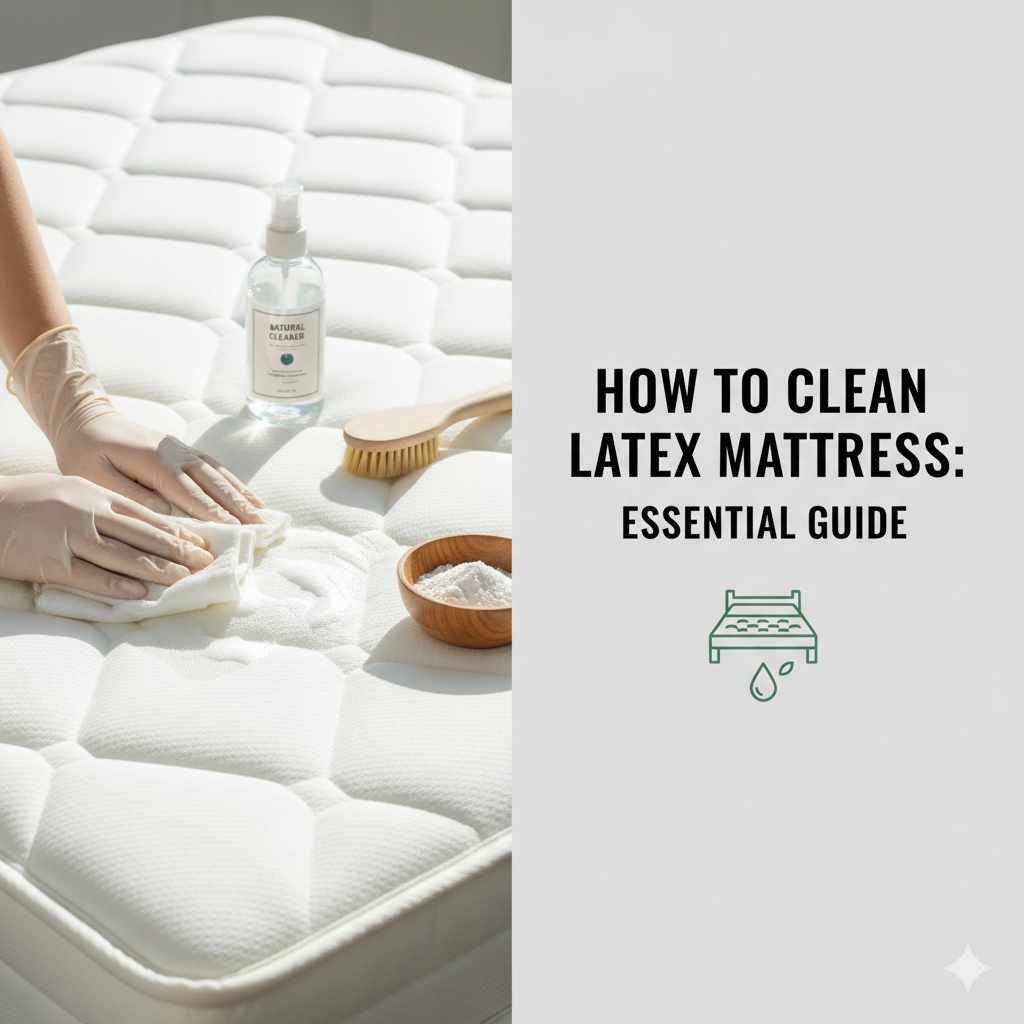
To clean your latex mattress effectively, use mild soap or laundry detergent mixed with cool water. Gently blot stains with a damp cloth—never soak the mattress. Allow it to air dry completely in a well-ventilated area, avoiding direct sunlight, which can degrade the natural latex material.
Is your latex mattress looking a little less than fresh? You’re not alone! Latex mattresses are fantastic—they last forever and feel great—but keeping them clean can seem tricky. People often worry that using the wrong cleaner will ruin the natural rubber. Don’t sweat it! Cleaning a latex mattress is actually quite simple when you know the right steps. We are going to walk through this process together, step-by-step, using safe, easy-to-find household supplies. You’ll have a clean, fresh bed in no time, and you’ll feel confident knowing you took great care of your investment.
Latex mattresses—whether natural or synthetic—are known for their durability and breathability. But like any mattress, they need occasional cleaning, especially if you’ve dealt with spills, sweat, or dust mites. Unlike traditional foam, latex is generally more resilient to moisture, but you must still be careful not to saturate it. Remember this golden rule for latex: Blot, don’t scrub, and avoid harsh chemicals at all costs.
Why Cleaning a Latex Mattress is Different (And Easier!)
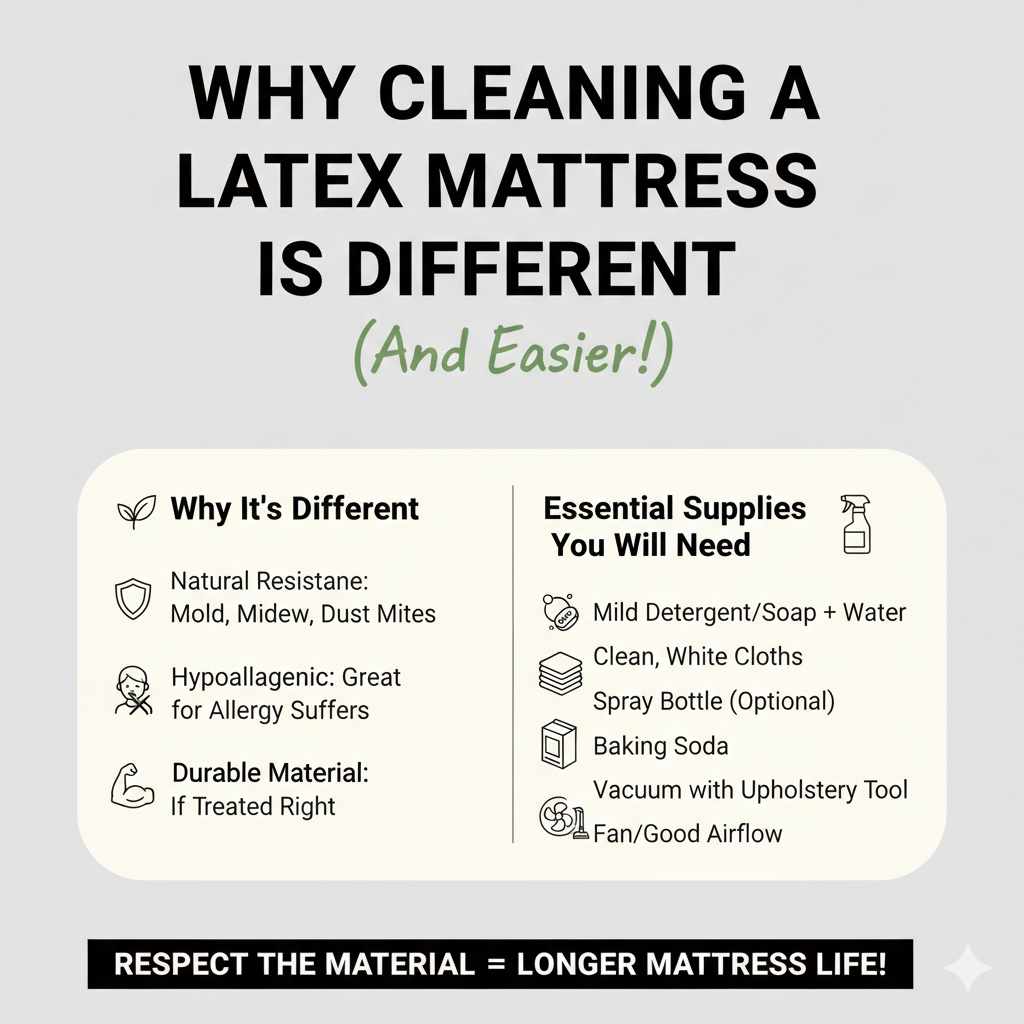
Many people assume cleaning a mattress is a huge, complicated job. When it comes to latex, it’s often simpler than cleaning memory foam. Latex is naturally resistant to mold, mildew, and dust mites because of its structure. This is a huge plus for allergy sufferers! However, improper cleaning methods can cause the material to break down prematurely. We need to respect the material to keep it lasting for years.
Essential Supplies You Will Need
Before you start, gather your cleaning toolkit. You probably have most of this stuff sitting in your laundry room right now. No need to run out for expensive, special cleaners!
- Mild liquid laundry detergent or a gentle soap (like Ivory dish soap).
- Cool or lukewarm water (never hot water).
- Several clean, white, lint-free cloths or towels.
- A spray bottle (optional, for targeted application).
- Baking soda (for deodorizing).
- A vacuum cleaner with an upholstery attachment.
- A fan or good airflow (for drying).
Step 1: Prepping the Mattress for Cleaning
Preparation is key to any good cleaning project. This first step helps remove loose debris so you are only dealing with actual stains later on.
- Strip the Bed: Remove all bedding—sheets, mattress protectors, toppers, and blankets. Wash all these items immediately in hot water (if the care label allows) to kill dust mites and refresh fabrics.
- Airing Out: Open the windows! Giving your mattress some fresh air right away helps ventilate the area. A slight breeze helps immensely during the drying process later.
- Vacuum Thoroughly: Use your vacuum cleaner with the upholstery brush attachment. Go over the entire surface slowly and deliberately. Pay extra attention to seams, crevices, and edges where dust and dead skin cells collect. This is crucial for general mattress hygiene.
Step 2: Tackling Spills and Stains (The Blotting Method)
Latex stains easily, especially if the spill has time to set in. Act quickly if you spill something new! For dried or old stains, the following method works wonders without damaging the material.
Creating Your Mild Cleaning Solution
We need a solution strong enough to lift the stain but gentle enough not to harm the latex structure. Strong chemicals, like bleach or ammonia, can cause latex to yellow or become brittle. If you are unsure about your detergent, look for products recognized by institutions like the U.S. Environmental Protection Agency (EPA) Safer Choice program for safer alternatives.
Mix the following in a bucket or large bowl:
- About 1 cup of cool or lukewarm water.
- Just 1 teaspoon of mild liquid laundry detergent OR gentle dish soap.
- Mix gently. You want suds, but not a mountain of bubbles.
The Gentle Blotting Technique
This is where you must show patience. Latex needs minimal moisture contact.
- Dip and Wring: Dip a clean, white cloth into your solution. Wring it out until it is barely damp—it should feel almost dry to the touch.
- Test a Spot: Always test your damp cloth on an inconspicuous area of the mattress first (like the side edge) to ensure no discoloration occurs.
- Dab the Stain: Gently press the damp cloth onto the stained area. Work from the outside of the stain inward. Do not rub or scrub, as this can push the stain deeper into the pores of the latex.
- Rinse the Cloth: Rinse your cloth in clean, cool water (no soap this time), wring it out until very damp, and gently blot the area again to lift the soap residue. You must remove all soap, as leftover residue can attract dirt later.
- Repeat: Continue this process—dampen with soap solution, blot; dampen with clean water, blot—until the stain is gone or no longer lifting.
Step 3: Dealing with Specific Types of Stains
Different stains sometimes require slightly different approaches, but we stick to the gentle rule!
| Stain Type | Recommended Gentle Treatment | Important Caution |
|---|---|---|
| Urine or Biological Spills | Use the mild soap solution described above. Enzyme cleaners are sometimes recommended, but test them rigorously first. | Do not use high heat or steam cleaners; heat can damage latex irreversibly. |
| Coffee or Red Wine | Act fast! Use the blotting method with the mildest possible soap solution. Use fresh blotting cloths frequently. | Avoid hydrogen peroxide unless it is heavily diluted and you have tested it first, as it can cause yellowing. |
| Sweat/Yellowing | Baking soda covers the entire surface for deodorizing after stain removal, or a very light application of the soap solution on localized yellow spots. | Natural latex can yellow slightly over time just from exposure to air; this is often cosmetic and not a sign of damage. |
Step 4: Deodorizing Your Latex Mattress
After cleaning, or just for general freshness, baking soda is your best friend. It’s a natural, gentle deodorizer that works perfectly for mattresses.
- Apply Baking Soda: Liberally sprinkle plain baking soda over the entire surface of the mattress. Don’t be shy; you want a full, even coating.
- Let It Sit: Allow the baking soda to sit for at least 8 hours, but 24 hours is even better. Baking soda naturally wicks away moisture and absorbs odors trapped in the fibers.
- Vacuum Again: Use the vacuum attachment to thoroughly clean up all the baking soda. Make sure every last grain is gone before you put the sheets back on. You don’t want any lingering white powder!
Step 5: The Crucial Drying Process
This is perhaps the most important single step when cleaning ANY mattress, but especially important for latex. If moisture gets trapped inside, it can lead to mildew or structural weakness.
- Airflow is Non-Negotiable: Keep windows open. If you have circulating fans, aim them directly at the cleaned areas.
- Avoid Direct Sun: While sunlight can kill germs, direct, harsh UV rays (like sunlight streaming through a window) degrade natural latex quickly, making it crumbly. Keep the sun off your mattress.
- Flip or Rotate (If Recommended): Check your manufacturer’s instructions. Many latex mattresses recommend regular rotation (every 3–6 months) or flipping (if it’s a double-sided model) for even wear. Use this time when the mattress is exposed to let the underside dry as well.
- Wait Until Completely Dry: Do not cover the mattress until you are 100% certain it is dry to the touch, inside and out. If you used only a slightly damp cloth for spot cleaning, this might take a few hours. If you had to treat a larger wet area, wait at least 12 to 24 hours. When in doubt, wait longer.
Regular Maintenance Tips for Longevity
The best way to avoid deep cleaning is through consistent, light maintenance. Think of it like preventative maintenance on your car—a little oil change now saves you a tow truck later!
Weekly & Monthly Checks
- Use a Mattress Protector: This is the #1 defense against spills, sweat, and skin oils. Invest in a high-quality, breathable, waterproof protector designed for latex.
- Change Linens Weekly: This removes skin cells and oils before they can seep into the cover fabric.
- Airing Out: Once a month, strip the bed completely and let the mattress breathe for an hour before remaking it.
When to Call in the Professionals (or Avoid DIY)
There are a few situations where you should rethink your DIY approach:
- Deep Mold Infestation: If your mattress somehow got genuinely soaked and you suspect deep mold growth, professional remediation might be necessary.
- Shredded Latex: If the surface is physically torn or crumbling severely, cleaning won’t help. This indicates degradation, often caused by extreme heat or harsh cleaning agents used improperly in the past.
- Manufacturer Warranty Voidance: Some warranties are voided if you use specific harsh chemicals. Always check your warranty guide before trying strong spot treatments. For example, while you can find resources on using very diluted vinegar for disinfection, check if your manufacturer approves of any acid-based cleaner.
What to Absolutely AVOID When Cleaning Latex
Latex is resilient, but it has a few documented weaknesses when it comes to chemicals and methods. Knowing what to avoid prevents costly mistakes.
Here is a list of things that should never touch your latex:
- Hot Water or Steam: High heat weakens the structure of both natural and plant-based latex, causing it to break down faster. Stick to cool or lukewarm water only.
- Bleach or Ammonia: These harsh chemicals aggressively attack the rubber polymers, leading to discoloration (yellowing/browning) and brittleness.
- Harsh Solvents: Avoid commercial dry-cleaning solvents, acetone, or strong degreasers.
- Excessive Scrubbing: Rubbing too hard against the surface can cause the latex to tear or pill, breaking down the structural integrity. Gentle blotting is always the way to go.
- Direct Sunlight: As mentioned, UV rays are a major enemy of latex durability.
Understanding Latex Types: Natural vs. Synthetic
When learning how to clean latex mattress, it helps to know what you are working with. Most latex mattresses today fall into two camps:
| Latex Type | Source Material | Cleaning Sensitivity |
|---|---|---|
| Natural Latex (Talalay or Dunlop) | Harvested from rubber trees (Hevea brasiliensis). | Slightly more sensitive to UV light and high heat, but naturally more durable against minor moisture. |
| Synthetic Latex (SBR) | Made from petrochemicals (Styrene-Butadiene Rubber). | Generally more resistant to general wear but might react differently to certain solvents. Stick to the mild soap rule for both. |
The good news is that for general cleaning and spot treatment, the safe, gentle method outlined above works perfectly for both natural and synthetic latex. Focus on minimizing water and avoiding harsh chemicals.
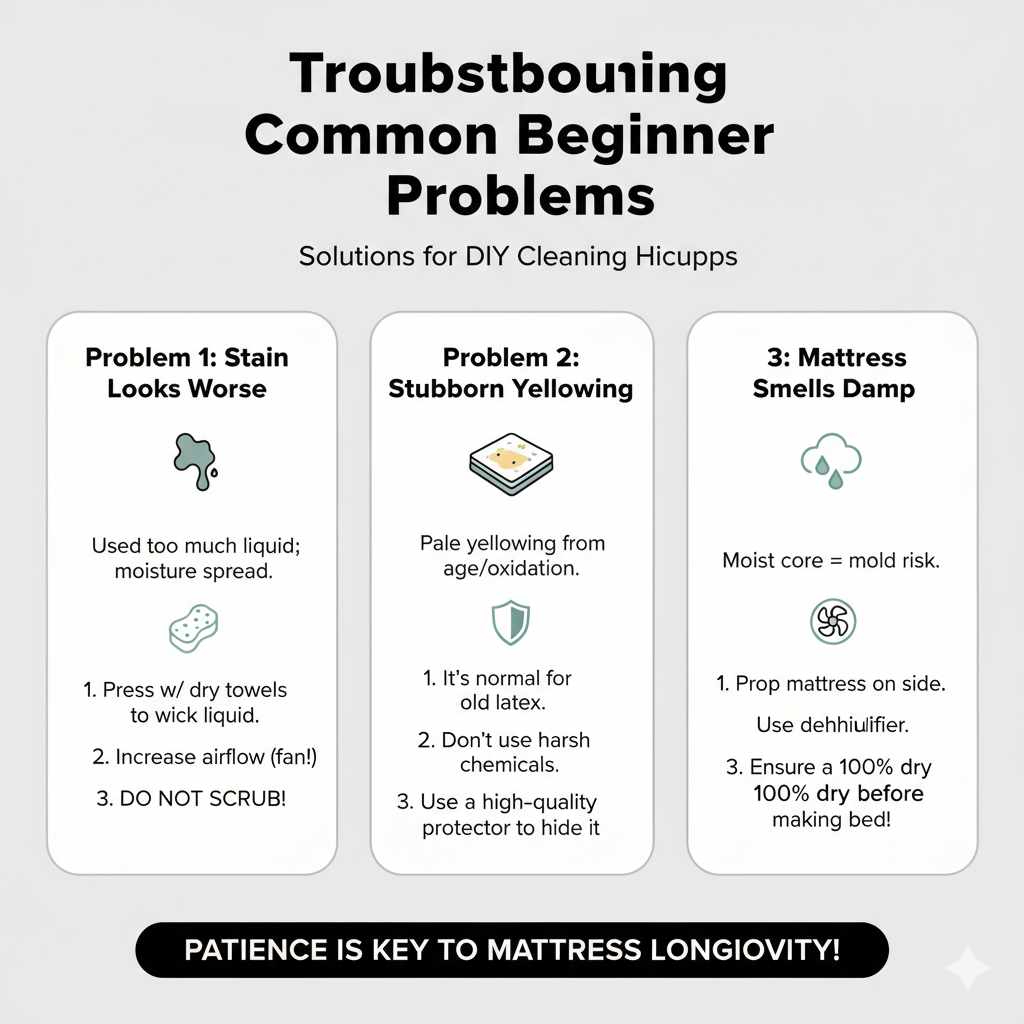
Troubleshooting Common Beginner Problems
Even when following the best advice, sometimes things don’t go quite as planned. Here are solutions for common DIY cleaning hiccups.
Problem 1: The Stain Looks Worse After Cleaning
If the stain appears darker or spread out, you likely used too much liquid. The moisture has soaked deeper. Immediately grab several dry towels and press down hard (without scrubbing!) to wick up as much excess liquid as possible. Then, increase the airflow directed at that spot.
Problem 2: Stubborn Yellowing Remains
If the mattress is older, some pale yellowing might just be the aging process of the natural rubber reacting with oxygen over years of use. If this is the case, don’t chase it with stronger chemicals. Focus instead on keeping the mattress protected and clean moving forward. A fresh, high-quality protector can hide minor discoloration completely.
Problem 3: The Mattress Smells Damp Even After Drying
If you smell dampness, it means the latex core is still moist. This is a serious safety concern for mold growth. You need to drastically increase drying efforts. Prop the mattress up on its side if possible, or place it vertically against a wall if it’s too heavy or large. Run dehumidifiers in the room if airflow alone isn’t sufficient. Do not put sheets back on until the smell is completely gone.
Frequently Asked Questions (FAQ) About Latex Mattress Cleaning
Q1: Can I use vinegar on my latex mattress?
A: You can, but only heavily diluted. Mix one part white vinegar with three parts water. Vinegar is slightly acidic, so it must be used sparingly and blotted well. Always test a hidden spot first, as some manufacturers advise against any acidic cleaners.
Q2: Is it okay to use steam cleaners on latex?
A: Absolutely not. Steam involves high heat and high moisture saturation, both of which can permanently damage and degrade latex foam.
Q3: How often should I deep clean my latex mattress?
A: Deep cleaning (spot treatment and full deodorizing) should only happen about once or twice a year, or immediately after a major spill. Focus more on weekly sheet changes and monthly airing out.
Q4: My mattress is stained brown. Can I make it white again?
A: Unfortunately, returning latex to its original bright white color after a serious brown stain (often from prolonged moisture or tanning oils) is virtually impossible without harsh bleaching agents, which damage the latex itself. Focus on cleaning the stain out and covering it with a protector.
Q5: Can I use baking soda on a wet stain?
A: Baking soda is excellent for absorbing moisture and odor, but for heavy liquid saturation, use dry towels first. Once the surface is just damp, baking soda can help draw out residual moisture and deodorize simultaneously during the longer drying phase.
Q6: Are specialized “mattress cleaners” safe for latex?
A: Read the label very carefully. If the cleaner contains bleach, alcohol, or strong surfactants, avoid it. If it is explicitly labeled as safe for natural rubber or foam, proceed with caution and test a small area first.
Conclusion: Confidently Maintaining Your Latex Bed
Cleaning your high-quality latex mattress doesn’t require a trip to the specialized chemical aisle or hours of stressful scrubbing. By mastering the gentle art of blotting with a mild, soapy water solution, you protect the material while effectively removing dirt and spills. Remember the core takeaways: use cool water, avoid harsh chemicals like bleach and high heat, and ensure meticulous drying time with excellent airflow. Consistent, gentle maintenance protects your investment, keeping your latex mattress supportive, fresh, and comfortable for its long lifespan. You’ve got this!