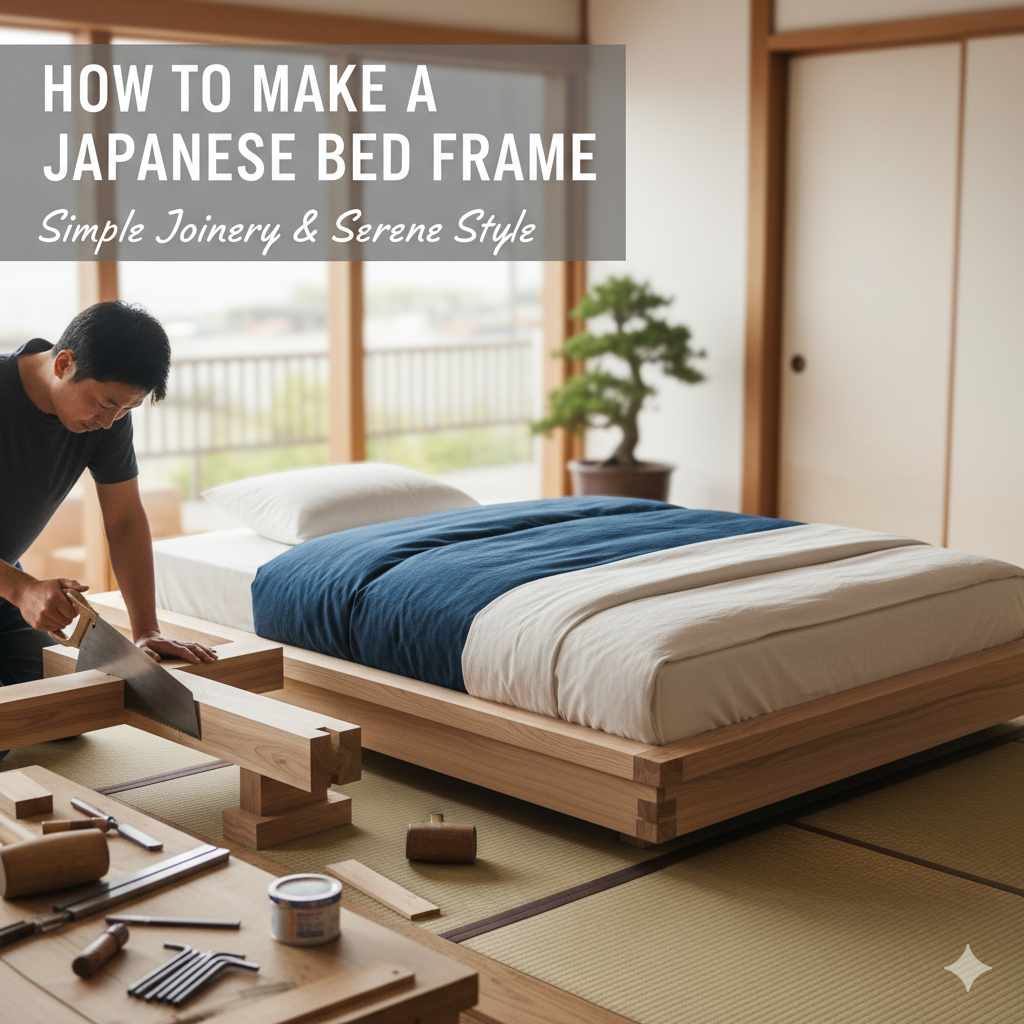

Choosing a bed frame is easy when you know the essentials: measure your space, match the frame style to your needs (like storage or support), and check the material quality for long-term stability. Follow these simple steps for the perfect fit.
Picking out a new bed frame can feel like a huge task. You are making a big investment for your bedroom, and the sheer number of options—from metal to wood, with or without a headboard—can make your head spin faster than a loose lug nut! Stop worrying. Just like checking your tire pressure before a trip, setting the right foundation for your mattress is crucial for good sleep and a good-looking room. We are going to walk through this process step-by-step, making sure you choose a frame that is safe, sturdy, and just right for you. By the end of this guide, you will feel totally confident in your selection.
Why the Bed Frame is the Unsung Hero of Your Sleep System
Think of your bed frame as the chassis of a car. The mattress gets all the glory, but without a strong, level base, the whole system fails. A good frame does three main jobs:
- Support: It keeps your mattress perfectly flat and supported, which helps the mattress last longer and prevents sagging spots.
- Stability: It stops that annoying rocking or squeaking when you move at night—the worst!
- Aesthetics: It finishes the look of your bedroom, tying the design together.
Ignoring the frame often leads to costly mistakes later, like having to replace a sagging mattress too soon. Let’s make sure we get this foundation right the first time.

Step 1: Measure Twice, Buy Once (Room & Mattress Dimensions)
The number one mistake people make? Buying a frame that looks great in the showroom but barely squeezes around the bedroom door! Before you even look at styles, you need exact measurements.
Measuring Your Space
You need enough room around the bed to walk comfortably and move furniture. Think about flow—can you easily get to the closet or the window?
- Room Length and Width: Measure the exact space where the bed will live.
- Doorways and Hallways: Measure the width and height of all entry points. If the frame won’t fit through the hall to get to the room, it doesn’t matter how perfect it looks once assembled!
- Headroom (If Applicable): If you are looking at loft beds or canopy frames, measure the ceiling height.
Matching the Frame to Your Mattress Size
Bed frames are not one-size-fits-all. A Queen frame is different from a Queen-sized mattress in terms of external width and length. Always check the manufacturer’s required mattress dimensions.
Use this quick guide to confirm your mattress size—you need to know this number before shopping:
| Mattress Size | Approximate Width (Inches) | Approximate Length (Inches) |
|---|---|---|
| Twin | 38 in. | 75 in. |
| Full (Double) | 54 in. | 75 in. |
| Queen | 60 in. | 80 in. |
| King | 76 in. | 80 in. |
| California King | 72 in. | 84 in. |
Pro Tip: Even within Queen sizes, frames can vary. A platform bed frame for a Queen might only add 1-2 inches of width, but a heavily stylized frame with large side rails could add 10 inches or more. Always look for the “Outer Dimensions” listed on the product page.
Step 2: Choose Your Essential Bed Frame Type
Once you know the size, you need to decide what kind of function your frame needs to perform. Do you need storage underneath? Do you need to match a specific design aesthetic?
Platform Beds: The Modern Standard
Platform beds are hugely popular because they offer excellent support without needing a box spring. They usually sit lower to the ground. This is great for stability and modern looks.
Pros:
- No box spring needed, saving you money and adding mattress height stability.
- Often includes built-in storage drawers or a sleek, minimalist look.
- Generally very sturdy and low maintenance.
Cons:
- The mattress sits lower, which might be tough for older individuals to get in and out of.
- If you like a very high bed, this isn’t the style for you.
Standard/Traditional Frames (Headboard and Footboard)
These frames use metal side rails and usually require a box spring to lift the mattress to the desired height. They are often paired with ornate or upholstered headboards.
Storage Beds (Captain’s or Drawer Beds)
If floor space is tight, storage beds are your best friend. They incorporate deep drawers directly into the frame base.
These are fantastic for keeping linens, off-season clothes, or tools organized. They eliminate the need for bulky dressers in smaller rooms.
Bunk Beds and Loft Beds
These are space-saving giants, perfect for kids’ rooms or small apartments. A loft bed lifts the mattress entirely, leaving space underneath for a desk or seating area. A bunk bed stacks two mattresses vertically.
Safety Note: When buying any stacked bed, look for certifications ensuring structural integrity. Safety standards for bunk beds are very strict, especially concerning guardrails and ladder stability. You can check general safety guidelines from organizations like the Consumer Product Safety Commission (CPSC).
Adjustable Bases (The Tech Upgrade)
While technically a base rather than a purely static frame, adjustable bases are becoming cheaper and very popular. They allow you to raise the head or foot of the mattress with a remote control. This is amazing for reading, watching TV, or managing issues like snoring or acid reflux.
If you choose an adjustable base, you must ensure your mattress is compatible (memory foam, hybrid, or latex usually work best). Traditional innerspring mattresses often crack if bent too sharply.
Step 3: Material Matters: Longevity and Look
The material directly impacts how long the frame lasts and how much noise it makes. We are looking for durability here—think of it like choosing between budget tires and premium tires; one will definitely last longer under stress!
Solid Wood Frames
Wood offers the most classic, warm look. The key here is the type of wood.
- Best Bets: Oak, Maple, Walnut, Cherry. These hardwoods are dense, durable, and resist denting over time.
- Budget/Softer Woods: Pine or rubberwood. They are lighter and cheaper but can scratch and dent more easily.
What to check: Make sure the joints are reinforced with strong bolts or high-quality metal brackets, not just simple screws. Wood glue alone will not hold up to years of use.
Metal Frames
Metal is incredibly strong and a favorite for modern or industrial looks. High-quality metal frames usually don’t squeak once properly assembled.
What to check: Test the center support legs. A good metal frame for a Queen or King should have at least three sturdy centerline legs reaching the floor. Look for powder-coated finishes to prevent rust or chipping. Thicker metal tubing means more strength.
Upholstered or Fabric Frames
These are cozy and soft, great for adding texture to a room. They often have padded headboards.
The catch: These are usually a combination of wood/metal supports wrapped in foam and fabric. The support structure inside is what matters! If the internal frame is weak particleboard, it can break down faster than solid wood.
If choosing upholstered, ensure the center support system is robust, ideally using metal or hardwood beams.
Step 4: Checking the Support System (Crucial for Mattress Health)
This is the mechanical core of your frame. If the support is weak, your mattress warranty might be voided, and you’ll end up with dips and lumps!
Slat Distance Rule
Slats are the horizontal boards that the mattress rests on.
- For Foam/Memory Foam Mattresses: Slats must be very close together—ideally no more than 2 to 3 inches apart. Too much space lets the foam sink between the slats, causing permanent damage.
- For Innerspring/Coil Mattresses: A distance of 3 to 5 inches is usually fine, but always check your mattress warranty requirements.
If you buy a platform bed or storage bed, check the slat count. More slats spaced closer together equals better support.
Center Support
For any frame larger than a Full (especially Queen and King), a center support beam running nose-to-tail, resting on at least one sturdy leg, is non-negotiable. This prevents the center of the mattress from sagging in the middle, which usually happens when two people sleep on it.
In short: Look for a frame that ensures even, consistent coverage beneath the mattress surface.
Step 5: Understanding Assembly and Stability Factors
Even the best frame will squeak if assembled improperly! Think of putting on your lug nuts versus just tightening them loosely—the procedure matters greatly for safety and noise control.
Assembly Quality
How easy is it to put together? And more importantly, how secure does it stay once assembled?
- Tool-Free Assembly: Convenient, but sometimes less rigid than bolted frames. Good for renters who move often.
- Bolt-Together Frames: These offer incredible rigidity. The more connection points the frame has (corners, center support, headboard attachment), the less likely it is to wiggle later.
Noise Prevention: Wobble Tests
When you are looking at a frame in a showroom, give it a shake. Does it feel solid, or does it instantly rattle? If you are ordering online, read reviews specifically mentioning noise.
Squeaking usually comes from two things rubbing together:
- Metal parts loosening over time.
- Wood slats rubbing against the side rails.
Frames that use locking hardware or extremely tight tolerances are much less likely to develop annoying squeaks later on.
Step 6: Budgeting for Your Frame Purchase
Bed frames range wildly in price, but generally, you get what you pay for in terms of material quality, joint reinforcement, and longevity.
Here is a general breakdown of what to expect when planning your budget:
| Category | Typical Price Range (for Queen Size) | Features to Expect |
|---|---|---|
| Budget/Starter | $100 – $250 | Simple metal rail system, basic slats, often requires a box spring. Minimalist design. |
| Mid-Range/Platform | $250 – $600 | Solid wood elements or reinforced metal tubing. Often includes built-in slats (no box spring needed). Focus on modern styling. |
| High-End/Storage/Designer | $600+ | Solid hardwood construction, premium upholstery, integrated drawers, very durable joinery, potentially adjustable features. |
Remember, if you bypass a box spring by choosing a platform bed, you can often reallocate that $150–$300 toward a higher-quality frame structure itself, which is usually a smart trade-off for better long-term stability.
Beginner Checklist: How to Choose A Bed Frame
To make sure you cover all the bases, use this simple checklist before pulling the trigger on your purchase. Treat this like your pre-flight inspection!
- Measure Check: Do I have the exact room dimensions and doorway/hallway clearance?
- Size Confirmation: I know my mattress size (Queen, King, etc.).
- Type Decision: Do I need storage? Do I want a low profile (Platform) or a traditional look?
- Material Check: Is the wood hardwood (Oak/Maple) or is the metal thick enough?
- Support Verification: If it uses slats, is the distance 3 inches or less? Does it have a center support beam reaching the floor?
- Review Read: Have I checked reviews specifically about squeaking or assembly difficulty?
Expert Tips for Long-Term Frame Reliability
You’ve picked the right frame; now let’s keep it running smoothly for years. Maintenance is simple but often overlooked—think of it like your routine oil change schedule.
The Re-Tightening Schedule
Every six months, or whenever you change your sheets for a deep clean, inspect all the connection points. Furniture settles and shifts. Use your Allen wrench or screwdriver to gently check every bolt on the headboard connection and the side rails. Tightening these prevents the frame from developing the “wobble of doom.”
Beware of Moisture and Humidity
Wood swells and contracts with changes in humidity. If you live in a very damp area, make sure your frame is not sitting directly on concrete without a vapor barrier underneath, especially if you are using a low platform design or underneath-bed storage. Moisture can warp wood and encourage mildew, which affects both the frame and your mattress. For guidance on indoor humidity control, resources from environmental science departments, such as those at major universities, often provide practical tips on home moisture management.
Mind the Weight Limit
Every frame has a weight capacity, often listed in the product specifications. This limit includes the mattress itself and the occupants. If you have a very heavy hybrid mattress or two very large people sharing the bed, ensure the frame’s stated capacity exceeds your needs. Going over the limit is the fastest way to break internal support slats or bend metal rails.

Addressing Common Beginner Concerns in Bed Framing
Navigating the terminology and logistics can be tricky, especially when dealing with assembly instructions that look like they were written for engineers. Don’t worry, these common hurdles are easy to clear.
Do I really need a box spring with a platform bed?
Generally, no. Platform beds are designed so the slats provide the required, even support for modern foam or hybrid mattresses. Using a box spring on a platform bed often makes the mattress sit unnecessarily high and can sometimes create too much space between the mattress top and the headboard.
How much clearance do I need underneath my bed?
If you have under-bed storage containers, aim for at least 6 to 8 inches of clearance. If you have a platform bed, clearance might only be 3 to 5 inches, so you’ll need very shallow storage bins or rely on built-in drawers. Always check the height of your existing storage bins against the frame specifications.
What is the easiest type of frame to move?
Simple metal frames made of two side rails and a headboard/footboard connection are usually the easiest. They often break down into just a few pieces. Platform frames with drawers are heavier and bulkier, and upholstered frames can be difficult to maneuver through tight spots.
If I hear a small noise, how do I stop it?
If the noise is from wood slats rubbing, place a thin piece of felt, heavy rubber padding, or even a simple piece of cardboard between the slat and the side rail where they meet. If it’s a bolted joint, gently tighten the corresponding bolt—but do not overtighten, as this can strip the threads in wood frames.
What about mattress clearance height?
The ideal total height (frame + mattress) for most people is around 24 to 27 inches from the floor to the top of the mattress. This allows you to sit on the edge of the bed with your feet flat on the floor. Use your current mattress height, subtract that from your desired total height, and that tells you how tall your frame needs to be.
Conclusion: Driving Away Confident in Your Frame Choice
Getting the right bed frame is much easier when you break it down into clear, practical steps. Measure your space carefully, confirm your mattress size, choose the frame type that fits your lifestyle, and never compromise on support quality. When you focus on structure first and style second, you avoid the costly mistake of replacing a sagging mattress or dealing with years of squeaks and instability.
Remember, your bed frame is not just furniture—it is the foundation of your entire sleep system. A strong center support beam, properly spaced slats, durable materials, and solid assembly hardware all work together to protect your mattress investment and improve nightly comfort. Whether you choose a sleek platform bed, a storage solution for tight spaces, or a classic headboard-and-rail setup, stability should always be non-negotiable.