
Torchon is towel-wrapped and gently poached, producing a smooth, spoonable texture, while terrine is packed into a mold and cooked in a water bath for a firmer, sliceable result. Serve a torchon at a formal plated dinner expecting neat slices and it will fall apart, since its buttery texture is built for spreading, not cutting. This guide covers both preparation methods, texture, flavor, and how to serve each one.
For a related comparison, Pate and Terrine Difference is a useful next step if you are still working out the broader terminology.
Foie Gras Fundamentals: What Exactly Is It?
Before we get into the torchon versus terrine debate, let’s quickly cover what foie gras actually is. The term “foie gras” is French for “fatty liver.” It comes from ducks or geese that have been specially fed, a process that enriches their livers to a rich, buttery texture and intense flavor. This isn’t about force-feeding in a cruel way; it’s a traditional, long-standing agricultural practice focused on animal welfare and producing a sought-after culinary ingredient. The result is a liver that is highly prized in kitchens around the world for its unique mouthfeel and complex taste.
It’s important to note that the ethical considerations and methods of production for foie gras are a subject of ongoing discussion and vary by region. Many producers today adhere to strict welfare standards. For those interested in learning more about responsible sourcing and production, organizations like the USDA do offer information on the agricultural aspects.

Foie Gras Torchon: The Silky Smooth Star
Imagine the creamiest, silkiest butter you’ve ever had, but with a deep, rich, savory flavor. That’s a brilliant way to picture foie gras torchon. The word “torchon” itself means “dish towel” in French, and this gives us a big clue about its preparation. While it’s not literally cooked at the bottom of a sink full of dish towels, the method involves shaping the liver, seasoning it, and then wrapping it tightly in cheesecloth or a similar fine linen. This wrapped log is then gently cooked.
The cooking method for a torchon is crucial. It’s usually poached in a warm liquid, gently steamed, or cooked sous vide (in a water bath at a precise temperature). This gentle, controlled heat allows the liver to cook through without breaking down too much, preserving its delicate structure and incredibly smooth texture. It’s all about coaxing out that luscious quality without overcooking it.
Key Characteristics of Foie Gras Torchon:
- Texture: Extremely smooth, creamy, almost spreadable, and melts in your mouth.
- Form: Typically cylindrical, as it’s shaped and cooked within its wrapping.
- Flavor: Pure, intense, buttery liver flavor, often enhanced with simple seasonings like salt and pepper, sometimes a touch of brandy or Sauternes.
- Preparation: Wrapped tightly (like a torchon) and cooked gently (poached, steamed, sous vide).
- Best Enjoyed: Served slightly chilled, often thinly sliced or even spread on toasted brioche, with a hint of sweetness (like fig jam) or acidity (like a balsamic glaze) to cut through its richness.
Because it’s so delicate, a torchon is a true representation of the liver’s natural qualities. It’s celebrated for its pure flavor and luxurious melt-in-your-mouth texture. Think of it as the foie gras in its most elegant, unadulterated form.
Foie Gras Terrine: The Molded Masterpiece
Now, let’s talk about the foie gras terrine. A terrine is a dish that’s baked or braised in a specific mold, which is also called a terrine. This mold is usually rectangular or oval and made of ceramic, cast iron, or glass. Unlike the torchon, the liver for a terrine is often prepared slightly differently. It might be marinated, seasoned, and then packed into the terrine mold. What’s more, terrines can be enhanced with other ingredients.
You might find them layered with other meats, fruits, spices, or even a touch of alcohol like port or cognac. The mold is then typically sealed, often with a layer of fat or gelée, and baked in a water bath (bain-marie). This gentle baking method helps the liver cook evenly and prevents it from drying out, ensuring it remains moist and rich. After baking, the terrine is chilled, allowing it to set, which gives it a much firmer, sliceable texture compared to the torchon.
Key Characteristics of Foie Gras Terrine:
- Texture: Firmer and more solid than a torchon, allowing it to be sliced cleanly. It still has a wonderful richness and can be tender, but it’s not as fluid.
- Form: Takes the shape of the mold it was cooked in, usually rectangular or loaf-like.
- Flavor: Can be more complex due to the addition of other ingredients and longer cooking. The liver flavor is still prominent but might be accompanied by complementary notes from spices, fruits, or other meats.
- Preparation: Ingredients are layered into a mold and baked, often in a water bath, then chilled to set.
- Best Enjoyed: Sliced and served with crusty bread, toast, or crackers. Often paired with sweet accompaniments like fruit chutneys, compotes, or even pickles to balance its richness.
The terrine offers a different kind of elegance. It’s a dish that can be prepared ahead of time and presents beautifully when sliced. It’s more of a composed dish, inviting a wider range of flavor pairings and serving styles.
Best Terrine Mold Pick
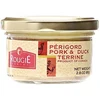
Rougie Duck Terrine from Perigord – $19.32
A ready-to-eat terrine that shows the firmer, sliceable texture this guide describes, molded rather than towel-wrapped like a torchon.
- Best for: Tasting the terrine style before deciding which to serve at a dinner
- Why we picked it: Pre-made and ready to slice, matching the firmer texture this guide attributes to terrine over torchon
- Main drawback: Small 2.8oz size, more of a tasting portion than a full course
Compare more terrine dishes and molds
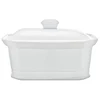 Option 1 Cosy and Trendy Pate Terrine with Ceramic Lid – $53.34
| 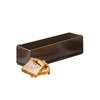 Option 2 Gobel Loaf Pan Pate Mold Non-Stick – $44.99
|  Option 3 Butter Terrine Dish with Lid White Ceramic – $19.99
|
As an Amazon Associate we earn from qualifying purchases.
Torchon vs Terrine: The Essential Showdown
Let’s put these two delicious preparations side-by-side. While both start with high-quality duck or goose liver, the journey they take and the final experience they offer are distinctly different. Think of it as comparing a beautifully sung solo to a rich symphony. Both are orchestral masterpieces, but they evoke different feelings and showcase different elements.
The most significant differences lie in texture, preparation method, and the resulting flavor profile. Understanding these distinctions can help you decide which one to choose based on your personal preference or the occasion.
Texture Comparison:
This is where the separation is most apparent. The torchon, with its gentle cooking and wrapping, achieves an unparalleled smoothness and creaminess. It has a delicate, yielding consistency that literally melts on your tongue. The terrine, on the other hand, is firmer. It’s cooked in a mold and then chilled, resulting in a substantial, sliceable texture that’s still tender and rich, but with more structure. It’s the difference between a velvety custard and a firm panna cotta.
Preparation Method:
The torchon’s preparation centers on gentle poaching or steaming of the liver, tightly wrapped to maintain its form and moisture. The goal is perfect, even cooking without disruption. The terrine involves packing the liver, often with other components, into a mold and baking it, usually in a water bath. This allows for more complex layering and integration of flavors, and the final chilling solidifies its structure.
Flavor Profile:
A torchon is all about the pure, unadulterated essence of the foie gras. Seasonings are usually minimal, allowing the rich, buttery, slightly metallic notes of the liver to shine. A terrine, however, can incorporate a wider array of flavors during or after its cooking. While the liver remains the star, you might taste hints of spices, fruits, or other ingredients that have been cooked alongside or layered within it, creating a more nuanced taste experience.
Serving and Palate Experience:
These differences translate directly into how they are served and enjoyed. The torchon’s soft texture is perfect for thin slices that can be spread or simply savored as they melt. Its richness calls for something to provide contrast, like a sweet jam or a sharp vinaigrette. The terrine’s firm slices are ideal for building small appetizers and pairs well with a broader range of textures, from crunchy bread to softer fruit compotes.
Here’s a quick rundown in a table:
| Feature | Foie Gras Torchon | Foie Gras Terrine |
|---|---|---|
| Texture | Extremely smooth, creamy, buttery, melt-in-your-mouth | Firmer, sliceable, dense yet tender |
| Preparation | Wrapped and gently poached/steamed/sous vide | Molded and baked in a water bath, then chilled |
| Flavor | Pure, intense liver flavor; simple seasoning | Rich liver flavor, can be more complex with added ingredients and spices |
| Form | Cylindrical log | Loaf or rectangular shape (from the mold) |
| Serving Suggestion | Thin slices, spread on toast/brioche, with sweet or acidic contrasts | Slices, served with bread, crackers, chutneys, or pickles |
| Overall Feel | Delicate, luxurious, pure | Robust, elegant, classic |
Making the Choice: Torchon or Terrine?
So, which one should you choose? Honestly, there’s no wrong answer – both are incredible! The best choice usually comes down to what you’re in the mood for and how you plan to serve it.
Choose Foie Gras Torchon if:
- You crave the ultimate in smooth, silky texture.
- You want to experience the purest, most intense flavor of the foie gras itself.
- You prefer a very delicate, melt-away sensation.
- You imagine serving it as a luxurious spread or as delicate, thin slices that practically dissolve.
Choose Foie Gras Terrine if:
- You enjoy a firmer, more substantial bite that can be cleanly sliced.
- You appreciate layered flavors and might enjoy accompaniments that bring out complexity.
- You want a classic presentation that looks stunning on a charcuterie board or appetizer plate.
- You enjoy pairing it with specific breads, crackers, or savory jams.
You can also think about the context. For a truly decadent, unadulterated treat, the torchon is often the go-to. For a more rustic, yet still elegant, appetizer that can be prepared in advance and shared, the terrine shines. Many gourmet shops and restaurants offer both, allowing you to explore the spectrum of this amazing ingredient.
Serving and Enjoying Your Foie Gras
No matter which preparation you choose, serving foie gras well is key to appreciating its full potential. The goal is always to complement, not overpower, its rich flavor and luxurious texture.
Classic Pairings:
- Sweetness: A touch of sweetness is almost essential to balance the fat. Think fig jam, apricot preserves, quince paste, or a drizzle of honey.
- Acidity: Something bright and acidic helps to cut through the richness. Balsamic glaze, a light fruit vinegar, or even a squeeze of citrus can work wonders.
- Crunch: Texture contrast is lovely. Toasted baguette slices, brioche, crostini, or artisanal crackers provide a welcome crispness.
- Saltiness: A sprinkle of flaky sea salt, like Maldon, on top can enhance the flavors beautifully.
- Alcohol: Traditionally, foie gras is paired with sweet wines like Sauternes or Port. A dry sparkling wine or a crisp white can also be refreshing.
Simple Serving Ideas:
For Foie Gras Torchon:
- Ensure the torchon is well-chilled.
- Using a very sharp knife, slice thinly (about 1/4 inch thick).
- Serve immediately on a small piece of toasted brioche or baguette.
- Top with a tiny dollop of fig jam and/or a sprinkle of flaky sea salt.
For Foie Gras Terrine:
- Make sure the terrine is thoroughly chilled and set.
- Use a thin, sharp knife (dipping it in hot water and wiping it dry between slices helps for a cleaner cut) to slice about 1/2 inch thick.
- Serve on a toasted slice of rustic bread or a small cracker.
- Accompany with a small spoonful of fruit chutney or a few cornichons (tiny pickles).
Remember, a little foie gras goes a long way! It’s a rich food, so smaller portions are often the most enjoyable and satisfying. The experience is about savoring the luxurious taste and texture.

Frequently Asked Questions (FAQ)
Q1: Are foie gras torchon and terrine the same?
No, they are not the same. While both are made from duck or goose liver, a torchon is gently cooked and wrapped to achieve a very smooth, creamy texture, while a terrine is packed into a mold, often with other ingredients, and baked to a firmer, sliceable consistency.
Q2: Which is richer, torchon or terrine?
Both are very rich due to the nature of foie gras. However, the torchon is often perceived as even richer because its preparation emphasizes the pure, buttery fat content of the liver, resulting in a more intensely smooth and melt-in-your-mouth experience. The terrine’s richness can be balanced by other ingredients.
Q3: Can I make foie gras at home?
Yes, it is possible to make both torchon and terrine at home, but it requires very fresh, high-quality liver and careful attention to temperature and technique. Recipes and specialized equipment like sous vide circulators can be helpful.
Q4: How long do foie gras torchon and terrine last in the refrigerator?
Once prepared and properly stored, a sealed foie gras torchon or terrine can typically last for about 5-7 days in the refrigerator. It’s best to consume it within a few days for optimal flavor and texture.
Q5: What is the primary difference in cooking method?
The primary difference is how they are cooked. A torchon is usually poached, steamed, or cooked sous vide while wrapped. A terrine is baked in a mold, often in a water bath, and then requires chilling to set.
Q6: Is one healthier than the other?
Both are very high in fat and calories, characteristic of foie gras. The terrine might sometimes be perceived as “healthier” if it incorporates lean meats or fruits and vegetables, or if the portion size is controlled by its firmer, sliceable nature. Fundamentally, they are both indulgent foods to be enjoyed in moderation.
Conclusion
So there you have it – the essential showdown between foie gras torchon and terrine! We’ve explored how each unique preparation method results in distinct textures and flavors, making them special in their own right. Whether you’re drawn to the unparalleled silken creaminess of a meticulously prepared torchon, where the pure essence of the liver shines through, or the classic elegance of a firm, sliceable terrine, boasting a potentially more complex flavor profile, both offer an unforgettable culinary experience.
Understanding these differences empowers you to make the perfect choice for your next gathering or that special quiet moment. Both are a testament to the luxurious world of foie gras, inviting you to explore rich, decadent flavors that have been celebrated for centuries. Whichever you choose, remember to pair it with thoughtful accompaniments that enhance, rather than compete with, its exquisite nature. Enjoy the journey of savoring these gastronomic delights!