
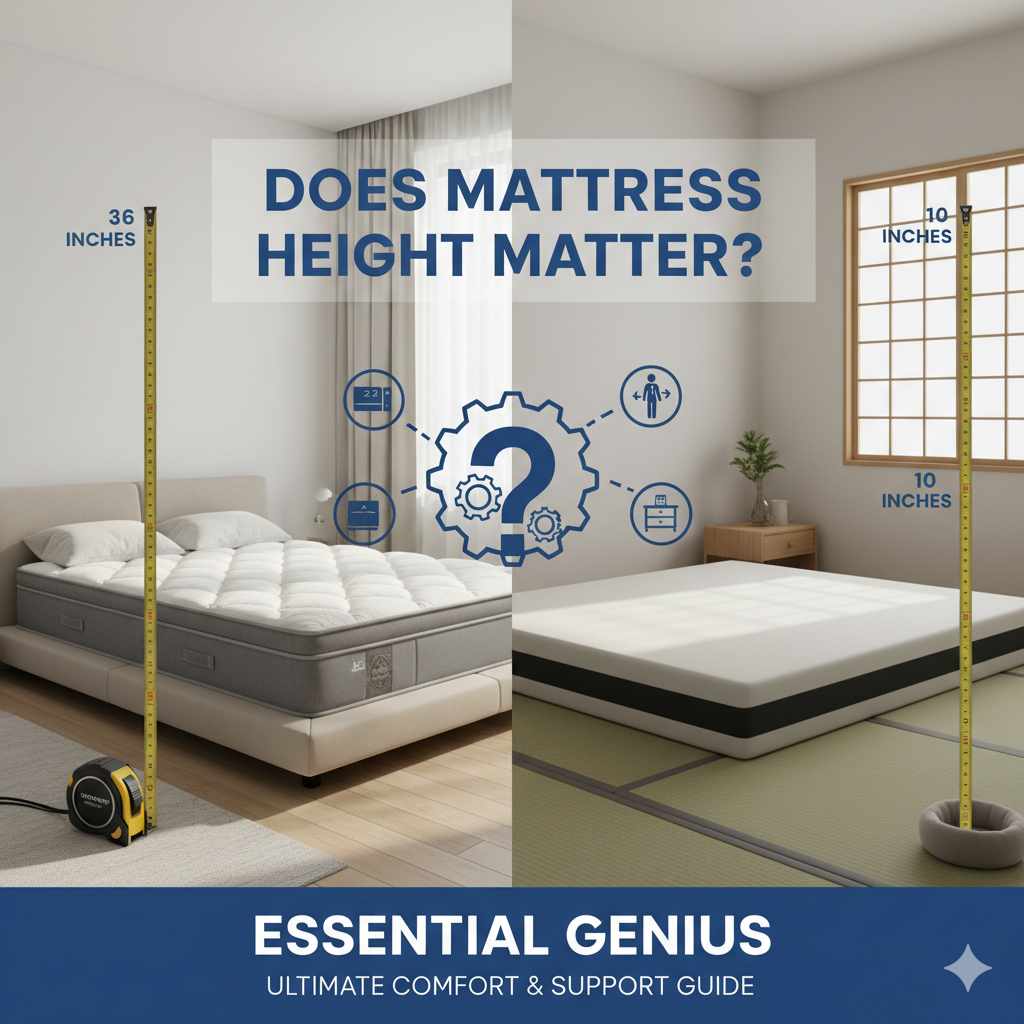
Yes, mattress height absolutely matters! It significantly impacts how easily you get in and out of bed, matches aesthetics, and affects comfort, especially for taller or shorter sleepers. Choosing the right height ensures better accessibility and support.
Tired of feeling like you’re climbing a mountain or sinking into the floor just to get into bed? You’re not alone! Many people forget that the height of their mattress can affect everything from their morning routine to their back health. It might seem like a small detail, but the overall height of your bed setup is crucial for daily comfort and safety. Don’t worry about complex measurements or confusing jargon. I’m here to walk you through exactly why mattress height matters and how to pick the perfect one for your needs. Let’s make climbing into bed as easy as setting your car keys on the counter!
Why Mattress Height is More Than Just Looks: The Practical Impact
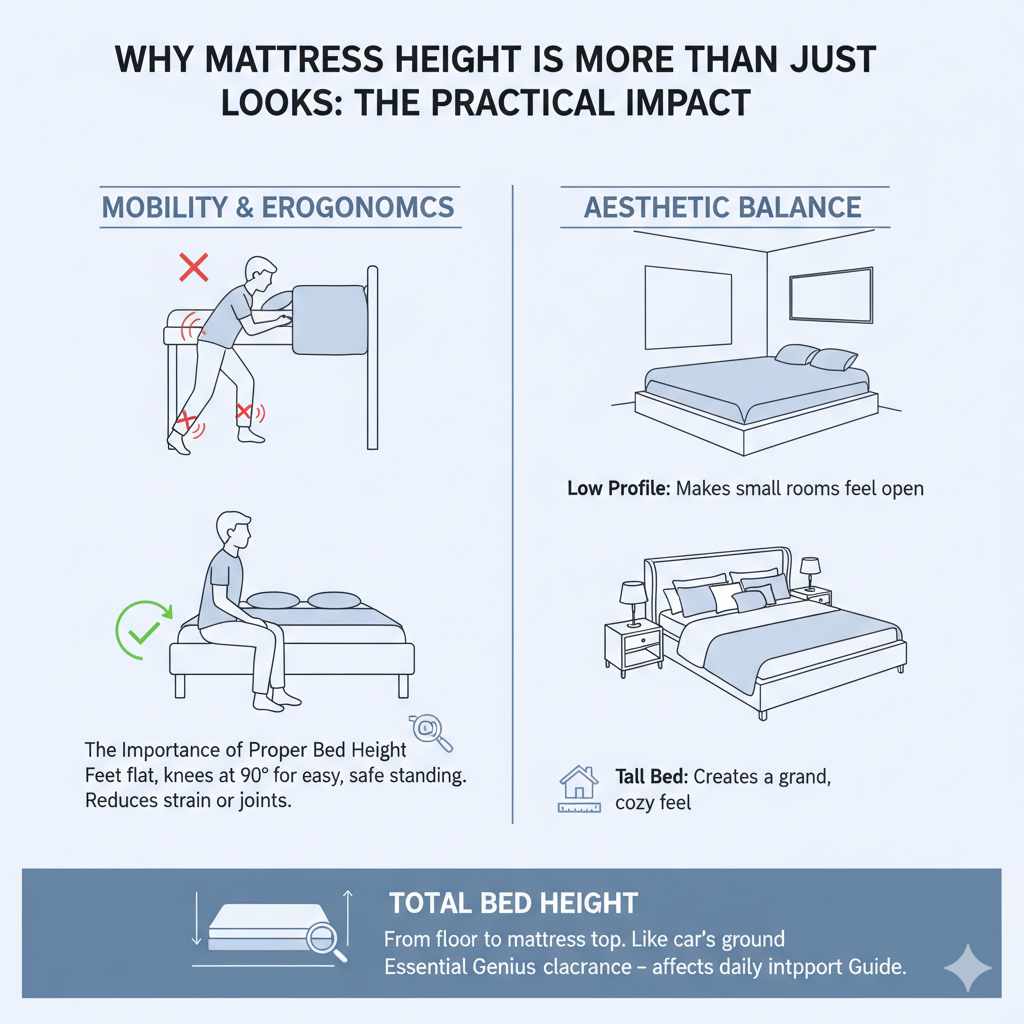
When we talk about mattress height, we aren’t just looking at the mattress itself. We are talking about the total ‘bed height’—the distance from the floor to the very top of your mattress surface. This total height affects how you interact with your bed every single day. Think of it like the ground clearance on your car; too low, and you scrape; too high, and it feels like a big jump!
The Importance of Proper Bed Height for Mobility
For many, especially older adults or those with joint pain, getting into and out of bed is a daily challenge. If the bed is too high, you’re forced to make a huge leap down, which stresses knees and hips. If it’s too low, sitting up requires a lot of upper body strength.
We want a height where your feet can rest flat on the floor with your knees bent at a comfortable 90-degree angle when you sit on the edge. This simple alignment makes standing up much safer and easier. According to experts in ergonomics, maintaining this neutral position reduces strain significantly.
Aesthetic Balance in Bedroom Design
While function is king, form matters too! The height of your mattress influences how your bedroom looks. A very low-profile bed can make a small room feel more open, while a very tall bed can create a grand, cozy feel, like a luxury hotel setup. Finding the right balance keeps your room looking intentional and welcoming.
Breaking Down Mattress Components: What Adds to the Height?
To figure out the total height you need, you must understand the building blocks of your bed. It’s a simple formula:
Total Bed Height = Foundation Height + Mattress Thickness
Let’s explore what contributes to that final number.
1. The Mattress Thickness (The Core Comfort Layer)
Mattresses come in various thicknesses, typically ranging from 6 inches (for minimalist or trundle beds) up to 18 inches or more (for ultra-plush pillow-tops).
Thin Mattresses (6–10 inches): Great for bunk beds, platform frames where you want a low profile, or for children. Less material means less support for heavier individuals or those needing significant pressure relief.
Medium Mattresses (10–14 inches): This is the sweet spot for most people. It offers a good balance of support layers (like innerspring coils) and comfort layers (like foam).
Thick Mattresses (14+ inches): These are usually deeply cushioned luxury models. They feel incredibly soft but can make the bed very high, which can be an issue for shorter sleepers.
2. The Foundation or Base (The Support Structure)
The foundation sets the initial height. This can be a traditional box spring, a low-profile platform, or adjustable systems.
Traditional Box Spring (Approx. 7–9 inches): These add significant height and offer excellent support, especially for older innerspring mattresses.
Platform Frames (Varying – 6 to 12 inches): Platform beds often have integrated support and can be purchased in very low (5-inch) or standard (12-inch) heights. Low platforms are fantastic for modern, sleek looks.
Standard Metal Bed Frames (Approx. 5–7 inches clearance): These usually just consist of legs and support rails, often requiring a separate foundation or the mattress sitting directly on slats.
The height of the legs on your frame can also be adjusted, sometimes by simply unscrewing the casters (wheels) or switching to taller ones, similar to how you might swap out tires on a vehicle for a lift or lowering kit!
How to Calculate Your Ideal Bed Height: A Step-by-Step Guide
Finding the perfect height isn’t guesswork. It’s about applying a few simple measurements based on who is using the bed. Follow these steps to nail your ideal sleeping height:
Step 1: Measure Your Ideal Sitting Height
This is the most important step for mobility.
- Sit down on a sturdy, flat surface (like a dining chair) that feels comfortable for standing up from.
- Have a friend measure the distance from the floor straight up to the back of your knee (the popliteal height).
Step 2: Determine Your Target Surface Height
You want the top of your mattress to be about 1 to 2 inches lower than the measurement you took in Step 1.
Example: If your knee height is 19 inches, an ideal mattress surface height would be between 17 and 18 inches. This allows an easy, gentle lowering motion when you sit down.
Step 3: Subtract the Mattress Thickness
Now, subtract the thickness of the mattress you plan to buy. Let’s assume you are looking at a standard 12-inch thick mattress.
Calculation: Target Height (18 inches) – Mattress Thickness (12 inches) = 6 inches.
Step 4: Select the Right Foundation/Frame
The resulting number (6 inches in the example) is the approximate height your foundation or frame needs to be to achieve your perfect sitting level. If you plan to use a platform frame, you would look for one where the base itself is about 6 inches tall.
Factors That Demand a Specific Mattress Height
Certain lifestyle factors make mattress height less of a choice and more of a necessity. Ignoring these can lead to discomfort or even falls.
For Seniors and Individuals with Mobility Issues
For anyone who uses a walker, cane, or struggles with balance, a bed that is too high is a serious hazard.
The Goal: Easy transfer. The bed should be low enough so that when sitting on the edge, your feet are flat on the floor with your hips slightly higher than your knees. This alignment engages your large leg muscles for an easier push-up.
Recommendation: Generally, aim for a total height under 24 inches. Low-profile platform beds paired with thinner (10-12 inch) mattresses are excellent here.
For Very Tall Sleepers (Over 6’3”)
Tall sleepers often feel short-changed by standard bed heights.
The Challenge: A standard 24-inch high bed might feel like sitting on the floor to someone who is 6’6”! They often have long legs, meaning when they sit, their knees will be much lower than their hips, forcing them to strain to stand up.
Recommendation: Tall individuals should look for foundations or frame risers that create a total height of 28 to 32 inches. This is often achieved with a tall metal frame and a thicker mattress (14 inches or more).
For Pediatric or Guest Rooms (Bunk Beds)
Safety is the absolute priority here, which dictates height limits.
The Rule of Thumb: For upper bunks, guards must be high enough to prevent rolling out during sleep. For trundle beds or low mattresses on the floor, the primary goal is ease of access and a low profile to maximize ceiling space.
Comparing Height Pros and Cons: A Quick Reference
Choosing between a low bed and a high bed involves trade-offs. Knowing these ahead of time helps you make a confident choice.
| Bed Height Category | Pros | Cons |
|---|---|---|
| Low Profile (Under 20 inches) | Great for modern aesthetics, easier for shorter individuals, maximizes room height. | Difficult for those with bad knees/hips to stand up from; less under-bed storage. |
| Standard Height (24–27 inches) | The ergonomic “sweet spot” for average 5’6″ to 6′ sleepers; good storage space. | Can feel too tall for very short sleepers; may require a short box spring to achieve. |
| Extra Tall (28+ inches) | Ideal for very tall sleepers or those needing maximum space to slide items underneath. | Can be dangerous for small children or seniors to climb into; dominates the room visually. |
Mattress Height and Support: A Hidden Connection
While height is about accessibility, the thickness of the mattress directly ties into its support structure. Thicker usually means more layers, which generally equates to better performance—if those layers are supportive.
The Role of Coil Count and Foam Density
A very thin 8-inch mattress usually relies heavily on conforming foam layers. While soft, these can break down faster under heavy use.
A thick 14-inch hybrid mattress, however, typically contains:
1. A thick comfort layer (foam or latex).
2. A robust transition layer.
3. A deep pocketed coil system for push-back support.
This multi-layer construction adds height but also durability and targeted support for spinal alignment. You are buying inches of performance, not just inches of fluff. If you’re looking for information on selecting the right support system for your body weight, organizations like the Sleep Foundation offer great resources on mattress construction and durability standards.
Dealing with Adjustable Bases
Adjustable bases—those motorized frames that let you lift the head or foot of the bed—add significant height, usually 12 to 15 inches just for the mechanism and base structure.
If you purchase an adjustable base, you must account for that built-in height when selecting your mattress and foundation. You often cannot use a traditional box spring with an adjustable base. You usually place the adjustable base onto a simple metal frame or legs, and the motor mechanism itself dictates the lowest usable point.
Practical Tips for Adjusting Your Current Bed Height
Maybe you just bought a new mattress and it’s five inches thicker than your old one, suddenly making your bed feel like a mountain peak. Don’t panic! You don’t need to buy a whole new frame. There are often simple, affordable ways to adjust.
1. Use Frame Risers or Extenders
Similar to adding spacers to your car’s suspension, you can buy furniture or bed risers. These typically screw into the existing legs or sit directly under them, adding 3 to 8 inches instantly. Always ensure the risers are rated for the weight of your mattress and* the occupants. Safety first!
2. Swap Out Foundations
If you are currently using a thick 9-inch box spring with a 12-inch mattress (totaling 21 inches, plus frame), consider switching the box spring for a low-profile foundation (about 5 inches) or a bunkie board (a thin, rigid layer, often less than 2 inches thick) if your mattress warranty allows it to sit directly on slats. This can drop the height by 4 to 7 inches immediately. Consult your mattress warranty first, as placing a foam mattress directly on wide slats without proper support voids many guarantees.
3. Consider Different Feet for Your Frame
Many modern metal frames allow you to swap the feet or casters. Sometimes, the feet you have installed are the taller ones intended for maximum storage clearance. Switching to shorter, non-wheeled feet can often shave off a crucial inch or two without altering the core structure of the support system. This is great for the DIY-er who likes tinkering!
Mattress Height and Temperature Regulation
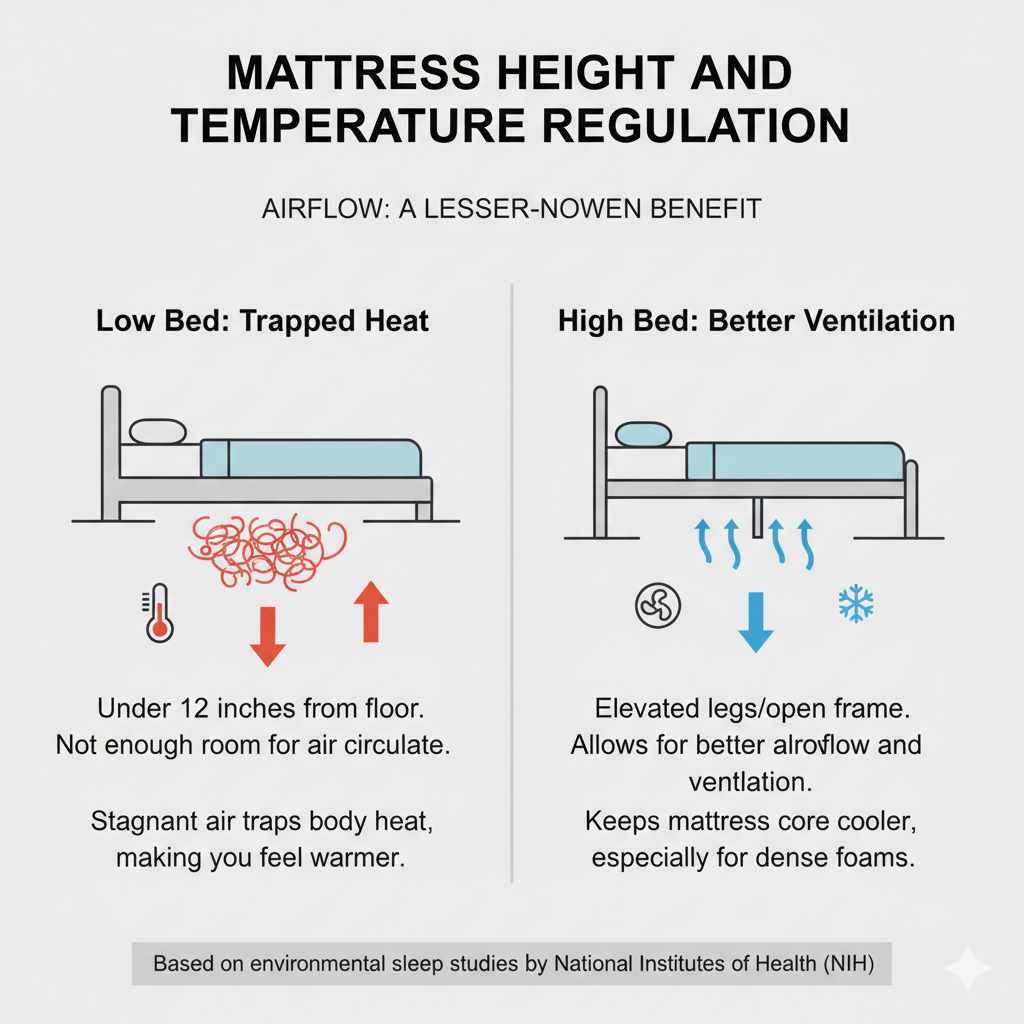
This is a lesser-known benefit tied to height—airflow! A bed that is too low to the ground can trap body heat.
When your mattress sits very close to the floor (say, under 12 inches total), there isn’t enough room for air to circulate underneath the bed. Air tends to get stagnant near the floor. This stagnant air can transfer heat back up into the mattress, making you feel warmer during the night.
A higher bed, especially one supported by an open metal frame or elevated legs, allows for better ventilation underneath, helping to keep the mattress core cooler. This ventilation is vital for those using dense memory foam, which naturally traps more heat. For more about how bedroom environment control affects sleep, resources like those from the National Institutes of Health (NIH) often discuss environmental factors in sleep studies.
FAQ: Beginner Questions About Mattress Height
Here are straightforward answers to common questions about making bed height decisions.
Q1: What is considered the “standard” total height for a bed today?
A: Most standard bed setups today result in a total height of 24 to 27 inches from the floor to the top of the mattress. This height accommodates the average adult comfortably for sitting and standing.
Q2: Can a very thick mattress (like 16 inches) be too tall?
A: Yes, absolutely. If you are under 5’5”, a 16-inch mattress combined with even a medium frame (8 inches) will put your total height near 24 inches, which might feel like climbing onto a picnic table for you.
Q3: Does mattress height affect warranty coverage?
A: The height of the mattress layer itself rarely voids the warranty. However, the support system beneath it can. If your warranty states the mattress must be supported by a foundation or slats no more than 3 inches apart, using a solid platform that doesn’t meet those slat requirements could void the warranty, regardless of height.
Q4: Should I choose a lower bed if I have pets?
A: Yes, a lower bed makes it much easier for older pets, like senior dogs, to jump on and off the bed safely without risk of injury from a great height.
Q5: Are low platform beds better for earthquake areas?
A: Generally, yes. Lower center of gravity makes taller furniture more stable during seismic activity. A low platform bed is less likely to tip or fall compared to a tall, heavy four-poster bed.
Q6: Do I need a special frame if I buy a very thick mattress?
A: If the mattress is thicker than 14 inches, you must check its specifications. Many manufacturers require a rigid, non-flexible support system (like a solid platform or closely spaced slats) for very dense, thick hybrids or foam mattresses to prevent premature sagging.
Conclusion: Driving Home the Importance of Bed Height
Getting your bed height right is like ensuring your tire pressure is perfect—it’s a small detail that makes a huge difference in daily performance and safety. Mattress height isn’t just about what looks good in a showroom; it’s fundamentally about biomechanics and accessibility for your body.
Remember the simple equation: you need to be able to sit down comfortably with your feet flat. By measuring your knee height and subtracting the thickness of the mattress you like, you can confidently select the right frame or foundation. Whether you need greater clearance for storage, a lower step for easier entry, or a specific aesthetic boost, understanding the components—the mattress layer and the base structure—gives you total control. You now have the knowledge to engineer the perfect height for your sleep sanctuary, ensuring every trip to bed is safe, comfortable, and stress-free! Drive on to a better night’s sleep!