Bedroom Nightstand Size Chart
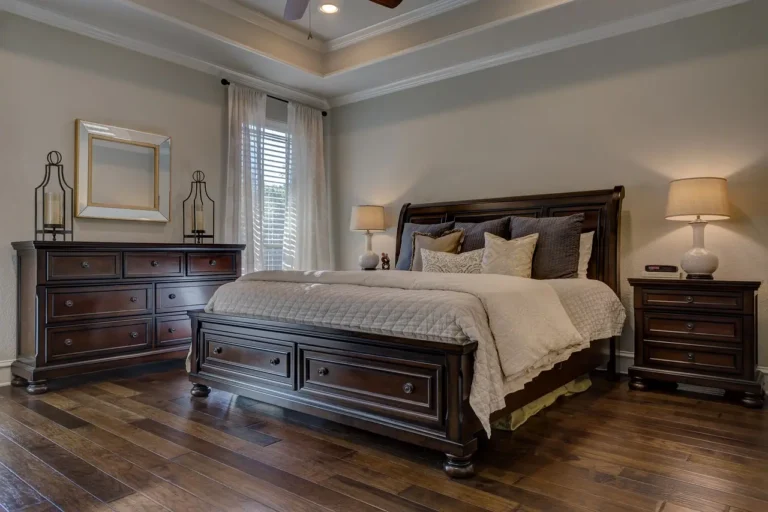
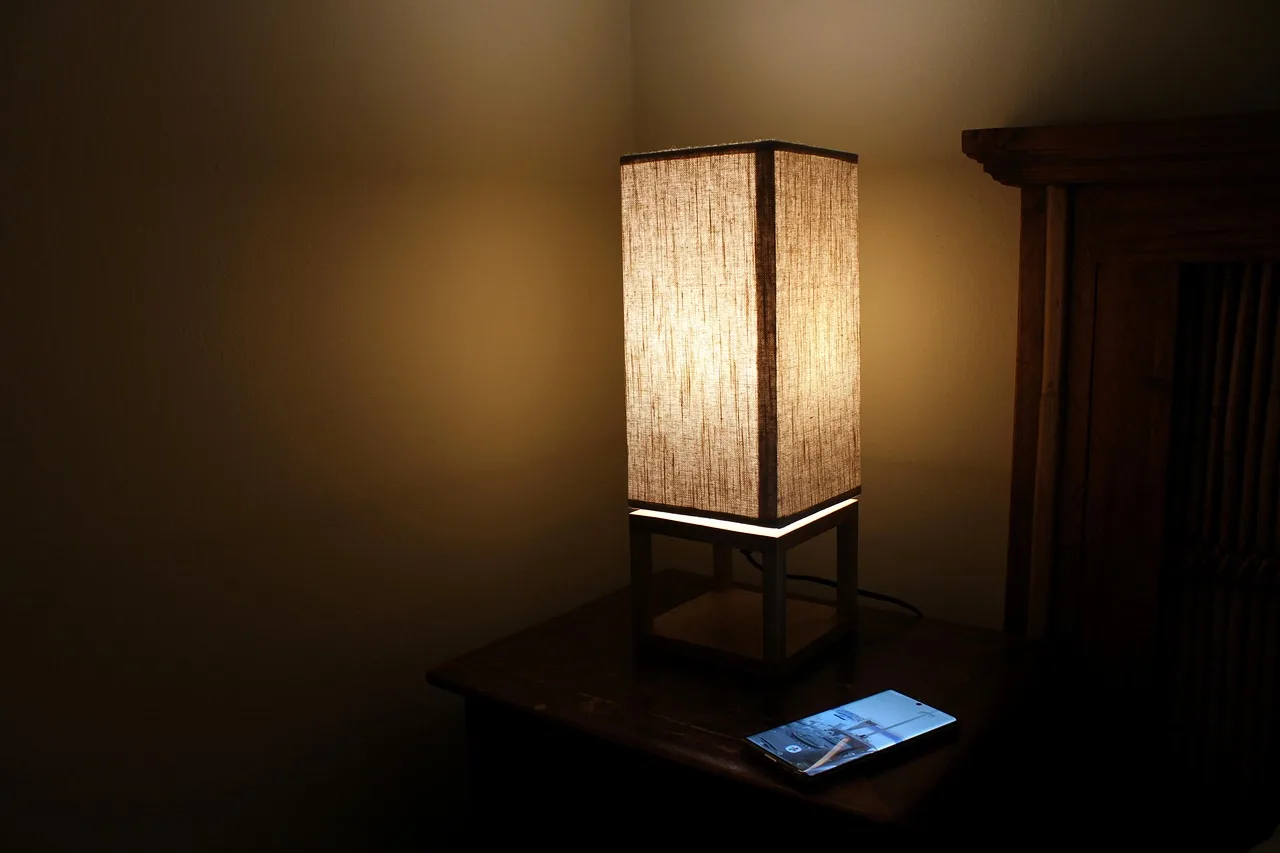
Choose a nightstand about 2 to 4 inches taller than the mattress top, with about 24 to 30 inches of width for twin and full/queen rooms and about 28 to 36 inches for king rooms. If the height misses the mattress line, lamps sit awkwardly and drawers feel cramped; if the width is off, the piece can crowd walkways. This guide gives a bedroom nightstand size chart with exact width and height choices based on bed size, mattress height, and room clearance.
How tall should a nightstand be?
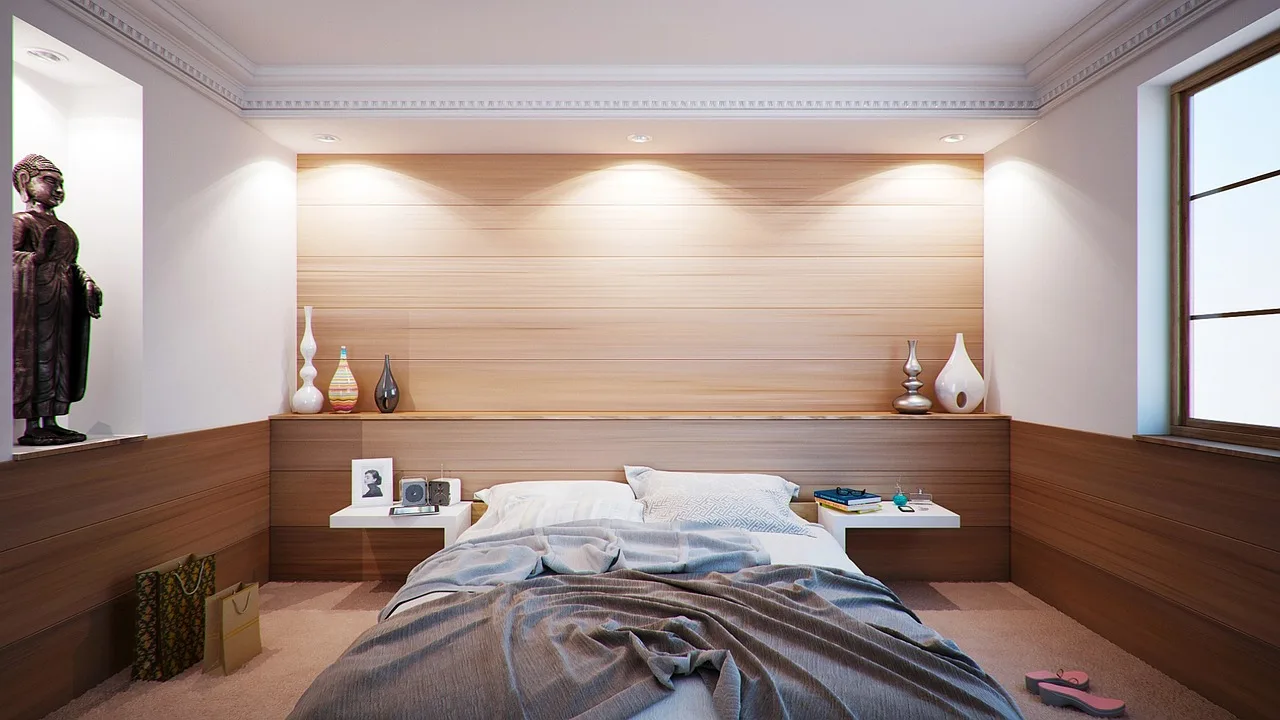


The best nightstand height is usually level with your mattress top or a little below it. A standard nightstand ranges from 22 to 28 inches high, and a difference of two to three inches either way usually works well when you are matching the bedside surface to the bed.
Measure the mattress-top height first
- Measure from the floor. Measure straight up from the finished floor to the top of the mattress, not to the frame or box spring. That number becomes your benchmark for nightstand height.
- Compare the top surfaces. Aim for a nightstand top that sits roughly even with the mattress top, or slightly below it. That makes it easier to reach a lamp switch, book, or phone without lifting your arm too high.
- Check the bedside use case. If the nightstand must hold a tall lamp, you may want the top near the mattress level for better reach. If it is mostly for a small lamp and a water glass, a slightly lower top can still work.
What counts as too tall or too low
A nightstand that sits well above the mattress can make the surface harder to reach and can break the visual line beside the bed. A nightstand that sits too low can look undersized and make everyday items harder to grab. Function first, style second.
Picture a bed with a 25-inch mattress top and a 33-inch nightstand. That nightstand is likely too tall for comfortable bedside reach, even if the finish looks right. A 23- to 27-inch piece would usually fit the bed better.
How wide is a nightstand?
Nightstands can be under 21 inches wide for compact setups, 21 to 28 inches wide for many full, queen, and king beds, and around 31 inches wide for spacious farmhouse layouts. Width should match both the bed size and the side clearance you have left after accounting for walkways and doors.
Width choices by bed size
- Twin beds: Compact nightstands often work best, especially under 21 inches wide, because the room side space is usually tight.
- Full and queen beds: Standard nightstands between 21 and 28 inches wide usually fit well without crowding the bed zone.
- King beds: Wider nightstands can look proportional, but only if the room leaves enough side clearance for walking and door movement.
A common first-timer mistake is choosing a nightstand for the bed size alone and forgetting the room width. A 29-inch-wide piece may be fine next to a king bed in a large primary bedroom, but it can feel oversized in a narrow guest room with closet doors nearby.
Width buckets that help you decide
- Compact: under 21 inches wide.
- Standard: 21 to 29 inches wide.
- Wide: over 29 inches wide.
The strongest nightstand picks often land in the 16- to 22-inch width range, especially when the room is tight and the bedside surface only needs to hold a lamp, a book, and a water glass. Wider pieces work better when you need extra drawers or a larger top.
Nightstand depth and room clearance
Depth matters as much as width. The nightstand has to hold a lamp, book, water, and phone without sticking so far into the room that it blocks walkways, closet doors, or the swing of a bedroom door.
Check bedside essentials first
- List the items you use nightly. Include the lamp base, a reading book, a water glass, a charger, and the phone. Each item takes depth on the top surface and may need a little buffer near the edge.
- Measure the usable depth. Confirm how much depth fits between the bed edge and the nearest obstruction. In a tight room, a deep nightstand can force you to turn sideways near the bed.
- Test the door swing. Open the bedroom door, closet door, and any nearby HVAC access fully. The nightstand should not sit in the swing path or pinch the walkway.
Why shallow is safer in tight rooms
A shallower nightstand leaves more floor space for movement. That matters in bedrooms with closet doors, a radiator, or HVAC returns near the bed wall. If the room is narrow, depth should be chosen after clearance, not after style.
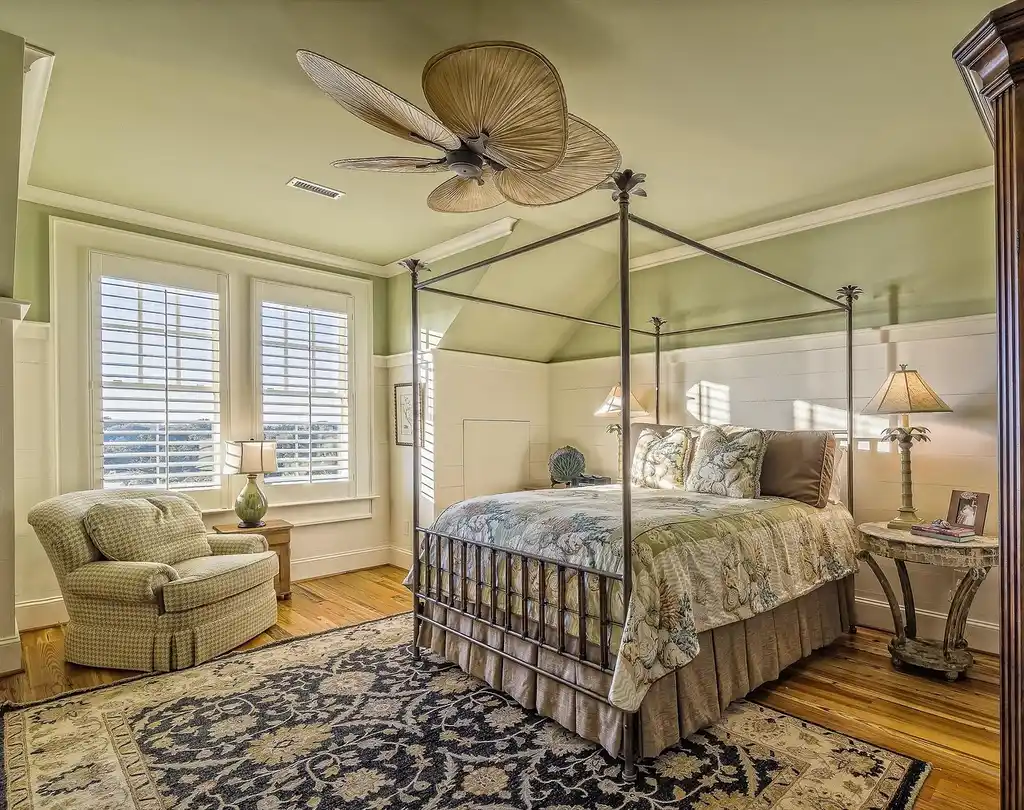
This chart turns bed size, mattress-top height, and room constraints into a practical nightstand choice. Use the mattress top as the height benchmark, then narrow the width and style based on how much side clearance the room leaves.
| Bed size | Mattress-top height | Room constraint | Recommended height | Recommended width | Style bucket |
|---|---|---|---|---|---|
| Twin | 22 to 24 inches | Tight walkway or closet nearby | Small/Low, under 23 inches | Under 21 inches | Floating wall-mounted or slim drawer pedestal |
| Full | 23 to 26 inches | Moderate clearance, one side tighter than the other | Standard, 23 to 30 inches | 21 to 28 inches | Classic 2-drawer or slim drawer pedestal |
| Queen | 24 to 27 inches | Balanced room with normal walk space | Standard, 23 to 30 inches | 21 to 28 inches | Classic 2-drawer or mixed-material statement |
| King | 24 to 28 inches | Wide bedroom with clear side access | Standard, 23 to 30 inches or Tall, 30 to 35 inches if the bed sits high | 21 to 28 inches; over 29 inches only when space allows | Classic 2-drawer, mixed-material statement, or sculptural pedestal |
| King | 28 to 31 inches | Primary suite with tall bed and broad side clearance | Standard to Tall, 23 to 35 inches | Over 29 inches if walkways stay open | Wide statement piece or sculptural pedestal |
For a typical 14-inch mattress on a 10-inch platform bed, a 24- to 26-inch-tall nightstand is a sensible target. That follows the mattress-top benchmark and keeps the surface close to the bed height.
Bedside pairs and asymmetry
Matching pairs make sense when both sides of the bed have similar clearances and similar use. Asymmetric pairs are better when one side is tight against a wall or closet and the other side has room for a wider drawer unit or a lamp-heavy setup.
What size nightstand works in a small bedroom?
Small bedrooms do best with compact, shallow, and visually light nightstands. A floating wall-mounted unit, a slim drawer pedestal, or a narrow table under 21 inches wide usually fits better than a deep or oversized cabinet, especially when closet doors or the bedroom door sit close to the bed.
Best fits for tight layouts
- Floating wall-mounted: Use this when floor space is scarce and you want to keep the walkway open.
- Slim drawer pedestal: Choose this when you need one drawer but cannot spare a full cabinet footprint.
- Classic 2-drawer: Works only if the room still leaves enough depth and side clearance after placement.
Suppose a small guest room has a queen bed, a closet door beside the bed, and only a narrow path to the hall. A floating nightstand may fit the room better than a floor-standing cabinet because it protects both the walkway and the door swing.
Nightstand style by bedroom setup
Style affects footprint, not just appearance. A floating wall-mounted piece uses the least floor space. A slim drawer pedestal keeps a small base. A classic 2-drawer nightstand adds storage and usually needs more width and depth. Mixed-material statement pieces and sculptural pedestals can be beautiful, but they need enough room to avoid feeling cramped.
Set of 2 or single nightstand
A set of 2 often works well for symmetrical bedrooms with similar clearance on both sides of the bed. A single nightstand can be the better choice when one side is against a wall, beside a closet, or blocked by HVAC or a door swing. If one side has far less room, choose an asymmetric pair instead of forcing a match.
When storage changes the size
If you need room for books, chargers, and a water glass, a classic 2-drawer format usually gives the most usable surface plus hidden storage. If the surface only needs a lamp and phone, a smaller pedestal or floating unit can be enough.
Common nightstand sizing mistakes
The biggest mistakes are easy to spot. Too tall, too low, too wide, and too deep all create different problems, and each one shows up differently in the bedroom.
- Too tall: The top sits above the mattress line and makes the bedside surface awkward to reach.
- Too low: The piece looks under-scaled and can make the lamp and other items feel sunk below bed level.
- Too wide: The nightstand crowds the walkway, closet door, or the turning path at the side of the bed.
- Too deep: The piece blocks movement or sticks into a door swing, even if the width looks fine.
The fix is to treat height, width, and depth as separate choices. A nightstand can be the right height and still fail if it is too deep for a narrow room. It can also be the right width and still feel wrong if it sits much higher than the mattress.
Frequently asked questions
How wide are nightstands?
Nightstands are often under 21 inches wide for compact rooms, 21 to 28 inches wide for many full, queen, and king setups, and over 29 inches wide for larger bedrooms. Width should follow both bed size and the clearance you need for walking space and door swings.
Nightstand height vs bed height
The top of the nightstand should sit roughly level with the top of the mattress, or slightly below it. A difference of two to three inches either way usually works well. If the bedside surface is much taller or much lower, daily reach and visual balance tend to suffer.
What size nightstand do I need for my bed?
Start with mattress-top height, then match width to the bed and room. Twin beds usually suit compact pieces, full and queen beds usually fit standard widths, and king beds can take wider pieces if the room stays open. The best size always leaves room for walking and door movement.
Should my nightstand be higher or lower than the mattress?
Slightly lower is usually safer than clearly higher. The top should sit roughly level with the mattress, and a two- to three-inch difference is generally fine. A nightstand that rises well above the mattress can feel awkward to reach and can make the bedroom look top-heavy.
Products related to this article
Sponsored / affiliate links. As an Amazon Associate I earn from qualifying purchases. I may earn additional commission from eligible campaigns.