
Author: Arlene J. Clark

  • How To Style Bookshelf

    How To Style Bookshelf

    A beautifully styled bookshelf can transform any room, elevating it from functional to a curated reflection of your personality and aesthetic. Whether you’re an avid reader, a collector of artful trinkets, or someone seeking a harmonious blend of form and function, your bookshelf deserves thoughtful attention. Styling a bookshelf is more than simply stacking books;…


  • How Much Material to Reupholster a Chair: Expert Guide

    How Much Material to Reupholster a Chair: Expert Guide

    Reupholstering a chair is a rewarding way to give old furniture new life. Whether you’re updating a family heirloom or refreshing a thrift store find, one of the first questions you’ll face is: How much material do you need to reupholster a chair? The answer isn’t always simple. Chairs come in many shapes and sizes,…

  • Ikea Cabinets Vs Lowes

    Ikea Cabinets Vs Lowes

    Choosing the right kitchen cabinets is one of the most impactful decisions you’ll make during any remodel or new build. The debate between Ikea cabinets and Lowes cabinets is front and center for both DIY enthusiasts and homeowners seeking quality, style, and value. With both brands offering extensive product lines, customizable options, and distinctive approaches…

  • Is Pickling Salt the Same as Canning Salt?

    Is Pickling Salt the Same as Canning Salt?

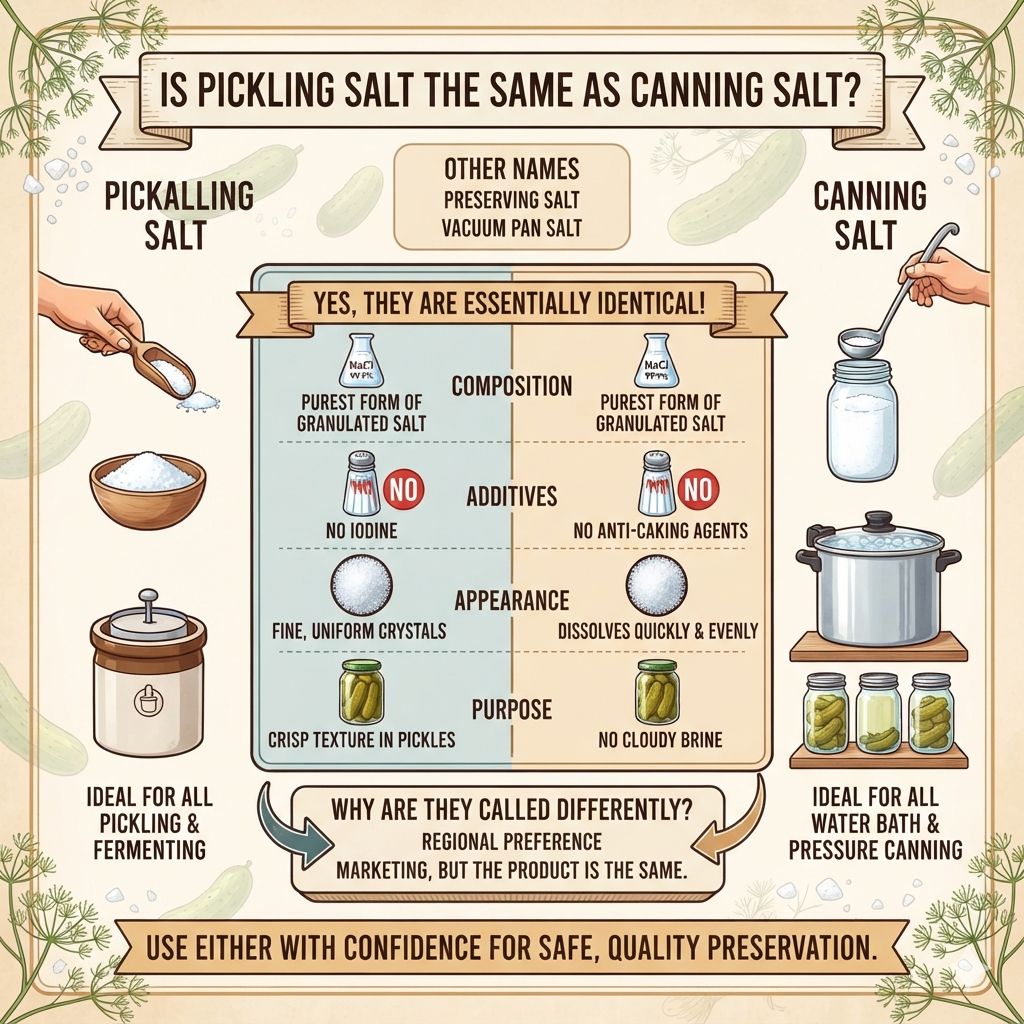
    This post will break down the key differences, explain why these distinctions matter, and help you choose the right salt for your preserving endeavors, ensuring your pickles, jams, and other canned goods turn out perfectly every time. We’ll cover everything from chemical composition to practical applications. In short, while both pickling salt and canning salt…

  • Canning salt and iodized salt differ in purity and use, making the right choice important for safe, quality food preservation.

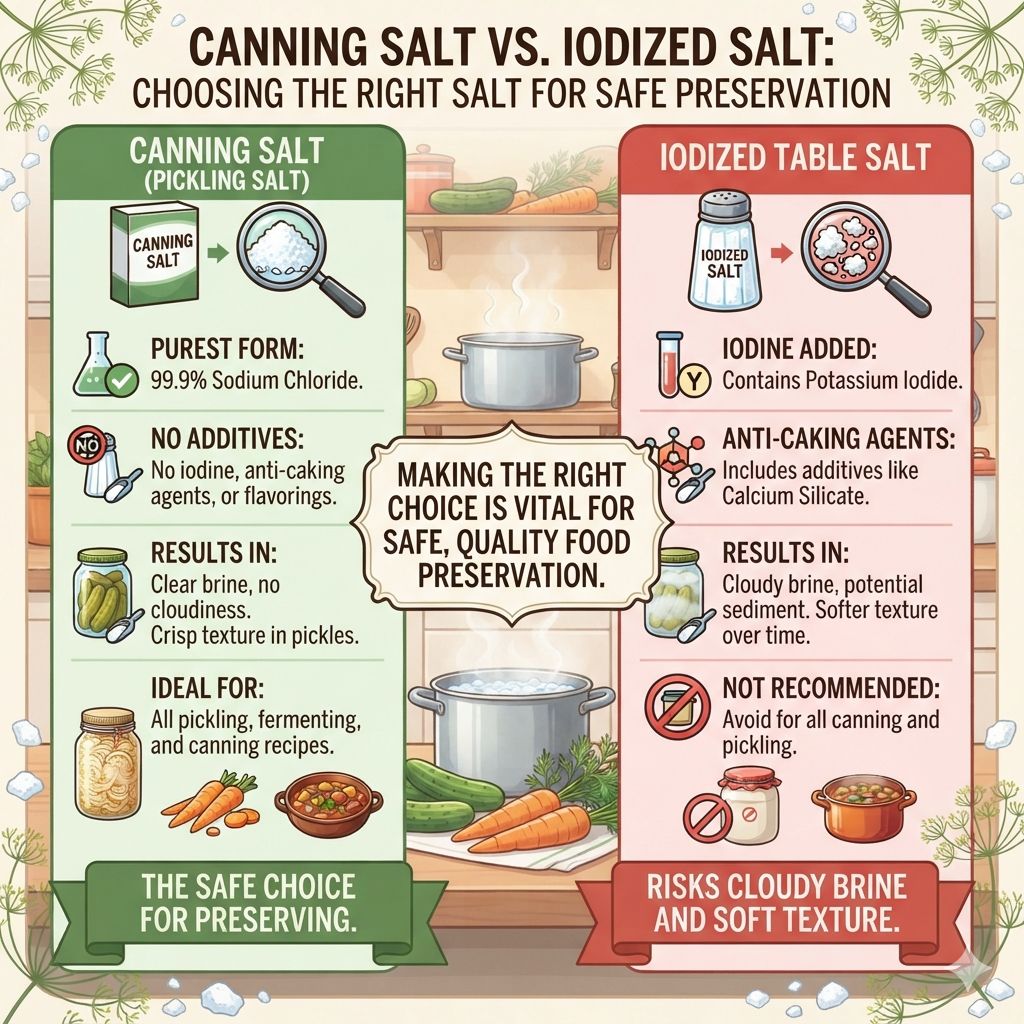
    Canning salt and iodized salt differ in purity and use, making the right choice important for safe, quality food preservation.

    Simply put, canning salt is pure salt without additives like iodine or anti-caking agents, making it ideal for preserving food where clarity and preventing discoloration are important. Iodized salt contains iodine and anti-caking agents, which can cause cloudiness, discoloration, and off-flavors in canned goods, making it unsuitable for most canning applications. Key Takeaways What is…

  • Choosing the right canning jar makes preserving food easier.

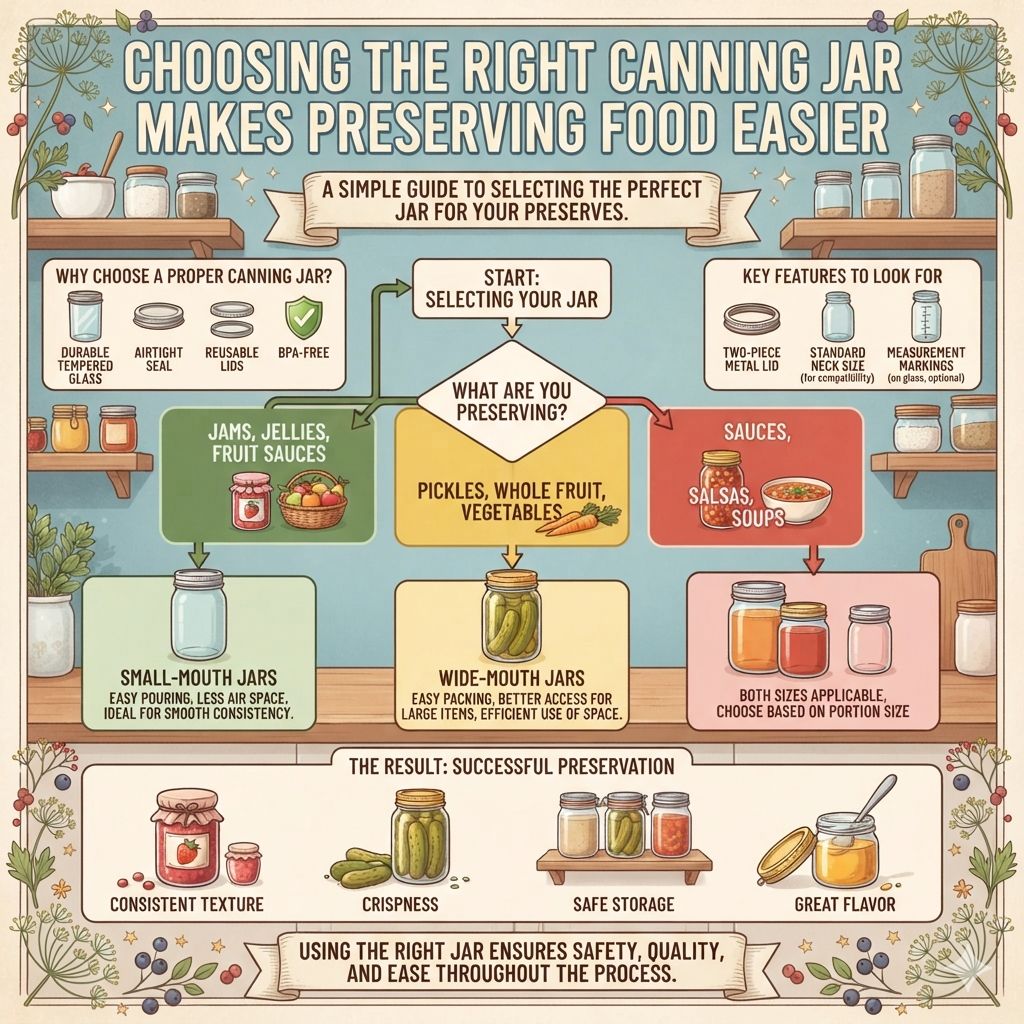
    Choosing the right canning jar makes preserving food easier.

    Simply put, wide mouth jars offer easier filling and access, ideal for chunky foods and general use, while regular mouth jars are more traditional, slightly more economical, and better for liquids or smaller items like whole spices. Your choice depends on what you’re canning and your personal preference for usability. Key Takeaways What Are Wide…

  • Freeze-drying vs canning: Which is better for long-term food storage?

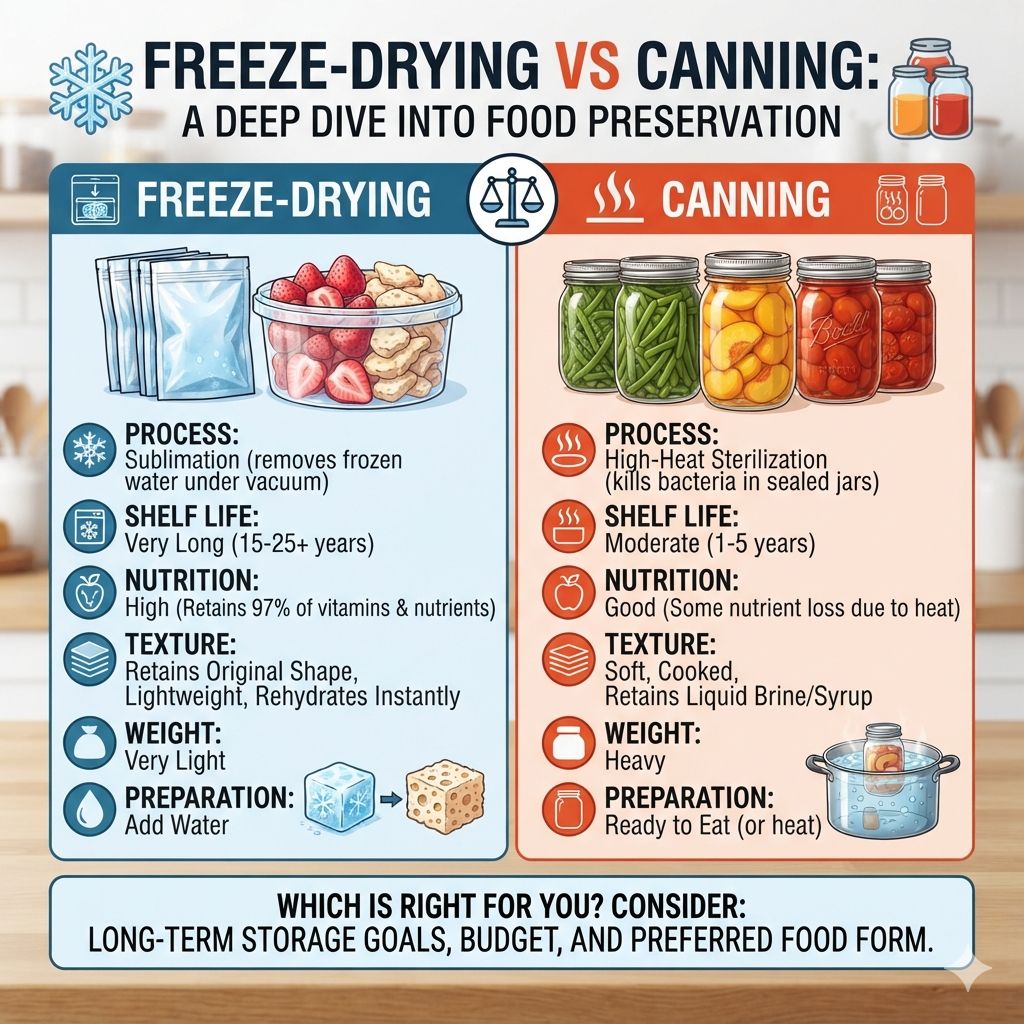
    Freeze-drying vs canning: Which is better for long-term food storage?

    Freeze-drying offers superior retention of nutrients and texture but comes with a higher initial cost, while canning is more budget-friendly and accessible but can alter food’s taste and nutritional profile more significantly. The best choice depends on your priorities for taste, texture, nutrient preservation, and budget. Key Takeaways What is Freeze-Drying? Freeze-drying, also known scientifically…

  • Canning salt vs kosher salt: What’s the difference

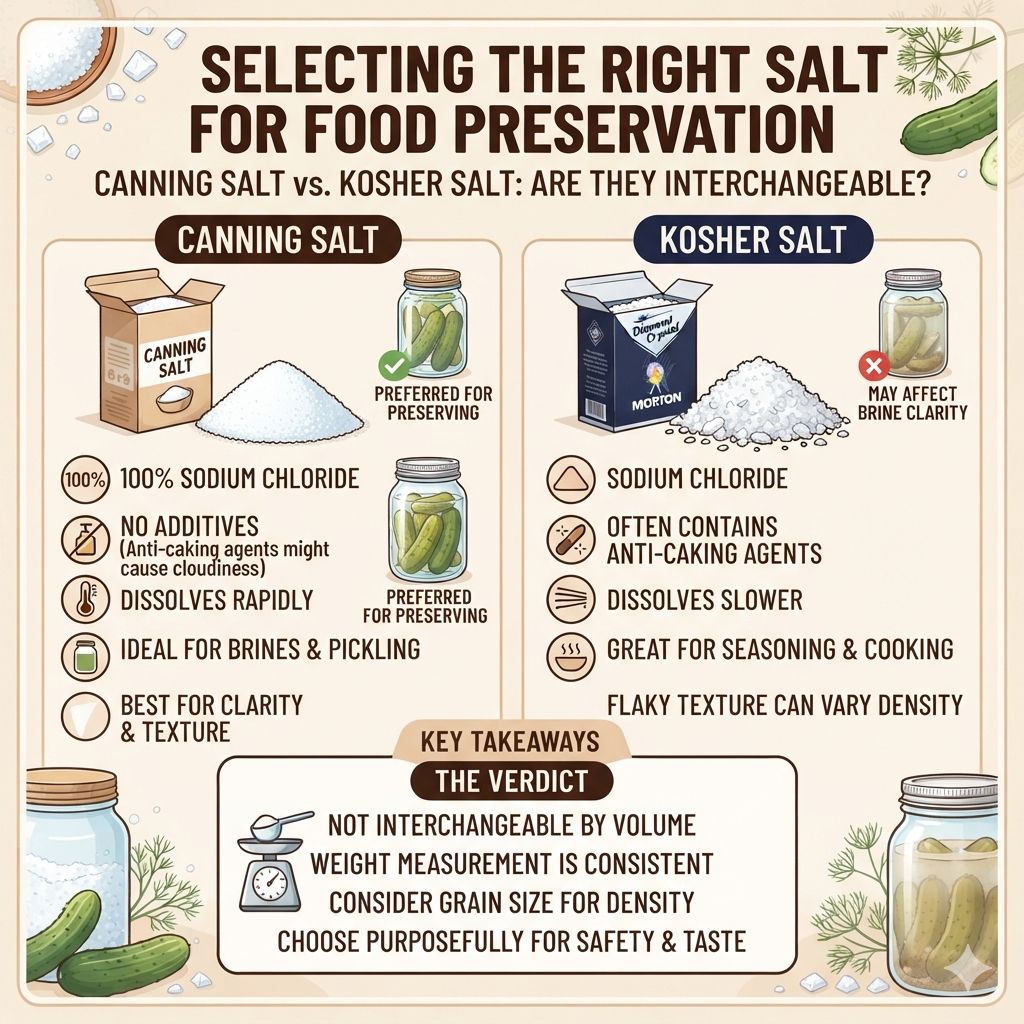
    Canning salt vs kosher salt: What’s the difference

    Simply put, canning salt is pure sodium chloride with no additives, specifically designed for preserving food to prevent cloudiness in brines. Kosher salt, while also pure salt, often has larger, irregular crystals and may contain anti-caking agents, making it less ideal for the precise needs of canning. Key Takeaways What is Canning Salt? Canning salt…