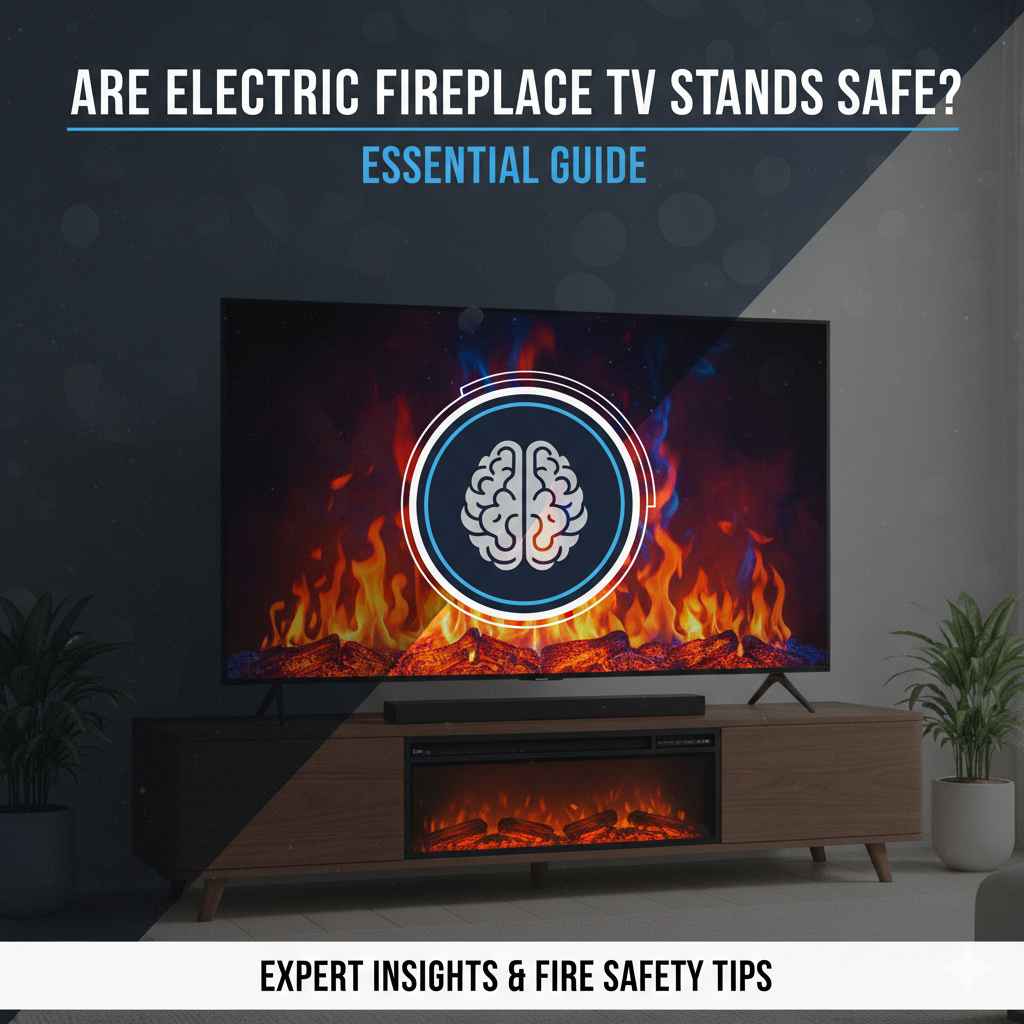
Yes, electric fireplace TV stands are generally very safe when used correctly. They use low heat settings and safety features like automatic shut-off. Always follow the manufacturer’s manual, ensure proper ventilation, and never block the heat vents to guarantee safe operation near your electronics and family.
Are you thinking about adding cozy ambiance to your living room without the hassle of wood or gas? Electric fireplace TV stands look fantastic, combining heating and entertainment into one neat package. But if you’re anything like me when tackling a new home gadget, your first thought might be: “Is this actually safe to put under my expensive television?” It’s a completely fair question! You don’t want a beautiful piece of furniture to become a fire hazard.
Don’t worry; we are going to break down exactly how these units work, what safety features they include, and the simple checks you can do to make sure your new stand is running perfectly safely. By the time we finish, you will feel confident knowing how to choose, set up, and enjoy your electric fireplace TV stand worry-free.
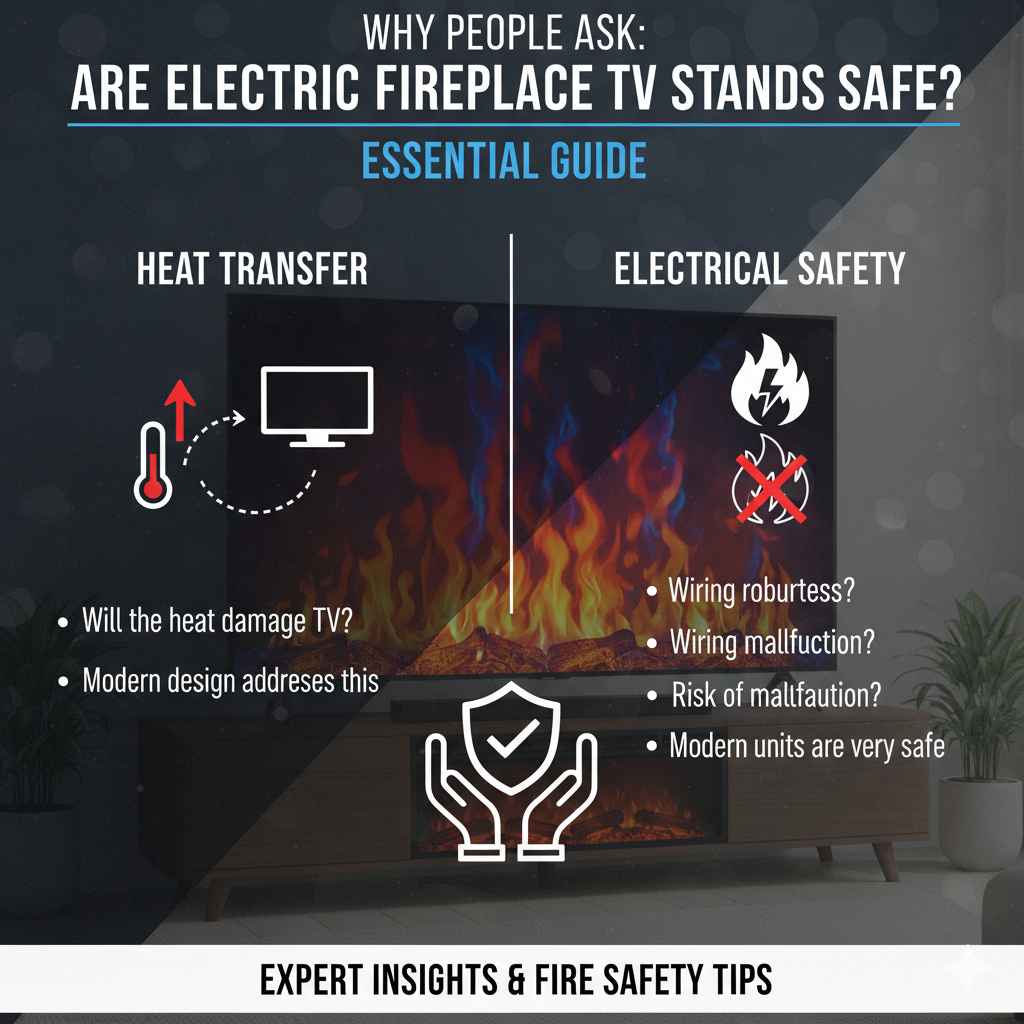
Why People Ask: Are Electric Fireplace TV Stands Safe?
It’s natural to feel cautious when you mix electricity, heat, and electronics all in one piece of furniture. When we talk about safety, people usually have two main concerns:
- Heat Transfer: Will the heat from the fireplace damage the TV sitting right above it?
- Electrical Safety: Is the wiring robust, and is there a risk of electrical malfunction or fire?
The good news is that modern electric fireplaces are designed specifically to address these exact concerns. They operate very differently than traditional heating appliances, which is why they are considered a safe addition to your media center.
Understanding How Electric Fireplaces Work (The Safety Secret)
The key to understanding their safety lies in how they generate heat. Unlike burning fuel, electric fireplaces create heat through a fan-forced heater, similar to a space heater, located safely near the base of the unit.
The Heat Source Difference
Most electric fireplace inserts use one of two primary heating methods:
- Infrared Quartz Heat: This heats objects in the room directly, similar to how the sun feels warm. The actual heating element stays relatively enclosed.
- Fan-Forced Heating: A small internal coil heats up, and a quiet fan blows that warm air out through a vent, usually located near the bottom front of the unit.
Crucially, the glass front of the fireplace remains cool to the touch, or only slightly warm, while the heat output is directed outward and upward, away from the TV.
Design for Electronics Protection
Manufacturers know exactly where these units will be placed: directly under a TV. Therefore, safety engineering focuses heavily on heat isolation. They use specific design elements to ensure the TV shelf remains at a safe operating temperature.
Look for these design features:
- Internal Baffles: These are barriers inside the stand that direct the heat flow upward and outward, preventing it from rising straight up into the TV cavity.
- Lower Vent Placement: Vents are almost always placed low on the unit, ensuring warm air circulates near the floor, not directly touching the electronics shelf.
- Tested Temperature Ratings: Reputable brands adhere to strict safety standards (like UL or ETL certifications) that confirm the shelf temperature stays below damaging levels for consumer electronics.
Essential Safety Features You Must Check Before Buying
When you are shopping for an electric fireplace TV stand, safety isn’t just assumed—it’s certified. Here are the must-have features that guarantee peace of mind.
1. Automatic Shut-Off (Thermal Fuse)
This is perhaps the most important safety feature. Every quality electric heater has a thermal cut-off switch or fuse. If the internal temperature exceeds a safe limit—perhaps due to blocked vents or a component malfunction—this mechanism instantly cuts power to the heating element.
Think of it like the safety switch on your toaster; if it gets too hot, it trips off. This prevents overheating entirely.
2. Cool-Touch Glass
If the front glass gets hot, it poses a burn risk, especially if you have small children or curious pets. Safe units are designed so the glass surface stays cool or only mildly warm to the touch, even when the heater is running on high.
3. Safety Certifications (UL/ETL)
In North America, you want to see evidence that an independent laboratory has tested the product. Look for listings from organizations like Underwriters Laboratories (UL) or Intertek (ETL). These seals mean the product meets specific safety standards for electrical and fire risk. This is non-negotiable for any electrical appliance.
4. Adjustable Heat Settings and Thermostat
A quality unit allows you to control the heat output. Being able to run the flame effects (the visual display) without the heat is great for summer months. Having a thermostat lets you set a desired room temperature, preventing the heater from running constantly and overheating the surrounding area.
Step-by-Step Guide to Safe Installation and Setup
Even the safest unit can become unsafe if installed incorrectly. Following these straightforward steps, much like inspecting your car’s tire pressure before a long trip, ensures optimal safety and performance.
Step 1: Read the Manual—Seriously!
This sounds obvious, but it’s the most critical step. The manufacturer’s manual contains specifications about required clearances, maximum TV weight, and specific instructions for the wiring.
- Note the required clearance space (often 3 to 6 inches) between the back of the unit and the wall.
- Confirm the maximum weight capacity for the top shelf where your TV sits.
Step 2: Inspect the Location and Clearance
Where you place the stand matters greatly for air circulation.
- Wall Clearance: Place the stand the recommended distance away from the wall. This ensures the back of the unit can breathe and prevents heat buildup behind it.
- Floor Clearance: Ensure the unit sits flat on a level, hard surface. Avoid thick, shag carpeting directly under the heater vents, as this can block airflow and cause overheating.
- Vents Check: Locate the air intake and output vents (usually low and front-facing). Make sure nothing—rugs, cords, toys—is blocking these paths.
Step 3: Wiring and Power Management
Since you are dealing with electricity, treat the wiring with care.
- Dedicated Outlet Preferred: If possible, plug the fireplace directly into a wall outlet. Avoid using long, cheap extension cords or power strips, as the heater draws significant power (usually around 1500 watts on high).
- Check Cord Condition: Before plugging in for the first time, inspect the cord for any nicks, fraying, or damage. If the cord is damaged, do not use the unit until the cord is professionally replaced.
- Avoid Daisy-Chaining: Never plug the fireplace into a power strip that is already powering other high-draw electronics (like game consoles or large audio receivers). This can overload the circuit.
Step 4: Test Run and Temperature Monitoring
Once assembled and plugged in, run the heater for about 30 minutes on a medium setting. Use your hand (carefully) to feel the shelf area directly above the fireplace. It should feel warm, but not hot enough that you cannot comfortably rest your hand there for several seconds.
If the TV shelf feels significantly hot, turn it off immediately and re-check your installation steps, especially vent clearance.
Comparing Electric Fireplace Stands to Other Heating Methods
To put the safety of electric stands into perspective, let’s compare them to the heating methods you might be used to.
| Heating Type | Primary Safety Concern | Heat Near TV/Electronics |
|---|---|---|
| Electric Fireplace Stand | Circuit overload if using a poor extension cord. | Very low risk; designed with heat baffles and low vent output. |
| Vented Gas Fireplace | Carbon Monoxide (CO) poisoning risk if venting fails. | High risk; requires significant clearance and masonry structure. |
| Wood Burning Fireplace | Fire hazard, soot, embers, creosote buildup. | Extremely high risk; requires a hearth and mantel far removed from the TV. |
| Portable Space Heater | Tip-over risk, proximity to flammable items. | High risk if placed too close to furniture or electronics. |
As you can see, compared to fuel-burning options, electric stands offer a much more contained and predictable heat source, making them inherently safer for modern media centers. For more technical safety standards regarding home appliances, you can always check resources like the Consumer Product Safety Commission (CPSC) guidelines.
Long-Term Maintenance for Continued Safety
Keeping your electric fireplace stand safe over the years is less about complex repairs and more about simple, routine cleaning—similar to keeping your car’s air filter clean to maintain engine efficiency.
Weekly (or As Needed) Checks
If you use the heat often, do a quick visual check every week or two:
- Dust the Vents: Use a vacuum cleaner with a soft brush attachment to gently remove any dust buildup from the intake and output vents. Dust can insulate components and cause overheating.
- Check the Flame Area: Ensure the artificial logs or crystals are still positioned correctly and aren’t obstructing the internal fan or light mechanisms.
Monthly Power Check
Once a month, unplug the unit completely and visually inspect the power cord. Look for any signs of wear, especially where the cord enters the unit housing or near the plug. If the cord feels brittle or looks warped, it’s time to look into a replacement cord from the manufacturer.
Seasonal Deep Clean
When the heating season ends, it’s good practice to give the unit a thorough clean before storing it away (or switching only to flame effects):
- Unplug the unit completely and wait 15 minutes for any residual warmth to dissipate.
- Carefully remove the front glass panel (following manual instructions—sometimes this requires a screwdriver).
- Wipe the inside glass panel with a non-abrasive cleaner to remove any soot residue (though electric units rarely produce real soot).
- Use compressed air (the kind used for cleaning keyboards) to blow dust out of the internal fan area, holding the fan blades still so they don’t spin too fast.
Addressing Potential TV Concerns: Heat Management Specifics
Modern TVs (LED, QLED, OLED) have a specific operational temperature range. Exposing them to constant high heat will degrade the lifespan of the internal components and potentially cause image retention or panel failure.
Here is what manufacturers strive for:
- Target Shelf Temperature: Safe operation for the TV shelf should ideally keep the surface below 100°F (38°C) under continuous use.
- OLED Sensitivity: If you own a high-end OLED television, which can be more sensitive to heat than standard LED panels, you should prioritize stands with excellent ventilation design or opt to run the flame effects without the heat feature activated.
If you notice your TV casing feeling unusually hot to the touch after extended use of the fireplace, it’s not a sign that the fireplace is failing, but rather that its heat is not being properly deflected. In this case, stop using the heat immediately and re-evaluate the positioning or the unit’s design.
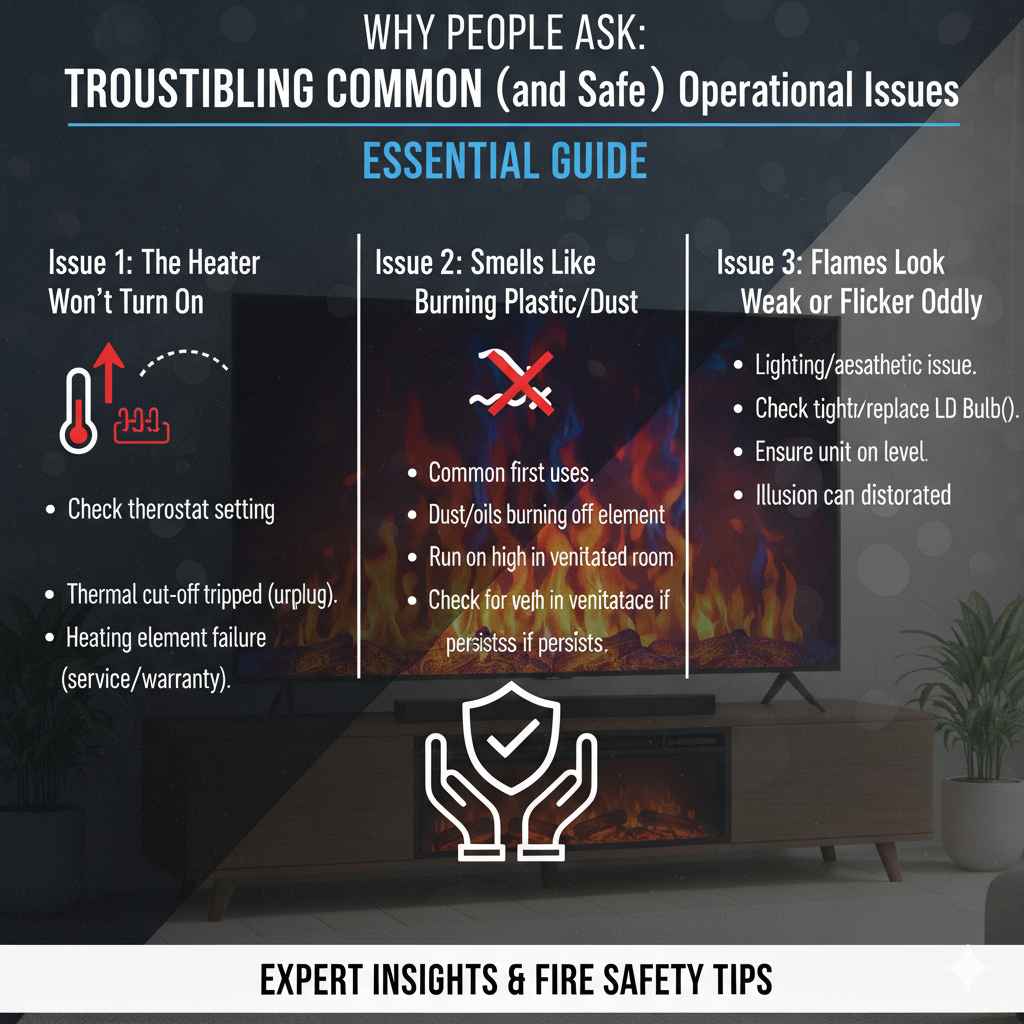
Troubleshooting Common (and Safe) Operational Issues
Most problems encountered with these stands are minor and not related to major safety failures. Here’s how to approach them confidently.
Issue 1: The Heater Won’t Turn On
If the flames work but the heater doesn’t:
- Check the remote or control panel to ensure the thermostat is set above the current room temperature.
- If the unit ran for a long time previously, the thermal cut-off switch may have tripped. Unplug the unit for 30 minutes to allow it to completely cool down, then plug it back in.
- If it still won’t heat, the internal heating element may have failed, requiring professional service or replacement under warranty.
Issue 2: The Unit Smells Like Burning Plastic/Dust
This is extremely common during the first few uses, especially with new furniture. The smell is usually dust or manufacturing oils burning off the internal heating element. Run the heater on high for an hour in a well-ventilated room until the smell dissipates. If the smell persists after the first few uses, unplug immediately and check for foreign debris blocking the vents.
Issue 3: The Flames Look Weak or Flicker Oddly
This is almost always a lighting or aesthetic issue, not a safety one.
- Check the LED bulb(s) inside the unit; sometimes they need tightening or replacing.
- Ensure the unit is completely level. If it leans even slightly, the illusion of the rolling flame projection can be distorted.
Choosing a Stand with Durability in Mind
Safety often goes hand-in-hand with quality construction. A flimsy stand might shift, blocking vents or straining electrical connections over time. When choosing your model, look for:
| Construction Element | Why It Matters for Safety |
|---|---|
| Solid Wood/MDF Construction | Provides stable structure, preventing shifting that could block airflow or damage wires. |
| Quality Wiring Gauge | Thicker wiring handles the power draw of the heater more safely, reducing heat buildup in the wires themselves. |
| Vent Design Integrity | Well-integrated vents that are hard to accidentally block, even if the unit moves slightly. |
A well-built stand distributes the minor operational heat evenly and maintains its structural integrity, which is key to long-term, safe performance around sensitive electronics.
Frequently Asked Questions (FAQ) about Electric Fireplace TV Stand Safety
Q1: Can an electric fireplace TV stand cause a fire?
A: When used according to the manufacturer’s instructions and kept clear of obstructions, the risk of fire is extremely low. They are designed with multiple safety features, including automatic shut-offs, to prevent overheating.
Q2: Is it safe for the heat to rise directly under my TV?
A: Reputable models are specifically designed to prevent this. They use internal baffles to direct the heat forward and away from the TV shelf. Always ensure the required clearance space above the heater vents is maintained.
Q3: Do I need special wiring for an electric fireplace TV stand?
A: Most standard 15-amp household circuits are sufficient for a typical 1500-watt electric heater. However, avoid plugging it into a power strip already heavily loaded with other appliances. Plugging directly into the wall outlet is the safest practice.
Q4: Can I place my electric fireplace on carpet?
A: It is generally safer to place the stand on a hard, level surface. If you must place it on carpet, ensure the carpet is low-pile and that the heater’s intake vents (usually on the bottom front) are completely unobstructed by the carpet fibers.
Q5: Why does my electric fireplace smell when I first turn it on?
A: A faint, dusty, or slightly acrid smell during the first few hours of use is normal. It’s usually protective oils or dust burning off the new heating element. If the smell is strong, smells like burning plastic, or never goes away, turn it off and unplug it immediately.
Q6: Are the flames real? Can they cause heat damage?
A: The flames are an illusion created by lights, mirrors, and rotating mechanisms. They produce no real heat themselves. All the heat comes from the separate, fan-forced heater located in the lower section of the unit.
Q7: Is it safe to leave the electric fireplace running when I leave the house?
A: While many units are rated for continuous operation, it is always recommended by safety experts to turn off the heating function (though you can often leave the flame effect on) when you leave the home, especially for long periods, as a general precaution with any heating appliance.
Conclusion: Confidence in Your Cozy Corner
We’ve covered the engineering, the setup, and the maintenance. When you are asking, “Are electric fireplace TV stands safe?” the resounding answer is yes—provided you treat them with the respect any electrical appliance deserves. They are a marvel of modern furniture design, safely merging heating elements with sensitive electronics through smart insulation and certified safety cut-offs.
By prioritizing installation clearance, using a proper power source, and performing simple periodic cleanings, you are ensuring your unit operates exactly as the engineer intended: safely and beautifully. Feel confident plugging in that stand, lighting up those digital flames, and enjoying the warm, cozy atmosphere you’ve created. Happy relaxing!