How To Stop Toilet Water From Running: Proven Fix
Is your toilet constantly running? Don’t worry! This guide will show you exactly how to stop that annoying running water with easy DIY fixes. You’ll save water and money in no time.
For a related decorating choice, 49+ Dream Bathroom Ideas can help readers compare style and placement.
For a related decorating choice, 53+ Transform Your Space with These Stunning Aesthetic Bathroom Ideas can help readers compare style and placement.
For a related decorating choice, 17 Blue Ceramic Tile Bathroom Ideas for a Fresh and Stylish Space can help readers compare style and placement.
For a related kitchen decision, How to Toilet Train a Puppy: Proven, Effortless adds another practical detail to check.
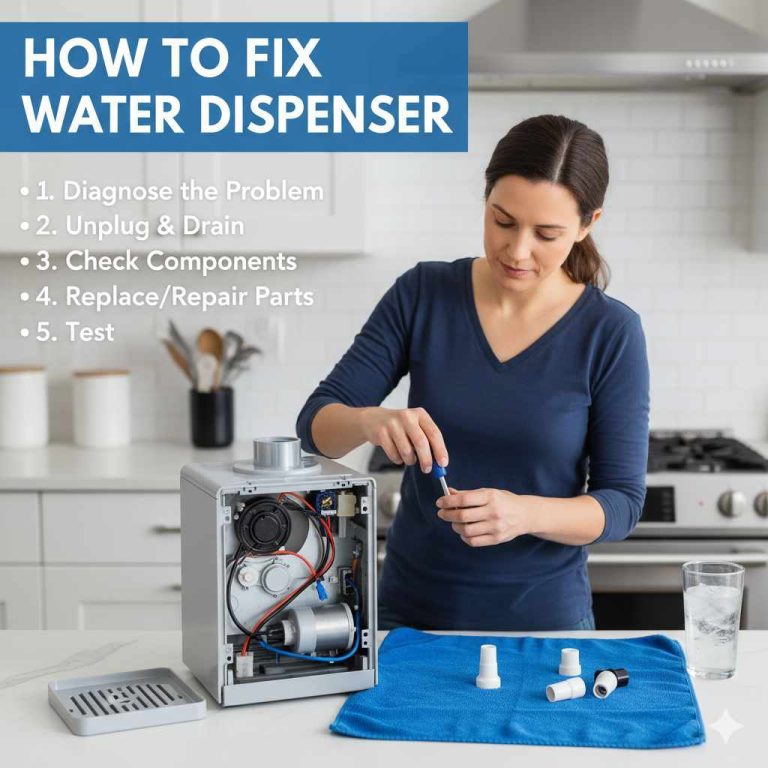
For a related kitchen decision, How To Fix Water Dispenser: Proven Essential adds another practical detail to check.
That persistent gurgling sound from your toilet can be more than just a nuisance; it’s a sign that your toilet is wasting water, which can lead to higher utility bills. If you’re tired of the constant flow and the phantom flush, you’re in the right place! Many homeowners face this issue, and thankfully, it’s often a simple fix that anyone can tackle with a little guidance. We’ll walk through the common causes and provide clear, step-by-step solutions to get your toilet back to its quiet, water-saving self. Get ready to feel confident as we tackle this common home problem together!
Understanding Why Your Toilet Keeps Running
To effectively stop your toilet water from running, it’s helpful to understand what’s happening inside the tank. The toilet tank is a carefully designed system that uses water to flush away waste and then refills itself. When it doesn’t stop running, it means there’s a leak somewhere in this system, allowing water to continuously escape the tank, often down into the bowl.
The most common culprit is usually a worn-out part within the tank. Think of it like a leaky faucet; when a seal or a valve isn’t working correctly, water finds a way to drip through. Identifying the specific part that’s failing is the key to a successful repair. We’ll explore these parts and how they can cause your toilet to run non-stop.

Common Causes of a Running Toilet
Several components inside your toilet tank can cause the continuous running. Let’s break them down:
1. The Flapper is Leaking
The flapper is the rubber or plastic seal at the bottom of the tank that lifts when you flush and then reseals to let the tank refill. If it’s old, warped, or damaged, it won’t create a watertight seal. This allows water to slowly leak from the tank into the bowl, signaling the fill valve to continuously add more water to compensate. Sometimes, calcification or mineral buildup can also prevent a proper seal.
2. The Fill Valve is Malfunctioning
The fill valve (also called a ballcock) is responsible for refilling the tank after each flush and shutting off the water when the tank reaches the correct level. If the float mechanism is set too high, or if the valve itself is worn out or clogged, it may fail to shut off completely. This results in water constantly flowing into the tank and then out through the overflow tube.
3. The Overflow Tube Issues
The overflow tube is a crucial safety feature. If the water level in the tank gets too high, it’s designed to drain excess water into the toilet bowl, preventing the tank from overflowing onto your floor. If the water level is consistently reaching the top of the overflow tube, it means the fill valve isn’t shutting off properly. In rare cases, the overflow tube itself might be cracked or improperly installed.
4. The Handle is Loose or Broken
While less common for direct running, a loose or broken flush handle, or the chain connecting it to the flapper, can sometimes cause issues. If the chain is too long, it might prevent the flapper from sealing completely. If the handle mechanism is faulty, it might not lift the flapper correctly, or it could get stuck in a half-flush position.
Tools You Might Need for the Fix
Before you dive in, gather a few simple tools. Most of these you probably already have around the house. Having them ready makes the repair process smooth and efficient!
- Adjustable wrench
- Screwdriver (Phillips and flathead)
- Bucket or old towels
- Gloves (optional, but recommended)
- Replacement parts (flapper, fill valve, or chain – depending on what you find is the issue)
- Scrub brush or old toothbrush (for cleaning)
- Pencil or marker (to mark water levels if needed)
Step-by-Step Guide: How to Stop Toilet Water From Running
Let’s get your toilet back to its perfectly quiet state! This guide breaks down the most common fixes into simple, manageable steps.
Step 1: Turn Off the Water Supply
This is the very first and most important step. Look for a small valve on the wall behind your toilet, usually near the floor on the left side. Turn this valve clockwise until it stops. This shuts off the water supply to your toilet.
To test that you’ve turned it off correctly, flush the toilet. The water in the tank should drain, and the tank should not refill. If it continues to refill, the valve might be faulty, and you may need to temporarily shut off the main water supply to your house.
Step 2: Drain the Toilet Tank
With the water supply off, flush the toilet again. Hold the flush lever down until most of the water drains from the tank. Some residual water will remain, which is normal.
Step 3: Inspect the Flapper
This is often the easiest fix. The flapper is located at the bottom of the tank, directly beneath the overflow tube.
- Check the seal: See if you can tell if it’s warped, cracked, or has mineral buildup on its edges. A common test is to place a few drops of food coloring into the tank, wait about 15-20 minutes without flushing, and then check the toilet bowl. If the color appears in the bowl, the flapper is leaking.
- Clean the flapper and its seat: Gently scrub the flapper and the rim it seals against (the “flapper seat”) with a damp cloth or a mild cleaner. Sometimes, mineral deposits are the only issue.
- Adjust the chain: If your toilet has a chain connecting the handle to the flapper, ensure it has a little slack. If it’s too tight, it can prevent the flapper from closing properly. If it’s too slack, it might not lift the flapper high enough for a full flush. You want about half an inch to an inch of slack.
- Replace the flapper if needed: If the flapper is visibly damaged or corroded, or if cleaning and adjusting don’t fix the leak, it’s time for a replacement. Flappers are inexpensive and universally designed for most toilets. You can simply unhook the old one and attach the new one.
Here’s a quick look at replacing a flapper:
| Action | Description |
|---|---|
| Remove Old Flapper | Unhook chain from the flush lever arm. Detach the flapper from the overflow pipe ears. |
| Install New Flapper | Attach new flapper to overflow pipe ears. Connect chain to flush lever arm with appropriate slack. |
| Test | Turn water supply back on and check for leaks. |
Step 4: Inspect the Fill Valve and Float
The fill valve is the vertical assembly on the side of the tank that refills it after a flush. The float is attached to it, usually a ball or a cup, that rises with the water level.
- Check the water level: The water level should be about an inch below the top of the overflow tube. If the water level is higher than this, the fill valve isn’t shutting off correctly.
- Adjust the float: Most modern fill valves have an adjustment screw or a clip mechanism to lower the float. For an older ball-type float, you can gently bend the metal arm downwards. Lowering the float will cause the fill valve to shut off at a lower water level.
- Check for wear: If the fill valve itself looks old, cracked, or damaged, it might need replacement. This is a slightly more involved DIY project but still manageable.
Step 5: Replace the Fill Valve (If Necessary)
If adjusting the float doesn’t solve the problem, or if the fill valve appears faulty, replacing it is the next step. You can find universal fill valve kits at any hardware store.
Here’s a simplified overview of replacing a fill valve:
- Turn off water supply & drain tank: (Already done in Step 1 & 2).
- Remove current fill valve: Unscrew the nut under the tank that secures the fill valve. Lift the old valve out from inside the tank.
- Install new fill valve: Follow the instructions that come with your new fill valve kit. Typically, you’ll place it in the hole inside the tank and secure it with the nut from underneath.
- Connect water supply line: Connect the water supply line to the new fill valve. Tighten gently with a wrench.
- Set float height: Adjust the float on the new fill valve to the correct water level (about 1 inch below the overflow tube).
- Turn water supply back on: Slowly turn the water supply valve back on and check for leaks around the fill valve connections under the tank.
- Test flush: Flush the toilet and ensure the fill valve shuts off completely at the correct water level and that the running stops.
For detailed instructions, you can refer to resources like the EPA’s WaterSense program, which offers excellent guidance on H2O saving in the home, including leak detection and basic plumbing fixes.
Step 6: Check the Flush Mechanism and Handle Connection
Sometimes, the issue is simpler. Ensure your flush handle is tightly secured to the tank. The chain connecting it to the flapper should have a slight amount of slack, as mentioned earlier. If the chain has broken or the linkage is damaged, you might need to replace just the chain or the entire flush lever assembly, which is also a straightforward fix.
Step 7: Turn Water Supply Back On and Test
Once you’ve made your adjustments or replaced a part, slowly turn the water supply valve back on (counter-clockwise). Let the tank fill completely. Listen carefully. If the running stops once the tank is full, congratulations, you’ve fixed it!
If the toilet continues to run, double-check your work. Ensure the flapper is seating properly and that the water level from the fill valve isn’t too high. Sometimes, it takes a couple of tries to get it just right.
Troubleshooting Common Scenarios
Even with the best intentions, sometimes things don’t go perfectly the first time. Here are a few common issues and how to address them:
Scenario 1: Toilet still runs after replacing the flapper.
Possible Cause: The flapper seat might be damaged or corroded, preventing a good seal. Or, the new flapper isn’t compatible.
Fix: Clean the flapper seat thoroughly. If it’s damaged, you might need a toilet repair kit that includes a flapper seat repair component, or for severe damage, consider replacing the entire flush valve assembly. Ensure the new flapper is the correct type for your toilet.
Scenario 2: Water level is too low after repair.
Possible Cause: The float on the fill valve is set too low, or the fill valve is faulty.
Fix: Readjust the float mechanism to raise the water level (as described in Step 4). If the issue persists, the fill valve might not be functioning correctly and may need replacement.
Scenario 3: The “gurgling” sound persists, but the water level seems okay.
Possible Cause: This can sometimes indicate a partially blocked drain or vent, affecting how water flows.
Fix: Try using a toilet auger (snake) to clear any potential blockages in the trap or further down the line. Ensure your toilet’s vent pipe (usually on the roof) is clear of debris.
When to Call a Professional Plumber
While most running toilet issues are DIY-friendly, there are times when calling a professional is the best course of action. If you’ve tried these steps and are still struggling, or if you suspect a more complex problem like a cracked tank or an issue with your home’s plumbing system, it’s time to bring in an expert. A plumber has the tools and experience to quickly diagnose and fix even the trickiest problems, saving you time and potential further damage.

FAQ: Your Running Toilet Questions Answered
Q1: How much water does a running toilet waste?
A running toilet can waste a surprising amount of water. A small, silent leak can waste up to 20 gallons per day, while a more obvious running toilet can waste hundreds of gallons daily, significantly impacting your water bill and environmental footprint.
Q2: Can I just ignore a running toilet?
It’s best not to ignore a running toilet. Beyond the wasted water and increased bills, it can also signal a weakening of other parts of your toilet, potentially leading to more significant problems down the line. Addressing it promptly is always wise.
Q3: How often should I check my toilet for leaks?
It’s a good practice to check your toilet for leaks every few months. Using the food coloring test mentioned earlier is a quick and easy way to detect silent leaks.
Q4: What type of flapper should I buy?
Most standard flappers are universal and will fit most toilets. However, some toilets use specific flappers (like a 3-inch flapper for some modern toilets). It’s best to check the size before purchasing or bring your old flapper to the store for comparison.
Q5: How do I know if my fill valve needs replacing?
If adjusting the float doesn’t correct an overly high water level, or if the valve itself appears worn, cracked, or is making unusual noises, it’s likely time for a replacement. Another sign is if the valve doesn’t shut off water flow reliably.
Q6: Is it complicated to replace a toilet fill valve?
Replacing a fill valve is a moderate DIY task. It involves unscrewing a few parts and following the instructions for the new valve. If you’re comfortable with basic tools and following instructions, it’s quite achievable.
Conclusion
Dealing with a running toilet is a common home maintenance issue, but as we’ve seen, it’s often a straightforward fix. By understanding the basic components of your toilet tank—the flapper, fill valve, and overflow tube—you can identify the source of the leak and apply the right solution. Whether it’s adjusting a chain, replacing an old flapper, or installing a new fill valve, these steps empower you to tackle the problem yourself, saving water, money, and that annoying running noise. So, go ahead, gather your tools, and get ready to enjoy a quiet, efficient toilet. You’ve got this!
Products related to this article
Sponsored / affiliate links. As an Amazon Associate I earn from qualifying purchases. I may earn additional commission from eligible campaigns.