How to Reset Airbag Light: Essential Guide
To reset an airbag warning light, it often requires a diagnostic scan tool to clear the error code. While some simple resets might be possible after addressing the underlying issue (like a loose seatbelt buckle), a persistent light usually means a trip to a mechanic or using a specialized ODB-II scanner. The light signals a potential safety system fault, so it’s crucial to address it correctly.

PerGar
PerGar SRS Reset Scanner Airbag Scan Reset…
- Compatible with Multiple Models: Perfectly suitable for a wide range of vehicles including E36 and E46 series, such as Saloon, Cou…
- Powerful Functionality: Reset the dashboard SRS air cushion light within seconds for improved car performance. This heavy-duty sca…
- Premium Quality Materials: Made from high-quality ABS material, this tool ensures long-lasting durability and strength.
As an Amazon Associate I earn from qualifying purchases.
For a related lighting or fan project, Are Fish Attracted To Light At Night? gives readers another setup detail to compare.
For a related lighting or fan project, What Is The Difference Between LED And Light Bulb gives readers another setup detail to compare.
For a related lighting or fan project, What Size Vanity Light For 48 Inch Vanity gives readers another setup detail to compare.
Oh no, that little airbag warning light has illuminated on your dashboard! It can be a bit concerning, can’t it? Seeing that symbol pop up can make you wonder if your car’s most important safety feature is ready to go when you need it most. Don’t worry, though! This is a really common issue that many drivers face, and understanding why it happens is the first step to getting it fixed. You’re not alone, and I’m here to walk you through exactly what that light means and what steps you can take to reset it, making your car feel safe and sound again. We’ll break down the process so you can feel confident about your car’s safety!
Understanding Your Airbag Warning Light
The airbag warning light, often depicted as a little person with a circle in front of them (representing an airbag), is part of your vehicle’s Supplemental Restraint System (SRS). This system is a critical safety component designed to protect you and your passengers during a collision. When this light is on, it indicates that there’s a fault detected within the SRS. This doesn’t necessarily mean your airbags won’t deploy, but it does mean the system isn’t functioning as it should, and in a crash, they might not work correctly, or they could potentially deploy unexpectedly.
Several things can trigger this light. Sometimes, it’s as simple as a loose connection, while other times it points to a more significant issue with a sensor, the airbag module itself, or even the seatbelts. The good news is that most of these issues can be diagnosed and repaired. Think of it like a quirky home decor item – sometimes it just needs a little adjustment or a minor fix to be beautiful and functional again!

Common Causes for the Airbag Light to Illuminate
Before we dive into how to reset the light, let’s explore some common culprits. Understanding the “why” can often help in troubleshooting.
- Occupant Classification System (OCS) Sensor Issues: Many cars have sensors in the seats to detect if someone is sitting there and how much they weigh, adjusting the airbag deployment accordingly. If these sensors are dirty, malfunctioning, or the seat is occupied by something heavy (like a large bag), it can trigger the light.
- Seatbelt Buckle/Sensor Problems: The seatbelt mechanism often contains a sensor to communicate its status to the SRS. If the buckle isn’t clicked in properly, or the sensor within it is faulty, the light might come on.
- Loose Wiring Under the Seat: The wiring harnesses for the seatbelt sensors and OCS sensors are often located under the seats. Over time, jostling or even vacuuming can cause these connections to loosen, interrupting the signal.
- Faulty Clock Spring: This is a small, coiled piece of flexible wiring located in the steering wheel hub. It allows the steering wheel to turn while still maintaining electrical connections for the driver’s airbag, horn, and steering wheel controls. If it breaks, the airbag light will come on.
- Airbag Module Failure: The central computer for the SRS, the airbag module, could develop a fault. This is less common but a possibility.
- Impact Sensors: These sensors detect the force of a crash. If one is damaged or malfunctions, it can keep the SRS from operating properly.
- Recent Accident or Repair: If your car has been in an accident, even a minor one, or if repairs were recently done that involved the SRS components, the light could be on due to an unaddressed fault or an incomplete reset procedure.
DIY Checks You Can Perform (Safely!)
While a full reset often requires specialized tools, there are a few simple checks you can do yourself that might resolve the issue, especially if it’s a minor glitch. Always ensure your car is turned off and the key is out of the ignition before checking under seats or connections, for your safety!
- Check Seatbelt Connections: Ensure both driver and passenger seatbelts are securely clicked into their buckles. Sometimes, a slightly unbuckled belt can cause a temporary fault.
- Move Seats: If you have adjustable seats, try moving them forward, backward, and adjusting the recline. Sometimes this can re-seat a loose connection underneath.
- Check Under the Seats: With the car off and key removed, carefully look under the driver’s and passenger’s seats for any obvious loose wires or disconnected plugs. Never try to unplug or replug anything if you’re unsure. Gentle wiggling of visible, secure connectors might sometimes help, but proceed with extreme caution and only if comfortable.
- Clean the Area Around Seatbelt Buckles: Debris can sometimes interfere with the seatbelt sensor.
When a Simple Fix Isn’t Enough: Clearing the Airbag Light Code
If the simple checks don’t turn off the light, it’s time to consider how the fault code is cleared. The airbag warning light doesn’t just turn off on its own once a problem is fixed; it needs to be manually reset by clearing the Diagnostic Trouble Code (DTC) that triggered it. This is where specialized equipment comes in.
The airbag system stores fault codes that indicate where the problem lies. For a mechanic, reading and clearing these codes is a routine procedure. For a DIYer, it requires specific tools.
Essential Tool: The OBD-II Scanner
The On-Board Diagnostics II (OBD-II) port is a standardized connector found in all vehicles manufactured since 1996. It allows diagnostic tools to communicate with your car’s computer systems. To reset the airbag light, you’ll need an OBD-II scanner that is specifically capable of reading and clearing SRS codes. Not all generic OBD-II scanners can do this, as airbag systems operate on a separate network or use specific protocols.
When choosing a scanner, look for features that explicitly mention “SRS” or “Airbag” code reading and clearing. Some higher-end consumer scanners can handle this, or you might find dedicated SRS reset tools.
Where to Find the OBD-II Port: Typically, you’ll find the OBD-II port located under the dashboard on the driver’s side, often near the steering column or brake pedal. It’s usually a rectangular connector with 16 pins.
You can find reliable OBD-II scanners from reputable automotive parts retailers or online stores. Brands like Autel, Foxwell, and Launch offer models that include SRS capabilities. For instance, the Autel line of diagnostic tools is well-regarded for its comprehensive systems coverage.
Step-by-Step Guide to Resetting the Airbag Light with an OBD-II Scanner
This process requires care and the right equipment. If you’re not comfortable with this, it’s always best to seek professional help.
Tools You’ll Need:
- Compatible OBD-II scanner with SRS functionality
- Your vehicle’s owner’s manual (helpful for locating the OBD-II port)
- A clean, well-lit space
Procedure:
- Ensure the Vehicle is Off: Turn off your car’s engine and remove the ignition key.
- Locate the OBD-II Port: Find the OBD-II port in your vehicle.
- Connect the Scanner: Plug your OBD-II scanner into the port. Ensure it’s seated correctly.
- Turn On Ignition (Do Not Start Engine): Insert the key into the ignition and turn it to the “ON” position (the position where the dashboard lights illuminate but the engine is not running).
- Power On the Scanner: Turn on your OBD-II scanner. It will begin to communicate with the vehicle’s computer.
- Navigate to SRS/Airbag Menu: Follow the scanner’s on-screen prompts to select the SRS or Airbag system. This might be under a “Special Functions,” “Systems,” or “All Systems Scan” menu.
- Read Codes: Select the option to “Read Codes” or “View DTCs.” The scanner will display any fault codes related to the airbag system. Write these down for your records or for a mechanic.
- Address the Underlying Issue (Crucial Step!): This is the most important part. The scanner can clear the code, but if the underlying problem isn’t fixed, the light will likely come back on. If you know the cause (e.g., a sensor fault diagnosed by the code), ensure it’s repaired. If you are just trying to clear a temporary glitch, proceed with caution.
- Clear Codes: Once you’ve identified the codes and ideally addressed the issue, select the option to “Clear Codes,” “Erase Codes,” or “Reset.” The scanner will ask for confirmation.
- Confirm Clear: The scanner will attempt to clear the codes. It should indicate if the operation was successful.
- Turn Off and Restart: Turn the ignition off completely, remove the key, and unplug the scanner. Wait about 30 seconds. Then, reinsert the key, turn it to the “ON” position, and check if the airbag warning light stays off. If it stays off for a few seconds and then illuminates again, there is still a persistent fault. If it remains off, congratulations!
Note: Some vehicles have specific reset procedures that might involve a sequence of turning the ignition on and off, or pressing pedals. Always consult your scanner’s manual and your vehicle’s service manual if available for any unique procedures.
When to Call a Professional Mechanic
While using an OBD-II scanner can be a satisfying DIY fix, there are times when professional help is essential. If you’re not comfortable with the procedure, if the light reappears immediately after clearing, or if you suspect a serious issue, it’s time to visit a trusted mechanic.
Mechanics have advanced diagnostic tools that can delve deeper into the SRS system. They can accurately pinpoint complex faults, test individual airbag components, and ensure the entire system is functioning correctly. Safety is paramount, and a professional can provide peace of mind that your airbag system is fully operational.
Consider these scenarios for professional help:
- The airbag light stays on after clearing codes.
- The light flashes or behaves erratically.
- You’ve recently been in an accident.
- You suspect a faulty airbag module or clock spring.
- You don’t own or want to purchase an SRS-compatible OBD-II scanner.

Troubleshooting and System Checks
Sometimes, even after clearing codes, the light persists. This often means the problem is more than just a fleeting glitch. Here are some advanced checks a mechanic might perform, or that you might research further if you’re technically inclined.
Understanding Specific Fault Codes
The DTCs (Diagnostic Trouble Codes) provide valuable clues. For example:
| Code Example | Potential Cause | Common Solution |
|---|---|---|
| B0021 | Driver airbag module – circuit open | Check wiring harness, clock spring, or airbag module |
| B0082 | Passenger seat belt buckle switch input circuit fault | Inspect/replace seat belt buckle sensor |
| B1000 | Always Class 2: Data) Communications Fault | Check vehicle communication network (CAN bus), airbag module |
| C1234 | Internal fault of airbag control unit/module | Replace airbag control module |
Please note: Actual DTCs and their meanings can vary significantly by vehicle make and model. Always consult a service manual or a professional for accurate code interpretation.
The Role of the Clock Spring
The clock spring is a frequent offender, especially if the passenger airbag light and/or other steering wheel controls (like the horn or cruise control) are also malfunctioning. As mentioned earlier, it’s a coiled wire that connects components in the steering wheel to the rest of the car. When it breaks, the connection for the driver’s frontal airbag is severed. Replacement is usually straightforward for a mechanic, and it’s a critical repair to ensure the driver’s airbag can deploy.
Seat Occupancy Sensor Calibration
Modern vehicles use sophisticated sensors to detect the presence and weight of occupants. These sensors help determine if and how the airbags should deploy (e.g., less force for a child or lighter adult, or not at all for an empty seat). If these sensors are not calibrated correctly, or have developed a fault, the airbag light can come on. Calibration often requires specific diagnostic software and tools. The National Highway Traffic Safety Administration (NHTSA) provides extensive safety information, including details on airbag systems and their importance.
Checking All Related Sensors
It’s not just the driver’s airbag. The whole system is interconnected. Mechanics will often perform a comprehensive check of all SRS components, including:
- Side curtain airbags
- Seat-mounted side airbags
- Pre-tensioners in seatbelts (which tighten the belt rapidly in a crash)
- Impact sensors located around the vehicle
A fault in any of these can illuminate the general SRS warning light.
Frequently Asked Questions (FAQ)
Q1: Can I ignore the airbag warning light?
A1: No, it’s strongly recommended not to ignore the airbag warning light. It signifies a potential problem with your car’s safety system, meaning your airbags may not deploy correctly in an accident, or could deploy unexpectedly.
Q2: Will my car pass inspection with the airbag light on?
A2: In many states and regions, a lit airbag warning light is an automatic failure for vehicle safety inspections. It indicates a malfunctioning safety system that needs to be addressed.
Q3: How much does it typically cost to fix the airbag light?
A3: The cost can vary widely depending on the cause. Simple issues like a loose connection might cost little to nothing if you fix it yourself. Sensor replacements or clock spring repairs can range from $100 to $500 or more. Airbag module replacement can be significantly higher. A diagnostic scan at a shop usually costs between $50 and $150.
Q4: Can a car battery issue cause the airbag light to come on?
A4: Yes, a weak or failing car battery, or a voltage issue, can sometimes cause various warning lights, including the airbag light, to illuminate due to communication errors or system resets.
Q5: Is it safe to drive with the airbag light on?
A5: While you can usually still drive the car, it’s not ideal. The primary concern is that your airbag system may not function as intended during a collision. It’s best to get it checked and repaired as soon as possible.
Q6: What’s the difference between a general airbag light and a passenger airbag off light?
A6: The general airbag light (SRS warning) indicates a fault in the entire airbag system. The “Passenger Airbag Off” light means that particular airbag is intentionally deactivated, usually because the sensor detects a smaller occupant or no occupant. If the “Passenger Airbag Off” light is on when someone is in the seat and it shouldn’t be, that’s a separate diagnostic issue regarding the occupancy sensor.
Conclusion
Seeing that airbag warning light can be a bit unsettling, but as you’ve learned, it’s often a fixable issue. From simple checks like securing seatbelts to using an OBD-II scanner to clear fault codes, many drivers can resolve this themselves. Remember, the key to resetting the light isn’t just clearing the code; it’s ensuring the underlying problem is addressed so your vehicle’s crucial safety features are ready when you need them.
If you’re comfortable with technology and have the right tools, a DIY reset can save you time and money. However, never underestimate the value of professional expertise. A certified mechanic has the advanced knowledge and equipment to accurately diagnose and repair complex SRS issues, giving you ultimate peace of mind. Whichever path you choose, addressing that airbag light promptly is a vital step in keeping yourself and your loved ones safe on the road. Drive confidently, knowing your car is well looked after!
Related pick: Check today's price on Amazon
Products related to this article
Sponsored / affiliate links. As an Amazon Associate I earn from qualifying purchases. I may earn additional commission from eligible campaigns.
 CONGARTENO Heat-Resistant Square Ceiling Light Shade Soft Diffuser Covers for Ceiling Lights Filters DIY Lampshade Fabric Lamp Shade Modern Diffuser
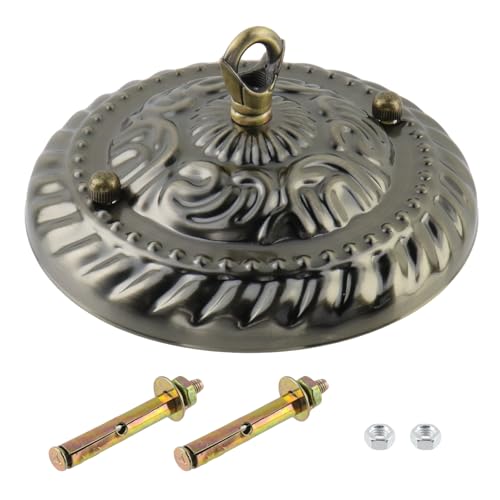 Tighall Ceiling Lighting Plate Lamp Base Ceiling Light Cover Pendant Light Plate with Embossed Pattern Chandelier Accessories with Screw (Antique Brass)