
Quick Summary:
Stuck outside your car? If your car door is locked and your keys are inside, don’t panic! This guide offers simple, proven methods to safely open a locked car door. Learn essential tips and tricks to regain access without causing damage, ensuring you can get back on the road quickly.
Oh no, the dreaded moment! You’ve stepped away from your car for just a second, and suddenly you realize your keys are locked inside. It’s a frustrating and surprisingly common mishap that can derail your day. You might feel a surge of panic, but take a deep breath. There are several effective and safe ways to open a locked car door, even if you’re a complete beginner. This guide will walk you through proven methods that can help you in a pinch, so you can feel confident knowing you have solutions at your fingertips.
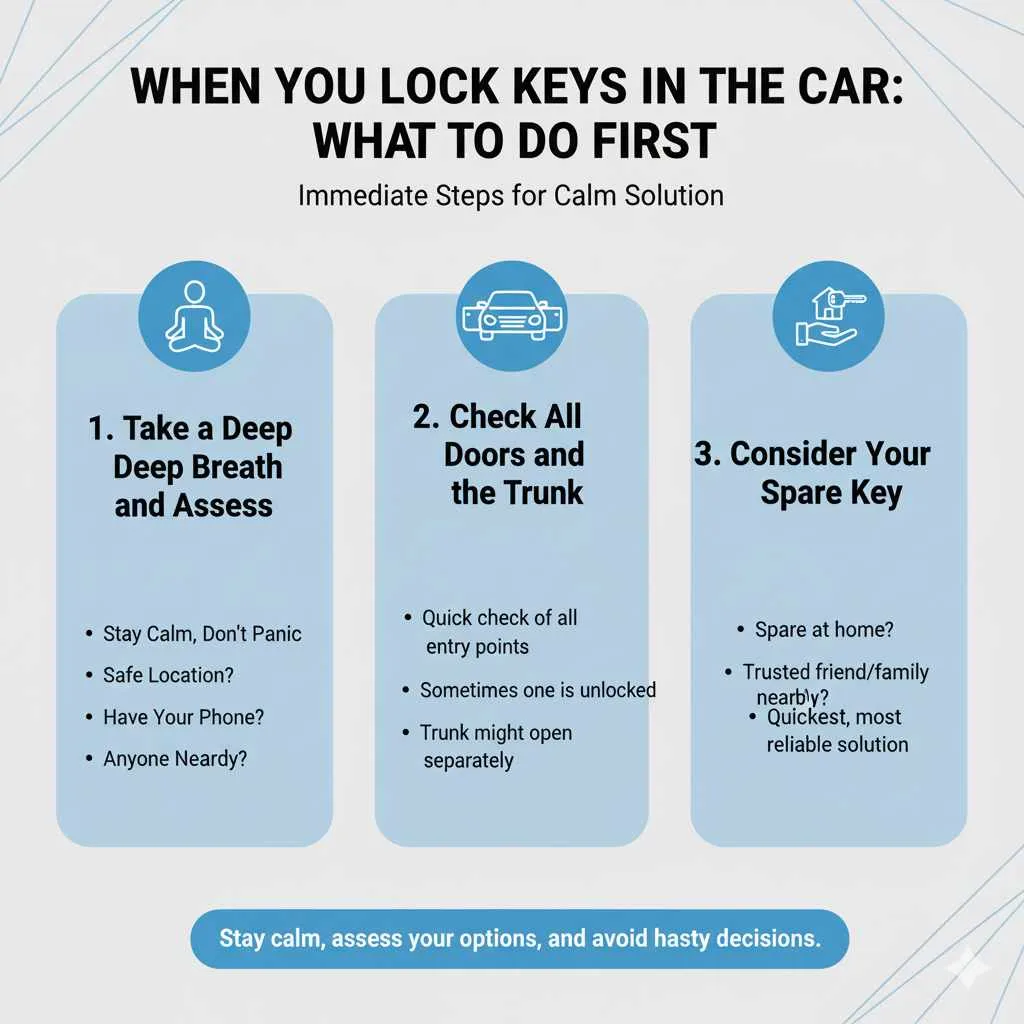
When You Lock Your Keys in the Car: What to Do First
Before trying any DIY tricks, it’s important to stay calm and assess the situation. Panicking can lead to hasty decisions that might make things worse. The first thing to do is check if you have any other options readily available. Think about your circumstances and what resources you have.
1. Take a Deep Breath and Assess
This might sound simple, but a moment of calm can make all the difference. Look around. Are you in a safe location? Do you have your phone with you? Is anyone around who might be able to help?
2. Check All Doors and the Trunk
Sometimes, one door might be unlocked, or the trunk could have an independent opening mechanism. A quick check of all potential entry points is always worth it.
3. Consider Your Spare Key
If you have a spare key at home or with a trusted friend or family member nearby, calling them might be the quickest and most reliable solution. This is often the safest bet, especially if you’re not comfortable trying DIY methods.
Beginner-Friendly Methods to Open a Locked Car Door
If a spare key isn’t an option, don’t worry. There are several methods you can try that are generally safe for your car, provided you’re gentle and follow instructions carefully. Remember, the goal is to avoid damage.
Method 1: The Coat Hanger Trick (for Older Cars)
This classic method works best on older cars with vertical locking mechanisms (the kind you pull up or push down). It requires a bit of finesse.
What You’ll Need:
- A wire coat hanger
- Pliers (optional, to bend the hanger)
- A thin wedge (like a rubber shim or small wooden shim)
Steps:
- Straighten the Hanger: Unbend the coat hanger so it’s as straight as possible. You’ll want to create a hook at one end.
- Create a Gap: Gently insert the thin wedge between the top of the car door and the frame. This creates a small opening. Be careful not to force it, as you could damage the rubber seal or the paint.
- Insert the Hanger: Slide the hooked end of the coat hanger through the gap.
- Fish for the Lock: Maneuver the hook inside the car to try and snag the interior lock mechanism. This can be tricky and requires patience. You’re aiming for the rod or button that unlocks the door.
- Unlock: Once you’ve managed to hook the lock mechanism, pull up or push down to unlock the door.
Important Note: This method is less effective on newer cars with electronic lock buttons or heavily sealed doors and can potentially scratch the paint or break the weather stripping if not done carefully.
Method 2: The Shoelace Trick (for Certain Lock Types)
This method is specific to cars that have pull-up lock knobs on the inside of the door. It’s surprisingly effective if your car has this type of lock.
What You’ll Need:
- A shoelace or a LACES (long, thin string or cord works too)
Steps:
- Tie a Slipknot: Tie a small, adjustable knot in the middle of the shoelace, creating a slipknot with a loop.
- Create a Gap: Similar to the hanger method, you’ll need to create a small gap between the top of the door and the frame. A rubber wedge or a very thin, wide tool can work here.
- Insert the Shoelace: Carefully slide the shoelace into the gap, aiming to drop the loop over the lock knob.
- Tighten and Lift: Once the loop is around the knob, gently pull both ends of the shoelace to tighten the knot around it. Then, pull upwards to lift the lock knob and open the door.
Consideration: This technique requires a specific type of lock and enough space to maneuver the shoelace. It’s unlikely to work on cars with modern, flush door lock buttons.
Method 3: Using a Slim Jim (Professional Tool)
A Slim Jim is a specialized tool designed by car manufacturers or aftermarket companies to help locksmiths and mechanics open locked car doors. It’s a thin, flat piece of metal that can slide down between the window and the door panel to manipulate the locking rods.
What You’ll Need:
- A Slim Jim tool
- Perhaps a thin wedge to create a slight gap
Steps:
- Create a Small Gap: Gently widen the gap between the window and the door’s weather stripping.
- Insert the Slim Jim: Slide the Slim Jim tool down into the gap.
- Locate the Locking Mechanism: Carefully feel for the vertical rods or wires that connect the exterior handle to the lock mechanism. This usually requires knowledge of your car’s internal door structure.
- Manipulate the Mechanism: Once you’ve located the rod, use the Slim Jim to lift or push it, depending on the car’s design, to disengage the lock.
Expert Tip: While a Slim Jim can be effective, it is also the most likely tool to cause damage if you don’t know what you’re doing. Modern cars have complex electronic systems and multiple locking rods that can be easily damaged. It’s often best left to professionals.
When to Call a Professional Locksmith
While DIY methods can work, there are times when calling a professional is the smartest and safest choice. If you’re hesitant, can’t get any of the DIY methods to work, or have a newer car with advanced locking systems, a locksmith is your best bet.
Reasons to Call a Locksmith:
- Newer Vehicles: Most cars manufactured after the early 2000s have more complex locking systems, often with electronic components that can be easily damaged by incorrect manipulation.
- Willingness to Avoid Damage: A professional has the right tools and expertise to open your car door without scratching paint, damaging seals, or breaking internal components.
- Time Sensitivity: If you’re in a hurry, a locksmith can often resolve the issue much faster than you might be able to through trial and error.
- Lack of Confidence: If you’re feeling anxious or unsure about any of the DIY methods, don’t risk it.
What to Expect from a Locksmith:
Most automotive locksmiths are equipped to handle locked car doors. They typically arrive with specialized tools, including Slim Jims, wedges of various sizes, and programming equipment for keyless entry systems. They can usually unlock your car within minutes. It’s always a good idea to have proof of ownership (like your driver’s license and vehicle registration) ready, as they will need to verify you are the owner of the vehicle.
To find a reputable locksmith, you can search online for local services. Look for those with good reviews and clear pricing information. Many locksmiths offer 24/7 emergency services, which is incredibly helpful if you get locked out at an inconvenient time.
Understanding Your Car’s Locking System
Knowing a little about how your car doors lock can help you understand why certain methods work better than others. Cars have evolved significantly over the decades, and so have their locking mechanisms.
Mechanical Locks
Older cars primarily rely on mechanical linkages. These involve rods and levers that connect the exterior key cylinder and interior lock knobs to the actual latching mechanism. The coat hanger and shoelace methods work by interacting with these visible or accessible rods.
Electronic Locks
Most modern vehicles use electronic systems. The unlock button on your key fob sends a signal to a control module, which then activates motors within each door to disengage the locks. Some cars also have a manual lock/unlock button on the door panel, which is also electronically controlled or connected to an electronic actuator.
Specific Lock Types and Their Methods
Here’s a quick look at how different lock types might influence your approach:
| Lock Type | Best DIY Methods | Considerations |
|---|---|---|
| Vertical Pull-Up Knobs (older cars) | Coat Hanger, Shoelace | Requires a physical rod to grab. Less common in new cars. |
| Horizontal Slide Buttons (older cars) | Coat Hanger (can be difficult) | Often recessed and harder to snag. May require more force. |
| Flush Electronic Buttons (newer cars) | Professional Locksmith Recommended | Difficult to access mechanically. Attempting DIY risks electronic damage. |
| Key Fob/Remote Entry | Professional Locksmith | Primary locking mechanism is electronic. DIY methods are unlikely to work and could cause damage. |
Why DIY Methods Can Be Risky
Even with older cars, there’s a risk of damage. For example, forcing a coat hanger could scratch paint, bend door frames, or rip weather stripping. With newer cars, you risk shorting out the electronics, damaging window regulators, or breaking internal plastic components. The cost of repairing such damage can far exceed the cost of a professional lockout service.
For a visual guide on car locking systems and how they work, resources like HowStuffWorks offer detailed explanations of automotive mechanics.
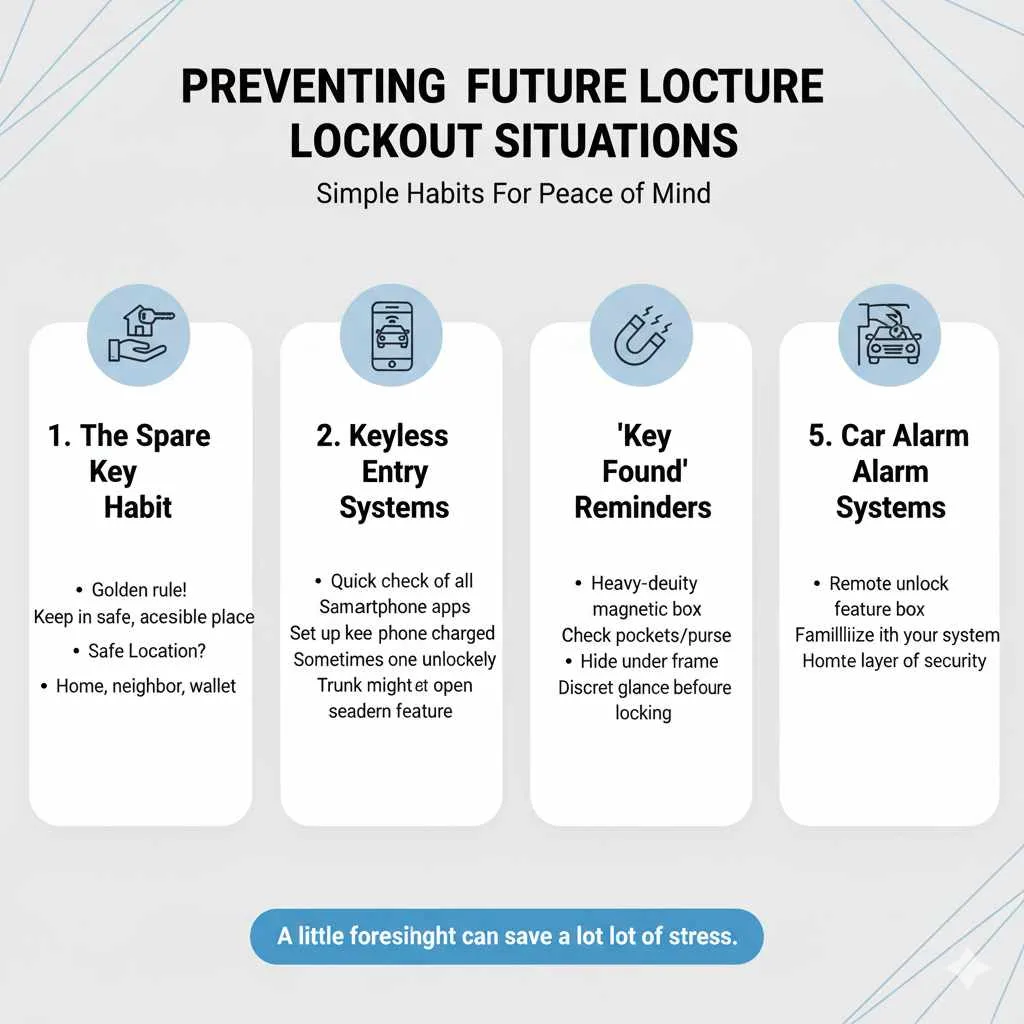
Preventing Future Lockout Situations
While it’s great to know how to get into your car if you lock yourself out, the best approach is to prevent it from happening in the first place! A little foresight can save you a lot of stress.
1. The Spare Key Habit
This is the golden rule! Keep a spare key in a safe and accessible place. This could be at home, with a trusted neighbor, or in your wallet if it’s a slim card key.
2. Keyless Entry Systems and Apps
Many modern cars come with keyless entry systems that allow you to unlock your doors via a smartphone app. Make sure you have this set up and that your phone is always charged.
3. Magnetic Key Holders
For a traditional spare key, consider a heavy-duty magnetic key holder. You can discreetly attach this to a metal part of your car’s frame (like under the bumper or in the wheel well) where it’s hidden from view but accessible if needed.
4. “Key Found” Reminders
Develop a habit of checking your pockets or purse for your keys before closing and locking the car door. A quick glance can prevent a lockout.
5. Car Alarm Systems
Some car alarm systems have a remote feature that can unlock doors. Familiarize yourself with your car’s alarm features.
Frequently Asked Questions (FAQ)
How much does it cost to unlock a car with keys inside?
The cost to unlock a car with keys inside can vary widely. If you call a locksmith, expect to pay anywhere from $50 to $150 or more, depending on your location, the time of day (after-hours and weekends are typically more expensive), and the complexity of your car’s locking system. Some roadside assistance plans might cover lockout services as part of your membership.
Can I use a credit card to open a locked car door?
A credit card or a similar thin, flexible plastic card can sometimes work on older car doors where the lock mechanism is accessible from the edge of the door. You’d slide the card into the gap between the door and the frame, angling it to catch the lock lever. However, this method has a high risk of damaging the card and the car’s weather stripping, and it’s much less effective on modern vehicles. It’s generally not recommended for most cars.
What should I do if my car battery is dead and I can’t unlock the door?
If your car battery is dead, your electronic key fob won’t work, and you might not be able to operate power locks. In this case, you’ll need to find the physical keyhole. On most cars, this is hidden behind a small cover on the driver’s side door handle. You can usually detach this cover with a small tool or even the tip of your key. Once accessed, use your physical key to unlock the door.
Is it illegal to try and open someone else’s locked car?
Yes, it is illegal to attempt to open a car that does not belong to you without the owner’s explicit permission. This could be construed as attempted theft or vandalism. Only attempt to open a car if it is yours or if you are authorized by the owner to do so.
Are DIY car lockout methods guaranteed to work?
No, DIY car lockout methods are not guaranteed to work. Their success depends heavily on the make, model, and age of your car, as well as your skill and the tools you use. Newer cars with sophisticated locking systems are particularly difficult to open with DIY methods, and attempting them can lead to costly damage. Professionals have the expertise and specialized tools to ensure a successful and damage-free unlock.
What is the easiest way to open a locked car door?
The easiest and safest way to open a locked car door is almost always to call a professional automotive locksmith or your roadside assistance provider. They have the tools and knowledge to do it quickly and without causing any damage to your vehicle. While DIY methods can be tempting, they often lead to more problems.
Conclusion
Getting locked out of your car is an unwelcome surprise, but it doesn’t have to ruin your day. We’ve explored several proven methods, from the classic coat hanger trick for vintage cars to the crucial advice of calling a professional for modern vehicles. Remember, patience is key, and avoiding damage should always be a top priority. For most drivers, especially those with newer cars, the most reliable and stress-free solution is to contact an automotive locksmith. They are equipped to handle any vehicle and will get you back inside safely and efficiently. By understanding the basics and knowing when to call for help, you can confidently navigate this common roadside challenge.