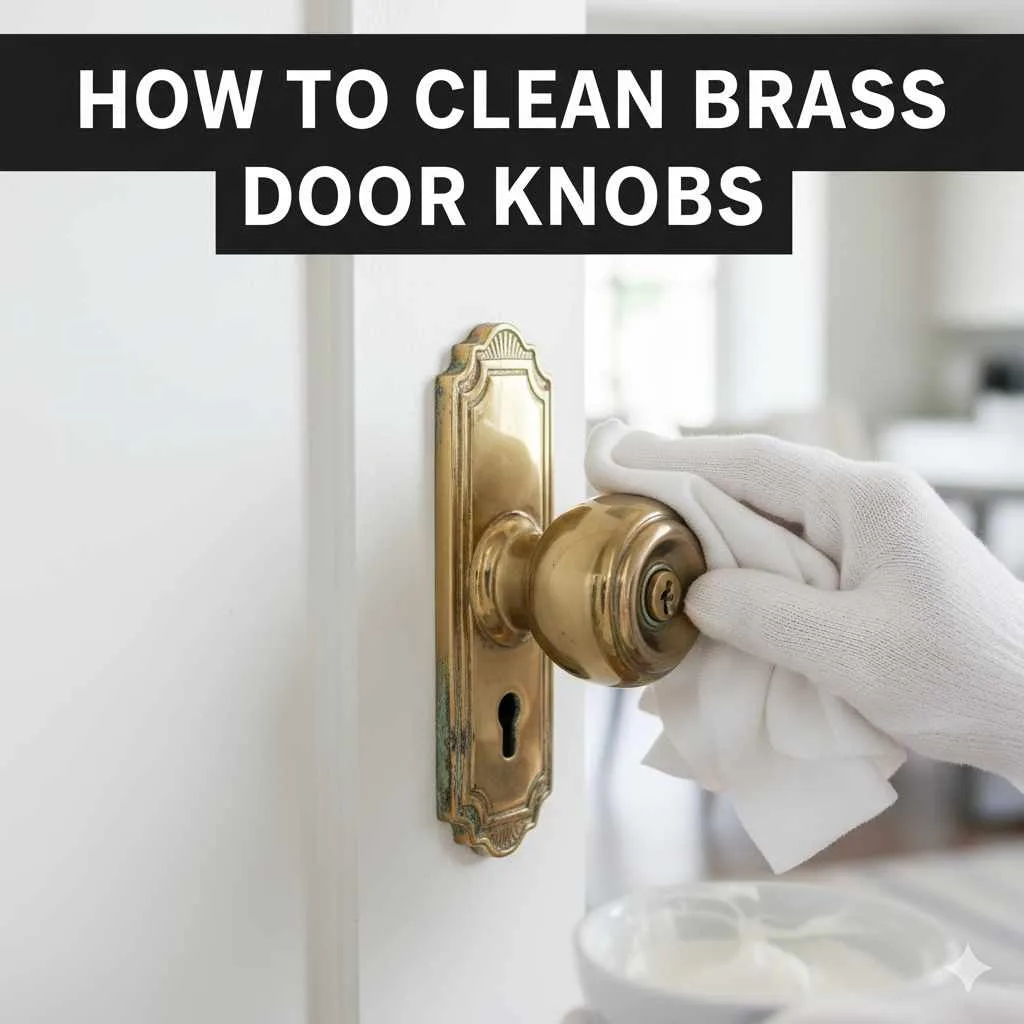
Brass door knobs regain their beautiful shine with simple, safe household items. Learn easy methods for a dazzling, like-new finish without harsh chemicals.
Are your brass door knobs looking a little dull and lifeless? Don’t worry! It’s a common issue as time and tarnish creep in. These beautiful metal accents deserve to sparkle, but knowing how to clean them safely and effectively can feel tricky. You want that glorious, warm sheen back, but you also don’t want to damage them with the wrong cleaning agents. Luckily, achieving a breathtaking shine on your brass door knobs is simpler than you might think. We’ll walk through easy, proven methods that will have them looking like new with minimal effort and common household items!
Why Your Brass Door Knobs Lose Their Shine
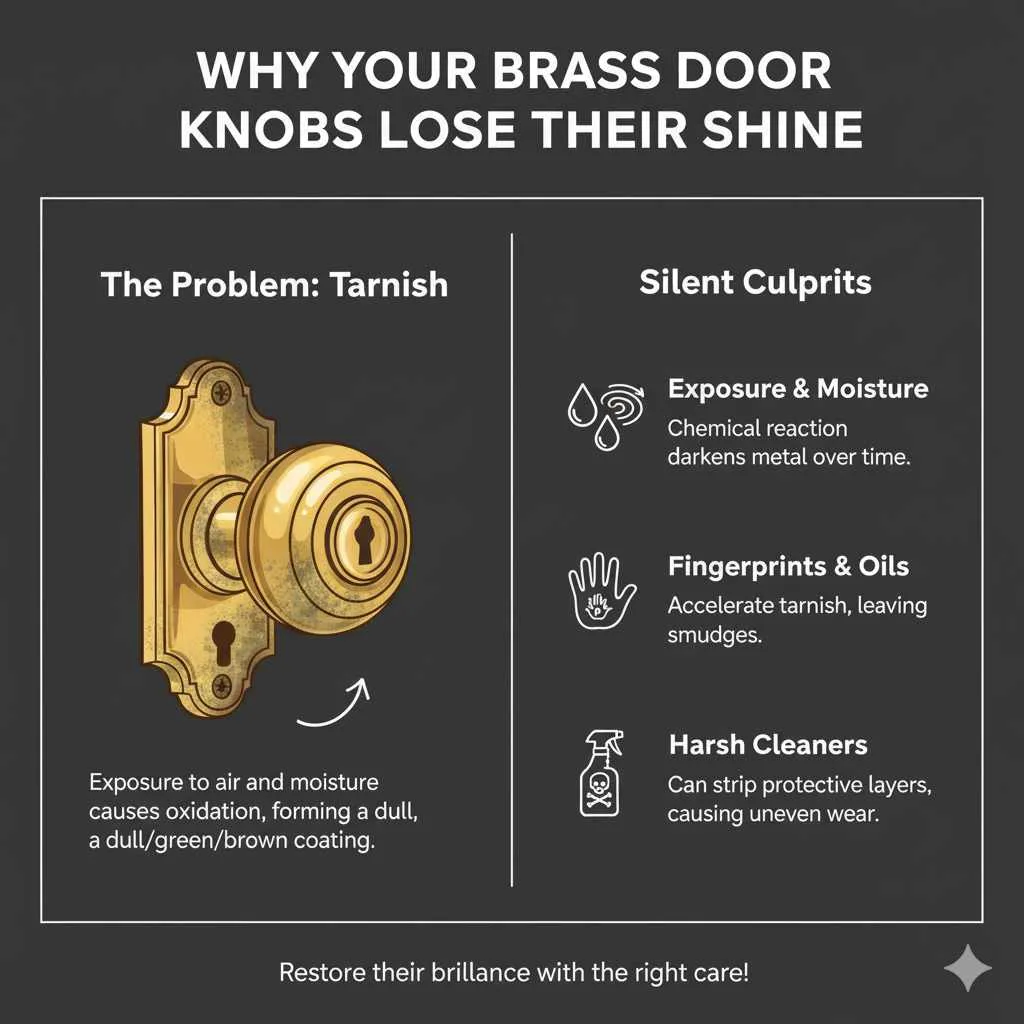
Brass is a wonderful alloy, known for its warm, golden hue and durability. However, like many metals, it’s susceptible to a process called oxidation. When brass is exposed to air and moisture over time, a chemical reaction occurs, creating a layer of tarnish. This tarnish is often a dull, greenish, or brownish coating that obscures the metal’s natural luster. Fingerprints, oils from our hands, and even certain cleaning products can accelerate this process, leaving your once-gleaming hardware looking lackluster and uninviting. Restoring that initial brilliance is all about understanding the tarnish and using the right approach to gently remove it.
Understanding Brass Finishes: Lacquered vs. Unlacquered
Before you grab any cleaning supplies, it’s crucial to identify what kind of brass finish you’re dealing with. This makes a big difference in how you should clean your door knobs. Most modern brass items, including door hardware, are often coated with a clear lacquer. This protective layer is designed to prevent tarnish and maintain the bright, golden appearance for longer.
Unlacquered Brass: This is solid brass that isn’t coated. It will tarnish naturally over time, developing that classic patina. If you have unlacquered brass, you can polish it back to a high shine. It’s a great choice if you love the aged look or are prepared to maintain its shine. Reputable sources like Architectural Digest emphasize the importance of knowing your finish.
Lacquered Brass: This type of brass has a clear, protective coating. The goal here is to clean the lacquer, not the brass itself. If the lacquer is intact, the brass underneath won’t tarnish. However, if the lacquer is damaged or peeling, you might see tarnish in those spots. You need to be very gentle to avoid stripping away the protective coat.
How to Identify Your Brass Finish
It’s not always obvious! Here’s a simple test:
- The Vinegar Test: Dip a cotton swab in white vinegar and rub a small, inconspicuous spot on your door knob.
- If it Discolors/Darkens: It’s likely unlacquered brass. The acid in the vinegar reacts with the metal.
- If Nothing Happens: It’s probably lacquered brass. The lacquer protects the metal from the vinegar.
Knowing this will help you choose the safest and most effective cleaning method for your specific hardware.
Gathering Your Supplies: What You’ll Need
The beauty of cleaning brass is that you often don’t need specialized or expensive products. Most of what you need is probably already in your kitchen or cleaning closet!
For Unlacquered Brass (Polishing Methods):
- Gentle Cleaning Solution: Warm water and a few drops of mild dish soap.
- Polishing Agents:
- Baking soda and water paste
- White vinegar and flour paste
- Lemon juice and salt
- Commercial brass polish (use sparingly if you prefer natural methods)
- Soft Cloths: Microfiber cloths are ideal for cleaning and buffing.
- Soft Brushes: An old toothbrush is perfect for getting into grooves and crevices.
- Gloves: To protect your hands from cleaning agents and fingerprints.
- Protective Barrier: Newspapers or old towels to protect your surfaces.
For Lacquered Brass (Gentle Cleaning):
- Mild Soap and Water: The safest option.
- Soft Cloths: Microfiber or a soft cotton rag.
- Damp Cloth: For rinsing.
- Dry Cloth: For buffing.
- Avoidance List: Absolutely NO abrasive cleaners, steel wool, ammonia, or acidic substances (like vinegar or lemon juice directly on the lacquer).
The Step-by-Step Guide: Cleaning Unlacquered Brass
Ready to bring back that brilliant shine? Follow these simple steps for unlacquered brass. Remember to protect your surroundings with old towels or newspapers.
Step 1: Initial Cleaning – Removing Surface Grime
Before you tackle tarnish, you need a clean surface. This removes everyday dirt, dust, and oils that might interfere with the polishing process.
- Mix a few drops of mild dish soap with warm water in a small bowl.
- Dip a soft cloth into the soapy water and wring it out well so it’s just damp.
- Gently wipe down the entire door knob, ensuring you get into any textured areas.
- Use a soft-bristled toothbrush dipped in the same solution for any stubborn spots or intricate details.
- Wipe the knob again with a clean cloth dampened with plain water to rinse away soap residue.
- Dry the knob thoroughly with a clean, dry microfiber cloth. Moisture can lead to new tarnish.
Step 2: Choose Your Polishing Method
Now for the magic! Here are a few effective, natural methods. It’s often best to try the gentlest method first.
Method A: Baking Soda Paste
This is a fantastic, mildly abrasive paste that gently lifts tarnish without scratching.
- In a small bowl, mix about 2 tablespoons of baking soda with just enough water to form a thick paste.
- Using a soft cloth or your fingers (wear gloves if you prefer), apply the paste generously to the brass door knob.
- Gently rub the paste over the tarnished areas. You should start to see the tarnish lift as you rub.
- For tougher spots, let the paste sit for 5-10 minutes.
- Use a damp cloth to wipe away the paste.
- Rinse the knob with a clean, damp cloth.
- Dry thoroughly with a soft, dry cloth.
Method B: Vinegar and Flour Paste
The mild acidity of vinegar combined with flour creates a paste that tackles tarnish effectively.
- In a bowl, mix 2 tablespoons of flour with 1 tablespoon of white vinegar and 1 tablespoon of salt. Stir until it forms a smooth paste.
- Apply the paste to the tarnished brass using a soft cloth.
- Let it sit for anywhere from 15 minutes to an hour, depending on the severity of the tarnish.
- As the paste dries, it can help lift the tarnish.
- Wipe away the paste with a damp cloth.
- Rinse with a clean, damp cloth.
- Dry completely with a soft, dry cloth.
Method C: Lemon Juice and Salt
The natural acidity of lemon juice works wonders, and the salt acts as a gentle abrasive.
- Cut a lemon in half.
- Sprinkle some salt onto the cut surface of the lemon.
- Rub the salted lemon directly over the tarnished brass.
- The juice and salt will begin to lift the tarnish. You can let it sit for a few minutes if needed.
- Wipe away the residue with a damp cloth.
- Rinse the knob thoroughly with a clean, damp cloth to remove all lemon juice.
- Dry completely with a soft, dry cloth.
Step 3: Buffing to a Brilliant Shine
Once your knob is clean and dry, it’s time for the final flourish to achieve that stunning, mirror-like shine.
- Take a clean, dry microfiber cloth.
- Gently buff the entire surface of the door knob in a circular motion.
- Work your way around the knob, applying light, consistent pressure.
- You’ll see the luster return as you buff, revealing the beautiful, warm glow of polished brass.
Cleaning Lacquered Brass: Maintaining the Protective Layer
Cleaning lacquered brass is all about preservation. The goal is to remove dirt and fingerprints without damaging the protective lacquer coating. Harsh chemicals will strip the lacquer, leading to premature tarnishing and a much more involved restoration process down the line.
Step 1: Gentle Wipe-Down
Start with the simplest method.
- Mix a tiny amount of mild dish soap (like the kind you use for dishes) with warm water.
- Dip a soft cloth into the solution and wring it out until it’s just slightly damp.
- Gently wipe down the door knob to remove fingerprints and surface dirt.
- Avoid scrubbing or using too much pressure, as this can wear down the lacquer over time.
Step 2: Rinse and Dry
It’s important to remove all soap residue.
- Use a separate clean cloth, dampened with plain water, to wipe the door knob and rinse away any soap.
- Immediately after rinsing, buff the knob dry with a clean, dry microfiber cloth. Ensure no water is left sitting on the surface.
What to Absolutely Avoid with Lacquered Brass
Because the lacquer is a protective barrier, you must be extremely careful about what you use:
- Abrasive Cleaners: These will scratch and dull the finish.
- Steel Wool or Scouring Pads: Guaranteed to damage lacquer.
- Acids: Vinegar, lemon juice, and some metal polishes can eat through lacquer.
- Ammonia-based Cleaners: These are too harsh.
- Wax or Polish: Unless specifically formulated for lacquered brass, they can build up or damage the coating.
If your lacquered brass is already tarnished, it usually means the lacquer has failed in those spots. In such cases, you might need to remove the old lacquer entirely and re-lacquer, which is a more advanced DIY project.
Troubleshooting Common Brass Cleaning Issues
Even with the best intentions, you might encounter a hiccup. Here are solutions to common problems.
Problem: Tarnish is too deep for simple pastes.
Solution: For very stubborn tarnish on unlacquered brass, you might need to use a commercial brass polish. Look for reputable brands like Brasso or Holloway House. Always follow the product’s instructions carefully, and test in an inconspicuous area first. These polishes are often more potent but should be used less often than natural methods.
You can find great brass cleaning tips on resources like This Old House.
Problem: The finish looks patchy after cleaning.
Solution: This can happen if you’ve unevenly applied a paste or if there are areas where lacquer is missing. For unlacquered brass, consistent polishing and buffing should even it out. If it’s lacquered brass and patchy, it might indicate that the lacquer is failing. In this case, you may need to consider removing all the old lacquer and re-applying a new coat for a uniform look.
Problem: I accidentally used the wrong cleaner on lacquered brass and it looks dull.
Solution: If you’ve inadvertently dulled or slightly damaged the lacquer, try cleaning it with just mild soap and water and then buffing it thoroughly. Sometimes, a very gentle polish specifically for clear coats might help, but proceed with extreme caution. If the damage is significant, you might be looking at a refinishing project.
Problem: My hands get stained from polishing unlacquered brass.
Solution: Always wear gloves when polishing unlacquered brass. This protects your skin from the tarnish and cleaning agents, and it also prevents your fingerprints from immediately re-contaminating the clean brass, which can lead to new spots of tarnish. A good pair of nitrile or latex gloves works well.
Maintaining Your Brass Door Knobs’ Shine
Once you’ve achieved that beautiful shine, you’ll want to keep it that way! Regular, simple maintenance is key.
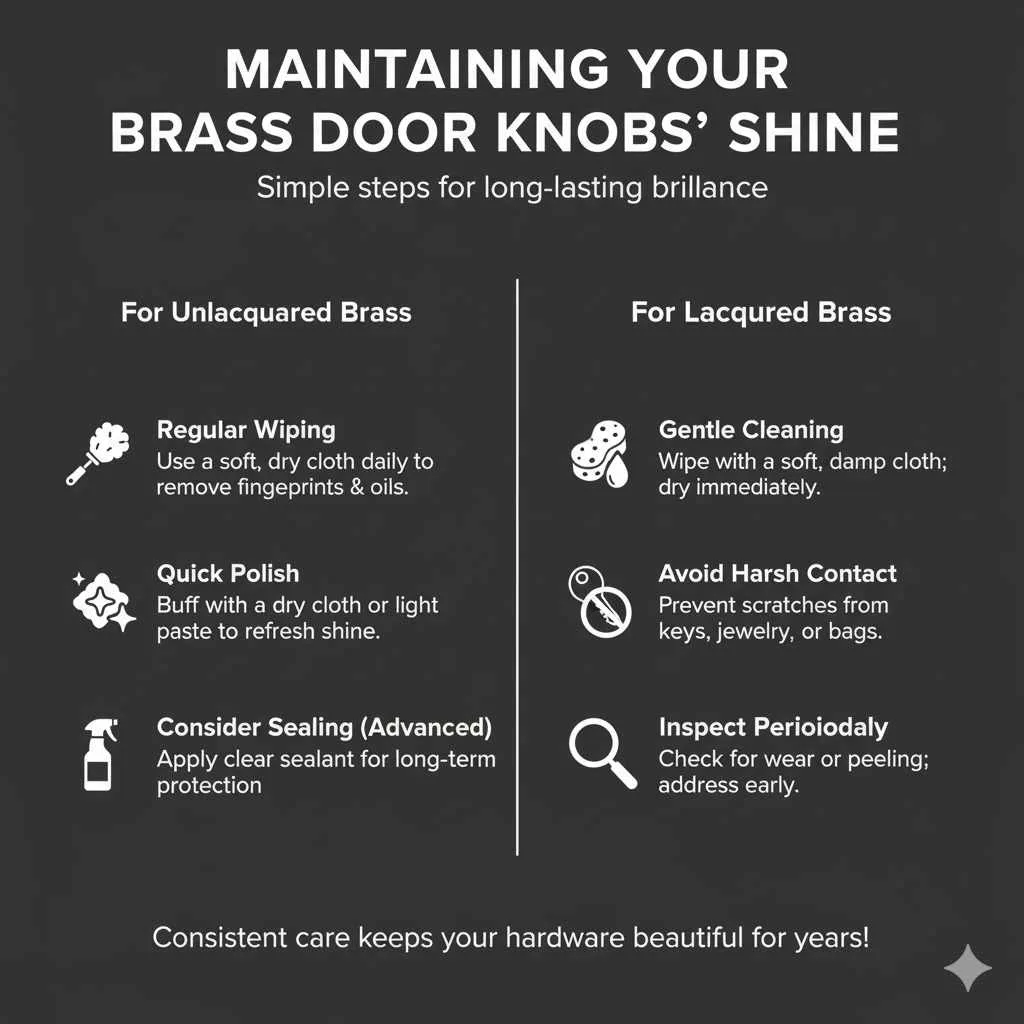
For Unlacquered Brass:
- Regular Wiping: Use a soft, dry microfiber cloth to wipe down the knobs daily or every few days to remove fingerprints and oils.
- Quick Polish: If you notice a slight dullness returning, a quick buff with a dry cloth or a very light application of a paste can refresh the shine.
- Consider Sealing (Advanced): If you have unlacquered brass and want to maintain a high shine without frequent polishing, you can consider applying a clear metal sealant or lacquer. This is a more involved process, but it offers long-term protection. Research consumer product safety standards if you plan to use sealants.
For Lacquered Brass:
- Gentle Cleaning: Stick to regular wiping with a soft, damp cloth and immediate drying.
- Avoid Harsh Contact: Be mindful of keys, jewelry, or bags that might scratch or chip the lacquer.
- Inspect Periodically: Check for any signs of wear or peeling, and address them before they lead to widespread tarnishing underneath.
Consistent care ensures your brass hardware remains a beautiful focal point in your home for years to come.
Frequently Asked Questions About Cleaning Brass Door Knobs
Q1: Can I use Windex or glass cleaner on brass door knobs?
A: Generally, it’s best to avoid Windex on brass door knobs, especially lacquered ones. Many glass cleaners contain ammonia or alcohol, which can be too harsh for brass finishes and can damage or strip lacquer. Stick to mild soap and water for lacquered brass and natural or specific brass polishes for unlacquered brass.
Q2: How often should I clean my brass door knobs?
A: For lacquered brass, a quick wipe-down with a soft cloth every few days to remove fingerprints is usually sufficient. For unlacquered brass, you might need to polish it every few months, or as soon as you notice tarnish starting to appear, depending on your environment and how often it’s touched.
Q3: What is the best method to clean very old, heavily tarnished brass door knobs?
A: For heavily tarnished unlacquered brass, you might need to use a commercial brass polish as natural methods may not be strong enough. Always follow the product instructions and wear gloves. If the brass is lacquered and heavily tarnished, the lacquer has likely failed, and you may need to remove all the old lacquer and re-polish the raw brass before recoating.
Q4: Can I use ketchup to clean brass?
A: While the mild acidity in ketchup might offer some slight tarnish-removing properties, it’s not the most efficient or cleanest method. It can leave a sticky residue that’s hard to remove. The lemon juice and salt or vinegar and flour methods are much more effective and easier to clean up, providing a better shine with less mess for unlacquered brass.
Q5: Will cleaning brass change its color?
A: Cleaning unlacquered brass aims to remove the dull tarnish and reveal its natural warm, golden color. Polishing can make it appear brighter and more reflective. Lacquered brass should retain its original color as you are only cleaning the protective coating. If a cleaner is too harsh, however, it could dull or alter the finish.
Q6: Is it safe to use baking soda on my brass door knobs?
A: Yes, baking soda is generally safe and very effective for cleaning and polishing unlacquered brass. When made into a paste with water, it acts as a mild abrasive that can lift tarnish without scratching the metal. Just be sure to wipe away all residue and dry thoroughly.
Conclusion: Effortless Shine for a Welcoming Home
Bringing the gleam back to your brass door knobs is a rewarding DIY project that can dramatically enhance the look of your home. Whether you’re dealing with the natural patina of unlacquered brass or the protective coating of lacquered hardware, there’s a simple, effective method to restore its beauty. By understanding your brass finish and using gentle, proven techniques—from simple soap and water to effective household pastes—you can achieve a stunning, effortless shine.
Don’t let dull hardware dim your home’s sparkle. With these easy-to-follow steps, you can confidently tackle the task, protect your investment, and enjoy beautifully polished brass that welcomes guests and adds a touch of elegance to your everyday life. Happy shining!