Yes, bidets clean better than toilet paper by using a stream of water for a more thorough and hygienic cleansing, leading to reduced irritation and improved overall freshness. Studies and user experiences consistently show superior sanitation and comfort.
Hello fellow home enthusiasts! Have you ever paused after using the bathroom and wondered if there was just a… better way? It’s a common thought, nestled away in the back of our minds, especially when we’re striving for a cleaner, comfier home environment. Traditional toilet paper has been the norm for so long, but what if I told you a simple switch could elevate your bathroom experience and make you feel truly refreshed? Bidets are gaining popularity, and for good reason! They promise a deeper clean, and today, we’re going to explore exactly why and how they deliver on that promise.
We’ll dive into what makes bidets so effective, look at real-world results, and discover how easy it is to incorporate this refreshing solution into your own home. Get ready to say goodbye to lingering doubts and hello to a new level of clean!
Do Bidets Clean Better: A Deep Dive into the Results
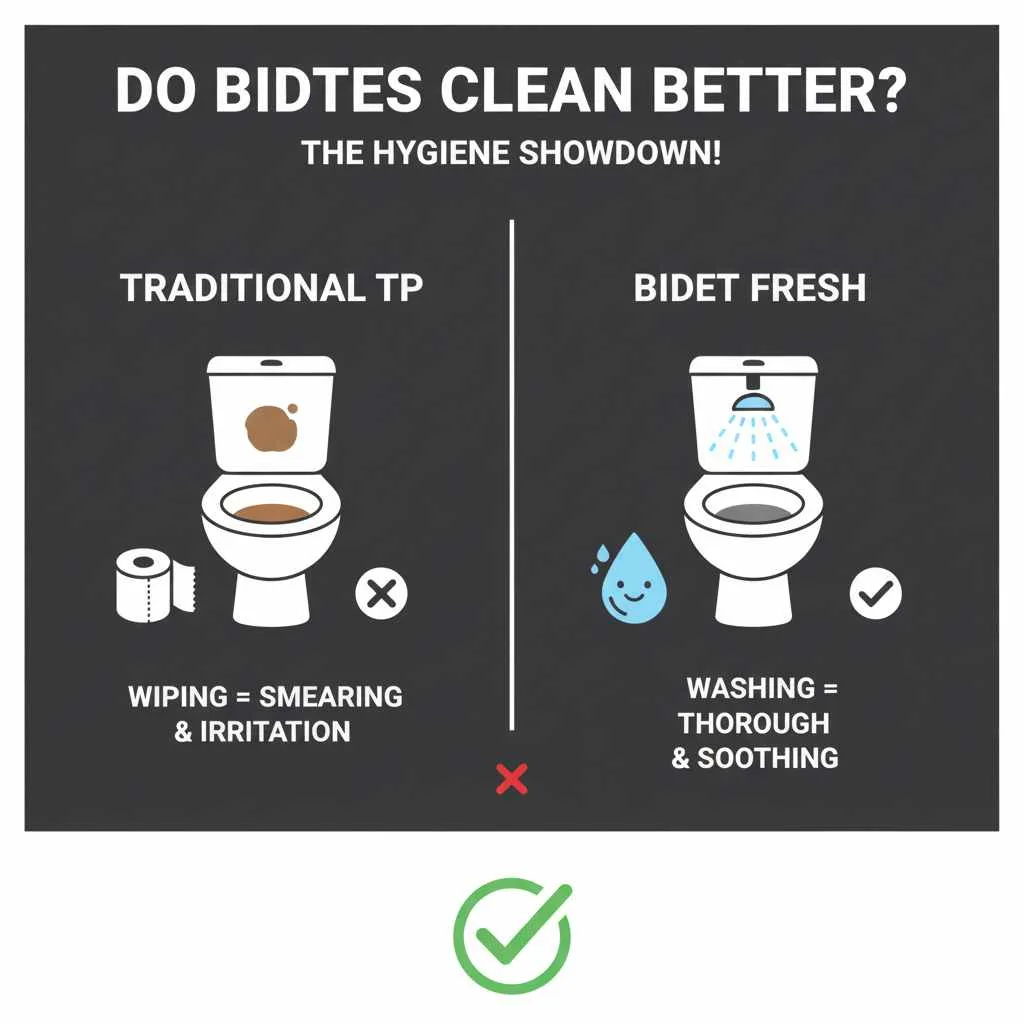
You might be wondering, “Do bidets actually clean better than toilet paper?” It’s a fair question, and the answer is a resounding yes! This isn’t just a trend; it’s a fundamental difference in how we approach personal hygiene. Toilet paper can often smear and leave residue behind, which isn’t ideal for feeling truly clean. Bidets, on the other hand, use water – nature’s purest cleaner – to wash away impurities. This method is not only more effective at removing waste but also gentler on your skin.
Let’s break down why this water-based cleaning is so superior:
- Thorough Elimination: Water actively washes away residue, rather than just wiping and potentially spreading it.
- Gentle and Soothing: For those with sensitive skin or conditions like hemorrhoids, the gentle stream of water is far less irritating than abrasive toilet paper.
- Increased Freshness: Users consistently report feeling significantly more refreshed and clean after using a bidet.
- Reduced Irritation: Less friction and residue mean less chance of itching, soreness, or infections like UTIs (Urinary Tract Infections).
Think about it: if you got mud on your hands, would you just wipe it with a dry paper towel and call it clean? Probably not! You’d wash them with water. The same logic applies here, and the results speak for themselves.

The Science Behind Bidet Effectiveness
The effectiveness of bidets is rooted in simple yet powerful principles of hygiene. Water’s ability to dissolve and rinse away contaminants is unparalleled. Unlike dry paper, which can leave microscopic particles and residue, water actively lifts and carries away waste products from the skin. This is crucial for preventing irritation and maintaining a healthy skin barrier.
A study by the National Center for Biotechnology Information (NCBI) highlighted potential benefits, noting that water cleansing could be beneficial for individuals with anal fissures or those prone to irritation. While not a medical device, the fundamental concept of water-based cleansing aligns with best practices for hygiene.
Consider the difference in bacteria reduction. Toilet paper can sometimes exacerbate the spread of bacteria if not used perfectly. A bidet’s targeted water stream directly cleanses the area, significantly reducing the presence of harmful microbes. This leads to a healthier and more comfortable experience.
Proven Results: What Users and Studies Say
The evidence supporting the superior cleaning power of bidets comes from both scientific observations and the overwhelming satisfaction of users. It’s one thing to talk about theory, but it’s another to see the real, tangible benefits people experience.
User Testimonials: The Bidet Sensation
Browse any forum or review site discussing bidets, and you’ll find countless testimonials from people who have made the switch. Many describe it as a life-changing experience, particularly for those with medical conditions or simply those seeking a higher standard of personal cleanliness.
- “I always felt like toilet paper just wasn’t enough. Since getting a bidet, I feel so much cleaner and fresher all day long. It’s a game-changer!” – Sarah K.
- “As someone who deals with hemorrhoids, toilet paper was often painful. My bidet seat has made bathroom visits so much more comfortable. The gentle water stream is a lifesaver.” – Mark T.
- “I was skeptical at first, but after trying one at a friend’s house, I was convinced. It’s just a completely different level of clean. My skin feels so much better too!” – Emily R.
Clinical and Observational Data
While large-scale, randomized clinical trials specifically comparing toilet paper to bidets for general cleanliness are limited (as it’s often considered a basic hygiene practice rather than a medical intervention), studies do point to the benefits of water cleansing in specific contexts:
- Reduced Bacterial Load: Water rinsing has been shown to be more effective than dry wiping in reducing fecal bacteria on skin. This is important for preventing infections.
- Improved Skin Health: For individuals with conditions like anal fissures or hemorrhoids, water cleansing significantly reduces pain and irritation compared to toilet paper. Organizations like the American Urological Association often suggest methods to reduce irritation, which water cleansing directly addresses.
- Enhanced Hygiene for Specific Populations: Bidets are particularly beneficial for the elderly, individuals with mobility issues, and post-surgery patients who may find thorough cleaning with toilet paper difficult.
The consensus is clear: when it comes to effective and hygienic cleaning, water wins. Bidets harness this power in a convenient and accessible way for everyday use.
Types of Bidets: Finding the Right Fit for Your Home
Bidets aren’t a one-size-fits-all solution, and that’s great news for your home and your budget! There’s a bidet option to suit nearly every preference and bathroom setup. Understanding the different types will help you choose the one that’s perfect for you.
1. Bidet Toilet Seats
These are probably the most popular and user-friendly option for modern homes. They replace your existing toilet seat and connect to your toilet’s water supply. They’re relatively easy to install and offer a range of features.
Features to Look For:
- Adjustable Water Pressure and Temperature: Most bidet seats allow you to control the intensity and warmth of the water stream.
- Adjustable Nozzle Position: You can usually angle the nozzle for the best coverage.
- Self-Cleaning Nozzles: A great feature for maintaining hygiene.
- Warm Air Dryer: Some higher-end models include a dryer, reducing or eliminating the need for toilet paper altogether.
- Remote Control: For easy operation without awkward reaching.
2. Bidet Attachments
For an even simpler and more budget-friendly option, consider a bidet attachment. These fit between your existing toilet seat and the bowl. They are typically non-electric and use the cold water supply from your toilet.
Pros:
- Extremely affordable.
- Very easy to install, often requiring no special tools.
- No electricity needed.
Cons:
- Usually only offer cold water.
- Fewer features and less sophisticated spray patterns.
- Can sometimes feel less stable than a full bidet seat.
3. Handheld Bidet Sprayers (Bidet Showers)
Think of these like a mini showerhead specifically for your toilet. They consist of a spray nozzle connected to the toilet’s water supply via a hose. You manually direct the spray.
Pros:
- Very versatile and can be used for cleaning the toilet bowl as well.
- Affordable and easy to install.
- Good control over where the water goes.
Cons:
- Requires manual aiming, which can take some getting used to.
- Can be messy if not used carefully.
- Usually cold water only unless you have a separate hot water line installed.
4. Integrated Bidet Toilets
These are high-end, all-in-one units where the bidet functionality is built directly into the toilet itself. They offer the most sophisticated features but also come with the highest price tag.
Features:
- Heated seats.
- Warm water.
- Air dryers.
- Deodorizers.
- Automatic flushing.
- Usually controlled via a sleek remote or side panel.
When deciding, consider your budget, desired features, and how much you want to alter your existing bathroom setup. Even the simplest attachment can provide a significantly better clean!
How to Use a Bidet: Simple Steps for a Refreshing Experience
Using a bidet for the first time might feel a little unfamiliar, but it’s incredibly simple and becomes second nature very quickly. Here’s a straightforward guide to help you feel confident:
Step-by-Step Guide:
- Use the Toilet as Usual: First, use the toilet for its intended purpose.
- Activate the Bidet: Depending on your bidet type:
- Bidet Seat/Attachment: Locate the control panel or lever. Select your desired water pressure, temperature (if available), and nozzle position. Activate the wash function.
- Handheld Sprayer: Pick up the sprayer, aim it towards yourself, and press the trigger to release the water stream.
- Position Yourself: Gently adjust your position on the seat or guide the sprayer to ensure comfortable and effective cleansing. Most bidet seats have a nozzle that extends from under the seat.
- Wash: Let the water stream cleanse the area for about 10-30 seconds. You’ll quickly find the right duration for you.
- Turn Off the Bidet: Once you feel clean, turn off the water stream using the control panel, lever, or by releasing the trigger on the sprayer.
- Dry Off:
- Bidet Seat with Dryer: Activate the warm air dryer function. This can take a minute or two.
- Without a Dryer: Gently pat yourself dry with a small amount of toilet paper or, for an eco-friendlier option, a dedicated reusable bidet towel.
- Flush: Flush the toilet as you normally would.
Tips for a First-Time User:
- Start with Low Pressure: Always begin with the lowest water pressure setting to get accustomed to the sensation. You can gradually increase it as needed.
- Test the Temperature: If your bidet has temperature control, start with lukewarm water.
- Don’t Be Afraid to Experiment: Play with the nozzle positions and pressure settings to find what works best for your body.
- Focus on Comfort: The goal is to feel cleaner and more comfortable. If you’re experiencing any discomfort, adjust the settings or try a different method.
It may take one or two tries to get the hang of it, but most people find it intuitive and incredibly refreshing. You’ll wonder how you ever lived without it!
Bidets vs. Toilet Paper: A Comparison
To truly appreciate why bidets clean better, let’s put them side-by-side with traditional toilet paper. This comparison highlights the practical differences in effectiveness, hygiene, and comfort.
Comparison Table:
| Feature | Bidets (Water Cleansing) | Toilet Paper (Dry Wiping) |
|---|---|---|
| Cleaning Effectiveness | High. Water actively washes away waste, leaving skin thoroughly clean. | Moderate to Low. Can smear residue, potentially leaving behind bacteria. |
| Hygiene | Excellent. Reduces bacterial transfer and potential for irritation. | Fair. Can sometimes spread bacteria if not wiped thoroughly, potentially leading to UTIs or irritation. |
| Gentleness on Skin | Very gentle. Water is soothing and non-abrasive. Ideal for sensitive skin. | Can be abrasive. Dry paper can cause friction, irritation, and micro-tears. |
| Comfort/Freshness | High. Leaves users feeling clean, refreshed, and confident. | Moderate. Often leaves a feeling of not being “fully” clean. |
| Environmental Impact | Reduces toilet paper consumption significantly. May use a small amount of water and electricity (for heated models), but overall impact is often lower than massive paper production. | High. Contributes to deforestation, water usage in production, and waste in landfills/sewage systems. |
| Cost Over Time | Initial investment, but significant savings on toilet paper purchases. | Ongoing recurring cost for toilet paper purchases. |
| Special Needs Suitability | Excellent for the elderly, those with mobility issues, or medical conditions (hemorrhoids, fissures). | Can be difficult for individuals with limited mobility or dexterity. |
As you can see from the table, bidets offer distinct advantages in cleaning effectiveness, hygiene, and comfort. While toilet paper has been our go-to for decades, the evidence strongly suggests that water cleansing via a bidet provides a superior experience.
Are Bidets Environmentally Friendly?
This is a fantastic question, and one that’s increasingly important to many of us as we think about our impact on the planet. While bidets use water, the environmental story is more nuanced and often favors bidets when you look at the lifecycle impact.
The Environmental Footprint of Toilet Paper:
- Deforestation: Millions of trees are cut down annually to produce toilet paper.
- Water Usage in Production: It takes a significant amount of water to manufacture toilet paper – much more than a bidet uses for washing. For example, it can take up to 1.5 gallons of water to make a single roll of toilet paper.
- Chemicals: The production process often involves chlorine bleaching and other chemicals that can pollute waterways.
- Packaging and Transportation: All contribute to carbon emissions.
The Environmental Benefits of Bidets:
- Reduced Toilet Paper Consumption: This is the most significant benefit. By using a bidet, you drastically reduce or even eliminate your reliance on toilet paper.
- Less Waste: Less paper means less to clog sewage systems and less waste in landfills.
- Water Usage: A typical bidet wash uses about 0.13 gallons of water. While this is an added use of water per trip, it’s considerably less than what’s used to produce the equivalent amount of toilet paper.
- Energy: Non-electric models use no energy. Electric models use a small amount of energy mainly for the heater and dryer, but this is often comparable to or less than the energy used in paper manufacturing and transport.
When you weigh the resources involved in the journey of toilet paper from forest to flush, against the localized use of water and minimal energy by a bidet, the bidet often emerges as the more sustainable, eco-friendly choice for personal hygiene.
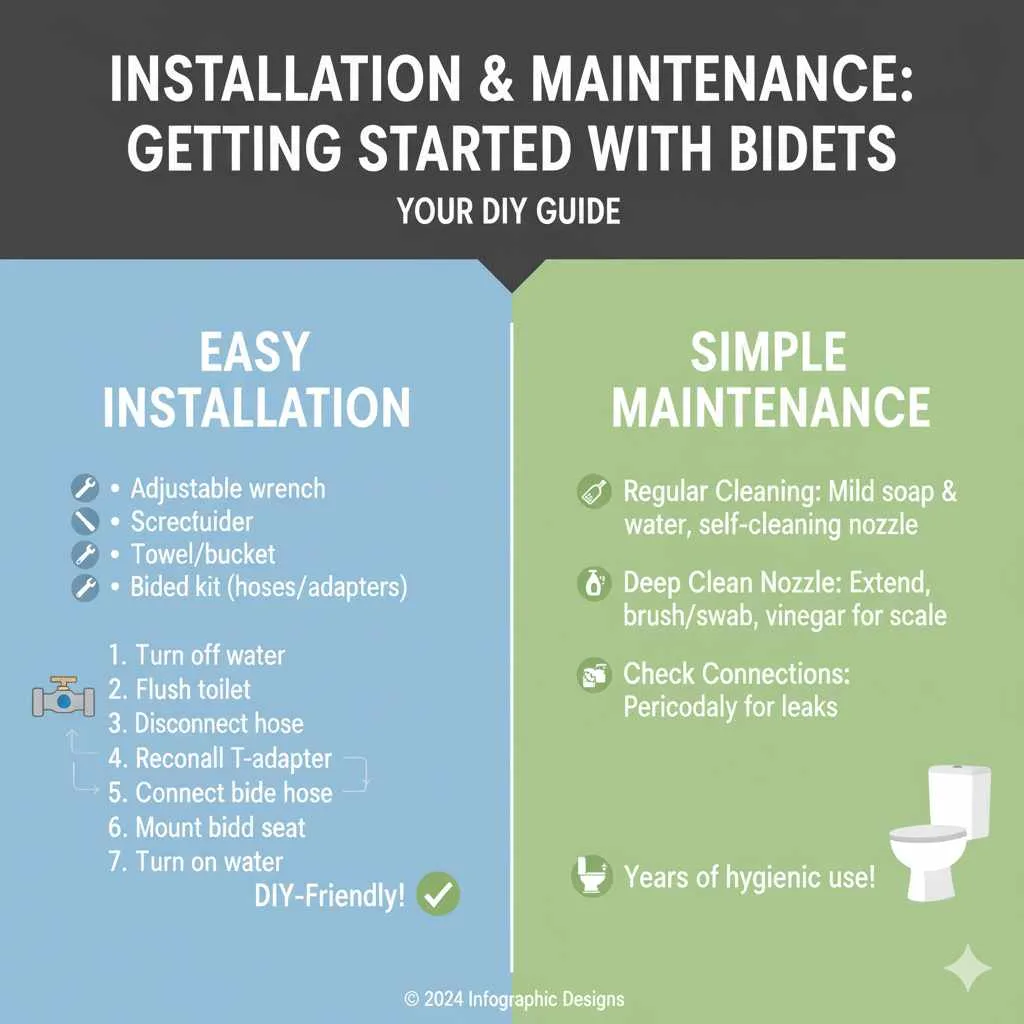
Installation and Maintenance: Getting Started with Bidets
One of the best things about bidets, especially modern bidet seats and attachments, is how accessible they are. Installation is surprisingly simple, and maintenance is straightforward. You don’t need to be a master plumber to enjoy the benefits!
Easy Installation: What You’ll Need
For most bidet seats and attachments, the installation process is DIY-friendly and requires minimal tools. Typically, you’ll need:
- An adjustable wrench.
- A screwdriver (sometimes).
- A towel or bucket to catch any dripping water.
- The bidet kit itself, which usually comes with all necessary hoses and adapters.
General Installation Steps (can vary by model):
- Turn off the water supply: Locate the shut-off valve behind your toilet and turn it clockwise to shut off the water.
- Flush the toilet: Hold the handle down to drain as much water as possible from the tank.
- Disconnect the water hose: Unscrew the existing water supply hose from the toilet tank. Have your towel or bucket ready for drips.
- Install the T-adapter: Screw the provided T-adapter onto the toilet tank’s fill valve connection.
- Reconnect the water supply: Reattach the original toilet supply hose to the bottom of the T-adapter.
- Connect the bidet hose: Attach the bidet’s water supply hose to the remaining port on the T-adapter.
- Mount the bidet seat/attachment: Remove your old toilet seat, place the bidet seat or attachment according to the instructions, and re-secure it.
- Turn the water back on: Slowly turn the shut-off valve back on and check all connections for leaks.
Most electronic bidet seats will also require plugging into a nearby GFCI-protected electrical outlet. Always follow the specific instructions that come with your bidet model for the safest and most accurate installation.
Simple Maintenance for Longevity
Bidets are designed to be low maintenance. Here’s what you typically need to do:
- Regular Cleaning: Clean the exterior of the bidet seat and the nozzle with mild soap and water, just like you would clean your toilet. Many models have self-cleaning nozzles that rinse themselves before and after use.
- Deep Cleaning the Nozzle: For a more thorough clean, many nozzles can be manually extended or have a self-cleaning cycle. You can also use a soft brush or a cotton swab dipped in a mild disinfectant.
- Descaling (if needed): If you have very hard water, mineral buildup might occur over time. You can run a cycle with white vinegar to help descale it.
- Check Connections: Periodically check the water connections for any signs of wear or leaks.
With minimal effort, your bidet will provide years of hygienic, comfortable use.
Frequently Asked Questions About Bidets
Q1: Is using a bidet messy or difficult to use?
A1: Not at all! Modern bidets are designed for ease of use. The water stream is precisely aimed, and with a little practice, you’ll find it very comfortable and clean. Many people find it less messy than using toilet paper.
Q2: Do I still need toilet paper after using a bidet?
A2: If your bidet has a drying function, you might eliminate toilet paper use entirely. If not, you’ll only need a small amount to pat dry, significantly reducing your overall consumption. Some people use dedicated reusable towels.
Q3: Are bidets expensive?
A3: Bidets come in a wide range of prices. Simple bidet attachments can cost as little as $30-$50. Bidet toilet seats range from $100 to $500+, depending on features. Integrated bidet toilets are the most expensive, often starting at $800 and going up to several thousand dollars.
Q4: Are bidets hygienic?
A4: Yes, bidets are considered more hygienic than toilet paper. They use water to cleanse, which effectively removes waste rather than smearing it, reducing the risk of irritation and infection. Most bidets also have self-cleaning nozzles.
Q5: Do bidets use a lot of water?
A5: Basic bidet washes use a very small amount of water, typically around 0.13 gallons per use. This is significantly less water than is used to produce a single roll of toilet paper.
Q6: Can I install a bidet myself?
A6: Absolutely! Most bidet seats and attachments are designed for easy DIY installation and require only basic tools and about 15-30 minutes of your time.
Q7: Do electric bidets require a special outlet?
A7: Yes, most electric bidets require a Ground Fault Circuit Interrupter (GFCI) protected electrical outlet near the toilet for safety reasons. Standard outlets may not be suitable.
Conclusion: Embrace a Cleaner, Fresher You!
Making the switch to a bidet is more than just a bathroom upgrade; it’s an investment in your personal comfort, hygiene, and even the environment. The proven results consistently show that bidets offer a genuinely superior clean compared to traditional toilet paper. They are gentle, effective, and leave you feeling remarkably refreshed and confident.
From the ease of installation to the minimal maintenance, bringing a bidet into your home is surprisingly accessible. Whether you opt for a simple attachment, a feature-rich bidet seat, or an integrated toilet, you’re choosing a path towards a cleaner, healthier, and more pleasant daily routine. You’ll likely wonder how you ever managed without one!
So, are you ready to experience the difference for yourself? Embracing a bidet is an easy step towards a more comfortable and hygienic lifestyle. Give it a try – your body will thank you!