Difference Between 10 Inch And 12 Inch Mattress: Essential
The key difference between a 10-inch and a 12-inch mattress is primarily the thickness, which affects how much support and cushion you feel. Generally, a 12-inch mattress offers deeper contouring and more robust support layers, making it better for heavier individuals or those wanting a plusher feel compared to the often firmer, more budget-friendly 10-inch option.

As an Amazon Associate I earn from qualifying purchases.
Choosing the right mattress thickness can feel confusing. You might be looking at two great models, but one is 10 inches thick, and the other is 12 inches. Does those extra couple of inches really matter? For a beginner tackling their first big furniture purchase, this small measurement difference can seem huge. Will it affect how you sleep, how high your bed sits, or even how your sheets fit? Absolutely! Don’t worry, though. We are going to break down this choice simply. Think of me as your guide for getting the best sleep performance for your money. By the end of this, you will know exactly what the difference between 10 inch and 12 inch mattress options means for your bedroom setup.
Understanding Mattress Thickness: It’s More Than Just Depth
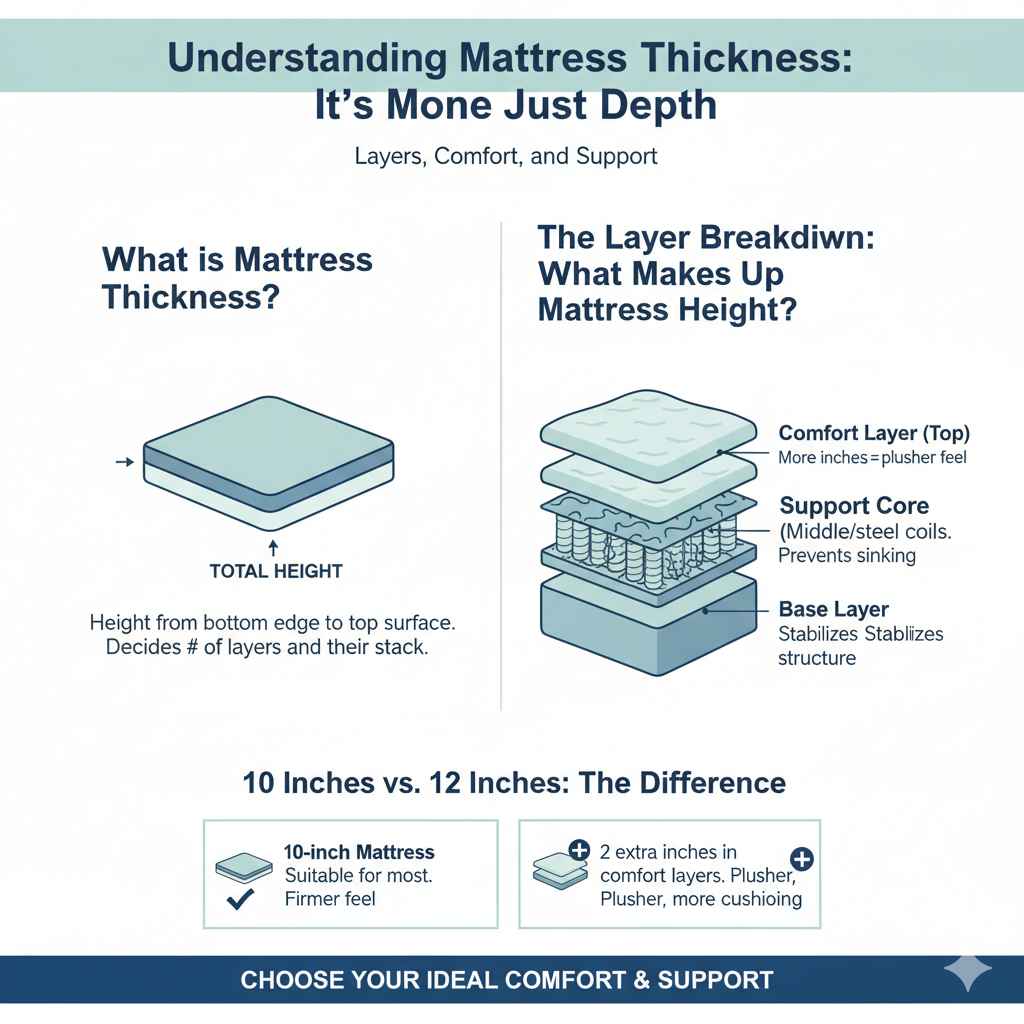
When we talk about mattress thickness, we are measuring how tall the mattress is from the very bottom edge to the very top surface. This total height decides how many layers the mattress has and how they stack up. For a beginner, it’s easy to think “thicker automatically means better,” but that’s not always true. Both 10-inch and 12-inch mattresses are considered medium-to-thick options, suitable for most sleepers, especially when compared to slim 6- or 8-inch models.
However, those extra two inches aren’t just empty space. They are usually filled with higher-quality, denser materials that change how the mattress feels when you lie down. This small change in dimension results in noticeable differences in feel, support, and suitability for different body types.
What Makes Up Mattress Height? The Layer Breakdown
A modern mattress, whether it’s foam, innerspring, or hybrid, is built like a layered cake. The total height is the sum of all these parts:
- Comfort Layer (Top): This is usually soft foam or padding that cradles your body. More inches here mean a plusher, more “sinking-in” feel.
- Support Core (Middle/Bottom): This is the engine of the mattress, often made of dense foam or steel coils. It prevents you from sinking to the floor.
- Base Layer (Bottom): The firmest layer that stabilizes the entire structure.
In the contest of 10 inches vs. 12 inches, those 2 inches are typically added to the comfort or transitional layers. This means the 12-inch mattress usually has more cushioning material sitting between you and the firm support core.
The Essential 10-Inch Mattress: Great Value and Firm Feel
The 10-inch mattress is often the sweet spot for value, especially for side sleepers or those who prefer a firmer sleeping surface. Think of this as the reliable standard.
Who Is the 10-Inch Mattress Best For?
This thickness works wonderfully for specific types of sleepers and bedroom situations:
- Average Weight Sleepers (Under 230 lbs): If you are within an average weight range, a quality 10-inch mattress provides plenty of support without needing excessive bulk.
- Back and Stomach Sleepers: People who sleep on their front or back generally need less padding to keep their spine aligned. A 10-inch mattress often feels naturally firmer, keeping the hips from sinking too low.
- Budget-Conscious Buyers: Generally, 10-inch models cost less because they use slightly less raw material. You get excellent performance for less money.
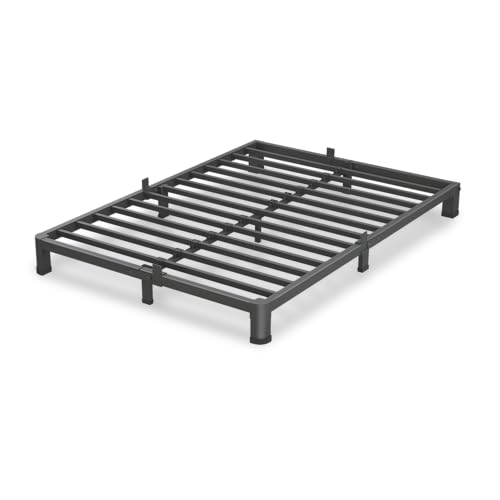
- Lower Bed Frames: If you have a low platform bed or want to keep the top of your mattress closer to the floor for mobility reasons, 10 inches is easier to manage.
Pros and Cons of a 10-Inch Mattress
Let’s look at the simple trade-offs when you select a 10-inch option:
| Pros (Advantages) | Cons (Disadvantages) |
|---|---|
| Excellent value for the price. | May lack deep contouring for heavier side sleepers. |
| Feels generally firmer and more responsive. | Less suitable for individuals over 250 lbs who need deep support. |
| Easier to move and set up. | Durability can sometimes be lower than very thick models (depending on material quality). |
| Works well on most bed frames without looking oversized. | Fewer layers mean less specialization in cushioning zones. |
Diving Deep: The 12-Inch Mattress Experience
Stepping up to a 12-inch mattress usually means you are investing in more comfort, deeper pressure relief, and better overall isolation. These extra two inches often translate directly into better plushness.
Who Benefits Most from a 12-Inch Mattress?
The added height caters well to those who need extra cushioning or have specific needs:
- Heavier Individuals (Over 230 lbs): More material means the mattress has a higher overall weight capacity and can absorb pressure better without bottoming out on the support core. Look into resources like the National Institute of Standards and Technology (NIST) guidelines on material consistency when considering support structures.
- Side Sleepers: Side sleepers need more padding (comfort layer) to buffer the hips and shoulders. The extra two inches often accommodate a thick comfort layer, preventing painful pressure points.
- Couples with Different Styles: A thicker mattress, especially a hybrid, usually offers superior motion isolation, meaning you won’t feel your partner tossing and turning as much.
- People with Joint Pain: Deeper cushioning helps cradle the body, taking stress off sore joints like hips, knees, and shoulders.
The Added Value of 12 Inches: Layers and Feel
The main appeal of the 12-inch height is the ability for manufacturers to use more premium or specialized materials. For instance, a 10-inch memory foam might have 2 inches of comfort foam, while a 12-inch version might boast 4 inches of gel-infused, high-resilience foam.
Here is where that extra height adds tangible comfort:
- Deeper Pressure Relief: You sink in further before hitting the firm takeaway layer, leading to a “hugging” sensation.
- Better Temperature Regulation (Sometimes): More layers, especially in hybrids, create more airflow channels within the mattress structure, which can help dissipate heat better than a tightly packed 10-inch model.
- Enhanced Durability: More material, when high-quality, generally means the mattress is built to last longer under constant stress.
Direct Comparison: 10 Inch vs. 12 Inch Mattress
To make the choice easy, let’s put the core feature sets side-by-side. This clarifies the practical impact of those two inches.
| Feature | 10-Inch Mattress | 12-Inch Mattress |
|---|---|---|
| Typical Feel | Medium to Firm | Medium to Plush |
| Cushioning Depth | Moderate (Less Hug) | Significant (Deeper Sink) |
| Best For Weight Group | Light to Average (Under 230 lbs) | Average to Heavy (Over 230 lbs) |
| Price Point | Generally Lower | Generally Higher |
| Height on Frame | Lower Profile | Taller Profile (Look taller) |
| Motion Isolation | Good (Depends on material) | Very Good (More material dampens movement) |
Practical Considerations Beyond Sleeping Feel
Choosing a mattress isn’t just about lying down; it also involves how it interacts with your bedroom environment. These practical points are crucial for a confident purchase.
1. Bed Height and Frame Compatibility
This is likely the most immediate physical difference you will notice:
- The Stool Factor: If you have a very low bed frame, a 12-inch mattress might make the top surface too high, especially for shorter individuals getting in and out of bed. It’s wise to measure your existing bed height (frame height + current mattress height) and add your potential new mattress thickness.
- Aesthetics: A 12-inch mattress on a modern, low-profile platform can look very luxurious and substantial. On a traditional, high box spring bed, a 10-inch mattress might look more proportional.
If you are concerned about the final height, remember that for box springs, you usually want the entire arrangement to be around 24 to 30 inches from the floor to the top surface. Taller people often prefer the higher end of that range.
2. Sheet Fit and Deep Pockets
This is where many beginners run into trouble after the delivery truck leaves. Sheets must fit snugly to prevent them from slipping off in the middle of the night!
The Rule of Thumb:
- A 10-inch mattress usually fits standard “Deep Pocket” sheets (which are typically sized for 12–14 inches of depth).
- A 12-inch mattress will DEFINITELY require sheets advertised as “Extra Deep Pocket” or “Super Deep Pocket,” capable of handling depths up to 16 inches.
If you are buying a 12-inch mattress, make a note to check the packaging or product description of your fitted sheets to ensure they can stretch over that extra depth. Using sheets that are too small will cause constant frustration.
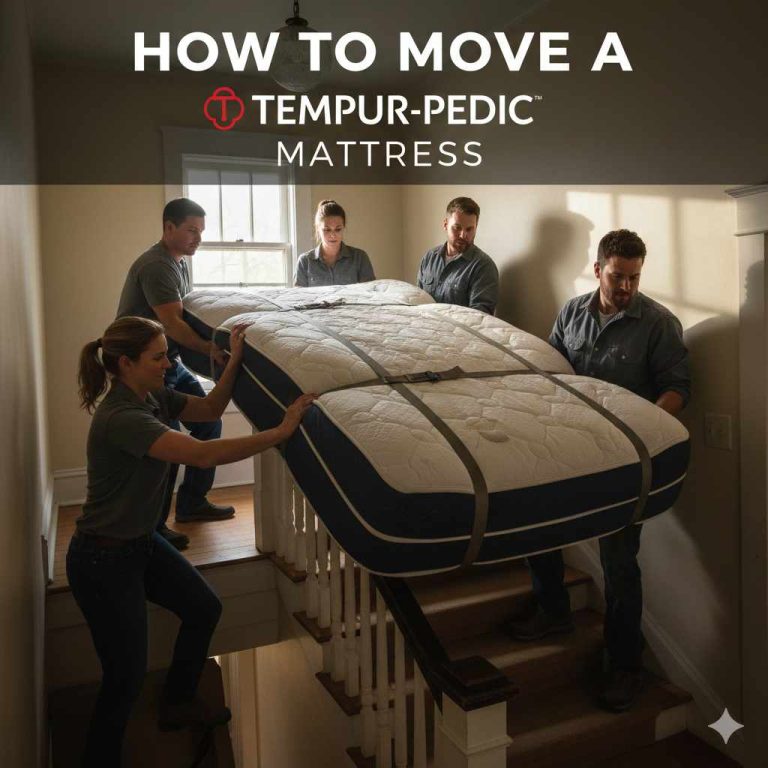
3. Moving and Setup
While both sizes are manageable, the difference becomes clearer when you actually have to lift them:
- 10-Inch: Usually lighter, especially if it’s an all-foam model. Easier to navigate up stairs or around tight corners.
- 12-Inch: Heavier, especially hybrid or innerspring models because they contain more steel and dense foam. If you have to carry it up three flights of stairs alone, those extra few pounds matter!
Material Matters More Than Thickness (Sometimes)
Dustin here—and I need to offer you a major piece of advice from my years of looking at vehicle parts (and yes, mattresses share similar engineering concepts): The quality of the material often beats the raw number.
A high-quality 10-inch memory foam mattress filled with dense, high-density (HD) foam might perform better than a poorly constructed 12-inch mattress using extremely soft, low-density foam in its comfort layers. Low-density foam breaks down quickly, causing body impressions in just a year or two.
Here is how to judge quality regardless of height:
- Look for Foam Density: For memory foam, aim for 4 lbs per cubic foot (PCF) or higher in the comfort layers. For support cores, look for 1.8 PCF or higher. Lower density means faster sagging.
- Check Coil Count (For Hybrids): A higher coil count usually means better point elasticity and support, regardless of whether the mattress is 10 or 12 inches.
- Read Warranty Information: Longer warranties (10 years and up) suggest the manufacturer is confident in the materials lasting, which protects your investment. Reviewing warranty details can offer insight into expected lifespan, similar to checking the EPA standards for fuel efficiency—both point to engineering reliability.
The 10-inch mattress, if made of excellent, dense materials, can easily outlast and feel more comfortable than a cheap 12-inch model.
When Does Material Quality Most Affect Height Difference?
The biggest impact of the 10 vs. 12 difference is seen in specific mattress types:
All-Foam Mattresses
Here, the thickness is almost purely about cushioning. The 12-inch version simply allows for 2 inches more luxurious, slow-moving memory foam on top, resulting in a much softer, deeper hug. The 10-inch version will usually feel bouncier or firmer because the comfort layer is thinner, meaning you reach the firmer transition foam faster.
Innerspring Mattresses
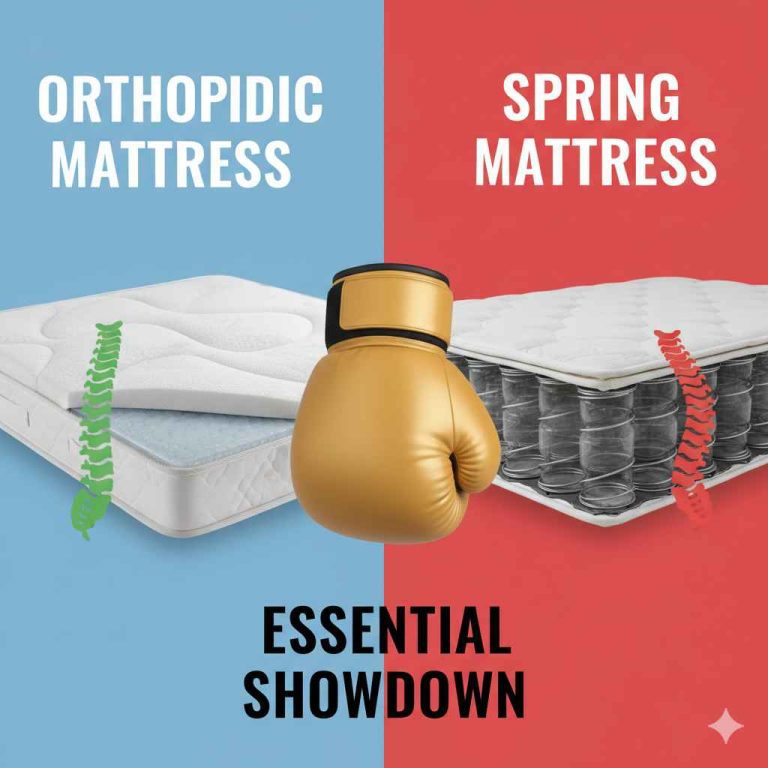
For traditional innersprings, the height difference is often minimal in feel. The coils themselves are usually a standard height (say, 6 to 8 inches). The extra 2 inches in a 10 vs. 12 inch model will likely be dedicated to padding (pillow tops, batting, or thin polyfoam layers). This means the 12-inch innerspring will feel significantly plusher but might offer less edge support if the side padding is thin.
Hybrid Mattresses
This is where the 12-inch truly shines. Hybrids combine coils (support) with foam (comfort). The 12-inch model usually has a thicker pocketed coil system (e.g., 7 inches vs. 6 inches) AND/OR much thicker comfort layers (e.g., 5 inches vs. 3 inches). This combination delivers superior pressure relief without sacrificing the responsiveness of the coils.
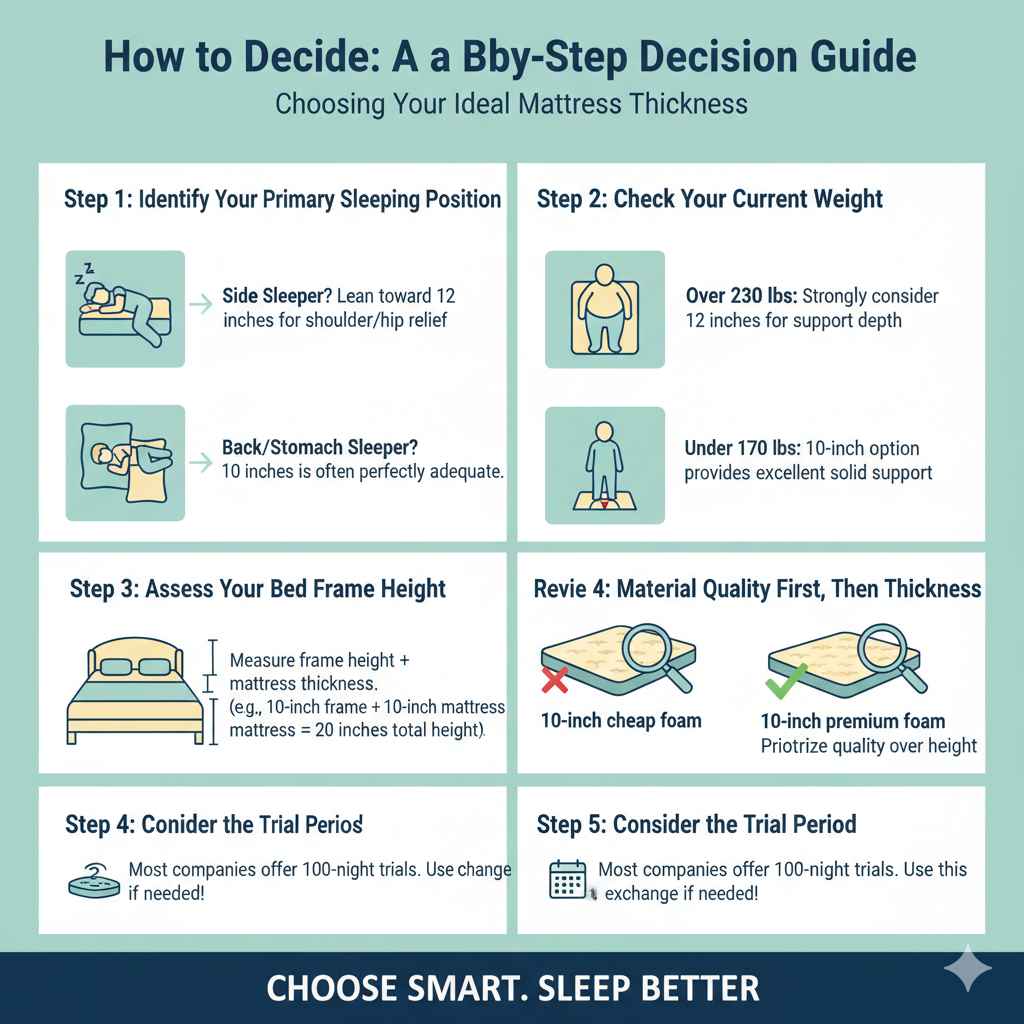
How to Decide: A Step-by-Step Decision Guide
Ready to make the call? Follow these steps to ensure you choose the right thickness for you, just like checking an oil dipstick tells you exactly what your engine needs.
- Identify Your Primary Sleeping Position:
- Side Sleeper? Lean toward 12 inches for shoulder/hip relief.
- Back/Stomach Sleeper? 10 inches is often perfectly adequate.
- Check Your Current Weight:
- If you weigh over 230 lbs, strongly consider 12 inches for support depth.
- If you weigh under 170 lbs, the 10-inch option provides excellent solid support.
- Assess Your Bed Frame Height:
- Measure the height of your current frame. If your current mattress is 8 inches and the frame is 10 inches high, a 10-inch new mattress will sit at 20 inches—good. A 12-inch mattress would sit at 22 inches—maybe too high if you are vertically challenged!
- Review Material Quality First, Then Thickness:
- If the 10-inch model uses premium, high-density foams and the 12-inch model uses cheap, low-density foam, choose the 10-inch. Always prioritize material specs over height.
- Consider the Trial Period:
- Most online mattress companies offer 100-night trials. Use this! If you choose the 10-inch and feel it’s too firm after two weeks, you have time to exchange it for the 12-inch version if the company allows exchanges.
Addressing Common Beginner Questions (FAQ)
Q1: Will a 12-inch mattress feel noticeably softer than a 10-inch one?
A: Not automatically, but usually yes. The extra 2 inches are typically added as softer comfort layers. If both mattresses use similar materials (e.g., both are memory foam), the 12-inch will feel plusher because there is more material between you and the firm support core.
Q2: Do I need special deep-pocket sheets for a 12-inch mattress?
A: Yes, it’s highly recommended. While a 10-inch mattress usually fits within standard “deep pocket” sheets (up to 14 inches), a 12-inch mattress benefits from sheets specifically labeled “extra deep pocket” or “super deep pocket” to ensure the fitted sheet corners grip securely.
Q3: Can a 10-inch mattress be supportive enough for a heavy person?
A: Yes, if the mattress is a high-quality hybrid or innerspring with a very strong support core (like reinforced coils) and high-density support foams. For side sleepers over 230 lbs, the 12-inch is safer because it offers more cushioning bulk.
Conclusion
In the end, the difference between a 10-inch and a 12-inch mattress comes down to comfort depth, support capacity, and personal sleep needs rather than just height. A 10-inch mattress is a practical, budget-friendly choice that works well for back and stomach sleepers, lighter individuals, and anyone who prefers a firmer feel with a lower bed profile. A 12-inch mattress, on the other hand, offers more cushioning layers, deeper pressure relief, and better overall support for side sleepers, heavier individuals, and those seeking a plusher, more luxurious sleep experience.
However, thickness alone does not guarantee quality. A well-built 10-inch mattress made with high-density materials can outperform a poorly constructed 12-inch one. The smartest decision comes from balancing your body weight, sleeping position, bed frame height, and material quality. If you want simplicity, firmness, and value, the 10-inch option is often enough. If you want extra comfort, durability, and pressure relief, stepping up to 12 inches is usually worth it.
Related pick: Check today's price on Amazon
Products related to this article
Sponsored / affiliate links. As an Amazon Associate I earn from qualifying purchases. I may earn additional commission from eligible campaigns.