Orthopedic Mattress vs Spring Mattress: Essential Showdown
Orthopedic mattress vs spring mattress: The main difference is support structure. Orthopedic mattresses offer firm, targeted joint alignment, usually via high-density foam or specialized coils, while traditional spring mattresses rely on interconnected coils, often leading to less targeted support and more motion transfer. Choosing depends on your specific comfort and support needs.

BedStory
BedStory Hybrid Mattress Queen, 13 Inch Firm…
- Queen Size Mattress 13 Inch / Firm Hybrid Mattress in a Box
- Queen Hybrid Mattress - Combining multiple foam layers with advanced pocket springs, the BedStory queen mattress offer orthopedic…
- Advanced Breathable Design - Featuring an open-coil system, this mattress queen size delivers more airflow than all-foam beds. Tog…
As an Amazon Associate I earn from qualifying purchases.
For a closely related home or decor topic, Puffy Lux Mattress Vs Dream Cloud: Essential Showdown gives readers a useful next step.
When you are shopping for a new bed, the choices can feel overwhelming. It’s like trying to pick the right oil filter at the auto parts store—so many options, and you just want the one that keeps your engine (or in this case, your back) running perfectly! Two types often show up in the search results: the orthopedic mattress and the traditional spring mattress. You hear the word “orthopedic” and think, “That sounds supportive,” but what does it really mean compared to the classic springs you grew up with? Don’t worry; we are going to break this down simply. We’ll look at how each one is built, who benefits most, and how to pick the best one for your sleep needs without needing a degree in sleep science. By the end, you’ll feel confident making the right choice for your comfort.
Understanding the Basics: What Exactly is an Orthopedic Mattress?
The term “orthopedic” sounds serious, but at its core, it just means designed to support the skeleton, especially the spine, in a healthy, neutral alignment. Think of it like setting your car’s wheel alignment perfectly—everything sits straight and handles better.
There is no single, universal standard body that every manufacturer must follow for a mattress to be called “orthopedic.” However, in the mattress world, it generally implies a very firm level of support designed to relieve pressure points and keep the spine properly aligned, often addressing back pain issues.
Construction Deep Dive for Orthopedic Beds
Orthopedic support comes from the core materials used. These beds rarely use older, basic spring systems. They focus on density and pressure distribution.
1. High-Density Foams (Memory Foam or Polyfoam)
Many modern orthopedic mattresses use layers of high-density foam. These materials contour closely to the body, distributing weight evenly. This reduces pressure on hips and shoulders compared to materials that don’t yield as well.
2. Specialized Core Systems
Some orthopedic mattresses use pocketed coils (individually wrapped springs). The coils are often designed to have varying firmness zones. For example, the middle third of the bed might be firmer to support the lumbar (lower back) area, where many people need extra help.
3. Firmness is Key
Orthopedic mattresses prioritizes firmness above plushness. While they still offer cushioning, the primary focus is ensuring you don’t sink in too deeply, which can throw your spine out of alignment, similar to sitting in a sagging car seat day after day.

The Traditional Workhorse: What is a Spring Mattress?
If you look under a classic mattress, you’ll likely find a network of metal coils. These are the spring mattresses, often called innerspring mattresses. They have been the standard in bedding for decades.
In the automotive parallel, this is like the tried-and-true leaf spring suspension system—reliable, bounces back quickly, and generally does the job well!
Types of Spring Systems Used in Mattresses
Not all springs are created equal. The way they are wired together dramatically changes how the mattress feels and performs.
- Bonnell Coils: These are the oldest style, shaped like an hourglass and interconnected with helical wires. They offer good airflow but tend to transfer motion easily (if your partner moves, you feel it).
- Continuous Coils: Similar to Bonnell but made from one long wire. They offer decent edge support but also transfer motion.
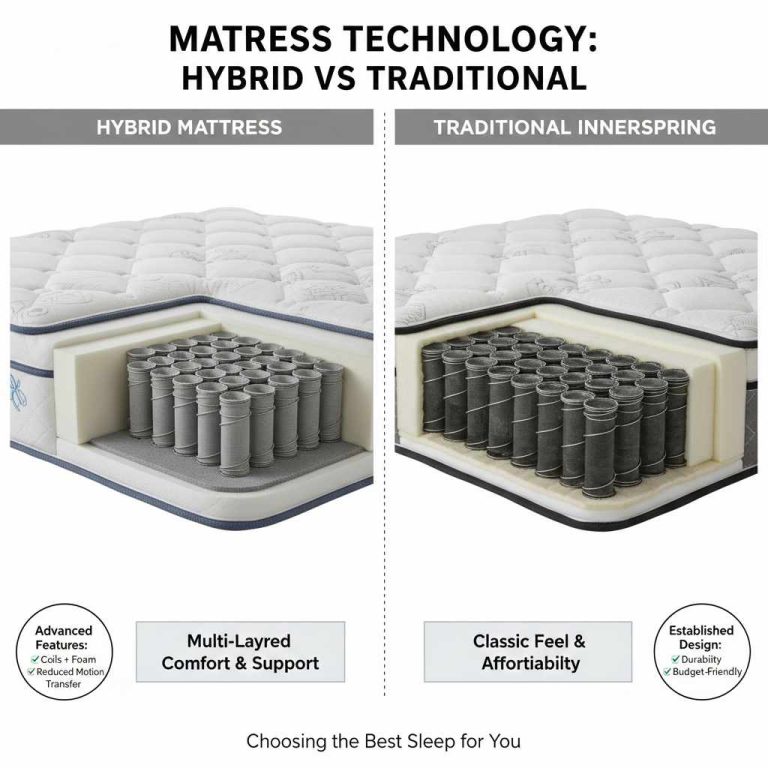
- Pocketed/Marshall Coils: These are the more modern, upscale version. Each coil is wrapped in its own fabric pocket. This allows each spring to move independently, improving contouring and significantly reducing motion transfer. These are often found in hybrid or higher-end orthopedic-style beds too.
The Showdown: Orthopedic Mattress vs Spring Mattress
Now, let’s put them head-to-head in a side-by-side comparison. This helps clarify the tangible differences in support and feel. Remember, one isn’t universally “better”; it depends on what your body needs.
Key Comparison Factors
We need to check how they handle support, motion isolation, temperature, and longevity.
| Feature | Orthopedic Mattress (Typically Foam/Hybrid) | Traditional Spring Mattress (Bonnell/Continuous) |
|---|---|---|
| Primary Support Method | High-density foams or zoned pocketed coils; emphasizing firmness and alignment. | Interconnected metal coils providing immediate push-back and bounce. |
| Motion Isolation | Excellent, especially with memory foam cores. Little disturbance when a partner moves. | Poor to moderate. Connected coils transmit movement across the surface easily. |
| Pressure Relief | Very good contouring, molding to curves to reduce pressure points. | Can create pressure points if the support isn’t zoned or if the top layer is too thin. |
| Airflow/Cooling | Can sometimes trap heat (though modern foams often include gel infusions). | Excellent airflow due to the open structure between the coils. |
| Feel/Bounce | Lower bounce; often a slow, sinking, cradling feeling (depending on foam type). | High bounce and immediate responsiveness. Feels like you are sleeping “on top” of the bed. |
When to Choose the Orthopedic Design
If you are dealing with chronic back pain or joint stiffness, the targeted support of an orthopedic mattress is often the doctor-recommended route. It is designed to keep your spine in the same line it holds when you stand up straight.
Here are situations where an orthopedic model shines:
- You wake up stiff or sore, especially in the lower back.
- You share a bed and are frequently woken up by your partner tossing and turning.
- You prefer a sleeping surface that conforms closely to your body shape.
- You are looking for pressure point relief for hips, knees, or shoulders.
Doctors often suggest materials that promote proper posture support. For example, research published by organizations like the Mayo Clinic frequently highlights the importance of supportive bedding for managing chronic low back pain, often pointing toward medium-firm surfaces that prevent excessive sinking.
When the Traditional Spring Mattress Is Your Best Bet
Spring mattresses are fantastic for drivers who like a classic, familiar feeling. They excel in breathability and responsiveness.
- You prefer a bouncy, instantly responsive feel without the “sinking” sensation of memory foam.
- You tend to sleep hot and need maximum airflow to keep cool throughout the night.
- You are on a tighter budget (basic innerspring models are often the most affordable starting point).
- You don’t have significant chronic back or joint issues that require specialized, zoned support.
The Hybrid Compromise: Getting the Best of Both Worlds
If you’re reading this and thinking, “I like the support of orthopedic but the bounce of springs,” you need to look at the hybrid category. Hybrids are often the solution in this orthopedic mattress vs spring mattress debate.
A hybrid mattress blends materials. Typically, it features a base layer of pocketed coils (providing the bounce and airflow of springs) topped with thick comfort layers of foam (like memory foam or latex) that offer the pressure relief and contouring associated with orthopedic designs.
This combination often strikes the perfect balance for many sleepers:
- Support Core: Pocketed coils offer deep support and excellent edge structure.
- Comfort Core: Foam layers cradle the body, distributing weight and providing orthopedic alignment.
- Durability: Often lasts longer than basic foam or basic innerspring beds because the layers work together effectively.
When choosing a hybrid, check how many coils are in the mattress per square inch (CPI). Higher CPI usually means better individual support and contouring, bringing it closer to that advanced orthopedic feel.
Testing and Selection: A Practical Guide
Choosing a mattress is like test-driving a vehicle: you can read all the specs, but you have to sit in it to know if it fits you. Here is a practical approach to making your final selection.
Step 1: Assess Your Current Sleep Issues (Diagnosis)
Before shopping, identify what’s wrong with your sleep setup. Be precise. Don’t just say, “My back hurts.” Try to be specific, like a good mechanic diagnosing an engine noise:
- Where exactly do you feel pain (shoulders, lower back, hips)?
- Do you sleep mostly on your side, back, or stomach? (Side sleepers usually need slightly more contouring/softness.)
- Do you wake up hot, or is the bed too soft/hard?
Step 2: Understand Firmness Ratings
Mattress firmness is rated usually on a scale of 1 (softest) to 10 (firmest).
- Soft (1–3): Suitable for lighter side sleepers who sink in deep.
- Medium (4–6): The sweet spot for most people, often where specialized orthopedic/zoned beds fall to balance support and comfort.
- Firm (7–10): Best for stomach sleepers or those needing maximum spinal alignment correction.
Orthopedic mattresses usually target the Medium-Firm to Firm range (5.5 to 8) to ensure the spine stays straight.
Step 3: Look for Trials and Warranties
This is one of the most important practical steps. You cannot judge a mattress in the brief time you lie on it in the showroom. Look for companies offering in-home sleep trials, often 90 to 120 nights.
A generous trial period is crucial because your body needs several weeks to adjust to a new level of support. If you switch from a very soft, old bed to a firm orthopedic model, you might feel sore for the first week—that’s normal adjustment time. If the initial discomfort doesn’t fade, you can return it. Always confirm the return policy, restocking fees, and shipping costs upfront.
Step 4: Check the Foundation Requirements
No matter which mattress you choose, the foundation matters. A poor base can ruin even the best mattress, much like using the wrong type of suspension fluid in your shocks can ruin a smooth ride.
- Foam/Orthopedic Beds: Usually require a solid platform or closely spaced slats (no more than 2-3 inches apart) to prevent sinking through the foam layers.
- Innerspring/Hybrid Beds: Can often use traditional box springs or slatted platforms, but check the manufacturer’s recommendations to ensure the coils are properly supported.
Using an unsuitable foundation might void the warranty, so always check the manufacturer’s guidelines before installing the new bed.
Maintenance Tips for Longevity
Once you’ve invested in your new sleeping surface, taking care of it ensures it performs optimally for years. Just like regularly rotating your tires keeps the wear even, mattress care maintains consistent support.
Caring for Your New Bed
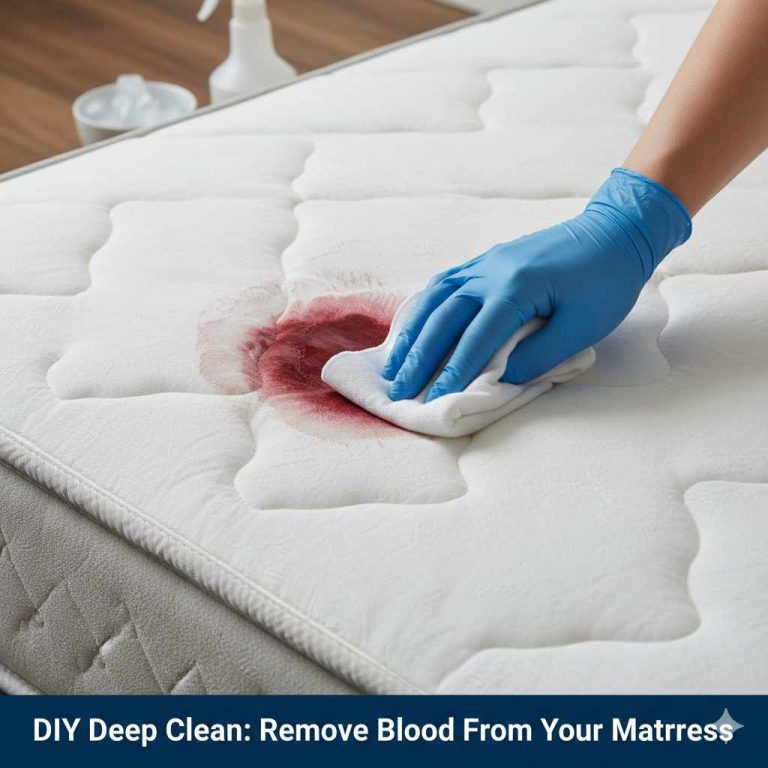
- Use a Mattress Protector: This is non-negotiable. A high-quality, waterproof protector keeps sweat, spills, and dust mites out. This is vital for hygiene and maintaining the foam/material integrity.
- Rotate Regularly: Even orthopedic mattresses benefit from rotation every 3 to 6 months. While most modern mattresses require no flipping, rotating them head-to-foot ensures even wear across the sleeping surface.
- Air It Out: If you switch to a foam-heavy orthopedic bed, it might off-gas (have a light smell) initially. During the initial weeks, try to leave the sheets off for a few hours every two weeks to allow the material to breathe and the smell to disperse.
- Avoid Jumping/Sitting on Edges: Repeatedly sitting heavily on the edges of the mattress (especially non-hybrid innerspring models) damages the coil system or compresses foam unevenly, leading to premature sagging.

Frequently Asked Questions (FAQ)
Q1: Is an orthopedic mattress just a very firm spring mattress?
Not always. While some orthopedic beds use zoned pocketed springs, many modern ones rely heavily on high-density memory foam or latex layers, which contour differently than traditional springs.
Q2: Will switching to an orthopedic mattress hurt my back initially?
It might feel different, maybe even slightly uncomfortable for the first week as your body adjusts to better alignment. If the pain persists longer than two weeks, the firmness level might be wrong for you or the mattress might be defective.
Q3: Are orthopedic mattresses bad for couples because they are so firm?
If the orthopedic mattress uses quality pocketed coils or high-density memory foam, motion isolation is usually top-notch, meaning you won’t feel your partner move. The firmness itself is adjustable based on the specific model chosen.
Q4: Can I use a traditional box spring under a high-density foam orthopedic mattress?
Generally, no. Foam needs solid or very closely spaced support (like platform bases or solid slats) to prevent sagging. A traditional box spring with wide gaps will damage and void the warranty on most modern foam or hybrid orthopedic beds.
Q5: Do orthopedic mattresses sleep hotter than spring mattresses?
Historically, yes, early memory foams trapped heat. However, most contemporary orthopedic models now include cooling features like gel infusions, copper infusions, or open-cell structures designed specifically to improve airflow and keep temperatures regulated.
Q6: Which type is generally better for side sleepers?
Side sleepers need cushioning for their shoulders and hips. A medium-firm hybrid that includes thick, conforming comfort layers (which mimic orthopedic contouring) is usually best, whereas a very firm, basic spring mattress might cause painful pressure points on the side.
Conclusion: Making the Confident Choice
Deciding between an orthopedic mattress and a traditional spring mattress isn’t about picking the trendiest option; it’s about finding the right alignment tool for your body. Think of it like tuning your vehicle for the best ride quality. If your primary concern is alleviating persistent aches and pains through superior, targeted support, the modern orthopedic design—often leaning heavily toward specialized foams or zoned hybrids—is built specifically for that job.
If you prioritize responsiveness, immediate spring-back feel, and maximum airflow, a quality, modern innerspring or hybrid incorporating pocketed coils remains a fantastic choice. Don’t forget that the hybrid model often bridges this gap perfectly. Always utilize those in-home trial periods. Give your body the necessary adjustment time, check the support foundation requirements carefully, and you will confidently drive away with the perfect mattress for years of restful sleep beneath you. You have all the information needed now to check those specifications and shop smart!
Related pick: Check today's price on Amazon
Products related to this article
Sponsored / affiliate links. As an Amazon Associate I earn from qualifying purchases. I may earn additional commission from eligible campaigns.
 Oykomuc Twin Box Spring Bed Base, 5 Inch Low Profile, 1500 LBS Heavy Duty Metal Mattress Foundation with Fabric Cover, Easy Assembly, Quiet Noise Free, Non Slip
 Oykomuc King Box Spring Bed Base 7 Inch High, 3000 LBS Heavy Duty Metal Mattress Foundation with Fabric Cover, Easy Assembly, Quiet Noise Free, Non Slip