What Size Is a 2-Quart Casserole? 8-Inch Square or Round
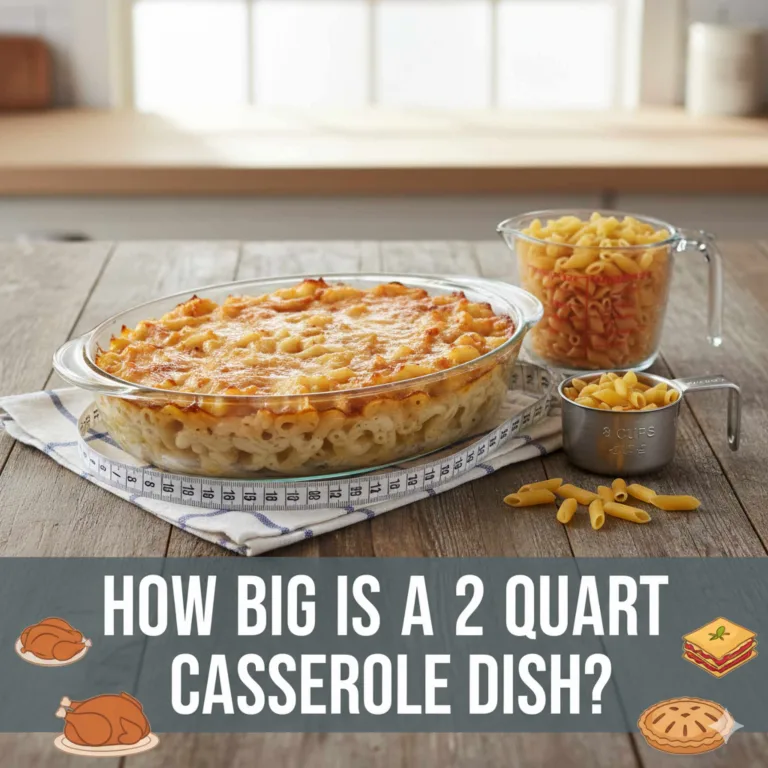
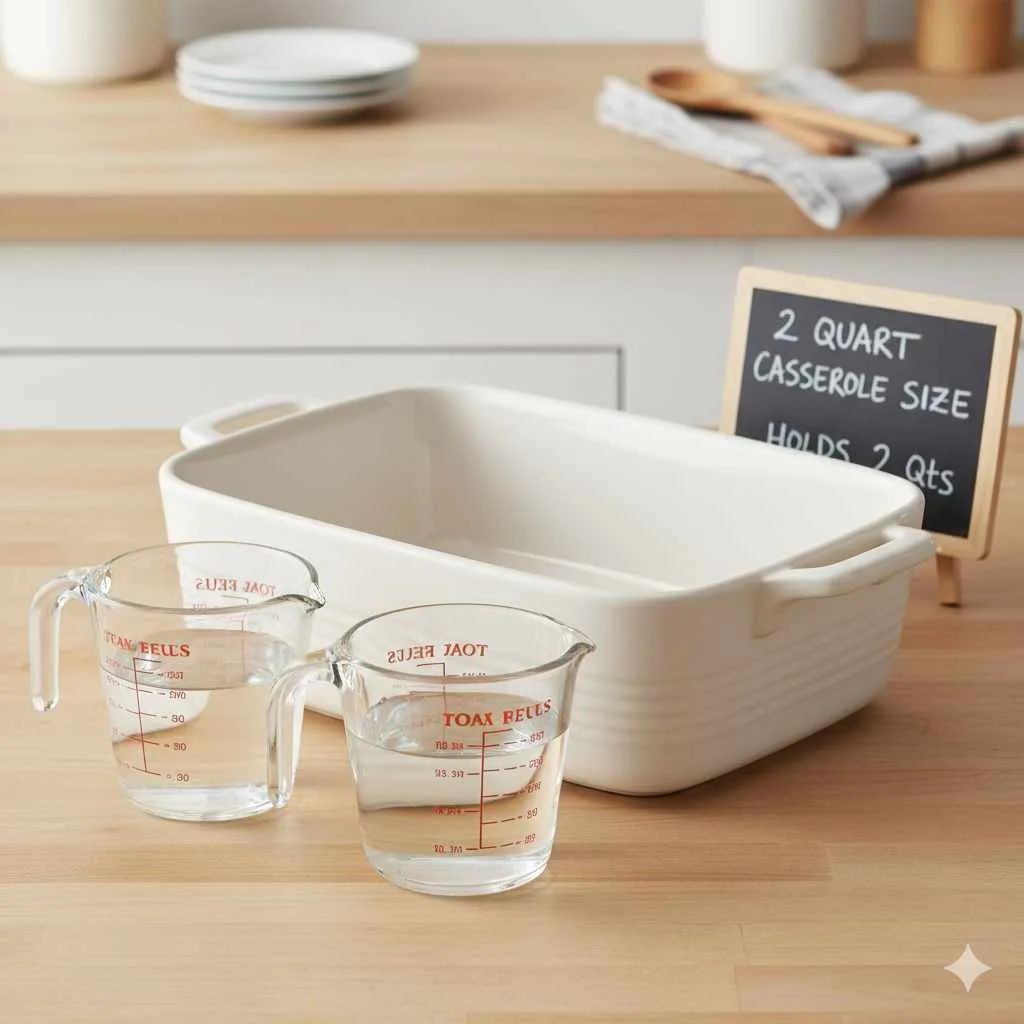
A 2-quart casserole dish holds 8 cups and measures about 8×8 inches square or roughly 9 inches across if round, enough for 4 to 6 servings of a baked dish. Grab a smaller pan for a recipe written for a 2-quart dish and the filling overflows in the oven, while too large a pan leaves the dish thin and prone to drying out. This guide covers the common shapes, exact dimensions, and when to size up.
For a related recipe idea, How To Serve Breakfast Casserole is a useful next step. For another casserole recipe, How To Make Tuna Noodle Casserole gives readers another dish to try, and How Long To Cook Chicken Casserole adds another practical detail to check.
Understanding Casserole Dish Sizes: The Basics
Casserole dishes come in all shapes and sizes, and their volumes are measured in quarts or liters. A quart is a unit of volume, roughly equivalent to four cups. So, a 2-quart dish holds about 8 cups of liquid or solid ingredients.
When we talk about a “2-quart casserole,” we’re usually referring to its capacity. However, the physical dimensions of the dish can vary slightly depending on its shape and how deep it is. This can sometimes be the tricky part, as two dishes with the same volume might look different.
Common Shapes for 2-Quart Casseroles
While the volume is the key identifier, 2-quart casseroles most commonly come in two popular shapes:
- Square Casserole Dishes: These are typically around 8 inches by 8 inches.
- Round Casserole Dishes: These are usually about 9 inches in diameter.
It’s important to remember that these are approximate. Some 8×8 inch dishes might be slightly deeper or shallower, affecting the exact volume. Similarly, a 9-inch round dish could have variations. Always check the product description or label if you need an exact measurement for a specific recipe.

What Size Is 2 Quart Casserole: Dimensions Explained
Let’s get down to the specifics. When a recipe calls for a 2-quart casserole dish, what concrete dimensions should you look for or consider?
The 8×8 Inch Square Dish
An 8-inch by 8-inch square baking dish is the most common representation of a 2-quart casserole. Its square shape is fantastic for even cooking and easy serving, especially for dishes meant to be cut into individual portions.
Typical Dimensions:
- Inside Length: Approximately 8 inches
- Inside Width: Approximately 8 inches
- Depth: Usually between 1.75 to 2.5 inches. A deeper dish will hold more volume, so if you find an 8×8 that’s shallower than 1.75 inches, it might hold slightly less and vice-versa.
- Capacity: Roughly 32 US fluid ounces, which equals 2 US quarts.
This size is perfect for recipes serving 4-6 people, making it ideal for smaller families, couples, or when you just want some delicious leftovers. It’s also compact enough to fit easily in most ovens, even smaller apartment-sized ones.
The 9-Inch Round Dish
A 9-inch round baking dish can also hold approximately 2 quarts. Round dishes are often used for quiches, pies that you might want to serve from the dish like a “deep-dish pizza casserole,” or certain layered bakes.
Typical Dimensions:
- Inside Diameter: Approximately 9 inches
- Depth: Similar to square dishes, the depth can range from 1.75 to 2.5 inches.
- Capacity: Around 32 US fluid ounces, equating to 2 US quarts.
When using a round dish for a casserole recipe, consider that the edge pieces might cook a bit differently than those in the center compared to a square dish. However, for many recipes, this difference is negligible.
Best 2-Quart Casserole Dish Pick
Glass Baking Dish 2QT Casserole Dish with Lid – $24.99
A true 2-quart dish sized to the 8-cup capacity this guide explains, with a lid included for storing the 4-6 servings a batch typically makes.
- Best for: A straightforward 2-quart size with no guessing on capacity
- Why we picked it: Comes with a lid, useful for storing leftovers after the 4-6 servings this size typically yields
- Main drawback: Rectangular shape only, not an option for recipes calling for round or square
Compare more casserole dishes by shape
 Option 1 Simax Casserole Dish with Lid 2 Quart Round Glass – $30.80
|
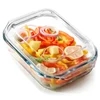 Option 2 NUTRIUPS 2 QT Rectangular Glass Casserole Dish – $26.99
|
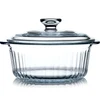 Option 3 2.4QT Round Glass Casserole Dish with Lid Borosilicate – $28.99
|
As an Amazon Associate we earn from qualifying purchases.
Why the 2-Quart Size is So Useful
The 2-quart casserole dish is a workhorse in the kitchen for several reasons. Its size strikes a perfect balance for many cooking needs.
Portion Control and Meal Planning
This size is excellent for cooking meals that yield just enough servings for a family of 4-6. If you have a smaller household or are looking for recipes that are manageable for weeknight dinners, a 2-quart dish is often the ideal choice. It prevents overcooking large quantities and reduces food waste.
Versatility in Cooking
Beyond traditional casseroles, this dish is perfect for:
- Baking: Small batches of brownies, cobblers, crisps, or baked oatmeal.
- Roasting: Individual portions of vegetables or small cuts of meat.
- Gratins: Creamy potato gratins or vegetable gratins for a smaller crowd.
- Savory Bakes: Mini lasagna, baked mac and cheese, or shepherd’s pie.
Space Efficiency
Compared to larger 3-quart or 9×13 inch dishes, a 2-quart casserole takes up less counter space and oven space. This is a significant advantage in smaller kitchens or when you need to bake multiple items at once.
When a 2-Quart Dish Might NOT Be Enough
While incredibly useful, there are times when a 2-quart dish is too small:
- Feeding a Crowd: If you’re hosting a large gathering or have a big family, you’ll likely need a larger dish, such as a 9×13 inch (which typically holds around 3 quarts or more).
- Double Batches: If a recipe is for a large family and you want to make a double batch for freezing or future meals, a larger dish is necessary.
- Recipes Requiring Spread: Some recipes, like a thick sheet cake or large-format lasagna, naturally require more surface area than an 8×8 or 9-inch round dish provides.
Material Matters: What Are 2-Quart Casseroles Made Of?
The material of your casserole dish can affect cooking time, heat distribution, and ease of cleaning. Common materials for 2-quart casseroles include:
Ceramic and Stoneware
These are popular for their attractive appearance and excellent heat retention. They distribute heat evenly, leading to beautifully cooked dishes. Many ceramic and stoneware dishes are oven-safe and can often go from oven to table. Check if they are microwave and dishwasher safe as well.
Glass (Borosilicate Glass)
Glass casserole dishes, like those from Pyrex or Anchor Hocking, are a favorite for their non-reactive nature (meaning they don’t impart flavors) and versatility. They are generally microwave, oven, and dishwasher safe. However, glass can be prone to thermal shock, so be careful when moving it from extreme heat to a cold surface. For more on safe kitchen practices, the U.S. Consumer Product Safety Commission offers excellent tips on kitchen safety, including appliance usage.
Cast Iron
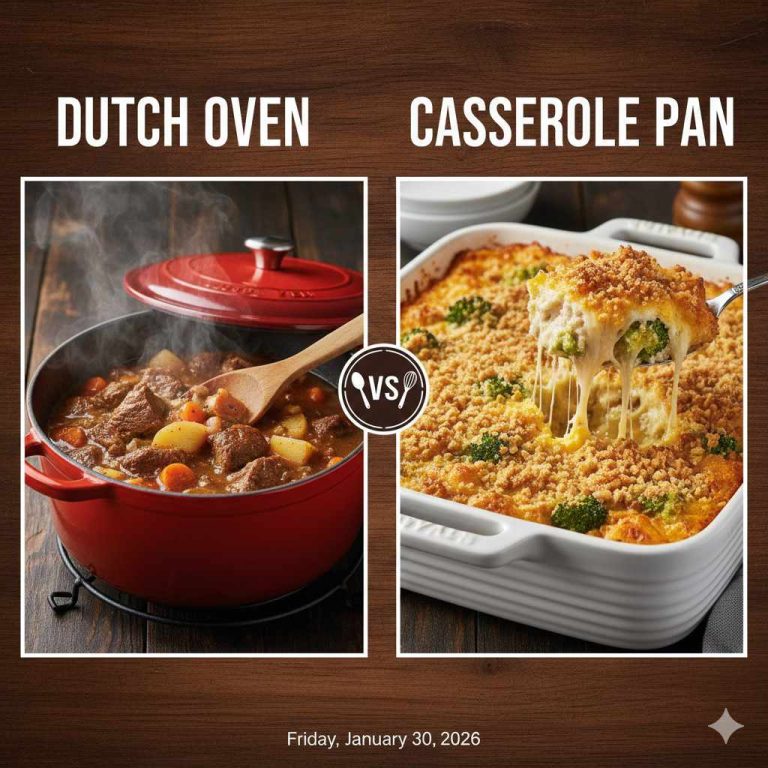
While often heavier, cast iron casserole dishes (like Dutch ovens or specialized skillets) offer superior heat retention and can go from stovetop to oven. They are durable and build a beautiful patina over time. Ensure it’s enameled cast iron for easier cleaning and if you’re concerned about reactivity.
Metal (Aluminum, Stainless Steel)
Metal bakeware heats up quickly and distributes heat efficiently. Aluminum is lightweight and conducts heat well, while stainless steel is durable and non-reactive. Metal dishes might not be as aesthetically pleasing for serving directly from the oven to the table compared to ceramic or glass, but they are workhorses for consistent baking.
How to Measure Your Casserole Dish
If you have a dish and aren’t sure of its capacity, you can measure it yourself! Here’s a simple way to do it:
- Use Dry Measures: Find a 1-cup measuring cup.
- Fill with Water: Fill the measuring cup with water and pour it into the casserole dish.
- Count the Cups: Keep track of how many cups of water you pour into the dish until it’s full to the brim.
- Calculate Quarts: Divide the total number of cups by 4 (since 1 quart = 4 cups). So, if your dish holds 8 cups, it’s a 2-quart dish.
You can also measure the internal dimensions (length, width, and depth) and then estimate the volume, but the filling method is more accurate for actual capacity. For a more scientific approach to volume calculations, resources like NIST (National Institute of Standards and Technology) provide official measurement standards.
Comparing Casserole Dish Sizes
To give you a clearer picture, here’s a quick comparison of common casserole dish sizes:
| Dish Size (Approximate Internal Dimensions) | Approximate Volume (Quarts) | Typical Servings | Best For |
|---|---|---|---|
| 7×7 inch square | 1.5 quarts | 2-3 people | Small side dishes, personal bakes |
| 8×8 inch square / 9-inch round | 2 quarts | 4-6 people | Standard casseroles, family meals, smaller bakes |
| 9×13 inch rectangle | 3 quarts | 8-12 people | Larger family meals, potlucks, big batch cooking |
| 10×15 inch rectangle | 4 quarts | 12-16 people | Very large gatherings, catering |
| 9-inch deep-dish pie plate | 1.5-2 quarts | 6-8 slices | Pies, quiches, tarts |
As you can see, the 2-quart dish is a mid-range size, perfect for everyday use.
Tips for Using Your 2-Quart Casserole Dish
To get the most out of your 2-quart baking dish and ensure your culinary creations are a success, keep these tips in mind:
- Grease Well: Always grease the inside of your dish before adding ingredients, especially for sticky or delicate dishes, to prevent sticking.
- Don’t Overfill: Leave some space at the top (about an inch) to prevent overflow during baking, particularly for dishes that bubble or rise.
- Even Baking: For square dishes, rotate them halfway through baking if you notice uneven browning. This is less of an issue with round dishes.
- Preheat Oven: Ensure your oven is fully preheated to the temperature called for in the recipe for optimal cooking results.
- Cooling and Cleaning: Allow the dish to cool slightly before cleaning. For stubborn bits, soak it in warm, soapy water. Avoid abrasive cleaners that can scratch the surface, especially for glass or non-stick coatings.

Frequently Asked Questions About 2-Quart Casseroles
Q1: What are the typical dimensions of a 2-quart round casserole dish?
A: A 2-quart round casserole dish is usually about 9 inches in diameter and typically has a depth between 1.75 to 2.5 inches.
Q2: Can an 8×8 inch baking dish be a substitute for a 2-quart casserole?
A: Yes, an 8×8 inch square baking dish is generally considered to be equivalent to a 2-quart casserole dish in capacity.
Q3: How many people does a 2-quart casserole typically serve?
A: A 2-quart casserole dish is usually sufficient for serving 4 to 6 people, depending on portion sizes.
Q4: Is a 9-inch pie plate the same as a 2-quart casserole dish?
A: A 9-inch pie plate can sometimes hold around 1.5 to 2 quarts, but it’s often shallower than a standard 2-quart casserole dish. For casseroles, a deeper dish is usually preferred.
Q5: Can I use a metal 2-quart pan if my recipe calls for a ceramic one?
A: Yes, you can usually substitute materials as long as the dimensions and volume are the same. Metal pans may cook slightly faster, so keep an eye on your dish.
Q6: What is the best material for a 2-quart casserole dish?
A: “Best” depends on your preference! Glass is non-reactive and easy to clean, ceramic/stoneware offers great heat retention and presentation, and cast iron is excellent for even heating and stovetop-to-oven use.
For advice on cookware safety and material standards, the U.S. Food and Drug Administration (FDA) provides information on materials used in food contact articles.
Q7: My recipe says “2-quart baking dish.” Do I need to measure its volume exactly?
A: For most recipes, if you have a common size like an 8×8 inch square or a 9-inch round dish, it will be perfectly suitable. The volume is a guideline to ensure your dish isn’t too small and causing overflow, or too large, making your dish thin and potentially dry.
Conclusion
Navigating kitchenware sizes doesn’t have to be complicated. You’ve learned that a 2-quart casserole dish is most commonly an 8×8 inch square or a 9-inch round pan, holding approximately 8 cups of ingredients. This versatile size is perfect for many everyday meals, accommodating families of 4-6 people with ease.
Whether you’re making a comforting pasta bake, a decadent dessert, or a simple side dish, your 2-quart casserole is ready to help you create deliciousness. Remember the approximate dimensions and consider the material that best suits your cooking style. Now you can confidently look at recipes and know exactly what size dish you need. Happy cooking!
Products related to this article
Sponsored / affiliate links. As an Amazon Associate I earn from qualifying purchases. I may earn additional commission from eligible campaigns.