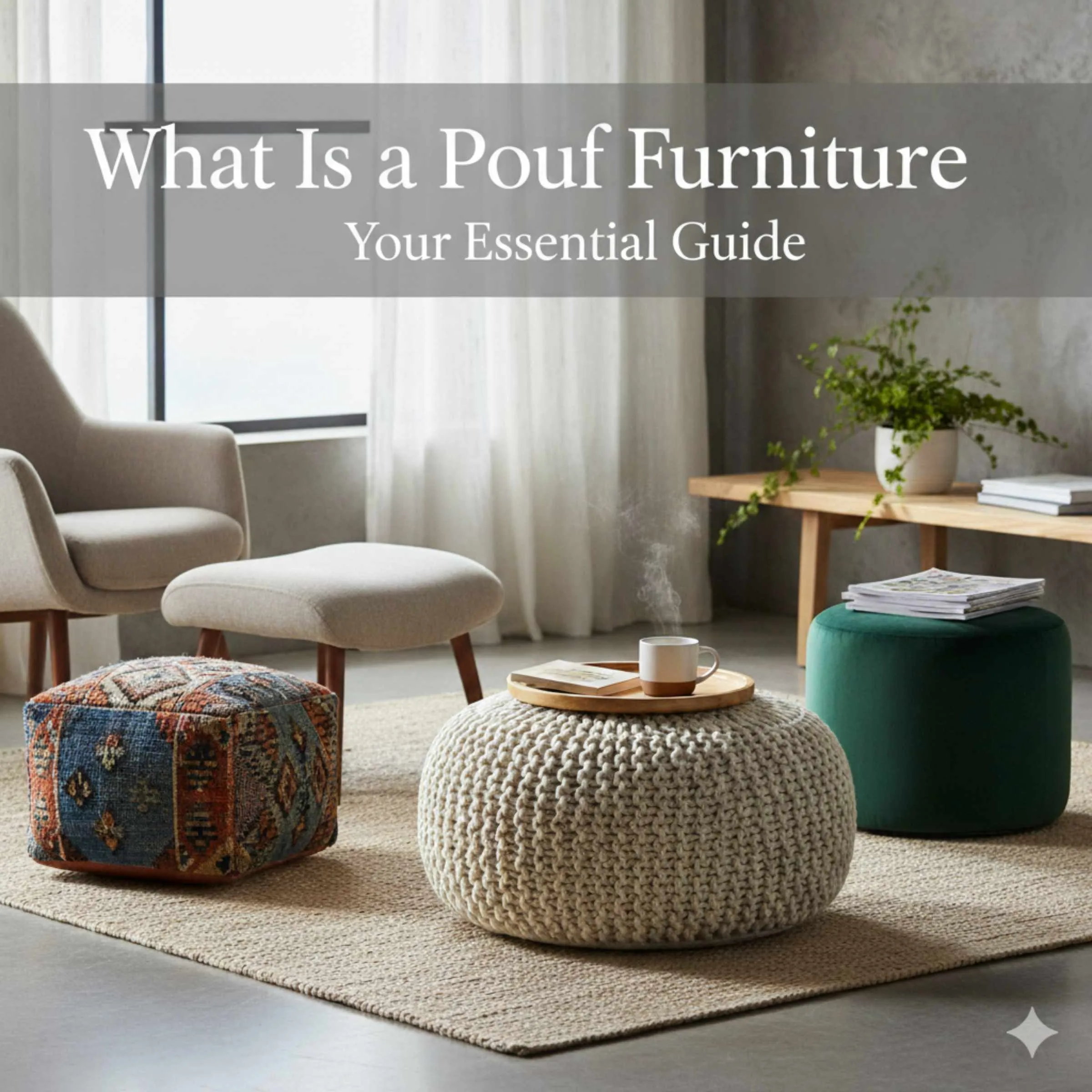
What is a pouf furniture? A pouf is a versatile, footstool-like piece of furniture, often upholstered, that can be used as extra seating, a footrest, or a decorative accent. It’s a soft, casual addition that brings comfort and style to any room without the bulk of a traditional chair or ottoman.
Ever walked into a room and seen a comfy, fabric-covered mushroom-shaped seat, or maybe a squishy cube you could prop your feet on? That’s likely a pouf! These charming pieces are everywhere, and for good reason. They’re not just trendy; they’re super practical. If you’ve ever felt a little short on seating, or wished you had somewhere comfy to rest your feet after a long day, a pouf might be your new best friend. Let’s dive in and discover exactly what makes these versatile furnishings such a great addition to any home.
What Exactly is a Pouf?
at its core, a pouf is a soft, casual piece of furniture that typically has no arms or back. Think of it as a super comfy, often round or square, upholstered cushion that’s sturdy enough to sit on or use as a footrest. They come in a huge variety of shapes, sizes, colors, and materials, which is part of their appeal. Unlike a traditional ottoman, which might be leather-covered and have a more structured look, poufs tend to be softer, more pliable, and often made from fabrics like wool, cotton, knit materials, or even jute. They’re designed to be effortless and adaptable.

The Anatomy of a Pouf
While they look simple, poufs have a few key components that give them their unique form and function:
- Outer Shell/Upholstery: This is the most visible part and what gives the pouf its texture and color. It can be made from a wide range of materials, from plush velvet and cozy knits to durable canvas and natural fibers like jute or rattan.
- Filling: This is what makes a pouf soft and squishy, yet supportive. Common fillings include polystyrene beads (like those in beanbags), shredded foam, polyester fiberfill, or even natural materials like buckwheat hulls or kapok. The type of filling affects how firm or soft the pouf is.
- Inner Structure (sometimes): Some sturdier poufs might have a subtle internal frame or a firm base to help them keep their shape, especially those designed for regular seating. However, many are entirely soft and moldable.
- Handles (optional): Many modern poufs come with built-in handles, usually made of leather or fabric, making them easy to move around the room – a big plus for such a versatile piece!
Why Are Poufs So Popular?
Their popularity isn’t just a passing fad. Poufs offer a fantastic blend of style and practicality that fits perfectly into modern living. They’re the ultimate multitaskers in the world of furniture!
Versatility in Action
This is where poufs truly shine. They can adapt to almost any need:
- Extra Seating: Need an extra spot for a friend to sit during a gathering? A pouf is perfect. Guests can comfortably perch on them, and they can easily be tucked away when not in use.
- Footrest/Ottoman: The classic use! Kick your feet up after a long day. A pouf provides a soft and comfortable place to rest your weary legs.
- Coffee Table Alternative: Place a sturdy tray on top of a firm pouf, and voilà – you have a casual, stylish coffee table. This is great for smaller spaces where a traditional coffee table might feel too bulky.
- Decorative Accent: Even when not in use, a well-chosen pouf can add texture, color, and a cozy vibe to a room. It’s like adding a stylish throw pillow to the floor!
- Playroom Furniture: Kids love them! They’re soft, safe, and perfect for lounging, reading, or building forts.
Space-Saving Charm
In today’s homes, especially apartments and smaller houses, every inch counts. Poufs are fantastic because they don’t take up much visual or physical space. When not in use for seating or as a footrest, they can be easily moved aside or even stacked. This makes them ideal for flexible living arrangements.
Style for Every Taste
No matter your home décor style, there’s a pouf for you. Whether you love bohemian textures, minimalist designs, a pop of color, or classic comfort, poufs come in so many variations:
- Knit Poufs: These offer a cozy, handmade feel, perfect for Scandinavian or bohemian styles.
- Leather Poufs: For a more sophisticated or globally inspired look, a faux or real leather pouf adds a touch of class.
- Textured Poufs: Think jute, rattan, or woven materials for a natural, earthy vibe, fitting well with coastal or rustic decors.
- Velvet Poufs: These add a luxurious, plush feel, ideal for a glam or eclectic interior.
- Geometric & Patterned Poufs: Great for adding a focal point or a playful touch to modern or transitional spaces.
Affordability
Compared to many other furniture items, poufs are often quite affordable. You can find a stylish and functional pouf without breaking the bank, making them an easy way to update a room’s look and feel.
Different Types of Poufs
As you’ve seen, poufs aren’t one-size-fits-all. They come in various forms, each suited for different purposes and aesthetics.
By Shape:
- Round Poufs: The most common type, offering a soft, classic look.
- Square/Rectangular Poufs: These can sometimes feel a bit more structured and are great for creating a clean line.
- Cylindrical/Tubular Poufs: Less common, but offer a unique, elongated shape.
- Organic/Irregular Shapes: Some designer poufs play with less conventional forms for a truly unique statement.
By Material:
- Fabric Poufs (Cotton, Linen, Polyester): Easy to clean, comfortable, and come in endless colors and patterns.
- Knit Poufs: Warm, textured, and inviting, lending a cozy feel.
- Leather or Faux Leather Poufs: Durable, stylish, and easy to wipe down.
- Jute or Rattan Poufs: Natural, eco-friendly, and add a touch of organic texture.
- Suede or Velvet Poufs: Luxuriously soft and add a touch of elegance.
By Filling:
The filling significantly impacts how the pouf feels and performs:
| Filling Type | Pros | Cons | Best For |
|---|---|---|---|
| Polystyrene Beads (EPS/XPS) | Lightweight, moldable, comfortable for lounging. | Can compress over time, may make noise, not always the most supportive for sitting. | Footrests, casual floor seating, kids’ rooms. |
| Shredded Foam | More supportive than beads, retains shape well, comfortable. | Can be heavier, may have a initial off-gassing smell. | Seating, footrests, general use. |
| Polyester Fiberfill | Soft, plush, lightweight. | Can flatten over time, may offer less support. | Decorative accent, light footrest. |
| Buckwheat Hulls/Natural Fillers | Eco-friendly, firm support, breathable. | Can be noisy, heavier, may settle. | Firm seating, therapeutic use, natural décor. |
How to Use a Pouf in Your Home
Integrating a pouf into your living space is incredibly simple. Its adaptability means you can place it almost anywhere!
Living Room Enhancements
Your living room is a prime spot for poufs. Place one in front of an armchair to create a cozy reading nook. Use a couple of matching poufs instead of a traditional coffee table for a relaxed, modern look, especially in smaller rooms. You can also place them at the foot of a sofa or in a corner to add extra seating when needed.
For a practical coffee table setup, ensure the pouf is firm enough to hold a tray steady. You can find great tray options at retailers like IKEA, which offers many styles that pair well with casual seating.
Bedroom Bliss
In a bedroom, a pouf can serve as a stylish bedside table alternative, a place to sit while putting on shoes, or a decorative accent at the foot of the bed. A soft, upholstered pouf can make a bedroom feel more welcoming and luxurious.
Entryway Essentials
An entryway is often a transitional space. A pouf provides a convenient spot to sit down for a moment to tie your shoes, and it can add a touch of warmth and style to an often-overlooked area. Plus, it keeps your seating options open if guests arrive!
Kids’ Rooms and Play Areas
These are perfect for children. They’re soft, so less of a hazard than hard furniture, and they encourage casual floor seating for playtime. Their light weight makes them easy for kids to move around, and they come in fun colors and patterns that children love.
Choosing the Right Pouf for You
With so many options, how do you pick the perfect pouf? Consider these factors:
Purpose
- For Seating: Look for a pouf with firm filling and a sturdy construction.
- For Footrest: Comfort is key, so a softer, more pliable filling works well.
- For Decorative Accent: Focus on color, texture, and style that complements your existing décor.
- For Table Use: A firm, flat-topped pouf is essential, and a tray will be necessary for stability.
Size and Shape
Measure your space! A giant pouf in a tiny room can feel overwhelming, while a tiny pouf in a large room might get lost. Consider the overall scale of your furniture. Round poufs are versatile, while square ones can sometimes feel more grounded.
Material and Durability
Think about where the pouf will be placed and how it will be used. A high-traffic area or a home with pets and children might benefit from durable, easy-to-clean fabrics like canvas or faux leather. For a more formal or adult-focused space, velvet or a delicate knit might be suitable.
Resources like the Consumer Product Safety Commission (CPSC) offers general guidance on furniture safety, which can be helpful when considering the construction and potential hazards, though poufs are generally very safe.
Color and Style
This is where you can have fun! Poufs are fantastic for adding a pop of color or a unique texture. Consider your existing color palette and choose a pouf that either complements it or provides a bold contrast.
Caring for Your Pouf
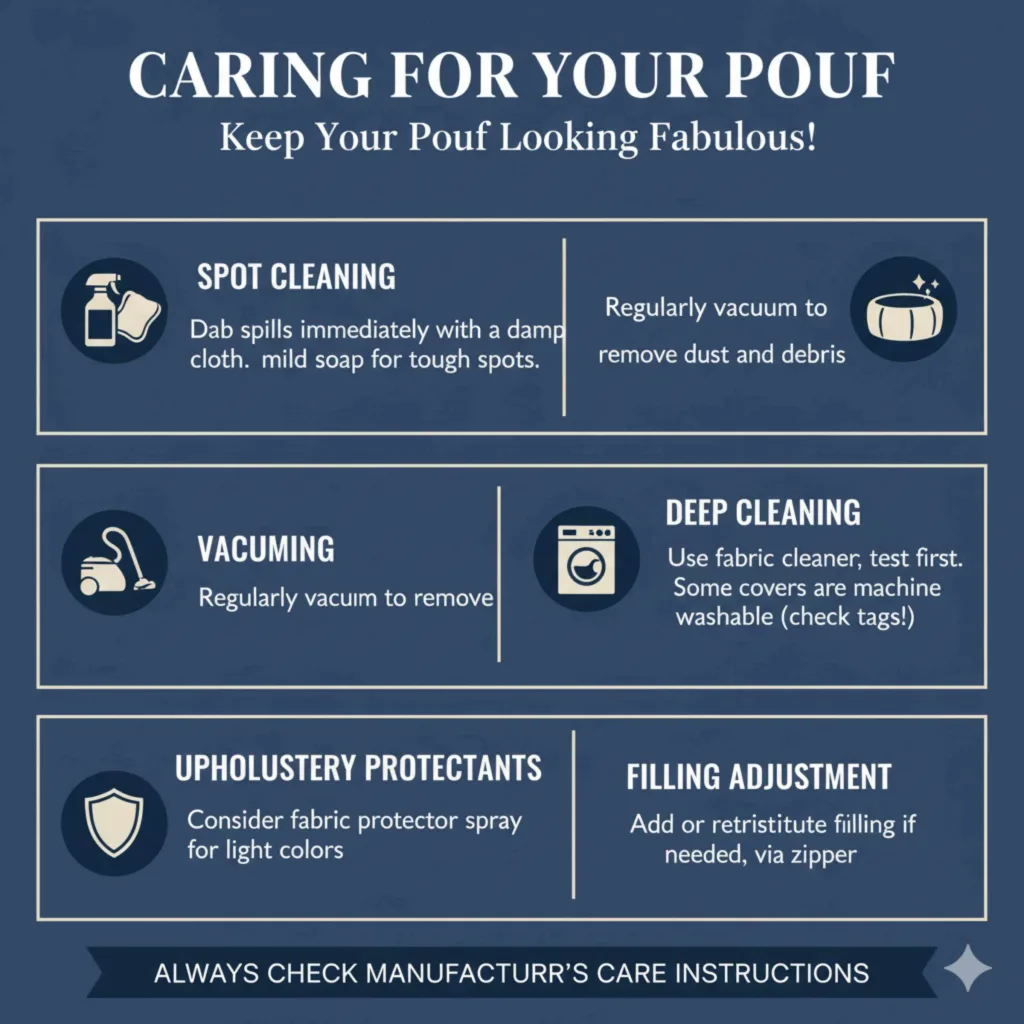
Keeping your pouf looking its best is usually straightforward. Always check the manufacturer’s care instructions, as materials vary greatly.
- Spot Cleaning: For most fabric poufs, dabbing spills immediately with a clean, damp cloth is the best first step. Use a mild soap if necessary.
- Vacuuming: Regularly vacuum your pouf to remove dust and debris, especially if it has a textured surface.
- Deep Cleaning: For tougher stains or overall freshening, you might need a fabric cleaner. Always test in an inconspicuous area first. Some pouf covers are removable and machine washable (check tags carefully!).
- Upholstery Protectants: Consider using a fabric protector spray, especially for lighter colors or delicate fabrics, to help resist stains.
- Filling Adjustment: If your pouf is filled with beads, it might compress over time. Some poufs have zippers allowing you to add more filling or redistribute it.
For specific advice on fabric care, resources like FabricLink.com provide extensive information on cleaning various textile types.
Frequently Asked Questions About Poufs
Q1: Are poufs comfortable to sit on?
Yes, poufs can be very comfortable, especially if they have a supportive filling like shredded foam. Their softness also makes them great for casual, relaxed seating.
Q2: Can a pouf replace a coffee table?
A firm pouf can absolutely act as a coffee table, especially if you place a sturdy tray on top. It offers a softer, more casual alternative to a traditional table and is great for smaller spaces.
Q3: How do I clean a pouf?
Cleaning depends on the material. Most can be spot-cleaned with a damp cloth and mild soap. Always check the care label. Some have removable, washable covers. Regular vacuuming also helps.
Q4: Are poufs durable?
Durability varies by construction and material. Poufs made with sturdy fabrics, quality stitching, and dense fillings tend to be quite durable. Those used frequently for seating will wear differently than those used mainly as footrests.
Q5: What is the average size of a pouf?
Poufs come in many sizes, but a common diameter for round poufs is between 18 to 24 inches, and similar dimensions for square ones. Height usually ranges from 12 to 18 inches.
Q6: Can poufs be used outdoors?
Some poufs are specifically designed for outdoor use with weather-resistant fabrics and fillings. Standard indoor poufs are best kept inside to protect them from moisture and sun damage.
Conclusion
So, there you have it! A pouf is so much more than just a squishy cushion. It’s a flexible, stylish, and incredibly useful piece of furniture that can enhance almost any room in your home. From providing extra seating for guests to serving as a comfy footrest or even a makeshift coffee table, poufs offer fantastic functionality without compromising on style. Their adaptability, range of designs, and relative affordability make them a smart choice for anyone looking to add comfort, texture, and a touch of casual elegance to their living space. Now that you know what a pouf is and all the amazing things it can do, perhaps it’s time to find the perfect one to liven up your home!